
Choosing between crochet yarn and crochet thread is a fundamental decision for any project. While both materials create beautiful stitched items, they differ in thickness, texture, structure, and final application. Yarn is typically thicker, softer, and ideal for warm garments, blankets, and plush toys. Thread is much thinner, denser, and designed for delicate, structured lace, doilies, and jewelry. Understanding these physical characteristics and how they behave under tension will help you select the right material for your design, ensuring your finished piece has the correct drape, size, and durability.
Understanding the Physical Differences Between Yarn and Thread
To make an informed choice, you must first look at the physical traits of each material. The most obvious difference is thickness, which is categorized differently for yarn and thread. Yarn uses a standard weight numbering system from 0 (lace) to 7 (jumbo), where higher numbers indicate thicker strands. In contrast, crochet thread uses a sizing system where higher numbers represent thinner threads. For example, a size 3 thread is relatively thick and comparable to a super fine yarn, while a size 30 thread is incredibly fine.
The structural twist and ply of the fibers also play a major role in how the material behaves. Yarn is made by twisting multiple plies of fiber together, resulting in a softer, loftier strand that traps air for warmth. This structure makes yarn highly forgiving and elastic, though it can sometimes split if your hook catches a single ply. Crochet thread is typically made from tightly twisted, long-staple cotton fibers, which gives it a smooth, cord-like appearance. This tight twist provides excellent stitch definition and prevents splitting, making it highly durable.
Products mentioned in this guide
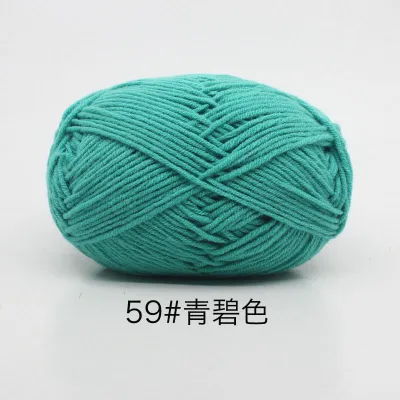
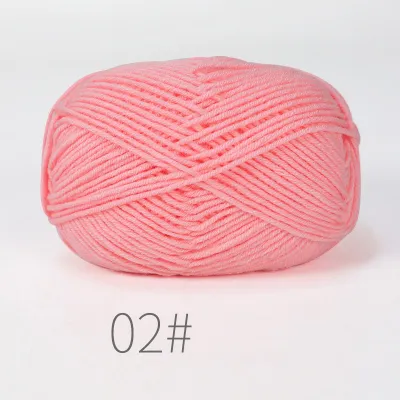
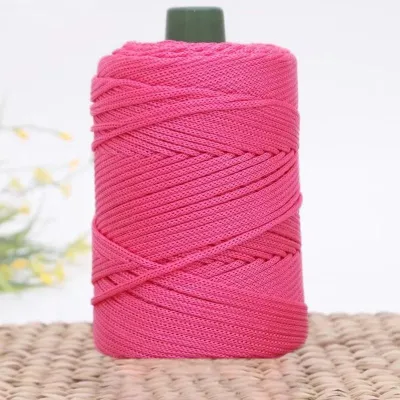
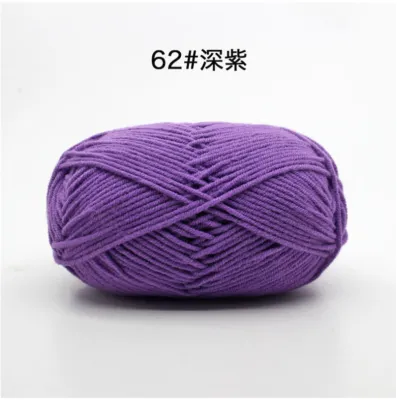
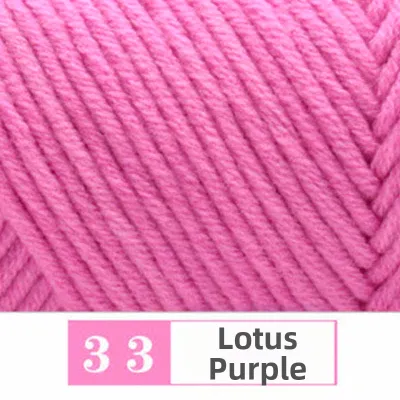
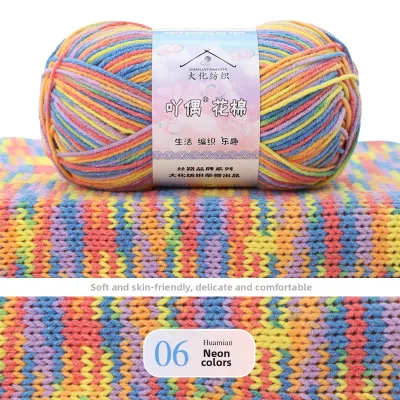
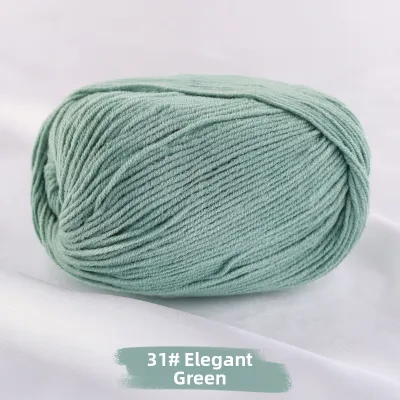
Prices are valid at publication and may change. Please refer to the product page for the latest price.
When purchasing these materials, reading the manufacturer’s label is essential for project success. The label provides critical information, including fiber content, recommended hook sizes, care instructions, and total yardage. For yarn, you will find the standard weight symbol and fiber composition, such as acrylic, wool, or cotton. For thread, the label will specify the size number and whether the cotton has been mercerized—a treatment that increases luster, strength, and dye affinity. Checking these details ensures you have enough yardage and the correct fiber properties.
Best Projects and Uses for Crochet Yarn
Crochet yarn is the go-to choice for projects that require warmth, soft drape, or substantial volume. Because yarn comes in a wide range of thicknesses and fiber blends, it is incredibly versatile. Medium or worsted weight yarn (category 4) is highly popular for everyday garments, cozy blankets, scarves, and hats because it works up quickly and provides excellent insulation. Bulky and super bulky yarns are ideal for thick winter accessories and home decor items like heavy throw blankets or baskets.

For those interested in making plush toys, known as amigurumi, yarn is the standard material. The loft and thickness of yarn help fill out the stitches, preventing the stuffing from showing through. When working on these projects, matching your yarn weight to the correct hook size is crucial. Most yarn labels recommend a standard aluminum or plastic hook size, but for amigurumi, crafters often use a hook one or two sizes smaller than recommended to create a tight, dense fabric that holds its shape.
The fiber content of your yarn directly influences the drape, texture, and warmth of the finished item. Animal fibers like wool offer warmth and a soft halo, making them perfect for cold-weather wear. Plant fibers like cotton and bamboo provide a cooler, heavier drape that is excellent for spring garments and market bags. Synthetic fibers like acrylic are durable, machine-washable, and highly accessible, making them a practical choice for baby blankets and everyday items that require frequent laundering.
Before starting any yarn project, always check the pattern’s gauge requirements. Gauge measures the number of stitches and rows per inch, ensuring your finished item matches the designer’s intended dimensions. Because yarn can vary slightly in thickness even within the same weight category, crocheting a small gauge swatch is the most reliable way to verify that your hook and yarn combination will yield the correct size.
Best Projects and Uses for Crochet Thread
Crochet thread is uniquely suited for projects that demand intricate detail, crisp stitch definition, and a delicate, lightweight structure. Because thread is so thin, it allows you to create complex lace patterns that would look bulky or lose their definition if worked in yarn. Classic applications for crochet thread include heirloom doilies, lace tablecloths, delicate window curtains, holiday ornaments, and micro-crochet jewelry.
Working with thread requires specialized tools, specifically steel crochet hooks. Unlike aluminum or plastic hooks used for yarn, steel hooks are designed with very small, precise tips to catch fine threads without snagging. Steel hook sizing can be confusing because, like thread, the numbering system is often inverted: higher numbers indicate smaller millimeter measurements. For example, a size 10 steel hook has a larger tip than a size 14 hook. Always verify the actual millimeter measurement on the hook packaging to ensure a precise match with your thread size.
Finished thread projects often require post-crochet care to look their best. Because thread stitches are tight and dense, they can curl or look uneven straight off the hook. Blocking—the process of wetting the finished item, pinning it to shape on a flat surface, and letting it dry—is essential to open up lace patterns and flatten edges. For items that need to hold a specific shape, such as snowflakes, bowls, or jewelry, applying a fabric stiffener or liquid starch during the blocking process provides the necessary structural integrity.
When selecting thread, pay close attention to whether it is mercerized. Mercerization is a finishing process that treats the cotton thread to make it stronger, smoother, and more lustrous. Mercerized thread has a beautiful, subtle sheen that reflects light, making your intricate stitches stand out. Non-mercerized thread has a matte finish and a softer feel, which is sometimes preferred for vintage-style projects or items that will be handled frequently, such as lightweight summer shawls.
How to Substitute Yarn and Thread in Crochet Patterns
Substituting one material for another is a common practice, but it requires careful planning to avoid ruining your project. If a pattern calls for a specific yarn and you wish to use thread, or vice versa, you must calculate the gauge and yardage differences. Because thread is much thinner than most yarns, substituting thread into a yarn pattern will result in a significantly smaller finished item. You will need to adjust your yardage calculations, as a thread project will require many more yards of material to cover the same surface area as a yarn project.
To successfully substitute materials, start by adjusting your hook size to match the new material and crocheting a physical swatch. This swatch allows you to test the stitch definition and see how the fabric behaves. If the stitches are too loose, your project may lose its shape; if they are too tight, the fabric will be stiff and rigid. Inspecting the swatch visually and physically will help you determine if the substitution is viable before you commit to crocheting the entire pattern.
You must also assess how the substitution will affect the drape, weight, and final dimensions of the design. A garment designed for a soft, flowing yarn will drape very differently if worked in a stiff, mercerized cotton thread. Similarly, a delicate lace doily pattern worked in a thick worsted weight yarn will turn into a large, bulky mat. Ensure these changes align with your expectations for the finished piece’s appearance and utility.
Finally, recognize when a substitution compromises the project’s structural integrity or safety. For example, substituting a delicate thread for a sturdy yarn in a heavy-duty utility basket will result in a floppy container that cannot hold its weight. Conversely, using a thick, heavy yarn for a pattern designed for fine thread can create a dense, heavy fabric that puts undue strain on the stitches. If the substitution alters the item’s function or makes it unsafe—such as creating a baby blanket with loose, snaggy thread loops—it is best to stop and choose a more appropriate material.
Frequently Asked Questions (FAQ)
Can I use crochet thread to make clothing or blankets?
Yes, you can use crochet thread to make clothing and blankets, but it requires a significant investment of time and material. Thread is excellent for lightweight, breathable summer garments like lace tops, beach cover-ups, and shawls, as it provides a delicate drape that keeps you cool. However, because thread is so thin, making a full-sized blanket or a warm winter sweater will require thousands of yards of thread and hundreds of hours of stitching. Additionally, thread items lack the loft and warmth of yarn, so they are not suitable for cozy winter wear.
How should I store leftover yarn and thread to prevent tangling and damage?
To keep your leftover yarn and thread in pristine condition, store them in a cool, dry place away from direct sunlight, which can fade colors over time. Use clear, airtight plastic bins to protect your fibers from dust, moisture, and pests like moths. Before storing, wind loose skeins into neat cakes or balls using a yarn winder, and secure the ends of crochet thread with a small piece of tape or a thread saver to prevent unraveling. Grouping your materials by fiber type and weight within your storage containers will also make it easier to find the perfect material for your next project.

Community discussion
Share your experience or ask a question. Comments are reviewed before publication.