
Understanding Crochet Thread Materials: A Quick Overview
Crochet threads are primarily made of cotton, acrylic, bamboo, silk, and various synthetic or natural blends. Each fiber possesses unique physical and chemical characteristics that dictate the finished item’s drape, stitch definition, texture, weight, and long-term durability. Unlike standard knitting or crocheting yarn, crochet thread is engineered with a much tighter twist and is produced in significantly finer weights. This structural difference makes selecting the right material critical, as the physical properties of the fiber are amplified in delicate, fine-gauge lacework.
Choosing the correct crochet thread (钩针线) is the foundational step of any project. The fiber content is the primary driver of how your stitches will behave under tension, how the fabric will fall against the body or a surface, and how the item must be cleaned. For instance, a lace tablecloth requires a material that can hold a crisp, blocked shape, while a summer garment demands a fiber that breathes and moves naturally. By matching your project’s functional requirements with the inherent strengths of each material, you ensure your handcrafted items remain beautiful and durable for years.
Cotton Crochet Thread: Structure, Crispness, and Stitch Definition
Cotton is the traditional gold standard for crochet thread, favored for its exceptional structural integrity and clean stitch definition. As a natural plant-based cellulose fiber, cotton is inherently strong, breathable, and inelastic. When spun into a high-twist thread, it creates a smooth, dense strand that minimizes fuzziness, allowing intricate lace patterns, pineapples, and mesh stitches to stand out with absolute clarity. It is highly resistant to wear, making it an excellent choice for items that will experience frequent handling or washing.
Products mentioned in this guide
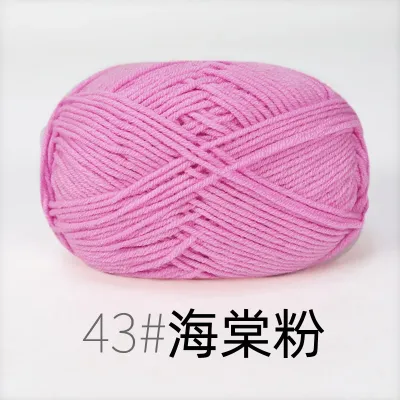
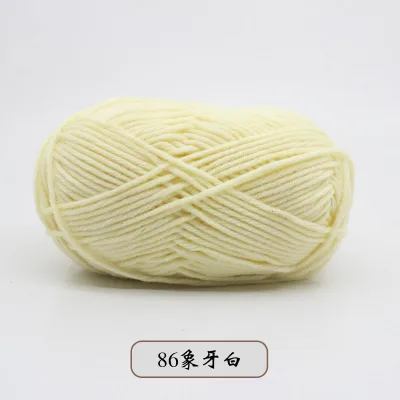
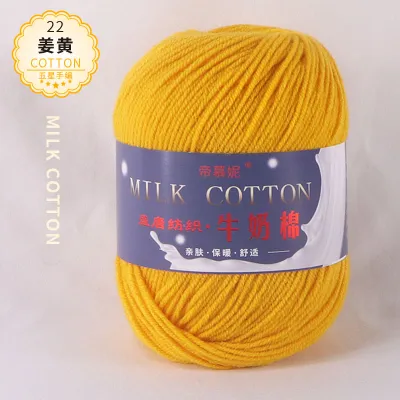
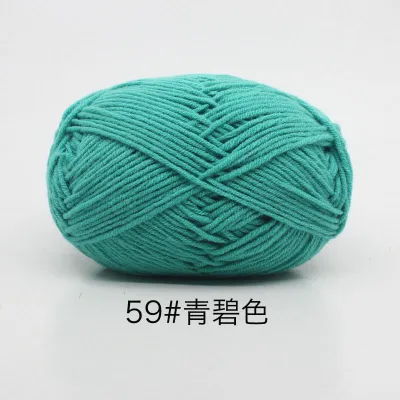
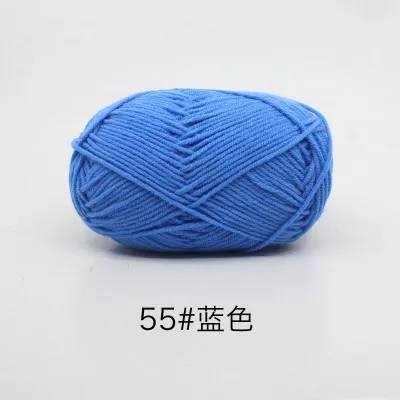
![[SG Ship]4-Ply Milk Cotton Yarn Yellow Pink White Red Knitting Crochet 4-Strand](https://img.lazcdn.com/g/p/178b7eb8ebd6fd147521c1eb6b7f31a7.png_400x400q80.png_.webp)
Prices are valid at publication and may change. Please refer to the product page for the latest price.

Mercerized vs. Unmercerized Cotton
The physical appearance and performance of cotton thread change dramatically based on whether it has undergone mercerization. Mercerization is a chemical finishing process where the cotton thread is treated with a sodium hydroxide (caustic soda) bath while held under high tension. This treatment causes the flat, ribbon-like natural cotton fibers to swell, rounding their cross-section and smoothing out the microscopic ridges along the fiber shaft.
This structural alteration yields several distinct characteristics:
- Mercerized Cotton: This thread features a brilliant, silk-like sheen, enhanced tensile strength, and superior dye absorption, resulting in deep, vibrant colors that resist fading. The smooth surface makes it highly resistant to pilling and friction, though it produces a stiffer, less yielding drape.
- Unmercerized Cotton: Bypassing the chemical bath, this thread retains its natural matte finish and soft, slightly textured hand. It is highly absorbent and feels gentler against the skin, but it is more prone to shrinking, fuzzing, and pilling over time with repeated abrasion.
Best Projects for Cotton Thread
Because of its rigid structure and crisp stitch definition, cotton thread is the ideal choice for projects that must hold their shape without sagging. It is the classic medium for heirloom doilies, intricate table runners, delicate lace edgings, bookmarks, and window curtains. The lack of elasticity is also highly beneficial for three-dimensional projects like amigurumi, where tight, unyielding stitches are necessary to prevent the synthetic stuffing from poking through the fabric. Additionally, its durability makes it perfect for functional home accessories like coasters, placemats, and structured market bags.
However, the lack of natural elasticity presents a distinct trade-off. Cotton thread does not stretch or recover, meaning it is not suited for form-fitting garments that need to cling to the body or stretch over curves. Working with inelastic cotton thread can also cause hand fatigue more quickly than working with springy synthetic fibers, requiring crafters to maintain a relaxed grip and take regular breaks during long crafting sessions.
Acrylic and Synthetic Threads: Softness, Stretch, and Vibrant Colors
Synthetic crochet threads, primarily made of acrylic, nylon, or polyester, offer a modern alternative to traditional natural fibers. Acrylic thread is composed of synthetic polymers formed into lightweight strands that mimic the softness of natural wool or fine cotton. Because these fibers are manufactured chemically, they can be produced with high elasticity and flexibility, allowing the thread to stretch and spring back into shape easily. Synthetic fibers also accept chemical dyes exceptionally well, resulting in highly saturated, fade-resistant, and even metallic or variegated colorways that are difficult to achieve on natural plant fibers.
Choosing synthetic threads comes with a clear set of advantages and limitations:
- The Pros: Synthetic threads are highly affordable, often costing fewer Singapore dollars (SGD) per ball than premium natural fibers, making them excellent for large-scale projects or beginners practicing their tension. They are hypoallergenic, widely accessible in local craft shops, and provide a soft, flowing drape that moves easily with the body.
- The Cons: Synthetics lack the crisp structural integrity of cotton, meaning intricate lace stitches can look slightly blurry or lose their definition. They are prone to pilling in high-friction areas, do not absorb moisture, and are highly sensitive to high temperatures, which can permanently damage or melt the plastic polymers.
In practical terms, synthetic threads are best utilized for projects where a soft, flowing drape is preferred over rigid structure. They are excellent for lightweight wearables such as summer shawls, decorative scarves, and unstructured garments. Because they are soft to the touch and easy to wash, they are also highly suitable for baby items, such as delicate booties or lightweight christening blankets. However, in warm and humid tropical climates like Singapore, 100% acrylic garments can trap body heat and moisture, making them less comfortable for prolonged outdoor wear compared to breathable plant-based alternatives.
Bamboo, Silk, and Specialty Blends: Drape, Sheen, and Luxury Textures
For crafters seeking premium textures and high-end finishes, specialty fibers like bamboo, silk, and fiber blends offer unique performance characteristics that elevate simple patterns into luxurious heirloom pieces.
Bamboo
Bamboo crochet thread is made from regenerated cellulose (viscose) processed from natural bamboo grass. It is celebrated for its extraordinary, liquid-like drape, subtle natural sheen, and silky texture. Bamboo is highly breathable and possesses natural cooling properties, making it an incredibly comfortable choice for garments worn in warm climates. However, bamboo fibers are heavy and have very low elasticity. When wet, the fibers swell and become heavy, which can cause finished garments to stretch out of shape permanently if they are not supported and blocked with extreme care.
Silk and Blends
Pure silk is a natural protein fiber known for its unmatched luster, high tensile strength, and elegant drape. It glides effortlessly over the crochet hook, producing a fabric with a smooth, premium hand-feel. Because pure silk can be costly and slippery to work with, it is frequently blended with other fibers:
- Cotton-Silk Blends: Combining the structural stability and stitch definition of cotton with the luxurious sheen and soft drape of silk.
- Acrylic-Bamboo Blends: Offering an affordable, durable thread that retains the cooling, silky feel of bamboo while gaining the lightweight elasticity of synthetic fibers.
These luxury threads are best reserved for special-occasion projects where the visual appeal and tactile experience are paramount. They are ideal for elegant evening shawls, fine bridal accessories, delicate jewelry, heirloom baby garments, and high-end decorative accents.
Comparing Material Impact: Drape, Texture, and Durability
To help you select the ideal material for your next project, the table below compares how each primary fiber behaves across key performance dimensions:
| Material | Drape Quality | Stitch Definition | Elasticity | Pilling Resistance |
|---|---|---|---|---|
| Mercerized Cotton | Stiff / Structured | Excellent | Very Low | High |
| Unmercerized Cotton | Medium / Soft | Good | Low | Medium |
| Acrylic / Synthetics | Soft / Flowing | Fair | High | Low to Medium |
| Bamboo Viscose | High / Liquid-like | Good | Low | Medium |
| Silk & Blends | High / Elegant | Excellent | Medium | High |
Before committing to a major project, it is highly recommended to crochet a gauge swatch (typically a 10×10 cm square) using your chosen thread and hook. Washing and blocking this swatch allows you to observe firsthand how the drape changes, whether the stitches relax or tighten, and how much the fabric stretches under its own weight.
Additionally, the physical size of the thread interacts directly with the material properties to alter the final texture. Crochet thread uses a standardized numbering system where a higher number denotes a finer, thinner thread (for example, a Size 3 thread is relatively thick, similar to a lace-weight yarn, while a Size 30 or 80 thread is incredibly fine, resembling sewing thread). A thick Size 3 mercerized cotton thread will produce a highly rigid, dense fabric suitable for structured baskets, whereas a fine Size 30 mercerized cotton thread remains delicate and flexible enough for soft lace edgings, demonstrating how thread weight can balance or amplify a material’s natural stiffness.
Care and Maintenance Requirements by Material
The longevity of your completed crochet project depends heavily on applying the correct washing and blocking techniques. Because different fibers react uniquely to moisture, agitation, and heat, you must always verify the specific care instructions printed on the manufacturer’s thread label before cleaning your finished item.
Cotton
Cotton projects are highly durable and generally machine washable on a gentle cycle with mild detergent, though hand washing is preferred for delicate lace items. Cotton holds its shape exceptionally well when wet-blocked. To wet-block a cotton doily, submerge it in lukewarm water, gently squeeze out the excess moisture without wringing, pin it flat onto a blocking board to open up the lace pattern, and allow it to air-dry completely.
Acrylic
Synthetic threads are highly resilient and can be machine washed and dried on a low-heat setting. However, they cannot be wet-blocked effectively because synthetic fibers do not absorb water in a way that allows them to hold a new shape once dry. While some crafters use steam blocking to shape acrylic, extreme caution is required. Applying too much heat or placing a hot iron directly onto synthetic fibers will “kill” the acrylic, permanently melting the plastic polymers, flattening the stitches, and destroying the fabric’s elasticity.
Bamboo and Silk
These delicate fibers require gentle hand washing in cold water using a mild, pH-neutral delicate wash. Avoid harsh detergents, bleach, or vigorous scrubbing, which can fray the fibers and strip away their natural sheen. Never wring or twist bamboo or silk items; instead, roll them in a clean, dry towel to absorb excess water, then reshape them and lay them flat on a drying rack away from direct sunlight.
Frequently Asked Questions (FAQ)
Can I substitute crochet thread for yarn in a pattern?
Directly substituting crochet thread for yarn in a pattern designed for medium-weight yarn is rarely successful. Crochet thread is significantly thinner and denser than standard yarn, meaning your finished project will turn out much smaller, stiffer, and structurally distorted if you do not adjust the pattern. To adapt a yarn pattern for thread, you must use a much smaller hook, mathematically scale up the stitch count to achieve the desired dimensions, and accept that the final fabric will have a much finer, lace-like texture.
Is crochet thread the same as embroidery floss?
No, crochet thread and embroidery floss are engineered differently and are not interchangeable. Crochet thread is constructed with a tight, high-twist multi-ply structure designed to withstand the constant friction of a crochet hook pulling through tight loops without splitting. Embroidery floss is loosely twisted and designed to be easily separated into individual strands for flat needlework. If you attempt to crochet with embroidery floss, the loose strands will split, fray, snag on the hook, and break easily under tension.
How do I prevent my cotton crochet thread from tangling?
Fine cotton crochet threads are highly prone to tangling and twisting back on themselves due to their high-twist construction. To prevent tangles, place your thread ball inside a heavy glass thread bowl or a clean container to stop it from rolling around the floor. You can also use a ball winder to wind the thread into a neat, flat-bottomed center-pull cake, which allows the strand to feed out smoothly with minimal tension. If the thread begins to twist tightly while you work, simply hold your project up by the working strand and let the piece hang freely for a few seconds to untwist naturally.

Community discussion
Share your experience or ask a question. Comments are reviewed before publication.