
Choosing the right crochet stuffing is just as critical as selecting your yarn or hook size, yet it is often treated as an afterthought. The ideal filling material depends entirely on the physical demands, structural needs, and expected care routine of your finished piece. A delicate amigurumi toy designed to sit upright on a shelf requires a completely different internal support system than a soft, squishy throw pillow or a wearable garment that must drape naturally against the body.
While polyester fiberfill remains the most accessible, lightweight, and easily washable standard for everyday crafting, natural alternatives like cotton and wool offer distinct physical properties. Cotton provides a dense, grounded weight and firm structure, making it excellent for toys that need stability. Wool, on the other hand, offers premium resilience, natural elasticity, and exceptional shape recovery, making it a luxurious choice for heirloom items. Understanding how these materials behave under pressure and after washing is the key to ensuring your hard work retains its shape and beauty for years to come.
Defining Your Crochet Project Requirements
Before reaching for any bag of stuffing, you must evaluate the specific physical and practical demands of your crochet pattern. The intended end-use of the item dictates the physical characteristics your filling must provide. For instance, amigurumi figures require structural integrity to maintain their defined shapes and prevent limbs from drooping. Conversely, wearable garments require a filling that preserves the natural drape of the yarn, while pillows demand high loft and bounce-back capability to remain comfortable over long periods of use.
Products mentioned in this guide
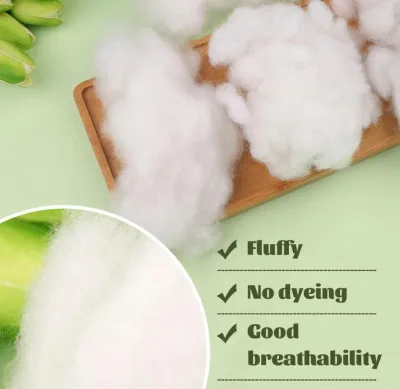
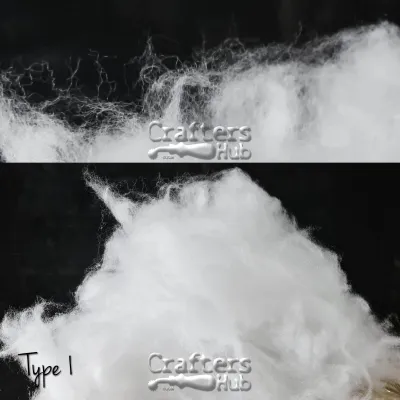
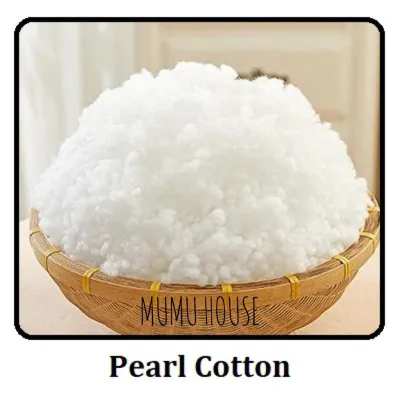
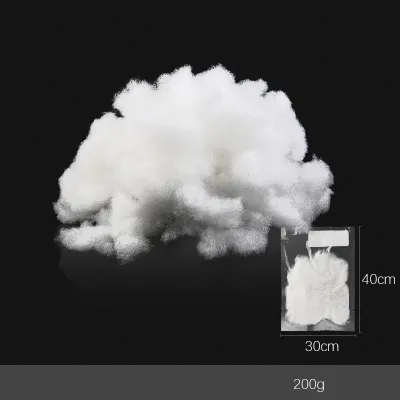
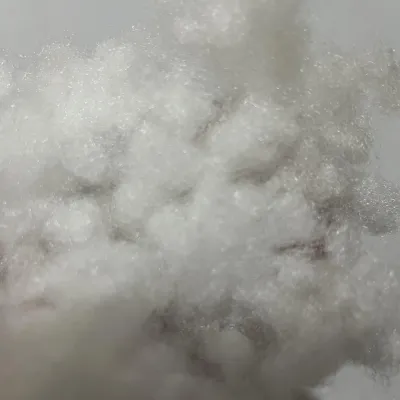
Prices are valid at publication and may change. Please refer to the product page for the latest price.
Firmness and weight preferences also play a major role in your decision. Some projects benefit from being incredibly lightweight and squishy, allowing them to be easily handled by young children. Other projects require a dense, grounded feel to prevent them from tipping over when placed on a flat surface.
Care and maintenance are equally vital considerations. You must assess whether the finished item will undergo frequent machine washing—such as a baby toy—or if it will only require occasional spot cleaning. Finally, budget and local availability will inevitably influence your choice. While some materials are highly cost-effective and readily available at any local craft store, premium natural fibers may require a larger financial investment and sourcing from specialized suppliers.
Polyester Fiberfill: The Lightweight and Washable Standard
Polyester fiberfill is the undisputed staple of the crochet world, primarily due to its exceptional volume-to-weight ratio. This synthetic material consists of fine, curly polyester fibers that trap air, creating a high-loft filling that adds significant volume without adding unnecessary weight. This makes it the ideal choice for large plushies, oversized floor pillows, and decorative cushions that need to remain light and easy to move around.

One of the greatest practical advantages of polyester fiberfill is its ease of maintenance. It is generally machine-washable and dries relatively quickly compared to natural fibers, making it highly suitable for items that will experience heavy handling and frequent spills. However, to prevent the stuffing from clumping or shifting during the wash cycle, it is crucial to secure your crochet seams tightly and use a gentle washing cycle.
From a financial perspective, polyester fiberfill is highly cost-effective. It is widely available in large bulk bags at very accessible price points, allowing you to stuff multiple large-scale projects on a modest budget. Despite these benefits, polyester fiberfill does have notable limitations. Over time and with regular use, the synthetic fibers can compress, shift, or clump, especially in high-friction areas like the joints of a toy. If it is not packed firmly and evenly during the initial stuffing process, the finished item may eventually develop unsightly lumps or hollow spots.
Cotton Stuffing: Density, Weight, and Natural Firmness
Cotton stuffing, whether in the form of loose batting, shredded scraps, or raw cotton fiber, offers a completely different tactile experience characterized by density, weight, and natural firmness. Unlike polyester, cotton does not loft or trap air to the same degree; instead, it packs down into a solid, substantial mass. This high density provides a heavier, firmer base, which is incredibly beneficial for amigurumi figures that need to stand or sit upright without tipping over.
The natural breathability of cotton is another major advantage, particularly for items that come into close contact with skin. It regulates temperature naturally and does not trap heat, making it an excellent choice for wearable crochet accessories, baby blankets, and toys designed for infants.
However, caring for cotton-stuffed items requires careful attention. Untreated cotton stuffing is highly prone to shrinkage and can become extremely lumpy or hard if subjected to standard machine washing and high-heat drying. It is always wise to check the manufacturer’s label to verify if the cotton has been pre-shrunk, or to plan for gentle hand-washing and air-drying for the finished piece.
Additionally, because cotton is dense, you will require significantly more material by weight to achieve the same physical volume as you would with polyester fiberfill. This higher material consumption, combined with the generally higher cost of natural cotton per gram, means that stuffing a large project with cotton will require a larger budget.
Wool Stuffing: Resilience, Warmth, and Premium Texture
Wool stuffing, typically sourced as clean wool roving, batting, or carded fleece, represents a premium tier of filling material prized for its outstanding resilience and natural warmth. The natural crimp of wool fibers gives them an inherent elasticity, allowing the stuffing to spring back into shape even after being subjected to heavy, prolonged compression. This exceptional shape recovery makes wool the premier choice for high-use cushions, heirloom toys, and functional home decor items that must maintain their original form over decades.
Beyond its structural resilience, wool possesses remarkable natural properties, including moisture-wicking capabilities and excellent thermal insulation. It naturally repels moisture and resists odors, dust mites, and mildew, which helps keep your crochet projects fresh and clean with minimal intervention.
The primary trade-off when choosing wool stuffing lies in its strict care requirements. Standard wool fibers will felt, shrink, and clump dramatically if exposed to the heat, water, and friction of a washing machine. Unless you are using a specifically treated “superwash” wool stuffing, you must commit to hand-washing the finished item in cool water with a mild wool detergent, or opting for professional dry cleaning.
Because of its premium sourcing and processing, wool stuffing sits at a much higher cost tier than synthetic alternatives. It is best reserved for special, high-end projects where its unique physical benefits and luxurious feel justify the higher financial investment.
Feature Comparison: Firmness, Care, and Value
To help you quickly evaluate these three materials, the following comparison table outlines their key physical properties, care demands, and relative cost structures.
| Material | Relative Weight | Shape Retention | General Washability | Relative Cost Tier |
|---|---|---|---|---|
| Polyester Fiberfill | Very Lightweight | Moderate (may clump over time) | Excellent (machine washable) | Budget-Friendly |
| Cotton Stuffing | Heavy and Dense | High (firm and structured) | Moderate (prone to shrinkage) | Mid-Range |
| Wool Stuffing | Medium-Light | Excellent (high bounce-back) | Low (requires hand-washing) | Premium |
It is important to note that these characteristics can vary based on the specific processing methods used by different manufacturers. You should always verify the exact care instructions, shrinkage risks, and fiber content on the product label before finalizing your purchase.
In terms of general suitability, polyester fiberfill is highly recommended for large plushies, budget-conscious crafts, and items that require frequent machine washing. Cotton stuffing is best suited for structured amigurumi, baby toys, and breathable wearables. Wool stuffing shines brightest in heirloom-quality toys, high-use seat cushions, and premium home decor pieces where longevity and resilience are paramount.
Decision Framework: Matching Stuffing to Your Pattern
To finalize your selection, use this condition-based decision framework to match the stuffing material to your specific crochet pattern and lifestyle needs.
Choose Polyester Fiberfill if:
- Your project is large and needs to remain lightweight.
- The finished item is for daily use and requires frequent machine washing.
- You are working on a tight budget or stuffing high-volume items.
Choose Cotton Stuffing if:
- You are making amigurumi that needs a solid, heavy base to stand upright.
- The item is for infants or individuals with sensitive skin who benefit from breathable materials.
- You prefer a firm, dense texture over a squishy feel.
Choose Wool Stuffing if:
- You are creating an heirloom-quality piece designed to last for generations.
- The project is a high-use cushion requiring maximum bounce-back.
- You want natural moisture-wicking and odor-resistant properties.
Verify first if:
- You are making toys for infants: ensure the stuffing is completely enclosed to prevent fibers from migrating.
- You are mixing stuffing materials: make sure the care instructions for all fibers are compatible.
- You are working with dark-colored yarns: light-colored stuffing can peek through, so consider a dark stuffing or lining.
Frequently Asked Questions (FAQ)
Can I mix polyester and cotton stuffing in one project?
Yes, mixing polyester and cotton stuffing is a highly effective technique for achieving a balance of weight and softness. For example, you can create a dense, heavy core using cotton stuffing to give an amigurumi figure stability, and then wrap the outer layer in soft polyester fiberfill to ensure a smooth, squishy exterior. However, you must be mindful of the differing wash care requirements of these fibers. If you plan to wash the finished item, always follow the care instructions for the most delicate fiber used—in this case, the cotton—to prevent uneven shrinkage and internal clumping.
Is wool stuffing safe for baby crochet items?
Wool stuffing can be safe for baby items, but it requires careful consideration and verification. First, you must ensure that the recipient does not have a wool sensitivity or lanolin allergy. Second, because babies frequently put toys in their mouths, the crochet stitches must be incredibly tight to prevent any loose wool fibers from migrating through the fabric. Finally, baby items require frequent, rigorous cleaning; since standard wool cannot withstand machine washing without felting, you should verify if the wool stuffing is labeled as machine-washable or be prepared to hand-wash the item frequently.
How do I prevent my crochet stuffing from showing through the stitches?
Preventing stuffing from peeking through your stitches relies on proper tension and preparation. Always use a hook size that is one or two sizes smaller than what is recommended on the yarn label to create a tight, dense fabric. When stuffing your project, tear the fiberfill or natural stuffing into small, fluffy tufts rather than stuffing large, compacted chunks into the opening; this ensures an even distribution without stretching the stitches. For projects with openwork patterns or larger gauge stitches, consider lining the inside of the crochet piece with a matching color of stretch fabric or nylon stocking before adding the stuffing.

Community discussion
Share your experience or ask a question. Comments are reviewed before publication.