
Selecting the right fabric material is the most critical decision in any sewing project, directly influencing how the finished item looks, feels, drapes, and holds up over time. There is no single universal fabric that excels in every scenario; instead, the ideal choice depends on the specific demands of your project, your budget, and how much effort you want to put into maintenance. Cotton, polyester, and linen represent three of the most popular and accessible options for crafters and professionals alike, each offering a distinct set of physical properties.
By understanding how these fibers behave during construction and daily use, you can avoid common pitfalls such as unexpected shrinkage, poor structural integrity, or uncomfortable wear. Whether you are crafting everyday apparel, durable home accessories, or lightweight summer garments, matching the material to the functional requirements of the item ensures a successful outcome. This guide provides a comprehensive comparison of cotton, polyester, and linen to help you make an informed decision for your next sewing venture.
Understanding the Core Characteristics of Each Fabric
Cotton is a natural, plant-based fiber harvested from the seedpods of the cotton plant, celebrated worldwide for its exceptional softness, breathability, and skin-friendliness. Because the fibers are naturally absorbent, cotton fabric easily draws moisture away from the skin, making it highly comfortable for daily wear in warm, humid climates. However, cotton lacks natural elasticity and is highly prone to wrinkling, meaning garments often require regular ironing to maintain a crisp appearance. Additionally, cotton fibers tend to swell when wet, which can lead to significant shrinkage during the first few wash cycles if the fabric is not pre-washed before cutting.
Products mentioned in this guide
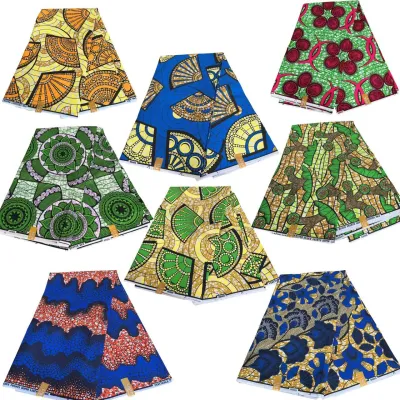
Prices are valid at publication and may change. Please refer to the product page for the latest price.
Polyester is a synthetic, petroleum-based fiber engineered for high durability, resilience, and ease of maintenance. Unlike natural fibers, polyester resists stretching, shrinking, and wrinkling, allowing finished items to retain their original shape and color even after hundreds of wash cycles. Because it is hydrophobic, polyester does not absorb water easily, which makes it quick-drying but also less breathable than natural alternatives, sometimes trapping heat and moisture against the skin. It is also prone to static buildup and can attract oil-based stains, though its sheer strength makes it an invaluable utility fiber.
Linen is one of the oldest known natural textiles, woven from the strong fibers of the flax plant. It is highly prized for its unique, textured surface, natural luster, and unmatched breathability, which allows air to flow freely through the weave. Linen absorbs moisture rapidly and dries quickly, providing a cool, fresh feel that is highly valued for warm-weather apparel and relaxed home textiles. The primary trade-off with linen is its complete lack of elasticity; the flax fibers are stiff, causing the fabric to crease and wrinkle almost immediately upon movement. Rather than a defect, this characteristic wrinkling is widely accepted as part of linen’s relaxed, organic aesthetic.
Key Comparison Dimensions for Your Sewing Project
When evaluating these three materials for a specific project, breathability and moisture management are often the primary considerations for wearable items. Natural fibers like cotton and linen excel in this category because their organic structures allow air to circulate and moisture to evaporate naturally. Linen offers the highest level of airflow due to its thicker fibers and looser weave patterns, while cotton provides reliable, soft absorption. Polyester, by contrast, acts as a barrier to airflow unless it is specifically engineered as a high-tech performance knit, making standard polyester weaves less suitable for close-fitting garments worn in hot environments.

Durability, abrasion resistance, and long-term shape retention represent another crucial dimension where synthetic and natural fibers diverge. Polyester is exceptionally strong, resisting tears, pilling, and abrasion far better than cotton or linen, which makes it the preferred choice for items subjected to heavy friction or frequent laundering. Linen is also incredibly strong—actually becoming stronger when wet—but its lack of flexibility means it can wear down along repeated fold lines or sharp creases over time. Cotton offers moderate durability that is sufficient for everyday wear, but it will eventually show signs of thinning and fading after years of regular use.
The visual and tactile qualities of a fabric—specifically its drape, stiffness, and surface texture—determine how a finished project hangs and feels. Cotton is highly versatile, ranging from the crisp structure of quilting cotton to the soft, fluid drape of cotton voile. Linen possesses a distinct, slightly stiff drape that softens gradually with every wash, lending a structured yet casual silhouette to garments and home decor. Polyester can be manufactured to mimic almost any texture, but it generally has a slicker, smoother hand feel and a more fluid, synthetic drape that lacks the organic weight and grip of natural fibers.
| Fabric Material | Breathability | Durability & Strength | Wrinkle Resistance | Typical Care | Best For |
|---|---|---|---|---|---|
| Cotton | High | Moderate | Low | Machine wash warm, iron as needed | Everyday clothing, bedding, quilting |
| Polyester | Low to Moderate | Very High | High | Machine wash cold, tumble dry low, rarely irons | Activewear, bags, outerwear, utility items |
| Linen | Very High | High (stiff) | Very Low | Machine wash cold, air dry, heavy ironing | Summer wear, curtains, table linens |
Matching Fabric Materials to Specific Project Types
For everyday apparel, sleepwear, and children’s clothing, comfort and skin-friendliness are paramount, making cotton the undisputed standard. Children’s sensitive skin benefits from the soft, non-irritating texture of pure cotton, which also withstands the frequent, high-temperature washing required for kids’ wear. Sleepwear crafted from cotton or cotton-rich blends ensures a comfortable night’s sleep by regulating body temperature and absorbing perspiration. While linen is also an excellent option for relaxed summer shirts and trousers, its tendency to wrinkle heavily makes cotton more practical for casual, low-maintenance daily outfits.
Activewear, outerwear, bags, and high-use utility items demand structural strength and resistance to environmental wear, making polyester the ideal candidate. Backpacks, tote bags, and protective covers sewn from heavy-duty polyester canvas resist tearing and water penetration far better than natural fibers. For athletic apparel, polyester knits provide the necessary stretch, moisture-wicking capabilities, and quick-drying properties required during intense physical activity. Additionally, outerwear like windbreakers and rain jackets rely on polyester’s synthetic barrier properties to protect against wind and light moisture.
Home decor, curtains, and light upholstery projects require careful consideration of drape, light filtration, and aesthetic texture. Linen is highly favored for window curtains because its irregular flax slubs create a beautiful, filtered light effect when sunlight passes through the weave. It also adds an elegant, organic texture to tablecloths, napkins, and decorative cushion covers. For high-traffic home items like sofa slipcovers or dining chair cushions, a heavy cotton duck fabric or a polyester-cotton blend is often more practical, offering a balance of natural texture and enhanced stain and wear resistance.
Budgeting and Sourcing Considerations in Singapore
Navigating fabric costs and sourcing in Singapore requires a clear understanding of material value and composition. Generally, linen commands the highest premium, with prices reflecting the labor-intensive harvesting and weaving processes of flax. Cotton occupies a broad mid-range tier, where utility quilting cottons are highly affordable, while premium long-staple varieties like Egyptian or Pima cotton cost significantly more. Polyester is almost always the most budget-friendly option, making it highly attractive for large-scale projects, mock-ups, or lining materials where cost efficiency is a priority.
To achieve a balance between performance and budget, blended fabrics such as poly-cotton or linen-cotton are widely available in local textile shops and online marketplaces. A poly-cotton blend combines the breathability of cotton with the wrinkle resistance and durability of polyester, often at a lower price point than pure cotton. Similarly, a linen-cotton blend offers the characteristic texture and drape of linen but with reduced wrinkling and a softer feel out of the box, making it an excellent compromise for apparel projects.
When sourcing fabrics locally in Singapore or ordering from online marketplaces, it is vital to verify the material composition rather than relying solely on descriptive product titles. Many listings use terms like “linen-look” or “cotton-feel” to describe entirely synthetic polyester fabrics designed to mimic natural textures. Always check the fiber content label or product specifications for exact percentages, such as 100% cotton or 60% cotton and 40% polyester. If shopping in physical textile stores, perform a simple drape check by letting the fabric hang over your hand to observe its weight, and run your fingers across the surface to check for weave consistency and fiber quality.
Decision Framework: Which Fabric Should You Choose?
To finalize your fabric selection, evaluate your project against a clear, condition-based framework rather than searching for a single superior material. Choose cotton if your primary goals are skin comfort, ease of sewing, breathability, and simple home laundering. Cotton is highly forgiving for beginners because it does not slip or stretch excessively under the sewing machine needle, making it the perfect medium for learning and everyday utility items.
Opt for polyester if your project must withstand heavy wear, resist wrinkling, dry quickly, or fit within a tight budget. Polyester is the logical choice for items that will be packed into bags, worn during exercise, or exposed to outdoor elements where natural fibers would quickly degrade or mildew. It is also the preferred option when you want to minimize ironing and maintenance after washing.
Select linen if you want to create high-end, breathable garments or home textiles with a distinct, organic texture and a relaxed drape. Linen is unmatched for hot-weather clothing, offering a cool wearing experience that synthetic fibers cannot replicate. Accept that linen will wrinkle, and embrace this characteristic as part of the fabric’s natural charm and sophisticated aesthetic.
Before purchasing any blended fabric, verify the exact fiber ratio to ensure it aligns with your project’s functional needs. A blend with a high polyester content will behave more like synthetic fabric, offering great durability but less breathability, while a blend dominated by natural fibers will retain more softness and airflow. Testing a small swatch by washing and ironing it before committing to a bulk purchase is always the safest way to guarantee the material behaves exactly as expected.
Frequently Asked Questions (FAQ)
Can I mix cotton, polyester, and linen in the same sewing project?
Yes, you can mix these fabrics in a single project, but you must account for their different shrinkage rates, drape qualities, and care requirements. Natural fibers like cotton and linen shrink significantly during their first wash, whereas synthetic polyester does not shrink at all. To prevent your finished seams from puckering or distorting, you must thoroughly pre-wash and dry all natural fabric components before cutting and sewing them alongside polyester. Additionally, ensure the weights of the different fabrics are compatible so that heavier materials do not pull or distort lighter, more delicate sections of the project.
How do I verify the fabric material composition before buying in bulk?
The most reliable way to verify fabric composition is to check the manufacturer’s official fiber content label or request a small physical swatch for testing. If you have a swatch, you can perform a safe burn test outdoors or in a well-ventilated area over a fireproof surface. Pure cotton and linen are plant fibers that burn with a steady yellow flame, smell like burning paper, and leave behind a soft, grey ash. Polyester, being synthetic plastic, melts and shrinks away from the flame, produces a chemical smell, and leaves behind a hard, dark, uncrushable bead of plastic.
Community discussion
Share your experience or ask a question. Comments are reviewed before publication.