
Finding the right countdown calendar in Singapore requires looking beyond attractive cover designs to evaluate how a planner’s physical construction matches your daily routine. Whether you are counting down to a major academic milestone like the O-Levels, tracking a fitness goal, or preparing for a wedding, the ideal calendar must withstand daily handling and accommodate your preferred writing instruments. Because Singapore’s humid climate can affect paper texture and ink drying times, selecting a brand with high-quality binding and resilient paper is essential. By focusing on structural durability, layout functionality, and paper specifications, you can confidently choose a countdown calendar that keeps you motivated from day one to the final milestone.
Define Your Countdown Goal and Format
Before comparing different stationery brands, you must clarify the specific tracking task you want to accomplish. Countdown calendars generally fall into two distinct categories: fixed-date event trackers and flexible habit-tracking systems. A fixed-date tracker is designed for a single, non-negotiable deadline, such as a project launch, a wedding, or an exam. These calendars typically feature a descending numerical sequence (e.g., 100 days to 1) and require a layout that emphasizes the remaining time. In contrast, flexible habit-tracking countdowns are built to help you establish routine behaviors over a set period, such as a 30-day fitness challenge or a 90-day language learning habit.
You must also distinguish between seasonal advent calendars and blank countdown planners. Seasonal advent calendars are traditionally fixed to a 24-day or 25-day format, often featuring pre-filled compartments, perforated doors, or craft-based surprises. While these are excellent for holiday gifting and family traditions, they offer very little flexibility for custom timelines. Blank countdown planners, on the other hand, feature undated grids or customizable pages that allow you to define your own start date and duration.
Products mentioned in this guide
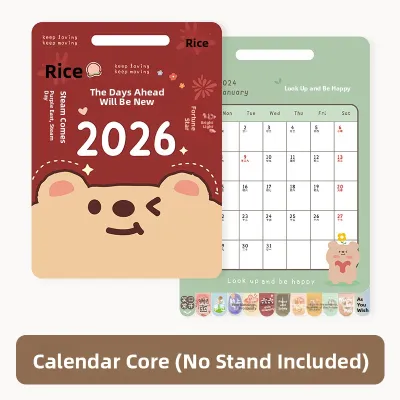
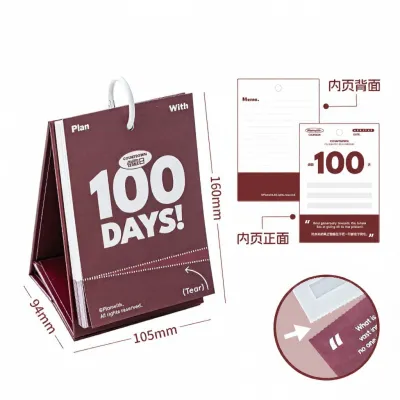
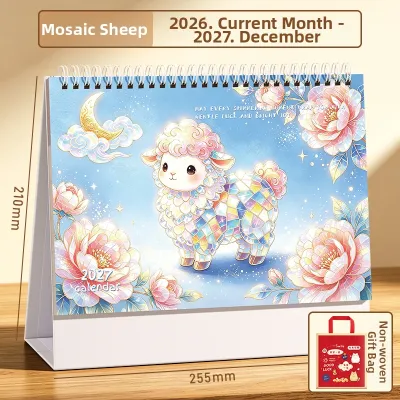
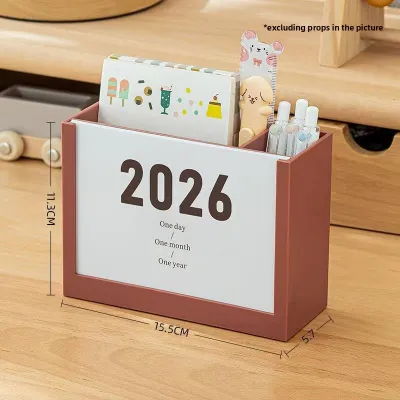

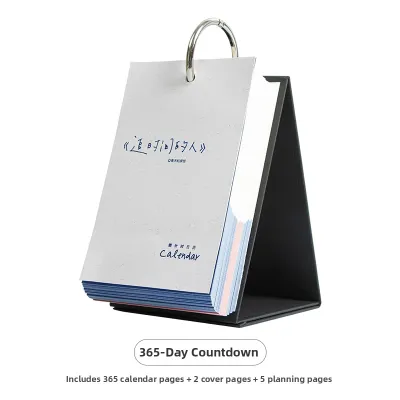
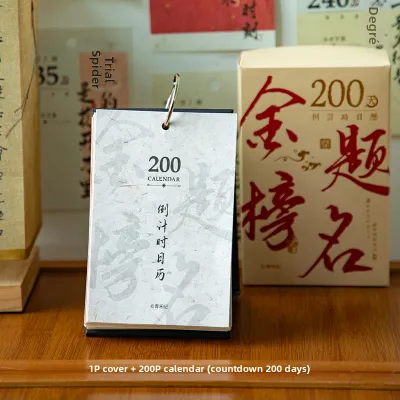
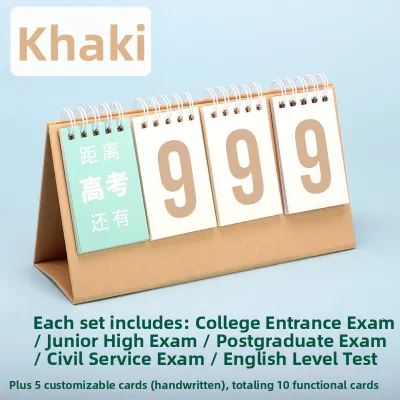
Prices are valid at publication and may change. Please refer to the product page for the latest price.
Defining your primary use case—whether it is personal motivation, a thoughtful gift, or a shared family tracking tool—will immediately narrow down your brand search. For personal productivity, you will want to prioritize brands that offer structured layouts with ample writing space. If you are purchasing a calendar as a gift, aesthetic appeal, premium packaging, and interactive elements like tear-away pages or gold-foil accents become much more important. For family tracking, a large-format wall calendar with highly visible numbers and durable paper is the most practical choice.
Evaluate Paper Quality and Binding Durability
The physical construction of a countdown calendar determines how well it will survive daily use on your desk or in your bag. When evaluating different brands in Singapore, paper weight and opacity should be your primary considerations. Paper weight is measured in grams per square meter (GSM). For a calendar that you will write on daily, look for brands that specify a paper weight of at least 100 GSM, though 120 GSM or higher is preferred if you plan to use fountain pens, wet gel inks, or heavy highlighters.

To check for bleed-through and ghosting risks when physical specifications are not fully detailed, you can perform a simple visual inspection. Hold the calendar page up to a bright light source; if you can clearly see the outline of the printing on the reverse side, the paper is highly likely to suffer from ghosting when you write on it. In Singapore’s humid environment, paper tends to absorb moisture from the air, which can exacerbate ink feathering and slow down drying times. Choosing a brand that uses coated or highly compressed wood-free paper can help mitigate these issues, ensuring your daily entries remain sharp and legible.
Binding durability is another critical factor that varies significantly between stationery brands. Wire-o and spiral bindings are highly popular for desktop countdown calendars because they allow the pages to turn a full 360 degrees and lay completely flat. This is particularly useful when you need to write quick daily updates without holding the pages down. However, ensure the wire is made of a thick, coated metal that will not easily bend or warp when packed into a bag. Thread-sewn bindings offer a classic, book-like feel and excellent durability, but you must verify that the binding is designed to lay flat when open; otherwise, writing near the inner margins can become frustrating.
Finally, assess the layout usability and physical dimensions of the calendar. Consider where the calendar will live: will it sit permanently on your office desk, hang on a kitchen wall, or travel with you in a daily commute bag? Ensure the daily boxes are large enough to accommodate your handwriting and any brief notes you need to make. Look for brands that leave generous margin spaces or include dedicated notes sections, allowing you to jot down weekly reflections or adjust your goals as the countdown progresses.
Choose a Design Style That Fits Your Routine
Stationery brands design their countdown calendars around specific user experiences, ranging from ultra-minimalist productivity tools to highly decorative, interactive art pieces. Selecting a style that aligns with your daily habits ensures that updating the calendar remains an enjoyable routine rather than a chore.
Minimalist and Functional Layouts
Minimalist countdown calendars focus entirely on utility, offering clean grid structures, monochrome color palettes, and a complete absence of decorative distractions. These layouts are ideal for users who prefer a highly customized tracking system, as the generous blank space allows you to use your own color-coding systems, stickers, or sketches.
When exploring minimalist brands, look for those that feature undated daily boxes. This design choice gives you the freedom to start your countdown at any point in the year without wasting pages. The lack of pre-printed dates also means you can easily pause and resume your tracking if your schedule changes, making these calendars highly cost-effective and adaptable to unpredictable project timelines.
Illustrated and Interactive Designs
If you require visual stimulation to stay motivated, illustrated and interactive countdown calendars are an excellent choice. These brands often collaborate with independent artists to feature thematic illustrations, vibrant color schemes, and premium cover materials like textured linen or embossed cardstock.
Interactive elements can significantly enhance the countdown experience. Look for brands that incorporate perforated tear-away pages, which provide a satisfying physical action to mark the completion of each day. Other interactive features include integrated sticker sheets for marking milestones, hidden motivational quotes behind scratch-off panels, or small compartments for holding daily rewards. Keep in mind, however, that highly decorative designs often sacrifice writing space to accommodate artwork, so you must balance your need for visual appeal with the practical requirements of your daily notes.
Productivity and Goal-Tracking Formats
For those who want to integrate their countdown with a broader personal development plan, productivity-focused formats are highly effective. These calendars do not merely count down the days; they actively guide you through the process of achieving your goal.
When evaluating these brands, check for integrated habit-tracking grids, milestone breakdown sections, and structured weekly or monthly review prompts. These features help you translate a large, intimidating goal into manageable daily action items. Ensure the layout provides a clear visual hierarchy, with a dedicated, prominent space for the countdown number alongside structured lines for your daily tasks, preventing your notes from becoming cluttered or unreadable.
Verify Specifications Before You Buy
Because countdown calendars are highly tactile products, verifying their specifications before making a purchase is crucial, especially when shopping online. Start by cross-referencing the product descriptions on the official brand website with the listings on local online marketplaces. Pay close attention to the exact physical dimensions (such as A5, A4, or custom desktop sizes) and the total page count to ensure the calendar matches your expectations and workspace limitations.
Always verify the paper specifications directly from the manufacturer’s official product details. Look for explicit mentions of paper weight (GSM) and paper type, such as acid-free or FSC-certified paper. If a listing on an online marketplace lacks these details, do not hesitate to ask the seller for clarification or search for independent customer reviews that describe the paper’s texture and thickness.
Additionally, carefully review the return and exchange policies of the retailer or online store before finalizing your purchase. Physical defects can occasionally occur during manufacturing or shipping, such as misaligned printing, missing or duplicated pages, or damaged spiral bindings. Whether you are investing S$15 on a simple desktop tracker or over S$50 on a premium imported planner, checking these policies beforehand protects your investment and ensures you receive a flawless product to begin your countdown journey.
Frequently Asked Questions (FAQ)
Can I repurpose a seasonal advent calendar for a custom event?
Repurposing a traditional seasonal advent calendar for a custom event can be challenging due to its rigid structural design. Most advent calendars are pre-printed with specific dates (usually December 1 to 24 or 25) and often feature themed graphics or pre-filled compartments that do not align with personal milestones like exams or weddings. If you attempt to use one for a custom timeline, you may find yourself skipping days or dealing with irrelevant themes, which can disrupt your tracking momentum. For custom events, it is highly recommended to choose a dedicated, undated countdown planner or a blank grid tracker, which allows you to define your own start date, duration, and milestones without structural constraints.
How can I test paper quality before committing to a full countdown?
If you are unsure how your favorite pens will perform on a new countdown calendar, you can perform a simple, low-risk paper test before writing on the main pages. Find an inconspicuous area, such as the very last page, an inside cover flap, or a small corner of a notes page, and apply a few strokes of the pens, markers, or highlighters you plan to use daily. Observe whether the ink feathers (spreads out along the paper fibers), bleeds through to the other side, or creates a heavy shadow (ghosting). If the paper shows signs of bleeding or slow drying times, consider switching to quick-dry gel pens, fine-tip ballpoints, or high-quality pencils, which are much gentler on thinner or more absorbent paper types.

Community discussion
Share your experience or ask a question. Comments are reviewed before publication.