
The key differences between cotton, polyester, linen, and silk lie in their fiber origin, breathability, drape, and sewing difficulty. Cotton and linen offer high breathability and structural stability, making them forgiving for beginners. Polyester provides durability and wrinkle resistance but requires careful heat management. Silk delivers unmatched luxury and fluid drape but demands advanced handling techniques. Choosing the right fabric cloth depends on matching these physical properties to your project’s structural needs and your sewing experience.
Comparing the Core Traits of Cotton, Polyester, Linen, and Silk
Before cutting into any fabric cloth, understanding how different fibers behave under your hands and presser foot is essential. Natural fibers like cotton, linen, and silk interact with moisture, heat, and needles in fundamentally different ways than synthetic polyester. These differences dictate not only how comfortable the finished item will be but also how much patience you will need during construction.
When evaluating these materials, look closely at their structural stability. Stable fabrics stay put on the cutting table, while slippery fabrics shift easily, making pinning, marking, and feeding the material through a sewing machine vary from effortless to highly technical.
Products mentioned in this guide
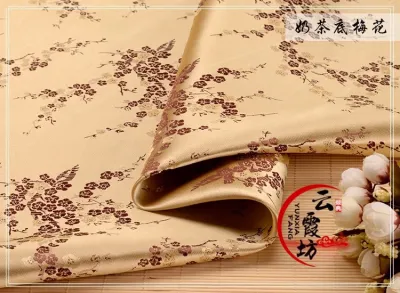
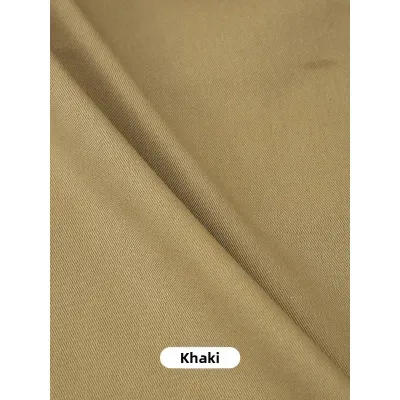
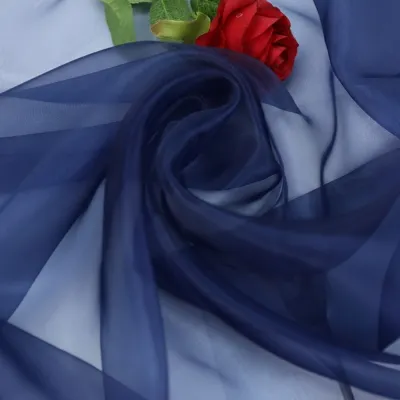
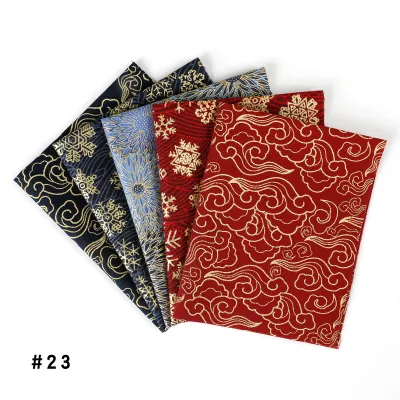
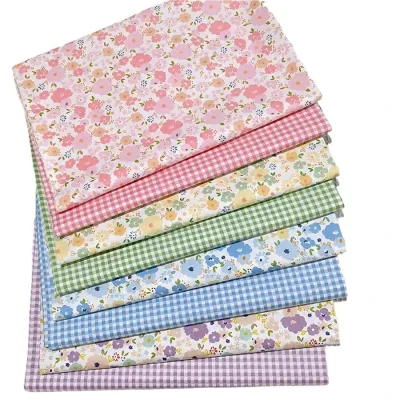
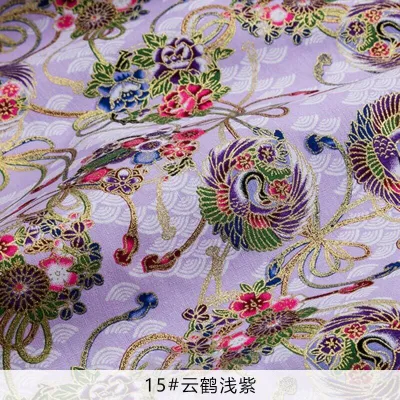
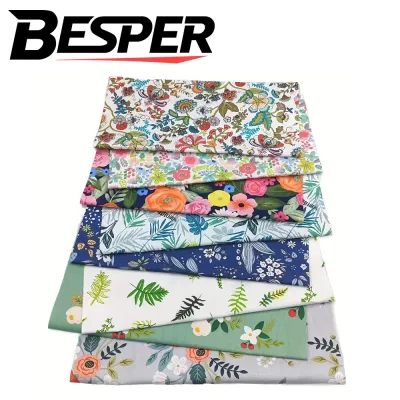
Prices are valid at publication and may change. Please refer to the product page for the latest price.
Cotton: Breathable and Beginner-Friendly
Cotton is widely considered the most accessible fabric cloth for sewing. Derived from the cotton plant, this natural fiber is highly breathable and absorbent, making it comfortable for daily wear. Its fibers have a natural matte texture that grips well, meaning layers of cotton rarely slip when stacked on a cutting mat.
For beginners, cotton is highly forgiving because it responds beautifully to pinning and pressing. When you press a seam in cotton, it holds a sharp crease, simplifying tasks like folding hems and matching seams. It does not stretch out of shape easily during handling, allowing for precise cutting and straightforward stitching with a standard universal needle.
However, cotton is prone to wrinkling and can shrink during its first wash. Always check labels for specific weave variations, as a stiff quilting cotton behaves very differently from a lightweight cotton voile.
Polyester: Durable and Wrinkle-Resistant
Polyester is a synthetic fabric cloth manufactured from polymer fibers, offering high durability and ease of maintenance. Unlike natural fibers, polyester is highly resistant to wrinkling, stretching, and shrinking. This makes it excellent for items that undergo frequent laundering or require a smooth appearance without constant ironing.
Despite these benefits, sewing with polyester introduces unique handling challenges. The synthetic fibers can be slippery, causing layers to shift during cutting. To prevent this, you may need to use fine pins or a walking foot on your sewing machine. Additionally, polyester can dull needles faster than natural fibers, and using an incorrect needle often leads to skipped stitches.
Another critical consideration is polyester’s sensitivity to heat. Because it is a plastic-based material, a hot iron can melt the fibers. When pressing seams, lower your iron’s temperature setting and use a pressing cloth to protect the surface.
Linen: Textured and Highly Absorbent
Linen is a natural fabric cloth made from flax fibers, celebrated for its distinctive textured appearance and exceptional breathability. It features characteristic irregularities in the yarns, known as slubs, which give the material an organic look. Linen is highly absorbent and quickly wicks moisture away, making it a classic choice for hot-weather apparel.
When first purchased, linen possesses a natural stiffness that softens beautifully with every wash. This initial structure makes linen relatively easy to cut and sew, as it does not slip excessively. However, readers must embrace its prominent wrinkling; linen creases easily, which is part of its natural charm.
One of the primary challenges when sewing with linen is its tendency to fray rapidly. The loose weave means raw edges can quickly disintegrate during handling. To preserve your project, finish all raw edges promptly using a zigzag stitch or by enclosing them within French seams.
Silk: Delicate and Luxurious
Silk is a premium natural protein fiber harvested from silkworm cocoons, renowned for its luxurious luster and fluid drape. It possesses natural temperature-regulating properties, keeping the wearer comfortable in various environments. The way silk moves makes it highly desirable for elegant evening wear and delicate blouses.
However, silk is widely regarded as one of the most challenging fabric cloth materials to sew. Its slippery surface means it slides easily off cutting tables and shifts under the presser foot. To manage this, you must use specialized tools, including ultra-fine pins that will not snag the delicate threads, and brand-new microtex needles. You will also need to adjust your machine’s tension carefully to prevent puckering.
Beyond the sewing machine, silk demands meticulous care. Many silk fabrics are sensitive to water spots and can be ruined by standard laundering. Before purchasing, check the manufacturer’s cleaning instructions to determine if the fabric requires dry cleaning or specialized hand-washing.
Matching Fabric Materials to Your Sewing Projects
Selecting the right fabric cloth requires matching the physical properties of the fiber to the functional demands of your finished item. A mismatch can lead to garments that do not drape correctly or home decor that wears out prematurely.

For everyday garments and quilting, cotton remains the standard choice due to its breathability and ease of washing. If you are sewing structured summer apparel or rustic home accessories like tablecloths, linen provides the perfect balance of breathability and natural body.
When durability or stretch recovery is paramount, polyester is often the practical choice. It is widely used for activewear, outerwear, and durable linings that need to slide easily over other garments. For formal wear and delicate blouses where a fluid drape is desired, silk is unmatched, though it requires a higher investment in both material cost and sewing time.
Consider the climate and lifestyle of the end user when making your final decision. In hot, humid environments, natural fibers like cotton and linen offer superior comfort by allowing air to circulate freely. Conversely, synthetic polyester may trap heat, though it excels in air-conditioned spaces where wrinkle resistance is highly valued.
Essential Checks Before Purchasing Fabric Cloth
Before finalizing your purchase at a local textile shop or through an online marketplace, performing a few essential quality checks can save you from costly mistakes. Always begin by reading the fiber composition and care label. Many fabrics are blends—such as cotton-polyester—which combine the breathability of cotton with the wrinkle resistance of polyester.
If you are shopping in person, conduct a simple tactile and drape test. Unroll a portion of the fabric cloth and let it hang over your hand to observe how it falls. Check the surface under good lighting for any visible flaws, such as uneven dyeing, snags, or off-grain printing where the pattern does not align with the weave. For online purchases, ordering a small swatch beforehand is an excellent way to verify the texture and weight.
Next, confirm that the fabric is compatible with your existing sewing setup. Consider whether you have the correct sewing machine needles, thread types, and presser feet on hand. For instance, lightweight silk requires very fine thread and needles, while heavy linen may require a sturdier needle size to prevent breakage.
Finally, always verify the fabric width, as bolts typically range from 110 cm to 150 cm wide. Ensure the width matches your pattern’s layout requirements so you do not run short of material. Do not forget to check the manufacturer’s pre-wash guidelines; natural fibers like cotton and linen should be pre-washed to account for initial shrinkage before you begin cutting.
Frequently Asked Questions (FAQ)
Can I mix cotton and polyester in the same sewing project?
Yes, you can mix cotton and polyester in the same project, but you must take precautions to prevent distortion. Because cotton shrinks when washed and polyester does not, failing to pre-wash the cotton before sewing can cause the seams to pucker severely during the first wash. Ensure both fabrics have similar weights and drape so one does not overpower the other, and always test your iron temperature on a scrap piece of the mixed materials to avoid melting the polyester sections.
How do I prevent fraying when cutting silk or linen?
To prevent highly fray-prone fabrics like linen and silk from unraveling, use sharp pinking shears to cut your pattern pieces, which creates a zigzag edge that resists fraying. For highly delicate areas, applying a small amount of liquid fray checker along the raw edges can stabilize the threads. When sewing, finish your seams promptly using an overcasting stitch, a zigzag stitch, or a serger, or opt for enclosed seam techniques like French seams to lock the raw edges away safely.
Do I need to pre-wash these fabrics before cutting?
Pre-washing is highly recommended for cotton and linen to remove any residual manufacturing chemicals and to allow the fibers to shrink fully before cutting. Polyester does not shrink significantly, but pre-washing helps remove surface finishes and excess dye. For silk, check the manufacturer’s instructions first; if the silk is labeled dry-clean only, do not wash it in water, as this can permanently alter its texture and luster. Instead, use a dry iron on a low setting to press out any packing creases before cutting.

Community discussion
Share your experience or ask a question. Comments are reviewed before publication.