
Selecting the right fabric is the single most critical decision in any sewing project. The choice between cotton, polyester, and linen shapes how your garment hangs, how easily it passes through your sewing machine, and how comfortable it feels against your skin. Understanding these fundamental materials allows you to match your creative vision with practical performance, ensuring your hand-sewn items stand the test of time and wear.
Cotton: Breathable, Forgiving, and Ideal for Beginners
Cotton is a natural, cellulosic fiber harvested from the seedpods of the cotton plant. It is celebrated worldwide for its exceptional breathability, high moisture absorption, and soft, matte finish. Because the fibers are naturally textured, they cling to one another slightly. This characteristic makes cotton incredibly forgiving for beginners. Unlike slippery synthetics, cotton stays aligned when pinned, does not slip under the presser foot of your sewing machine, and holds a pressed crease with crisp precision.
However, woven cotton lacks natural stretch. Unless it is blended with elastane or knitted into a jersey, a pure woven cotton fabric has no give. When selecting patterns for woven cotton, you must choose designs that incorporate wearing ease, darts, or closures like zippers and buttons to allow for movement.
Products mentioned in this guide
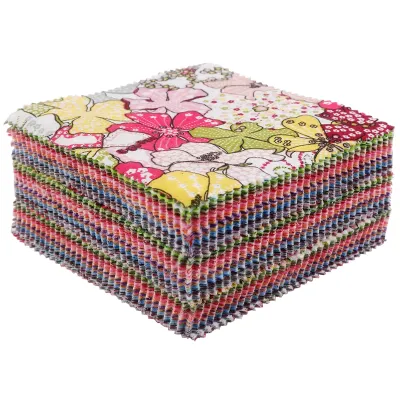
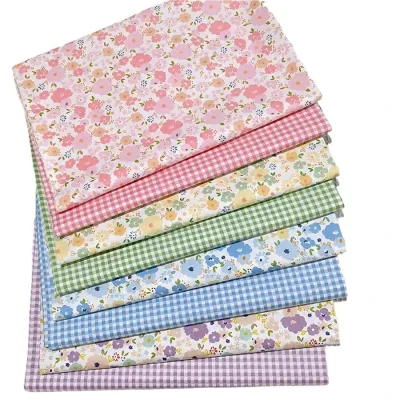
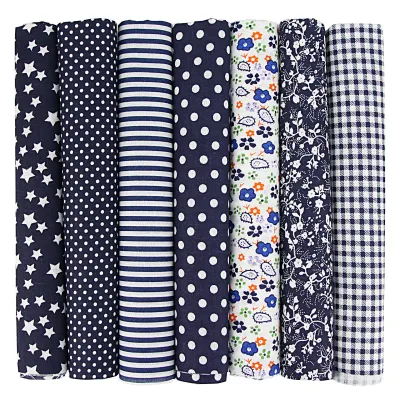
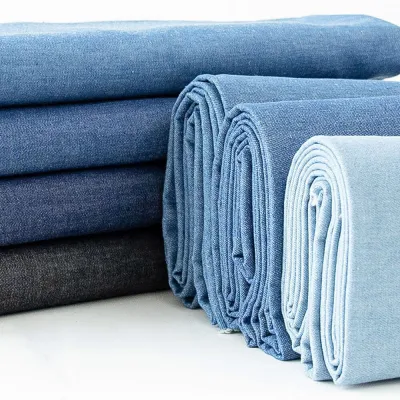
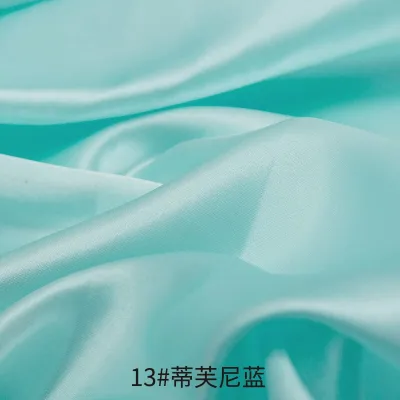
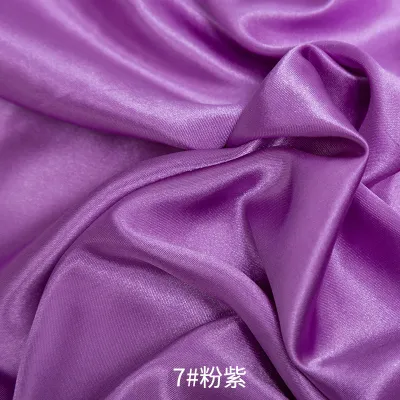
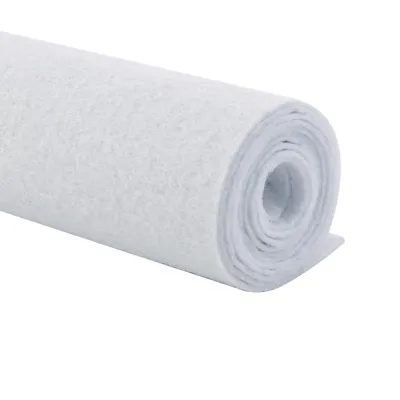
Prices are valid at publication and may change. Please refer to the product page for the latest price.
Shrinkage is another key characteristic of pure cotton. The fibers relax and contract when exposed to water and heat. If you skip pre-washing, a perfectly fitted garment can easily shrink by one or two sizes after its first trip through the laundry.
The behavior of cotton also depends heavily on its weave. Stiff, tightly woven quilting cotton is structured and easy to sew but lacks the fluid drape needed for flowing garments. For garments with movement, look for lightweight weaves like cotton voile, lawn, or poplin, which offer a softer hand while retaining cotton’s characteristic ease of handling. Keep in mind that pure cotton wrinkles easily; you will need to keep your iron hot and ready, pressing every seam as you sew to achieve a professional finish.
Polyester: Durable, Wrinkle-Resistant, and Heat-Sensitive
Polyester is a synthetic, petroleum-based fiber engineered for durability and resilience. It boasts incredible tensile strength, making it highly resistant to tearing, stretching, and abrasion. One of its greatest appeals is its excellent wrinkle resistance and colorfastness; polyester garments rarely require ironing and retain their vibrant hues even after dozens of washes. Because it has low moisture absorption, it dries exceptionally fast, though this also means it can trap heat and sweat, making it feel warm in humid tropical climates like Singapore.

The primary hazard when working with polyester is its extreme sensitivity to heat. Because it is essentially plastic, high iron temperatures can melt, scorch, or leave a permanent, unsightly shine on the surface of the fabric. To prevent this, always test a scrap piece of your fabric first. Use a low to medium heat setting on your iron and place a clean pressing cloth between the iron plate and the fabric.
Many polyester fabrics are woven into lightweight, slippery structures like chiffon, satin, or crepe. These fabrics can be notoriously difficult to control, shifting and sliding out of alignment during cutting and sewing. To combat this, swap your standard sewing pins for extra-fine silk pins or use pattern weights and a sharp rotary cutter on a cutting mat instead of traditional fabric shears.
Your choice of sewing tools must also adapt to polyester’s physical properties. Standard universal needles can cause skipped stitches or pull threads on fine polyester weaves. Instead, use a sharp Microtex needle for woven polyesters, or a ballpoint needle if you are working with a polyester knit. Always sew with high-quality 100% polyester thread, which matches the fabric’s strength and provides a tiny amount of necessary give under tension.
Linen: Crisp, Highly Breathable, and Prone to Fraying
Linen is one of the oldest textiles in human history, woven from the cellulose fibers found inside the stalks of the flax plant. It is renowned for its exceptional breathability and rapid moisture-wicking capabilities, making it the premier choice for staying cool and comfortable in warm, humid climates like Singapore.
Linen possesses a distinct, tactile texture characterized by “slubs”—slight irregularities and thick spots along the yarn that give the fabric its organic, rustic appearance. When brand new, linen has a crisp, slightly stiff hand and a structured drape. However, one of its most beautiful qualities is how it transforms over time: with repeated washing, wearing, and handling, the stiff flax fibers relax, softening into a supple, fluid fabric that drapes elegantly against the body.
Before you pick up your fabric shears, you must address linen’s high shrinkage rate. Flax fibers contract significantly during their first exposure to water, often shrinking by up to 10% in length and width. Pre-washing your linen fabric before cutting is an absolute necessity to avoid ruining your pattern’s sizing.
The loose, breathable weave of linen also makes it highly prone to rapid fraying. As soon as you cut your pattern pieces, the exposed edges will begin to unravel. To manage this, handle your cut pieces as minimally as possible. Applying a line of stay-stitching just inside the seam allowance on curved edges, such as necklines and armholes, will stabilize the fabric during assembly. You must also plan for robust seam finishes. French seams are ideal for lightweight linens, while flat-felled seams or overlocking (serging) work beautifully for medium-to-heavyweight linens, ensuring the interior of your garment remains clean and secure.
How to Choose the Right Fabric for Your Sewing Project
Selecting the ideal fabric requires balancing the aesthetic goals of your project with the physical demands of daily wear. To make an informed decision, you must evaluate how a fabric’s drape, structure, climate suitability, and maintenance requirements align with your pattern.
Drape refers to how a fabric hangs and flows under its own weight. Lightweight cotton lawn and softened linen offer a fluid drape that moves gracefully, making them perfect for gathered skirts and breezy blouses. Conversely, heavy cotton canvas or crisp, unwashed linen provide excellent structure, holding their shape to define the sharp lines of structured trousers, utility jackets, or structured bags.
Fiber content is only one part of the equation; fabric weight and weave play an equally critical role. Fabric weight is typically measured in grams per square meter (GSM). A low-GSM cotton voile (around 70 GSM) behaves entirely differently than a high-GSM cotton duck canvas (over 300 GSM), even though both are made of 100% cotton. Always check the fabric weight specified in your pattern instructions before purchasing.
The table below summarizes how cotton, polyester, and linen compare across key practical metrics:
| Fabric Type | Breathability | Shrinkage Risk | Sewing Difficulty | Ideal Project Types |
|---|---|---|---|---|
| Cotton (Woven) | High | Moderate to High | Low (Beginner-friendly) | Quilting, shirts, casual dresses, children's wear |
| Polyester (Woven) | Low | Very Low | Medium to High (Slippery) | Pleated skirts, evening wear, linings, activewear |
| Linen | Very High | High | Low to Medium (Fraying) | Summer trousers, relaxed blazers, shift dresses, bedding |
When you are ready to purchase your fabric, always verify the bolt width. Standard fabrics typically come in widths of either 110 cm (44 inches) or 150 cm (60 inches). Patterns list yardage requirements based on these standard widths; buying a narrower fabric means you will need to purchase more length to fit all your pattern pieces. Additionally, pay close attention to the print direction or fabric “nap” (such as the directional pile of velvet or the directional weave of certain linens). If your fabric has a directional print or nap, you must cut all your pattern pieces facing the same direction, which requires extra yardage and careful layout planning to avoid upside-down patterns.
Essential Fabric Preparation and Pre-Washing Steps
Proper fabric preparation is the foundation of professional-looking sewing. Skipping these initial steps often leads to warped seams, twisted hems, and garments that shrink unevenly after their first wash. The primary goal of pre-washing is to pre-shrink the fibers and wash away any chemical starches, sizing agents, or excess dyes left behind during manufacturing.
As a general rule, wash your cotton and linen fabrics using the exact same water temperature and cycle settings you plan to use for the finished garment. If you intend to machine-wash and tumble-dry your finished linen trousers, machine-wash and dry the raw fabric before cutting. For polyester, while shrinkage is minimal, pre-washing is still beneficial to remove chemical finishes that can dull your sewing machine needle or cause skipped stitches.
Once washed and dried, your fabric must be pressed flat to ensure accurate cutting. Always refer to the manufacturer’s care instructions or use a safe, fabric-specific heat setting on your iron. Cotton and linen can withstand high heat and heavy steam, which helps smooth out stubborn wrinkles. Polyester, however, requires a cool-to-warm iron with no steam to prevent melting or scorching.
Before pinning your pattern pieces, you must find and align the fabric’s grainline. Fabric is woven with warp threads running parallel to the selvage (the finished edge) and weft threads running perpendicular (the crossgrain). To find the true crossgrain, make a small snip near the selvage and gently pull a single thread across the width of the fabric, then cut along the visible path left by the pulled thread. Alternatively, on loosely woven fabrics like linen or cotton gauze, you can tear the fabric quickly along the crossgrain. Once you have a straight crossgrain, fold the fabric lengthwise, aligning the selvages. If the corners do not align perfectly, gently pull the fabric diagonally from opposite corners to square the grain, ensuring your finished garment hangs straight and does not twist.
Frequently Asked Questions (FAQ)
Can I mix cotton and polyester in the same sewing project?
Yes, you can mix cotton and polyester, but it requires careful planning. Because cotton shrinks and polyester does not, you must pre-wash both fabrics thoroughly before cutting to prevent puckered seams later. Additionally, adjust your iron to a lower polyester-safe temperature during construction, as a hot cotton setting can melt the polyester sections of your project.
How do I prevent linen edges from fraying during sewing?
To minimize linen’s tendency to fray, handle the cut pieces as gently as possible. Run a line of stay-stitching 3mm inside the seam allowance immediately after cutting curved edges. For seam construction, use enclosed finishes like French seams or flat-felled seams, or finish the raw edges immediately using pinking shears, an overlocker (serger), or a zig-zag stitch.
What type of thread should I use for polyester fabric?
When sewing polyester fabric, always use 100% polyester thread. Polyester thread has a slight, built-in elasticity that matches the subtle stretch of synthetic fabrics, preventing the seams from popping when the garment is worn. It also shares the same heat tolerance and washing durability as the fabric, ensuring your seams do not shrink or degrade prematurely.

Community discussion
Share your experience or ask a question. Comments are reviewed before publication.