
Because multiple stationery manufacturers hold Peanuts licensing rights, the paper quality and writing experience of a Snoopy book vary significantly by brand and specific product line. There is no single manufacturer that suits every writer; the ideal choice depends on your primary writing instruments and intended use. Evaluating the technical specifications of the paper and the structural design of the notebook allows you to select a product that matches your specific creative or professional needs.
Identifying Licensed Snoopy Notebook Manufacturers
When shopping for a Snoopy notebook, verifying authenticity is the first step to ensuring a reliable writing experience. Official Peanuts licensing logos are typically printed on the packaging, back covers, or product descriptions. These marks indicate that the product meets the brand standards of the licensor, which often correlates with better manufacturing quality control compared to unlicensed counterfeits.
Different manufacturers approach their Snoopy collaborations with distinct design philosophies. Established Japanese stationery brands often focus on high-grade paper engineering, prioritizing smooth writing surfaces and compatibility with specific ink types. In contrast, local or international lifestyle brands might emphasize cover aesthetics, using vibrant illustrations, textured fabrics, or unique cover materials to appeal to collectors and casual journalers.
Products mentioned in this guide
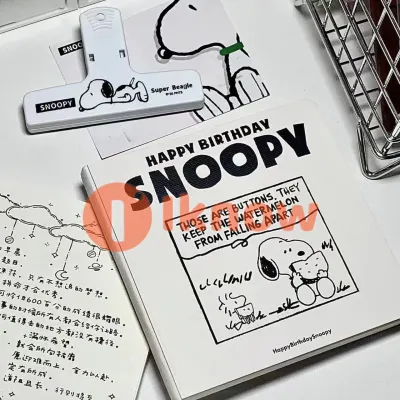
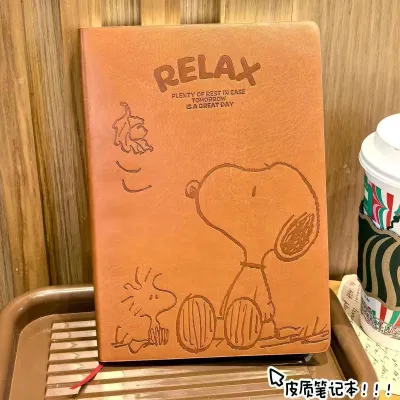
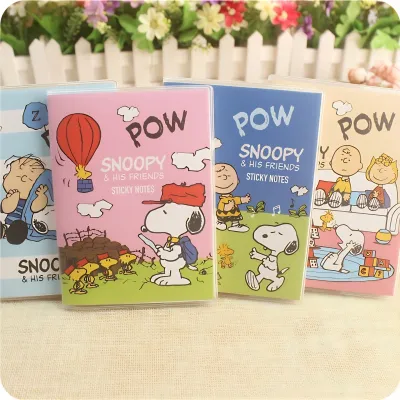
Prices are valid at publication and may change. Please refer to the product page for the latest price.
It is helpful to note that a notebook’s visual design does not automatically indicate its internal paper quality. A minimalist cover might contain premium, fountain-pen-friendly sheets, while a highly illustrated, colorful cover might use standard utility paper. Understanding the manufacturer’s primary target audience—whether they cater to serious writers or casual planners—helps align your expectations with the notebook’s actual performance.
Key Specifications to Check for Paper Quality
To objectively evaluate paper quality without relying on subjective marketing claims, you can check the technical specifications listed on the notebook’s label or product description. The most critical metric is paper weight, measured in grams per square meter (GSM). Standard notebooks typically range from 50 GSM to 120 GSM or higher. A higher GSM generally indicates thicker paper that reduces ink bleed-through and ghosting, making it suitable for wet inks. Conversely, a lower GSM keeps the notebook lightweight and highly portable, which is ideal for carrying around Singapore’s humid environment where heavy bags can be cumbersome.

Paper color and finish also play a significant role in visual comfort and writing feedback. Bright white paper provides high contrast, making ink colors pop, which is excellent for detailed color-coding or sketching. Cream or off-white paper, however, absorbs more light and reduces eye strain during long writing or reading sessions under bright study lamps.
Additionally, look for specific material treatments if you have long-term preservation goals. Acid-free paper resists yellowing and degradation over time, making it essential for archival journaling or keeping permanent records. If environmental impact is your priority, look for certified recycled paper or sustainably sourced wood pulp, keeping in mind that recycled fibers can sometimes introduce a unique texture and slightly different ink absorption characteristics.
Matching Paper Types to Your Writing Tools
The interaction between your writing instrument and the paper surface determines the overall smoothness and legibility of your work. Fountain pens and other wet-ink instruments require robust paper to perform well. For these tools, look for higher GSM paper with a smooth, coated, or tightly woven finish. This prevents feathering—where ink spreads along the paper fibers—and bleed-through, ensuring clean lines on both sides of the page.
Gel and ballpoint pens are generally more forgiving and function reliably on most standard notebook papers. However, a smooth, satin-like finish can significantly enhance the gliding experience, reducing hand fatigue during rapid note-taking. If you use fine-tip gel pens, a denser paper surface prevents the fine metal tip from scratching or digging into the fibers.
For those who prefer pencils, colored pencils, or charcoal, paper with a slight “tooth” or texture is necessary. The micro-texture of the paper acts as an abrasive, grabbing and holding the graphite or pigment particles. Extremely smooth or coated papers may cause pencil marks to slide, resulting in faint lines and excessive smudging.
Evaluating Binding, Layout, and Usability
Beyond the paper itself, the structural design of a Snoopy notebook dictates how comfortable it is to use daily. Binding styles are a primary consideration. Lay-flat bindings, such as thread-sewn or section-sewn designs, allow the notebook to open completely flat on a desk. This provides an unobstructed writing surface across the gutter, which is highly beneficial for left-handed writers and those who utilize two-page spreads. Spiral or wire-o bindings allow you to fold the notebook completely back on itself, saving desk space, though the metal or plastic coils can sometimes interfere with your hand placement.
The inner page format should match your organizational style. Ruled pages are standard for linear note-taking and journaling. Grid or dot-grid formats offer subtle guidelines that assist with both writing alignment and sketching, making them popular for bullet journaling. Blank pages offer complete freedom for unrestricted drawing, mind mapping, or mixed-media work.
Consider practical usability features that protect your work. An elastic closure band keeps the notebook securely shut inside a bag, preventing pages from crumpling. Built-in ribbon bookmarks help you quickly locate your current page, while perforated sheets allow you to tear out notes cleanly without damaging the notebook’s binding.
How to Test and Verify Before Committing
If you plan to purchase multiple notebooks or buy in bulk for a school semester or office use, testing a single unit first is a practical way to verify performance. You can conduct a simple ink test on a back page using your daily writing tools. Observe how quickly the ink dries, as high humidity in Singapore can sometimes prolong drying times on heavily coated papers. Check the reverse side of the page for any signs of ghosting or bleed-through.
Inspect the physical build quality of the notebook upon receipt. Check the precision of the edge cutting and the alignment of the printed lines or grids. Examine the durability of the cover material and the strength of the binding by gently flexing the spine to ensure pages do not loosen easily.
When shopping online, read verified user reviews on online marketplaces or stationery forums. Look specifically for feedback from users who mention the exact pens they use. This real-world feedback can provide valuable insights into how the paper behaves under different writing conditions, helping you make an informed decision before committing to a purchase.
Frequently Asked Questions (FAQ)
Are Snoopy notebooks suitable for fountain pen users?
Whether a Snoopy notebook is suitable for fountain pens depends entirely on the paper specifications provided by the specific manufacturer, rather than the Peanuts licensing itself. Some licensed brands use premium, ink-resistant paper that handles wet inks beautifully without feathering. Always check the product details for fountain-pen-friendly indicators or high-density paper descriptions, and perform a small test on an inconspicuous page before writing extensively.
Why do some Snoopy notebooks cost significantly more than others?
Price variations among Snoopy notebooks in Singapore are primarily driven by the manufacturer’s brand positioning, paper sourcing, and construction materials. Notebooks featuring imported premium paper, complex thread-sewn bindings, or durable hardcovers generally command a higher price in S$. Additionally, limited-edition design collaborations, special packaging, and exclusive retail distribution rights can also influence the final retail cost.

Community discussion
Share your experience or ask a question. Comments are reviewed before publication.