
Finding the ideal paper quality in a Snoopy journal depends entirely on matching the notebook’s technical specifications to your preferred writing tools. Because Peanuts licensing spans a wide array of stationery manufacturers, the paper inside these themed journals can range from ultra-smooth, fountain-pen-friendly sheets to standard, absorbent utility paper. There is no single universal “best” brand; rather, the right choice is the one that prevents your specific ink from feathering or bleeding while providing the tactile feedback you prefer.
To make an informed decision, you must look past the charming cover illustrations of Snoopy, Woodstock, and the Peanuts gang. Evaluating the paper’s weight, surface texture, and manufacturing origin will help you predict how it handles different pens. By understanding these core paper characteristics, you can confidently select a licensed journal that is as delightful to write in as it is to look at.
Decoding Paper Specs in Licensed Snoopy Notebooks
The market for Snoopy-licensed stationery is highly diverse, split between dedicated paper manufacturers and general lifestyle brands. Dedicated stationery manufacturers often integrate licensed Peanuts artwork into their existing, high-grade paper lines. These brands prioritize the writing experience, using proprietary paper formulas designed to resist ink penetration and minimize texture irregularities.
Products mentioned in this guide
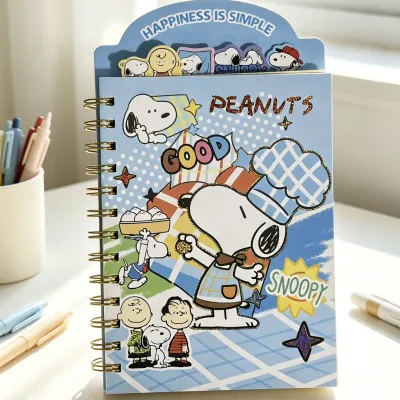
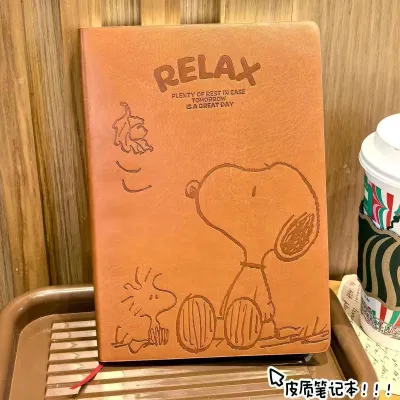
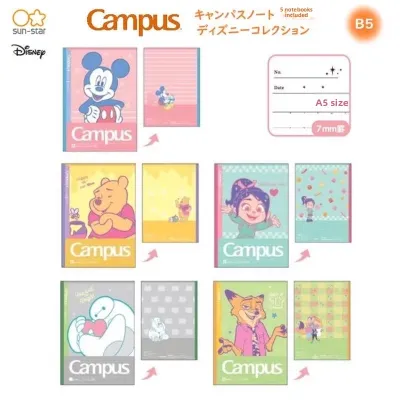
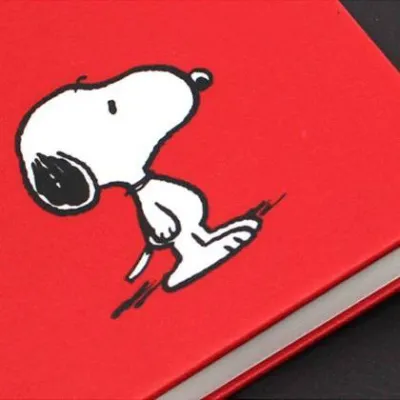
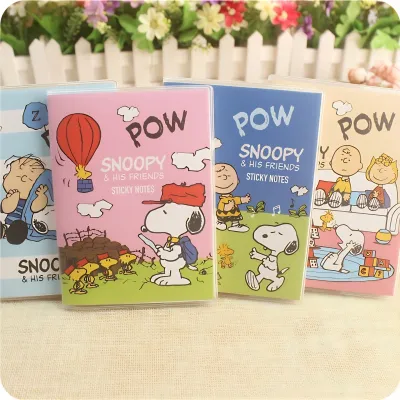
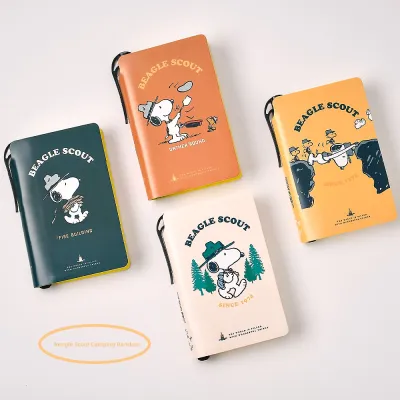
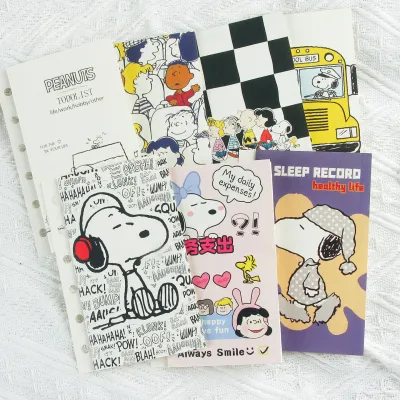
Prices are valid at publication and may change. Please refer to the product page for the latest price.
Conversely, general merchandise or novelty gift brands frequently produce Snoopy journals where the primary focus is visual design and collectibility. These notebooks may use standard, mass-market paper stocks that are perfectly adequate for quick notes with ballpoint pens but may struggle under the heavy ink flow of gel pens or fountain pens. Recognizing this distinction is the first step in avoiding disappointment when you open your new journal.
To identify what lies beneath the cover, look for technical specifications on the product packaging, retail listings, or the manufacturer’s official website. Reputable paper goods manufacturers almost always list the paper weight, sheet count, and surface treatment. If a product listing only uses vague marketing terms like “premium quality paper” or “thick sheets” without providing concrete numbers, it is highly recommended to treat those claims with caution and seek out user reviews or physical samples.
Key Paper Dimensions That Affect Your Writing
To evaluate any Snoopy journal, you must understand the physical properties of paper that dictate how it interacts with ink and pressure. The most critical specification to look for is paper weight, measured in grams per square meter (GSM). Standard notebook paper typically ranges from 70 GSM to 120 GSM or higher. Lower-weight papers (70 to 80 GSM) are thinner and lighter, making them highly portable but more susceptible to ghosting—where writing is visible on the reverse side of the page—and direct ink bleed-through. Higher-weight papers (100 to 120 GSM) offer greater opacity and structural integrity, allowing you to write on both sides of the page with minimal visual interference.

The surface finish of the paper is another essential dimension that dictates the tactile feel of your pen. Coated papers have a thin treatment applied to the surface that seals the fibers, preventing ink from soaking rapidly into the page. This coating keeps ink crisp, preserves vibrant colors, and allows specialty inks to show off properties like shading or sheen, though it does extend drying times. Uncoated papers, often referred to as having a “toothy” texture, have exposed fibers that absorb ink quickly. This absorption results in faster drying times, which is excellent for left-handed writers, but it can cause wet inks to spread out or “feather” along the fibers.
Finally, consider the color of the paper, which typically ranges from bright white to warm cream or off-white. Bright white paper provides maximum contrast, making ink colors pop vividly, but it can cause eye strain during long writing or journaling sessions under bright lights. Cream and off-white papers offer a softer, more classic aesthetic that is gentler on the eyes. However, the warm undertones of cream paper can slightly alter the appearance of your ink colors, making cool blues and purples look somewhat warmer or more muted.
Matching Paper Finishes to Your Preferred Pens
Your choice of writing instrument should directly dictate the paper specifications you seek in a Snoopy journal. If you write primarily with fountain pens, dip pens, or wet rollerballs, you require paper that can handle a high volume of liquid ink. Look for journals featuring high-GSM paper (ideally 80 GSM to 100 GSM from specialized stationery manufacturers) with a smooth, highly sized or coated finish. This combination prevents the ink from soaking through the page or spreading sideways, ensuring your handwriting remains sharp and legible.
For writers who prefer gel pens and standard rollerballs, the balance shifts toward drying speed and smoothness. Gel inks are highly pigmented and can smudge easily if they sit on top of a heavily coated paper for too long. For these pens, a medium-weight paper (around 80 to 90 GSM) with a semi-smooth or lightly coated finish is ideal. This setup provides enough absorption to dry the ink relatively quickly while remaining smooth enough to prevent the pen tip from skipping or catching on the paper fibers.
If your daily writing tools consist of ballpoint pens, mechanical pencils, or colored pencils, you have the greatest flexibility in paper choice. Ballpoint pens rely on a viscous, oil-based ink that rarely bleeds or feathers, even on thin, low-GSM paper. Pencils perform exceptionally well on uncoated, toothy paper, as the rough texture of the fibers acts like a grater to pull graphite from the pencil core. For these dry media, a standard 70 to 80 GSM uncoated paper is perfectly sufficient and often provides a more satisfying tactile feedback than ultra-smooth, coated alternatives.
How to Verify Paper Quality Before You Buy
When shopping for a Snoopy journal online, you must rely on careful observation to verify paper quality before making a purchase. Begin by searching the product description for specific technical terms rather than generic praise. Look for explicit mentions of GSM ratings, acid-free certifications (which ensure the paper will not yellow or degrade over time), and the country of origin. Paper manufactured in countries with long-standing stationery traditions, such as Japan or Germany, often adheres to stricter quality control standards regarding surface consistency and ink resistance.
User reviews on ecommerce platforms and specialty stationery forums are invaluable resources for assessing real-world performance. Search these reviews specifically for keywords like “fountain pen,” “bleed-through,” “ghosting,” “smudge,” or “drying time.” Other stationery enthusiasts frequently post photos of pen tests, showing exactly how different inks behave on the journal’s pages. If you notice multiple complaints about ink bleeding through to the back of the page, it is a clear sign that the paper is best reserved for ballpoints and pencils.
If you have the opportunity to shop in physical retail stores, such as stationery boutiques or department stores in Singapore, take the time to inspect any open display samples. Feel the texture of the paper between your fingers to assess its smoothness and thickness. Hold a page up to the store lighting to judge its opacity; if you can clearly see the outline of your hand through the sheet, the paper will likely suffer from significant ghosting. Additionally, open the journal to the middle pages to check the binding. A high-quality journal should lay relatively flat when opened, allowing you to write comfortably across the entire surface without fighting a stiff spine.
Decision Framework: Choosing Your Ideal Snoopy Journal
To finalize your choice, use a structured decision framework based on your primary writing style and tools. If your journaling routine involves fountain pens, wet inks, or creative markers, prioritize Snoopy journals produced by established stationery brands that explicitly state their paper specifications. Look for a minimum of 80 GSM with a smooth, coated finish to ensure your ink behaves beautifully without bleeding.
If you prefer the convenience of ballpoint pens, gel pens, or pencils, you can safely prioritize cover design, binding style, and page layout over high-end paper specifications. A standard 70 to 80 GSM uncoated journal will serve your needs perfectly well, giving you access to a wider variety of whimsical Snoopy cover designs and formats without paying a premium for specialized paper.
Finally, if you encounter a Snoopy journal with an irresistible cover design but absolutely no listed paper specifications, proceed with caution. Assume the paper is standard utility grade, and plan to use it primarily with ballpoint pens or pencils. If you still wish to use gel pens or fountain pens in such a journal, consider performing a small, discreet pen test on the very last page before committing to your main writing entries.
Frequently Asked Questions (FAQ)
Does a higher page count mean better paper quality?
No, a higher page count does not correlate with superior paper quality. In fact, to keep a notebook from becoming excessively thick, heavy, and difficult to carry, manufacturers often use thinner, lower-GSM paper in high-page-count journals. While this allows you to fit more entries into a single volume, the thinner paper is much more likely to experience ghosting and ink bleed-through, making it less suitable for wet inks or double-sided writing.
Are Snoopy journals from premium stationery brands always better?
While established stationery brands generally maintain high standards for their paper, you should not assume that every licensed edition is identical to their standard product lines. Occasionally, brands may adjust paper specifications or sourcing for special licensed collaborations to manage production costs or accommodate unique printing requirements. Always verify the specific model’s listed paper weight and finish rather than relying solely on the brand name’s reputation.

Community discussion
Share your experience or ask a question. Comments are reviewed before publication.