
Finding the ideal passport notebook is as much about the paper inside as it is about the compact cover that protects your thoughts on the go. Because these pocket-sized companions are designed for portability, manufacturers must make careful trade-offs between paper thickness, page count, and ink compatibility. There is no single universal winner when it comes to paper quality; instead, the best choice depends entirely on how the physical properties of the paper interact with your preferred writing instruments. By evaluating core dimensions such as paper weight, surface sizing, and texture, you can select a passport notebook that fits seamlessly into your daily writing routine.
Key Paper Characteristics to Evaluate
To make an informed choice, you must first understand the physical properties of paper and how they dictate writing performance. The most visible specification is paper weight, measured in grams per square meter (GSM). In a compact passport format, GSM directly influences both the thickness of the notebook and its opacity. A higher GSM typically means thicker, more opaque pages that resist ink show-through, but it also results in a bulkier notebook with fewer pages. Conversely, lightweight papers allow for a high page count in a slim profile, but they require advanced manufacturing techniques to remain usable with wet inks.
Beyond weight, surface sizing and coatings play a critical role in how paper handles ink. Sizing refers to chemical additives applied during manufacturing to control the paper’s absorbency. Unsized paper acts like a sponge, drawing ink deep into its fibers, which leads to feathering—where the edges of your writing look fuzzy—and bleed-through to the other side of the page. Heavily sized or coated papers resist water penetration, keeping the ink on the surface. This preservation of the ink line results in crisp, sharp writing and allows specialized ink properties like shading and sheen to stand out, though it often extends drying times.
Products mentioned in this guide

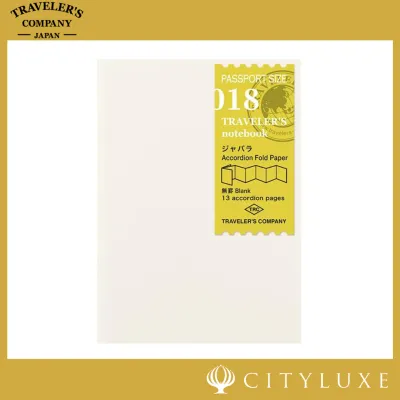
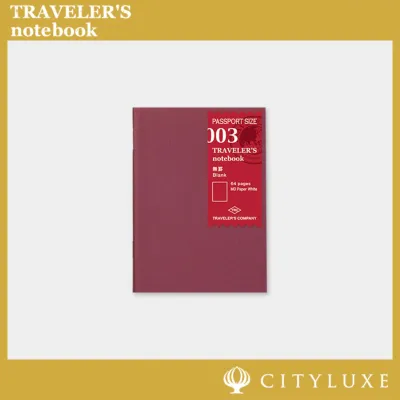
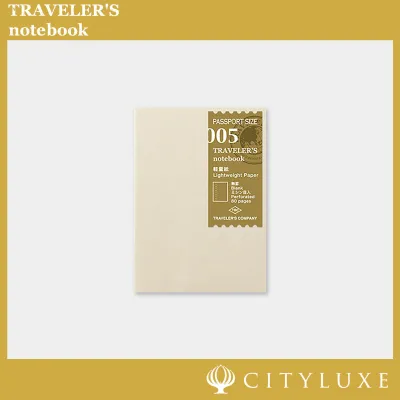
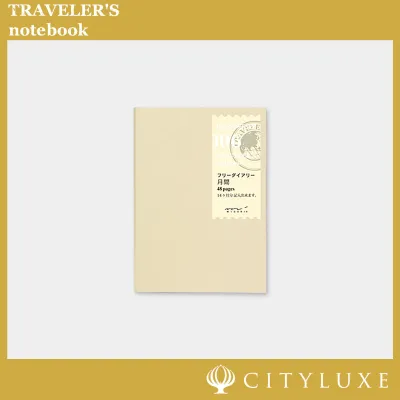
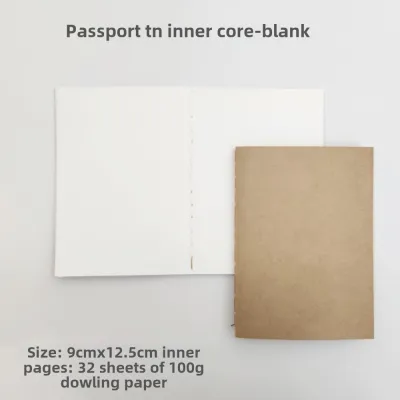
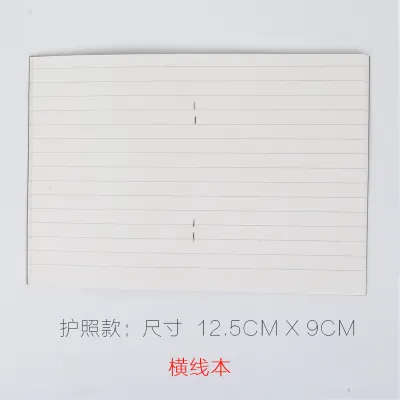
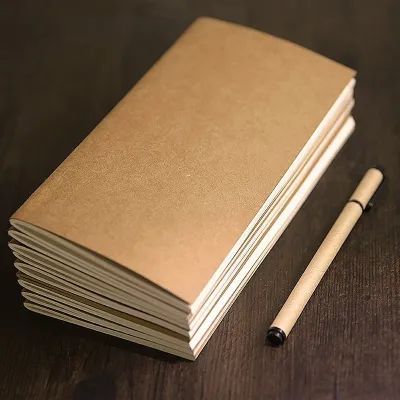
Prices are valid at publication and may change. Please refer to the product page for the latest price.
Paper tooth, or surface texture, is the final key characteristic to consider. This refers to the tactile feedback you feel as your pen glides across the page. Glassy, ultra-smooth papers minimize friction, allowing fine-nib pens to write effortlessly without catching. Toothy papers have a microscopic roughness that provides resistance. This tactile feedback is highly valued by those who appreciate a physical connection to the page, as it helps control the pen tip and ensures consistent pigment transfer.
Matching Paper Types to Your Writing Instruments
Your choice of writing instrument should dictate the paper characteristics you look for in a passport notebook. Fountain pens and other wet-ink instruments deposit a relatively large volume of water-based ink onto the page. To prevent this ink from spreading or soaking through, you need paper with high sizing and a dense fiber structure. Smooth, coated papers are generally preferred for fountain pens because they slow down absorption, keeping the ink crisp and vibrant. If you use a fountain pen, look for papers specifically labeled as fountain-pen friendly, which indicates they have been treated to resist wet inks regardless of their GSM.

Gel and rollerball pens also use water-based inks, but they are typically applied in more controlled, consistent lines. These pens require a balanced paper that absorbs ink quickly enough to prevent smudging when you close the notebook, yet remains sized enough to prevent feathering. In humid climates, such as Singapore’s, drying times for wet inks on highly sized papers can be significantly prolonged. If you frequently write on the move and need to close your notebook immediately, a medium-weight, semi-absorbent paper is often the most practical choice to avoid smudging your notes.
Ballpoint pens and pencils operate on entirely different mechanical principles and perform best on paper with a slight tooth. Ballpoint inks are thick and oil-based, requiring physical friction to roll the ball in the pen tip and transfer the paste to the page. Pencils rely on the abrasive texture of the paper to wear down the graphite core and leave a mark. If the paper is too smooth or heavily coated, a ballpoint pen may skip, and a pencil may feel slick and produce faint, hard-to-read lines. A standard, uncoated paper with a gentle texture provides the necessary resistance for these everyday writing tools.
How to Test and Verify Paper Quality Before Buying
When specific brand test data is unavailable, you can use several observable checks to assess paper quality before committing to a purchase. Start by reading the manufacturer’s specifications on the packaging or product listing. Look for details beyond simple GSM, such as references to “acid-free” composition, which ensures the paper will not yellow or degrade over time, or specific manufacturing origins known for high-quality stationery standards. While these labels are helpful indicators, they should always be verified through physical inspection when possible.
If you are shopping in a physical stationery store, perform visual and tactile checks on any available sample units. Hold a single page up to the light to evaluate its opacity; a page that lets a significant amount of light through is more likely to suffer from ghosting. Run your fingertips gently across the surface to feel the texture. Note whether the paper feels stiff and brittle or supple and dense, as higher-density papers often handle ink more consistently than loose, fibrous sheets of the same weight.
Once you have purchased a notebook, conduct a localized ink test on the very last page before using it for important notes. Draw a small grid using all the pens and pencils you plan to carry. Write a few words with varying writing pressure and speed. Observe how long the ink takes to dry completely, and check the edges of the lines for any signs of feathering. Finally, flip the page to inspect the reverse side. This simple test will show you exactly how much ghosting or bleed-through to expect, allowing you to adjust your pen choice or writing style accordingly.
Decision Framework: Choosing the Right Passport Notebook
To select the right passport notebook for your needs, match your primary writing style to the corresponding paper profile. If you are a fountain pen enthusiast who values ink shading and crisp lines, prioritize highly sized, smooth, and dense papers. Be prepared to accept slightly longer drying times, and consider carrying a small sheet of blotting paper inside your notebook to protect opposite pages from wet ink transfer when closing the book quickly.
If your daily carry consists of gel pens, ballpoints, or pencils, and your primary goal is rapid note-taking, opt for standard, uncoated papers with a medium weight. These papers offer fast drying times and sufficient tooth to ensure reliable ink flow and clear pencil marks, making them ideal for quick thoughts, checklists, and professional tasks where speed is more important than ink artistry.
Finally, if you plan to use mixed media, such as light watercolor washes, brush pens, or heavy erasing, look for specialized inserts featuring high-GSM sketch paper. Always verify manufacturer claims by testing a single insert or notebook first before investing in bulk packs or expensive leather cover systems. By matching the paper’s physical properties to your specific tools, you will ensure a reliable and enjoyable writing experience on every page.
Frequently Asked Questions (FAQ)
Does a higher GSM always mean better paper for fountain pens?
No, a higher GSM does not automatically guarantee that paper will perform well with fountain pens. GSM only measures the weight of the paper, not its ink resistance. A thin, lightweight paper that has been heavily sized and densely pressed can handle wet fountain pen inks beautifully without feathering or bleeding. Conversely, a thick, high-GSM sketch paper that is unsized may absorb ink like a sponge, causing severe feathering and bleed-through despite its thickness.
Can I use both sides of a passport-sized notebook without ghosting?
Whether you can write on both sides without ghosting depends on the paper’s opacity and the wetness of your pen. Because passport notebooks are designed to be compact and pocket-friendly, they often use thinner papers that naturally exhibit some degree of ghosting (where the writing is visible as a shadow on the reverse side). To minimize ghosting and utilize both sides of every page, use fine-nib pens, drier inks, or pencils, and avoid heavy-flowing liquid ink rollers.

Community discussion
Share your experience or ask a question. Comments are reviewed before publication.