
Finding the right mini notebook involves balancing portability with paper performance. In humid climates, paper behavior changes; moisture absorption can affect how ink dries and feathers. Muji, Kokuyo, and Midori represent three distinct philosophies in paper manufacturing. Muji focuses on minimalist utility and accessible everyday writing. Kokuyo prioritizes engineered smoothness and structured layouts for high-volume note-taking. Midori caters to enthusiasts who value tactile feedback, ink shading, and fountain pen compatibility. Understanding these differences helps you select a pocket companion that won’t bleed, feather, or fall apart in your daily bag.
Selecting a pocket-sized notebook requires looking beyond the cover design. The interaction between your pen’s ink and the paper fibers determines whether your notes remain legible or turn into a smudged mess. By understanding standard paper specifications and construction methods, you can make an informed choice before purchasing.
Key Paper Specifications to Check Before Buying
Paper weight, measured in grams per square meter (GSM), is one of the most reliable indicators of thickness and opacity. Standard notebook paper typically ranges from 70 GSM to 100 GSM. Thinner papers, around 50 to 70 GSM, keep a mini notebook incredibly slim and lightweight, which is ideal for pocket carry. However, they are more prone to ghosting, where writing is visible on the reverse side of the page. Thicker papers, from 80 to 100 GSM, offer better resistance to ink penetration, making them more suitable for double-sided writing and wet inks.
Products mentioned in this guide
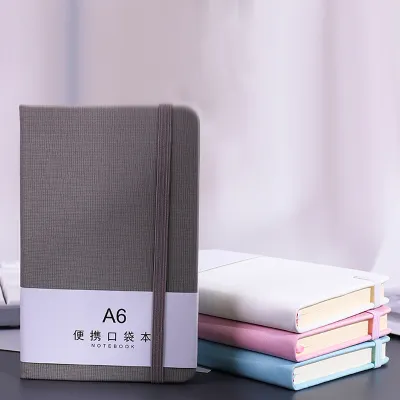
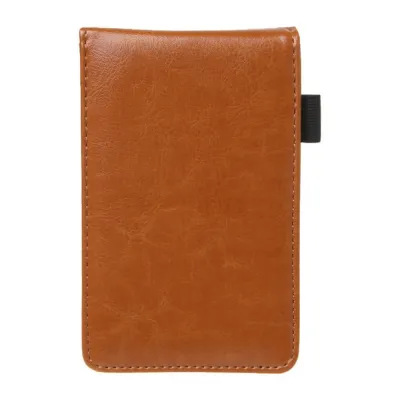
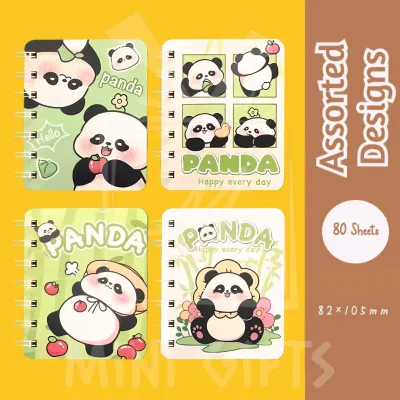
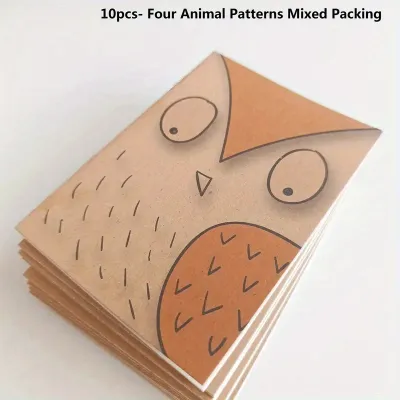
Prices are valid at publication and may change. Please refer to the product page for the latest price.
The surface texture of the paper, often referred to as its finish or tooth, directly impacts ink flow and writing comfort. Highly calendered papers are pressed between heavy rollers during manufacturing to create an ultra-smooth surface. This finish minimizes friction, allowing gel pens and ballpoints to glide effortlessly, though it can extend ink drying times. Conversely, paper with a slight “tooth” or texture provides tactile feedback, which gives you more control over your pen strokes and is highly favored for pencil and fountain pen use.
Ruling types and margin designs dictate how you organize your thoughts in a limited space. Mini notebooks are available in lined, grid, dot grid, and blank formats. Grid and dot grid patterns are particularly popular in small formats because they provide subtle alignment guides for both writing and quick sketching without cluttering the page. When choosing a layout, consider the line spacing; narrower ruling (such as 5mm or 6mm) is often necessary to maximize the usable area in a pocket-sized notebook.
Binding methods determine how easily a notebook opens and whether it can lay completely flat. Thread-sewn bindings use stitched signatures, allowing the pages to open flat without tension, which is essential when writing near the inner margins. Glue-bound notebooks are compact and budget-friendly but may require you to hold the pages down while writing. Spiral or wire-bound mini notebooks offer the ability to fold the cover completely back, making them highly practical for quick notes while standing or commuting.
Muji Mini Notebooks: Paper Profiles and Best Uses
Muji is widely recognized for its minimalist aesthetic and functional stationery designs. When selecting a Muji mini notebook, it is important to check the product labels, as the brand utilizes different paper stocks across its product lines. You will typically find options labeled as standard plantation paper or recycled paper. The recycled paper variants often feature a slightly warmer, off-white tone and a toothier texture, which pairs exceptionally well with graphite pencils and standard ballpoint pens.

The standard paper used in Muji’s classic notebooks is engineered to offer a balanced writing experience for everyday tasks. It features a smooth finish that allows gel ink pens—such as Muji’s own popular gel pen line—to flow consistently without skipping. The paper is moderately absorbent, which helps gel ink dry relatively quickly, reducing the risk of smudging during fast-paced note-taking sessions.
While Muji’s paper performs reliably with standard writing instruments, it has limitations when paired with heavy ink applications. Wet gel pens, liquid ink rollers, and fountain pens may experience ghosting or minor bleed-through on the thinner sheets. If you plan to write on both sides of the page with these tools, it is advisable to inspect the paper opacity under bright light and opt for their slightly thicker notebook variants when available. With prices often starting under S$3 for pocket-sized options, they offer an accessible entry point for daily utility.
The binding styles of Muji mini notebooks are designed with portability in mind. Many of their pocket-sized options feature simple staple-bound or flexible glue-bound spines. These minimalist construction methods keep the notebooks incredibly thin and lightweight, allowing them to slip easily into a shirt pocket, cardholder, or small pouch without adding bulk. This makes them excellent tools for quick checklists, shopping lists, and spontaneous ideas.
Kokuyo Mini Notebooks: Paper Profiles and Best Uses
Kokuyo is a staple of Japanese stationery, famous for its research-driven paper technologies. When exploring Kokuyo’s mini notebook offerings, you will often encounter their signature Campus line. Kokuyo categorizes its paper based on the writing experience it delivers, with “Sarasara” (smooth) and “Shikkari” (firm) being the two primary formulations detailed on their packaging.
Sarasara paper is designed for writers who prefer a fast, effortless glide. The paper surface is treated to minimize friction, making it highly compatible with fine-tip gel pens and ballpoints. Shikkari paper, on the other hand, is formulated with a slight texture to provide feedback and resistance. This firm texture is particularly beneficial for those who write with mechanical pencils or want more control over their pen strokes to maintain neatness in a small format.
Kokuyo’s paper is highly regarded for its resistance to feathering and bleed-through. The manufacturer applies specialized sizing agents during the paper-making process, which prevents wet inks from spreading laterally or penetrating deep into the fibers. This engineering ensures that even when using liquid ink rollers or fine-liners, your lines remain crisp and legible on both sides of the page. Typically priced around S$3 to S$6 depending on the binding and size, they offer a durable balance of performance and value.
The physical durability of Kokuyo mini notebooks is tailored for active daily use. Many of their mini formats utilize durable twin-ring bindings or reinforced wireless bindings. These designs are built to withstand the wear and tear of being tossed into a backpack or carried during a daily commute on public transport. The covers are often made from flexible yet sturdy plastics or treated cardstock, protecting your notes from moisture and bending.
Midori Mini Notebooks: Paper Profiles and Best Uses
Midori caters to stationery enthusiasts who view writing as a sensory experience. Their most famous offering, MD Paper, is developed specifically to complement fountain pens and high-quality writing instruments. Midori mini notebooks are easily identified by their minimalist, cream-colored pages and classic, understated cover designs that emphasize the raw materials.
MD Paper is characterized by its unique balance of smoothness and tactile feedback. It is not coated to the point of being slippery; instead, it retains a gentle tooth that lets you feel the nib of your pen as it moves across the page. This feedback provides excellent control, making it a favorite for calligraphy, sketching, and deliberate, long-form journaling in a compact format.
One of the standout features of Midori’s paper is its exceptional ink handling. The paper is formulated to resist feathering and bleed-through, even when subjected to wet fountain pen inks, broad nibs, or light watercolor washes. It allows inks to pool slightly on the surface, which beautifully showcases characteristics like color shading and metallic sheen. However, this slower absorption rate means that in humid climates, you must allow extra time for the ink to dry to prevent smudging when you close the notebook.
The construction of Midori mini notebooks reflects a commitment to traditional bookbinding. They frequently feature thread-sewn bindings with exposed spines, allowing the notebook to lay completely flat on a desk. This lay-flat design is incredibly valuable in a mini notebook, as it ensures you can write comfortably from the very inner margin to the outer edge of each page without fighting the binding.
Side-by-Side Specification Matrix
To help you compare these brands quickly, the table below outlines the typical specifications and physical characteristics of their standard mini notebook offerings.
| Brand & Series | Typical Paper Weight | Surface Texture | Binding Style | Primary Pen Compatibility |
|---|---|---|---|---|
| Muji Standard | ~70 – 80 GSM | Smooth to Medium | Staple or Glue | Gel pens, ballpoints, pencils |
| Kokuyo Campus | ~70 – 75 GSM | Ultra-Smooth (Sarasara) or Firm (Shikkari) | Wireless or Twin-Ring | Gel pens, rollerballs, mechanical pencils |
| Midori MD | ~80 GSM | Toothy / Tactile | Thread-Sewn (Lay-Flat) | Fountain pens, fine-liners, pencils |
Because paper performance can vary depending on the specific ink formulation and environmental humidity, we recommend performing a personal pen test. Use the very last page of your notebook to write a few sample lines with your favorite pens. Observe how long the ink takes to dry, and check the reverse side of the page for any signs of ghosting or bleeding before committing to your main pages.
How to Choose the Right Brand for Your Pen and Purpose
Selecting the right mini notebook depends on matching your primary writing tools with the paper’s physical properties. Each of these three brands excels in different scenarios, making them suitable for distinct types of users.
Choose Muji if you prioritize a minimalist design, lightweight portability, and budget-friendly everyday note-taking. These notebooks are highly suitable for quick lists, pocket carry, and standard gel or ballpoint pen use. They offer an accessible entry point for those who need a simple, no-frills paper companion for daily tasks.
Choose Kokuyo if you require a durable notebook for a busy lifestyle and prefer a highly engineered writing surface. If you write quickly with gel pens or rollerballs, the Sarasara paper will provide a smooth, skip-free experience. The robust binding options make Kokuyo mini notebooks excellent for students and professionals who need a reliable tool that can survive daily commuting and frequent handling.
Choose Midori if you use fountain pens, appreciate paper texture, and want a premium writing experience. The MD Paper is designed to bring out the unique qualities of your inks, making it the ideal choice for compact journaling, sketching, and creative writing. The lay-flat thread binding ensures that every millimeter of the small page is comfortable to write on.
Before purchasing in bulk, it is always wise to buy a single unit of your chosen notebook. Testing your specific pen and ink combination on the paper in your typical writing environment will ensure the performance meets your expectations.

Community discussion
Share your experience or ask a question. Comments are reviewed before publication.