
When you purchase a Disney notebook, the iconic Mickey Mouse, Elsa, or Marvel characters on the cover do not tell the full story of the paper inside. Disney does not manufacture stationery itself; instead, it operates on a licensing model, granting various third-party manufacturers the rights to produce notebooks under its brand. This means that two notebooks featuring the exact same Disney character can offer completely different writing experiences. One might feature thin, absorbent paper that bleeds when touched by a gel pen, while another uses heavy, smooth paper that handles fountain pen ink beautifully. To find the right notebook, you must look past the cover art and identify the actual manufacturer behind the product.
To determine who actually made your Disney notebook, look closely at the back cover, the packaging label, or the online product listing. You will typically find a small copyright line alongside the name of the licensed manufacturer, such as a local stationery brand, a global paper goods company, or a regional distributor. In Singapore, these licensees range from premium Japanese and European stationery brands that collaborate with Disney for limited-edition releases, to mass-market commercial printers supplying local bookstores and department stores. Identifying this manufacturer is the single most important step in predicting how the paper will perform under your pen.
Because of this licensing system, paper quality is highly variable. A premium licensee might import high-grade acid-free paper, whereas a budget-friendly commercial licensee might prioritize affordability, using thinner, uncoated paper. By understanding that the Disney logo is a design element rather than a quality standard, you can approach your purchase with a critical eye, checking the technical specifications of the paper rather than relying on brand prestige alone.
Products mentioned in this guide
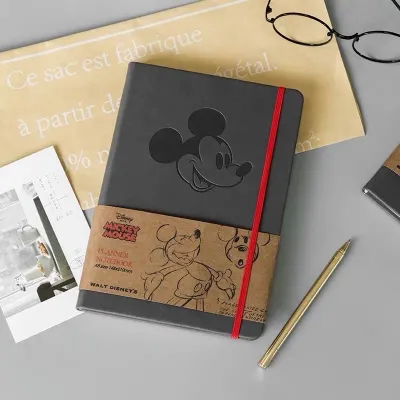
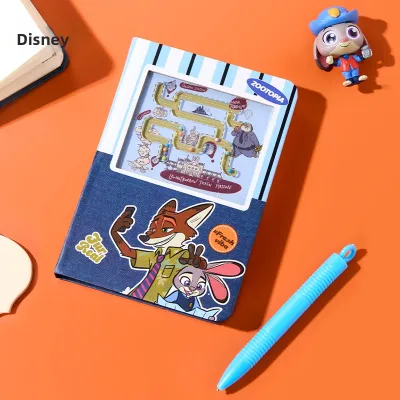
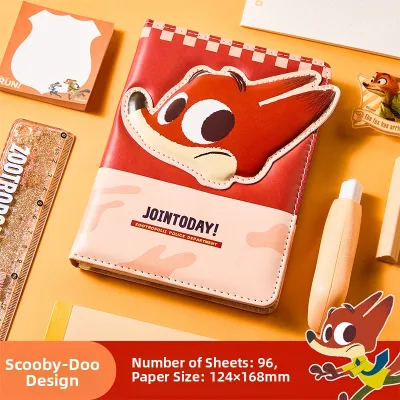
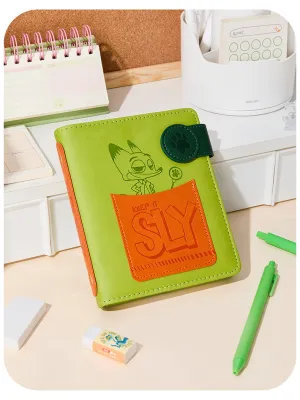
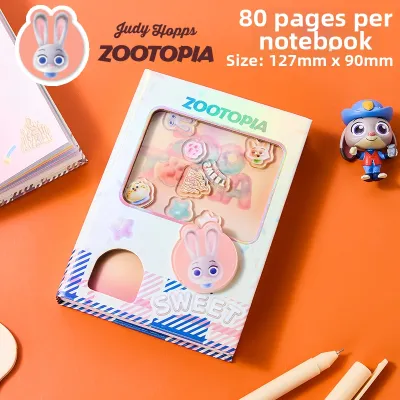
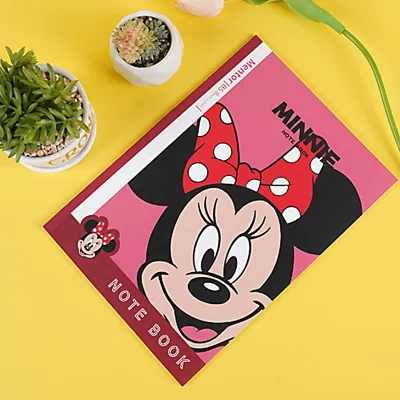
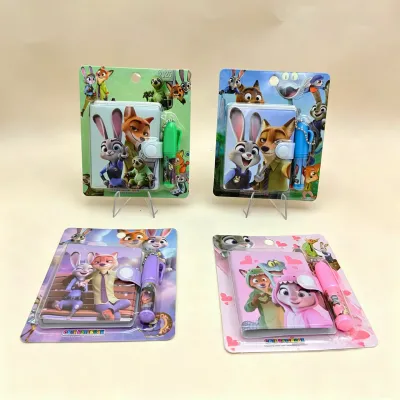
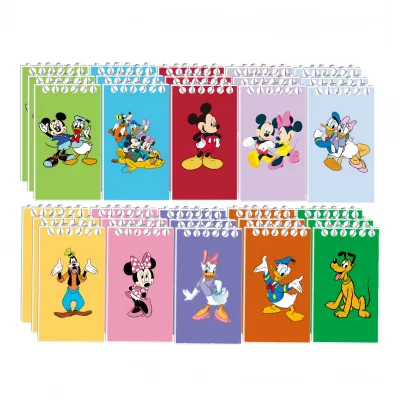
Prices are valid at publication and may change. Please refer to the product page for the latest price.
Key Paper Quality Metrics to Check on the Label
To evaluate a Disney notebook before buying, you need to decode the technical specifications often printed on the back label or detailed in online product descriptions. These metrics provide objective clues about how the paper will behave.
Paper Weight (GSM)
Grams per square meter (GSM) is the standard measurement for paper thickness and weight. Standard school notebooks typically range from 60 GSM to 80 GSM, which is lightweight and suitable for basic ballpoint pens but highly prone to ghosting and bleed-through with wetter inks. For a more versatile writing experience, look for notebooks with 80 GSM to 100 GSM paper, which offers a good balance of thickness and portability. If you plan to use heavy markers, highlighters, or fountain pens, seek out premium licensees offering 120 GSM or higher to ensure your writing does not ruin the reverse side of the page.
Paper Finish and Texture
The surface finish of the paper dictates how your pen glides and how quickly the ink dries. Smooth, coated finishes—often found in premium Japanese-licensed notebooks—reduce friction, allowing gel and fountain pens to write effortlessly, though they may require longer drying times. Conversely, matte or slightly textured paper (often referred to as having “tooth”) provides more resistance, which is ideal for pencil graphite and standard ballpoint pens as it helps the medium adhere to the page. Checking whether the paper is described as “coated,” “vellum,” or “rough” will help you match it to your writing style.
Binding and Lay-Flat Design
The way a notebook is bound directly affects your comfort, especially when writing near the center margin. Thread-sewn or case-bound Disney notebooks often feature a lay-flat design, allowing the book to open completely flat on your desk without requiring you to hold the pages down. Spiral or wire-bound options also offer excellent lay-flat utility and allow you to fold the notebook back on itself, making them highly practical for small desks or on-the-go note-taking. Glued or perfect-bound notebooks are often the most affordable but can be stiff, making it difficult to write near the gutter without risking page separation over time.
Ruling and Margins
The layout of the pages should align with your intended use. Disney notebooks are available in lined (ruled), grid, dot grid, and blank formats. Standard lined notebooks usually feature a 6mm to 8mm line spacing, which is comfortable for everyday handwriting. If you prefer bullet journaling or sketching alongside your notes, look for dot grid layouts, which provide subtle guidance without cluttering the page. Ensure the margins are consistent and that the printing of the lines is faint enough not to distract from your writing.
Matching Paper Types to Your Writing Tools
No single paper type is perfect for every writing instrument. To ensure a smooth writing experience, you must match the paper specifications of your chosen Disney notebook with the specific pens or pencils you use daily.

Fountain Pens and Wet Inks
Fountain pens require paper that can handle a high volume of liquid ink without feathering (where ink spreads along the paper fibers) or bleeding through to the back. If you write with fountain pens, look for Disney notebooks produced by premium stationery licensees who explicitly advertise “fountain pen friendly” paper. These papers typically feature a specialized sizing or coating that keeps the ink on the surface, preserving crisp lines and showcasing ink shading or sheen. Before committing to a full journal entry, always perform a small ink test on an inconspicuous back page to verify how the paper handles your specific nib and ink combination.
Gel and Rollerball Pens
Gel and rollerball pens are incredibly popular for everyday writing, but their water-based inks can behave unpredictably on different paper finishes. On highly coated, smooth paper, gel ink can take several seconds to dry, posing a high risk of smudging, particularly for left-handed writers. If you prefer gel pens, look for uncoated or semi-matte paper around 80 GSM to 90 GSM, which absorbs ink relatively quickly while maintaining clean, sharp lines without excessive feathering.
Ballpoint and Pencils
Standard ballpoint pens and graphite pencils are highly forgiving and work well on almost any paper grade. However, they perform best on paper with a slight texture or “tooth.” Highly coated, ultra-smooth paper can cause ballpoint pens to skip because the ball mechanism needs friction to rotate and deposit ink. For pencils, a slightly textured matte paper allows the graphite to wear down evenly onto the page, resulting in darker, more legible lines that are easy to erase without smudging or tearing the paper.
Markers and Highlighters
If you use your Disney notebook for studying, planning, or color-coding, highlighters and felt-tip markers are likely a staple of your routine. These tools deposit a significant amount of ink, which easily bleeds through standard 60 GSM to 70 GSM paper. To prevent this “ghosting” (where the writing is visible on the other side) or outright bleed-through, select notebooks with a minimum of 100 GSM paper. Look for manufacturers that specify bleed-resistant properties, ensuring your highlighted sections remain neat and legible on both sides of the sheet.
Decision Framework: Choosing the Right Disney Notebook
To simplify your shopping experience, use this conditional framework to match your writing habits, tools, and budget to the right category of Disney-licensed notebook.
Premium Stationery Licensees
Choose these notebooks if you prioritize the writing experience above all else. If you use fountain pens, fine gel pens, or heavy highlighters, investing in a premium collaboration is highly recommended. These notebooks typically feature paper weights of 80 GSM to 120 GSM, acid-free archival paper that resists yellowing, and lay-flat thread binding. While they carry a higher price tag—often ranging from S$15 to S$35 depending on the size and binding—they ensure your writing remains pristine and enjoyable from the first page to the last.
Standard Commercial Licensees
Choose these notebooks if you need an affordable, everyday option for school, quick lists, or casual journaling. If you primarily write with standard ballpoint pens or pencils, you do not need to pay a premium for specialized paper. These notebooks are widely available in local bookstores and online marketplaces, often costing between S$3 and S$10. While the paper is typically lighter (around 60 GSM to 70 GSM) and may show some ghosting with wet inks, they offer excellent value for everyday, high-volume writing.
Specialty or Planner Licensees
Choose these options if you require specific layouts, such as weekly planners, habit trackers, or dot grid pages for creative journaling. These notebooks are designed for mixed-media use, meaning the paper is often thicker (100 GSM to 140 GSM) to accommodate stickers, stamps, and heavy ink. They are ideal for users who want to combine their love for Disney characters with structured productivity or creative scrapbooking.
Verify Before You Buy
Before making a purchase, especially when shopping on online marketplaces, always verify the product specifications. Check the product description for explicit mentions of paper weight (GSM), page count, and binding type. If the listing lacks these details, look at customer reviews for photos of the notebook’s interior or mentions of ink bleed-through. Taking a few moments to confirm these details ensures that your new Disney notebook is not just beautiful on the shelf, but a pleasure to write in every single day.

Community discussion
Share your experience or ask a question. Comments are reviewed before publication.