
Finding the ideal B5 binder refill paper is not about identifying a single, universally superior brand. Instead, the right choice depends entirely on how your preferred writing instruments interact with the paper’s physical characteristics. A refill that feels exceptionally smooth under a gel pen might cause fountain pen ink to pool and smudge, while a textured sheet perfect for pencil sketching might feel scratchy when paired with a fine-liner. By understanding the core specifications of paper manufacturing and matching them to your daily tools, you can build a highly customized notebook system that enhances your writing comfort.
Key Paper Specifications to Compare
To evaluate any B5 binder refill, you must look past marketing buzzwords and focus on measurable technical specifications. The most prominent metric is paper weight, measured in grams per square meter (GSM). Standard loose-leaf paper typically ranges from 50 GSM to 70 GSM, which keeps pages thin and lightweight, allowing you to pack more sheets into a single binder. However, lighter papers are more prone to ghosting—where writing is visible on the reverse side—and bleed-through, where ink penetrates the fibers. Premium refills often step up to 80 GSM or 100 GSM, providing the structural density needed to handle wet inks and heavy pressure without compromising the usability of the page’s flip side.
Beyond weight, the surface finish of the paper dictates the tactile feedback of your pen. Paper finishes generally fall into three categories: ultra-smooth, textured (often referred to as having “tooth”), and coated. Ultra-smooth papers minimize friction, allowing pens to glide effortlessly across the surface, which is highly desirable for fast note-taking. Textured papers provide a deliberate resistance that helps control your hand movements, making them excellent for precise handwriting and sketching. Coated papers feature a microscopic barrier that slows down ink absorption, keeping the ink on top of the page to preserve sharp lines, though this comes at the cost of longer drying times.
Products mentioned in this guide
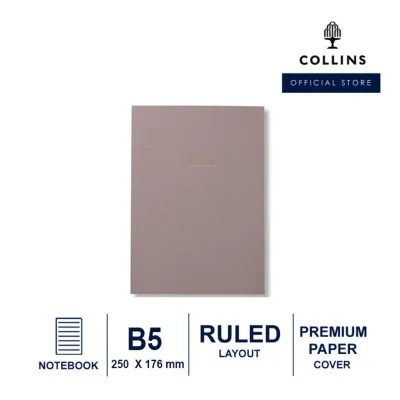
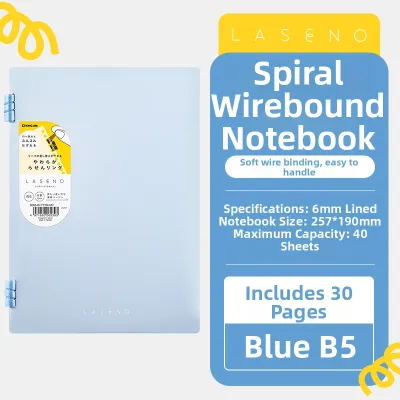
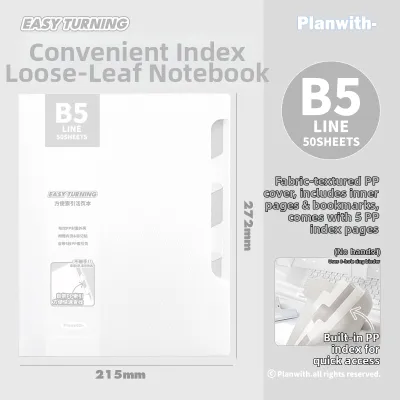
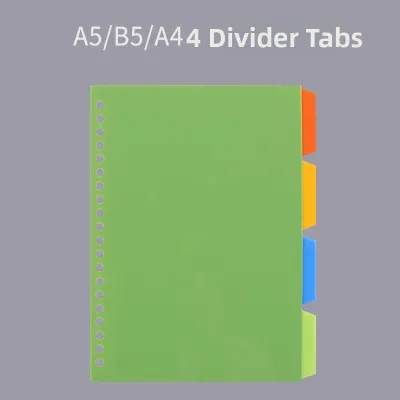
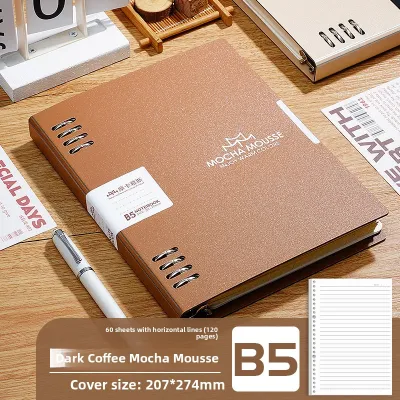
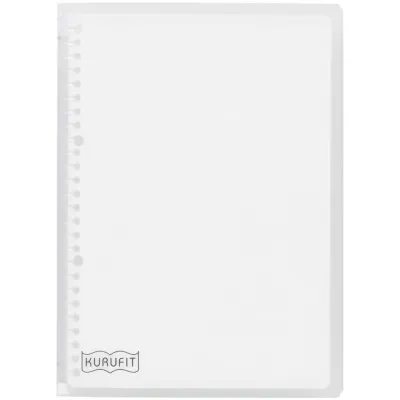
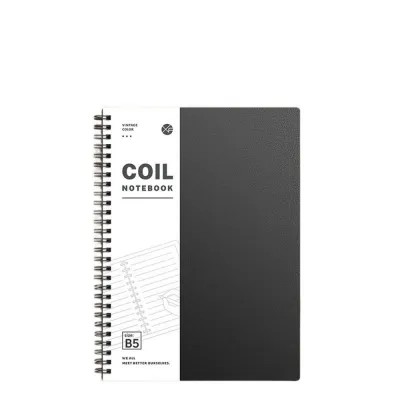
Prices are valid at publication and may change. Please refer to the product page for the latest price.
The color of the paper also plays a significant role in your overall writing experience, particularly during extended study or work sessions. Bright white papers offer high contrast, making black and colorful inks pop vividly off the page, which is ideal for scanning or photocopying your notes. However, this high contrast can contribute to eye strain under bright desk lamps. Cream, ivory, or off-white papers soften this contrast, offering a warmer, more relaxing background that is gentler on the eyes over hours of continuous reading and writing.
Matching Paper Types to Your Writing Instruments
Your choice of writing instrument should dictate the specific paper characteristics you prioritize. Fountain pens require paper with excellent sizing—a chemical treatment applied during manufacturing to control how the paper absorbs liquid. Without proper sizing, fountain pen ink will feather, spreading outward along the paper fibers to create fuzzy, distorted lines, or bleed straight through to the next sheet. Because ink formulations and nib widths vary dramatically, you should always test your specific pen and ink combination on a single sheet before committing to a bulk purchase of refills, rather than relying solely on a brand’s “fountain pen friendly” marketing label.

For gel and rollerball pens, which utilize water-based or acid-free gel inks, the primary challenge is drying speed. Highly coated or ultra-smooth papers do not absorb liquid quickly, meaning a fresh line of gel ink can easily smudge if your hand brushes over it or if you close the binder too quickly. If you write rapidly or are left-handed, you will benefit from a slightly more absorbent, uncoated paper that pulls the ink into the fibers almost instantly, even if it slightly reduces the crispness of the line edges.
If you prefer ballpoint pens or mechanical pencils, your needs are entirely different. These instruments rely on physical friction to function correctly; a ballpoint needs traction to roll and deposit its oil-based ink, while a pencil requires a slightly abrasive surface to shave off graphite particles. Writing with a pencil on ultra-smooth, coated paper can feel slippery and result in faint, uneven lines. For these tools, look for standard woodfree papers with a natural, slightly textured finish that provides the necessary grip for consistent, dark lines.
Highlighters and felt-tip markers present another set of challenges, as they deposit a relatively large volume of ink in a single stroke. Standard-weight papers often suffer from severe ghosting when subjected to highlighters, rendering the back of the page unusable. When using markers, look for refills that specify high opacity and a minimum weight of 80 GSM. Additionally, check the manufacturer’s packaging for compatibility notes, as some coated papers can cause highlighter ink to bead up or smear the underlying pen ink.
Evaluating Brand-Specific Paper Characteristics
When browsing the stationery market, you will find that B5 binder refills generally fall into distinct product tiers, each designed with a specific user profile in mind. Standard everyday refills are the most common and economical option. These papers are typically optimized for high-volume note-taking with standard ballpoint or gel pens. They prioritize a balance between affordability and page capacity, allowing you to carry hundreds of sheets without weighing down your bag. While they perform admirably for daily scribbles, they may show noticeable ghosting when paired with wet inks or broad-nib pens.
For writers seeking a more refined experience, premium or “smooth” series refills offer a noticeable upgrade in tactile quality. These papers often feature a higher GSM and a highly calendered surface, which is pressed under heavy rollers during manufacturing to achieve an exceptionally sleek finish. This process makes the paper highly resistant to feathering and bleed-through, making it a favorite among fountain pen enthusiasts. However, because these premium sheets are denser and sometimes coated, you must verify their drying times with your specific pens to avoid accidental smudging.
Eco-friendly and recycled paper refills represent another important category. These sheets are manufactured using post-consumer waste or alternative fibers like bamboo, resulting in a unique tactile feel. Recycled papers often have a slightly lower brightness level and a more pronounced natural texture, which many users find aesthetically pleasing and comfortable for reading. However, the recycling process can alter the absorption characteristics of the paper fibers, sometimes leading to faster ink absorption or a slight tendency to feather. If you choose eco-friendly options, it is wise to test how your favorite pens behave on the textured surface before filling your binder.
Ultimately, rather than relying on brand reputation alone, you should become adept at reading the technical details printed on refill packaging. Look for explicit mentions of paper weight, surface treatment, and intended writing instruments. A brand’s marketing terms like “silky” or “high-grade” are subjective, but a specification like “80 GSM woodfree paper” provides a concrete, reliable indicator of how the refill will perform under your pen.
Ensuring Binder and Refill Compatibility
Even the highest-quality paper is useless if it does not physically fit your B5 binder shell. The most critical factor to verify is the hole-punch pattern. The standard B5 binder system typically utilizes a 26-hole configuration, which distributes the weight of the pages evenly and prevents the holes from tearing under frequent use. However, some specialized binders use proprietary ring mechanisms, such as 2-hole, 9-hole, or multi-ring smart systems. Before purchasing any refill pack, count the rings in your binder and match them precisely to the hole count specified on the paper packaging.
In addition to the hole count, pay close attention to the margin width and the alignment of the punched holes. High-quality refills are designed with a generous inner margin, ensuring that your written notes do not get obscured by the binder rings. The holes themselves must be cleanly cut and perfectly aligned; poorly manufactured refills may have jagged edges or slight misalignments that cause the pages to catch, drag, or tear when you attempt to turn them.
Finally, you must navigate the distinction between different B5 size standards. In the stationery world, B5 can refer to either the Japanese Industrial Standard (JIS B5, which measures 182 mm by 257 mm) or the International Organization for Standardization (ISO B5, which measures 176 mm by 250 mm). Most popular multi-ring binder notebooks conform to the JIS B5 standard, but European or American brands may utilize the ISO B5 dimensions. Mixing these standards can result in pages that overhang the edges of your binder cover or fail to align properly with the ring spacing, so always double-check the exact millimeter measurements on your binder and refill packaging.
Decision Framework: Which B5 Refill Should You Choose?
To select the perfect B5 binder refill for your daily routine, use a structured decision framework based on your primary writing tools and organizational habits. If your daily writing relies almost exclusively on standard ballpoint pens, mechanical pencils, and quick pencil sketches, prioritize standard woodfree paper refills. These options offer a natural, slightly textured surface that provides excellent grip for your writing tips, while their lighter weight and lower cost allow you to stock up on high page counts without exceeding your budget.
If your notes feature vibrant gel inks, fountain pens, or heavy highlighting, shift your focus toward premium smooth or high-GSM refills. Look for packaging that explicitly states a weight of 80 GSM or higher and mentions a smooth or calendered finish. This ensures the paper fibers are dense enough to resist ink penetration, keeping your writing sharp and allowing you to utilize both sides of every sheet without distracting ghosting.
For those who spend long hours reading over their notes under harsh fluorescent or desk lighting, recycled or unbleached cream-colored refills are highly recommended. The off-white tone significantly reduces eye strain, and the subtle texture of recycled fibers provides a satisfying tactile feedback. Just be sure to conduct a quick smudge test with your preferred gel pens to ensure the ink dries at a rate that matches your writing speed.
Regardless of the paper type you choose, never skip the physical compatibility check. Always verify that the refill’s hole configuration (such as the standard 26-hole pattern) matches your binder shell, and confirm whether your system requires JIS B5 or ISO B5 dimensions. Taking a few moments to verify these technical details before purchasing will ensure a seamless, frustration-free writing experience.
Frequently Asked Questions (FAQ)
Can I use fountain pen ink on standard B5 binder refills?
Standard B5 binder refills are often thin and highly absorbent, which can cause wet fountain pen inks to feather, bleed through the page, or ghost heavily on the reverse side. If you want to use a fountain pen, it is best to look for refills specifically labeled as fountain pen friendly or those with a higher density, such as 80 GSM or above. Always test your specific pen and ink combination on a single sheet first to observe how the paper handles the liquid before writing important notes.
What is the difference between JIS B5 and ISO B5 paper sizes?
The primary difference lies in their physical dimensions, as they originate from different regional standards. JIS B5 (Japanese Industrial Standard) measures 182 mm by 257 mm and is the most common size for multi-ring binder notebooks. ISO B5 (International Organization for Standardization) is slightly smaller, measuring 176 mm by 250 mm. Because of this size discrepancy, refills and binders from different standards may not align properly, potentially causing pages to stick out or fail to fit the ring spacing, so you should always check the exact millimeter measurements before buying.

Community discussion
Share your experience or ask a question. Comments are reviewed before publication.