
Finding the best value in a paint brush set in Singapore requires looking beyond the price tag to evaluate how the bristles, ferrules, and handles align with your specific artistic medium. Because different paints demand distinct physical properties from a brush, a set that excels at heavy-body acrylics may fail completely when paired with fluid watercolors. Rather than searching for a single universal brand, smart buyers evaluate sets based on construction quality and material suitability to get the most mileage out of every dollar spent.
In the local market, options range from budget-friendly multipacks found in neighborhood stationery shops to premium, hand-assembled tools in specialty art supply stores. Navigating these choices involves understanding the trade-offs between synthetic and natural fibers, as well as identifying the structural weak points that cause cheap brushes to fail prematurely. By focusing on how a brush is made rather than its brand label, you can secure a high-performing set that fits your budget and elevates your creative work.
Core Criteria for Evaluating Paint Brush Quality and Price
To objectively compare paint brush sets, you must first understand the three primary components of a brush: the bristles, the ferrule, and the handle. The bristles are the most critical element, as they directly control paint delivery, capacity, and stroke precision. Synthetic bristles, typically made of nylon or polyester, offer excellent spring and durability, making them highly resilient when used with abrasive acrylic paints. Natural hair bristles, sourced from animals like sable, squirrel, or hog, excel at holding large volumes of liquid or moving heavy, oil-based pigments, though they require more delicate care and carry a higher price point.
Products mentioned in this guide
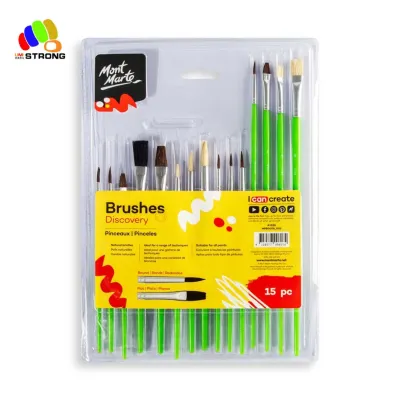
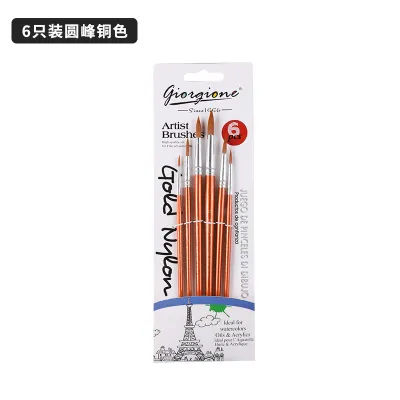
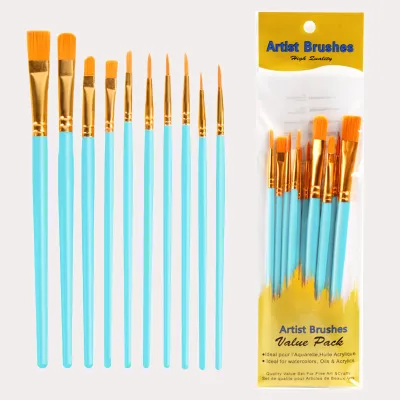
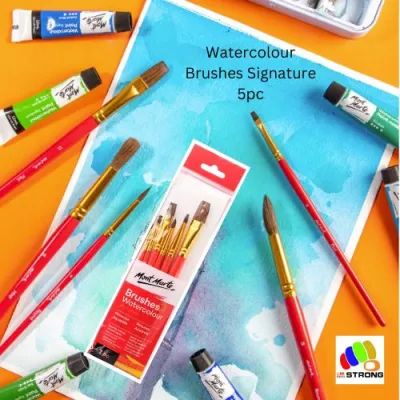
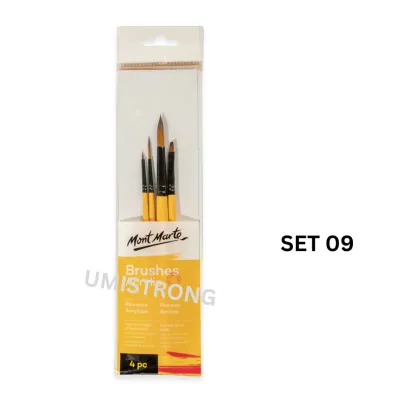
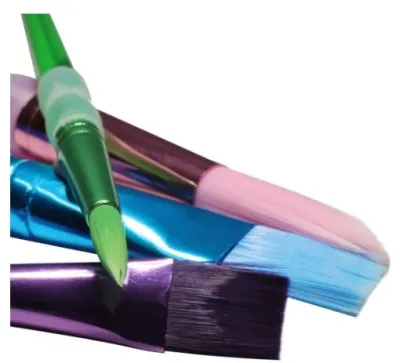
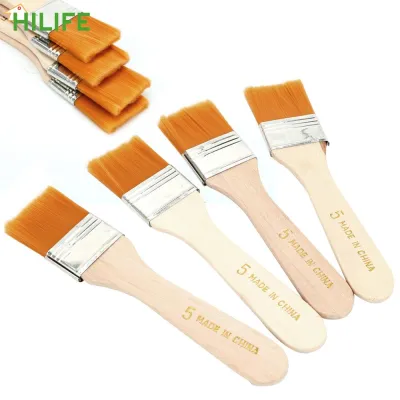
Prices are valid at publication and may change. Please refer to the product page for the latest price.
The ferrule is the metal band that connects the bristles to the handle, and its construction is a primary indicator of overall brush lifespan. High-quality brushes feature seamless ferrules made of nickel-plated brass or aluminum, which resist rusting and prevent water from seeping into the handle. Cheaper brushes often use seamed metal ferrules that can bend easily or split along the seam, leading to loose bristles and a wobbly brush head. Double-crimping, where the ferrule is compressed onto the handle at two distinct points, is another hallmark of durable construction.
Finally, evaluate the composition of the set itself to ensure you are not paying for filler brushes. A well-designed paint brush set should offer a functional variety of shapes—such as rounds for detail work, flats for broad strokes, and filberts for blending—rather than multiple identical sizes that serve the same purpose. Look for sets that clearly define the intended use of each brush, allowing you to cover a wide range of techniques without needing to purchase additional individual tools.
Comparing Brush Set Categories Available in Singapore
Art supplies in Singapore are generally segmented into distinct tiers based on the user’s experience level and the demands of the medium. Understanding where a set falls within these categories helps you match your budget to the expected performance and lifespan of the tools.

Student and Beginner Sets (Budget Tier)
Budget-tier paint brush sets, often priced between S$5 and S$15, are widely available in local school supply shops and online marketplaces. These sets almost exclusively feature basic synthetic bristles, which are highly durable and easy to clean but lack the refined tapering needed for precise detail work. While they perform adequately with school-grade poster colors and craft acrylics, their water-holding capacity is limited, which can make watercolor painting frustrating as the paint dries quickly on the brush.
The primary trade-offs in this budget category are shedding and structural durability. Because these brushes are mass-produced, the adhesive holding the bristles inside the ferrule may be applied unevenly, leading to loose hairs falling onto your canvas during a painting session. Additionally, the ferrules are often made of lightweight, seamed metal that can loosen from the wooden or plastic handle after a few wash cycles. Despite these limitations, budget sets offer excellent value for classroom settings, children’s crafts, or temporary projects where long-term durability is not a priority.
Intermediate and Hobbyist Sets (Mid-Range Tier)
For regular crafters, art students, and dedicated hobbyists, mid-range sets priced between S$20 and S$50 offer a significant step up in performance without a prohibitive price tag. These sets frequently utilize high-grade synthetic fibers, such as multi-diameter Taklon, which are engineered to mimic the natural tapering and liquid absorption of animal hair. This results in a brush that holds its shape beautifully, offers a responsive ‘snap’ when lifted from the canvas, and releases paint smoothly and consistently.
In this tier, construction quality improves dramatically. You will typically find seamless, nickel-plated ferrules that are securely glued and double-crimped to seasoned hardwood handles. The handles themselves are often ergonomically shaped and finished with multiple coats of protective lacquer to prevent wood swelling and cracking. Investing in a mid-range set provides a much longer usable lifespan, meaning you will spend less money over time replacing worn-out brushes compared to repeatedly buying budget-tier alternatives.
Decision Framework: Choosing the Right Set for Your Project
Selecting the right paint brush set requires matching the brush material to your primary painting medium and working style. If your projects involve acrylic paints, fabric painting, or general water-based crafts, a high-quality synthetic brush set is almost always the most practical and cost-effective choice. Synthetic fibers are highly resistant to the caustic nature of acrylic binders, easy to clean with basic soap and water, and maintain their stiffness even when submerged in water for extended periods.
Conversely, if you are focusing on traditional watercolors, gouache, or oil painting, you should prioritize sets that feature natural hair or premium synthetic blends designed specifically for those mediums. Watercolors require a brush that can hold a substantial reservoir of water and release it gradually without dripping, a characteristic best achieved by soft natural hairs or advanced synthetic mimics. For oil painting, stiff hog bristle sets provide the necessary strength to push heavy, viscous paint across textured canvas surfaces without bending or losing their shape.
When shopping on online marketplaces, exercise caution regarding product descriptions and material claims. It is common for low-priced, unbranded sets to use terms like ‘professional sable’ or ‘natural hair’ when they actually contain basic synthetic fibers. To protect your investment, verify the seller’s reputation, look for detailed close-up photos of the ferrule and bristle tips, and read customer reviews that specifically mention how well the brushes retain their shape and whether they shed during initial use.
What to Inspect When Your Paint Brush Set Arrives
Once your new paint brush set arrives, conducting a quick physical inspection will help you verify its quality and ensure you received a product that matches the seller’s claims. Start by gently tugging on the bristles of each brush over a dark piece of paper; a high-quality brush should lose no more than one or two loose hairs during this initial test. Next, examine the ferrule to ensure it is perfectly round, firmly attached to the handle, and free of any visible gaps or dried glue residue.
To evaluate the performance of the bristles, perform a simple wet test. Dip the brush into clean water, swirl it gently, and lift it out to observe how the bristles behave. A quality round brush should naturally come to a sharp, fine point, while a flat brush should form a clean, straight chisel edge without any stray fibers flaring outward. Gently press the wet bristles against a flat surface and release them; they should immediately snap back to their original shape rather than remaining bent or splayed.
Finally, verify that the handle finishes are smooth and free of splinters, cracks, or peeling paint, which can cause discomfort during long painting sessions. Check the sizes and shapes included in the set against the product packaging to confirm that you received the correct assortment. Identifying any manufacturing defects early allows you to initiate a return or exchange before you contaminate the brushes with paint.
Frequently Asked Questions (FAQ)
Is it better to buy a large set or a few individual high-quality brushes?
For beginners and general crafters, a medium-sized variety set offers the best value because it provides a cost-effective way to experiment with different brush shapes and sizes. This allows you to discover which tools work best for your style without a significant upfront investment. However, as your skills progress and you identify the specific brushes you use most frequently, transitioning to purchasing individual, high-quality brushes is highly recommended. Buying single brushes allows you to invest your budget directly into the exact sizes and hair types you need, ensuring maximum performance where it matters most.
How can I make a budget paint brush set last longer?
The lifespan of any paint brush set, regardless of price, is directly tied to how well it is cleaned and stored. Always clean your brushes immediately after use, never allowing paint to dry in the bristles, especially near the ferrule where dried paint can split the brush head. Wash synthetic brushes with lukewarm water and mild soap, gently massaging the bristles from the base to the tip. Avoid using hot water, as it can melt the glue holding the bristles inside the ferrule.
When drying your brushes, never store them upright in a cup while wet, as gravity will pull water down into the ferrule, dissolving the adhesive and causing the wooden handle to swell and crack. Instead, gently reshape the damp bristles with your fingers and lay the brushes flat on a clean towel, or hang them bristle-side down if you have a brush hanger. Once completely dry, store them upright or in a breathable wrap to protect the bristles from being bent or crushed.

Community discussion
Share your experience or ask a question. Comments are reviewed before publication.