
Finding the right packing boxes in Singapore is not about chasing a specific brand name, but rather understanding how different suppliers’ materials perform under local conditions. In Singapore’s tropical climate, high relative humidity can quickly degrade low-quality cardboard, making structural specifications far more critical than a brand label. To get the best value, you must compare structural flute profiles, wall construction, and dimensional accuracy against your specific storage or shipping needs.
Whether you are preparing for a residential move between HDB flats, setting up an e-commerce fulfillment workflow, or organizing a long-term self-storage unit, the durability of your packaging directly protects your investments. By focusing on objective material standards rather than marketing claims, you can source reliable boxes that won’t collapse under pressure or swell in humid weather.
Key Quality Metrics to Compare Across Brands
To objectively evaluate different packing box brands, you must look past the exterior printing and examine the structural engineering of the corrugated board. The most critical component of any cardboard box is the fluting—the wavy paper layer sandwiched between the flat outer and inner liners. This fluting provides the vertical stacking strength and cushioning necessary to protect your items during transit.
Products mentioned in this guide
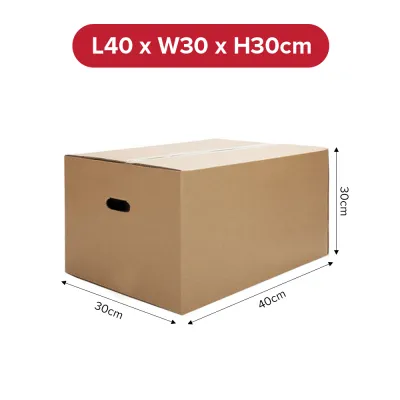
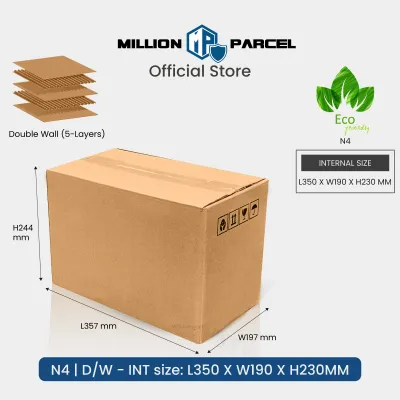
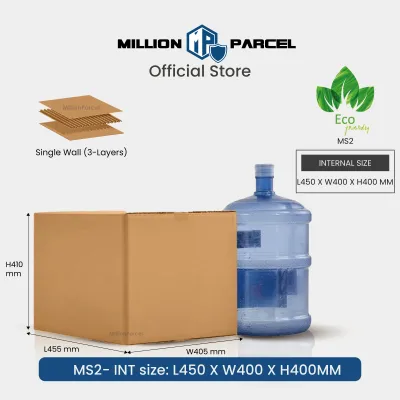
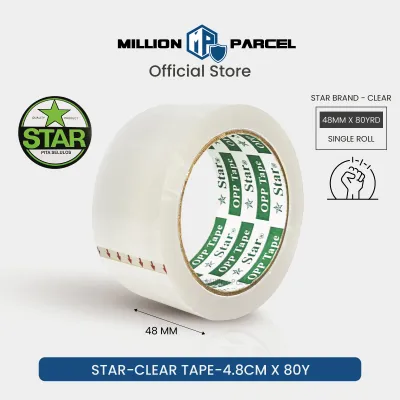
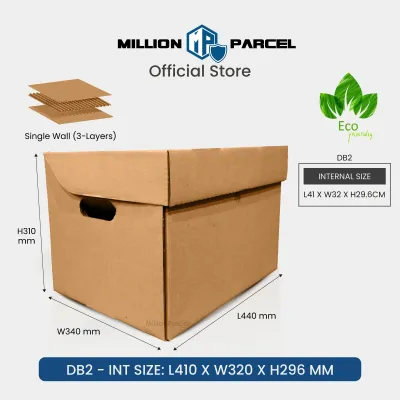
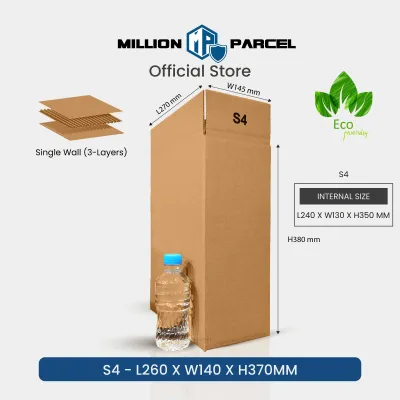
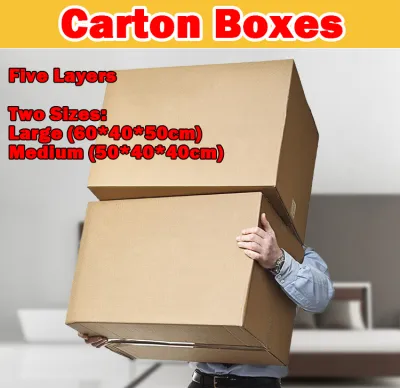
Prices are valid at publication and may change. Please refer to the product page for the latest price.
Corrugated flute profiles are categorized by letter, each offering distinct performance characteristics. B-flute, which is approximately 3 millimeters thick, provides excellent puncture resistance and a flatter surface for printing or tape adhesion, making it ideal for smaller retail shipments. C-flute, measuring around 4 millimeters thick, offers superior vertical stacking strength and cushioning, which is highly beneficial when stacking boxes in a warehouse or moving truck. For heavy-duty applications, BC-flute combines both profiles into a double-wall structure of approximately 7 millimeters, delivering maximum protection for fragile or high-value goods.
Beyond the flute profile, look for standardized strength ratings such as the Edge Crush Test (ECT) or Bursting Strength (Mullen test). The ECT rating measures the top-to-bottom compression strength of the corrugated board, directly indicating how high you can safely stack the boxes without the bottom layer collapsing. Bursting strength, on the other hand, measures the force required to puncture the face of the board, which tells you how well the box can contain heavy, shifting contents or resist external impacts.
Material composition also plays a vital role in how a box handles Singapore’s humid climate. Cardboard is typically made from a combination of virgin kraft paper and recycled testliner. Virgin kraft paper has longer, tightly bound wood fibers that naturally resist moisture absorption and tearing. Recycled testliner is more economical but has shorter fibers, making it highly susceptible to softening and sagging when exposed to ambient humidity. When comparing brands, prioritize those that use a high-proportion kraft outer liner to ensure the box maintains its structural integrity over time.
Verifying Size Accuracy and Structural Integrity
When sourcing packing boxes, dimensional accuracy is just as important as material strength. A high-quality brand maintains tight manufacturing tolerances, ensuring that the delivered boxes match their advertised specifications. Even a discrepancy of a few millimeters can disrupt your packing plans, prevent items from fitting securely, or lead to unexpected shipping surcharges due to volumetric weight calculations.

Always distinguish between internal and external dimensions when planning your packaging. External dimensions dictate how much physical space the box occupies in a delivery vehicle or storage unit, while internal dimensions determine the actual usable volume. If a supplier only lists external dimensions, you risk purchasing boxes that are too tight for your products, forcing you to use thinner protective wrapping or buy larger, more expensive boxes.
To verify structural integrity, inspect sample boxes for manufacturing precision. Folded boxes should form perfect 90-degree square corners, and the top and bottom flaps must align consistently without overlapping or leaving wide gaps. Poor flap alignment not only makes sealing the box difficult but also concentrates stress on the corners, significantly reducing the box’s overall stacking capacity.
Keep an eye out for physical signs of substandard manufacturing during your evaluation. Look closely at the manufacturer’s joint—the vertical seam where the box is glued or stapled together. Weak glue lines, uneven adhesive application, or signs of delamination (where the paper layers begin to separate) are clear indicators of poor quality control. Additionally, rough or fuzzy edges along the cuts suggest that the manufacturer used dull die-cutting blades, which can weaken the edges and lead to premature tearing under load.
Evaluating Price and Value for Money
Finding the best value for packing boxes requires looking beyond the initial unit price advertised on a website. A cheap box that collapses and damages your goods is ultimately far more expensive than a premium box that keeps your items safe. To find the true cost, you must calculate the effective price based on your specific volume and logistical requirements.
Most packaging suppliers in Singapore operate on tiered pricing structures, where the cost per unit drops significantly as your order volume increases. When comparing brands, calculate the cost per cubic liter of usable space across different bulk tiers. A supplier that seems expensive for a pack of 10 boxes might actually offer the best value when you purchase in quantities of 100 or more. Always check the minimum order quantities (MOQ) required to unlock these wholesale rates.
Logistical expenses can heavily influence the final cost of your packaging materials. Because flat-packed cardboard boxes are bulky and heavy in large quantities, delivery fees can add a substantial premium to your order. Compare the delivery thresholds of different suppliers; some may offer free delivery for orders above a certain value, while others might charge a flat fee regardless of the order size. If you have access to a vehicle, consider suppliers that allow self-collection at industrial estates in areas like Ubi, Woodlands, or Jurong to bypass shipping fees entirely.
Finally, consider the long-term value factors of reusability and environmental impact. A sturdy, high-ECT box can often be collapsed, stored, and reused multiple times for future moves or storage needs, lowering your long-term packaging expenses. Furthermore, choosing 100% recyclable boxes made from responsibly sourced materials helps reduce your environmental footprint and aligns with local sustainability initiatives, which can be a valuable selling point if you run an e-commerce business.
Conditional Brand Selection Guide
Because no single packing box brand is perfect for every scenario, your choice should depend on what you are packing, how far it is traveling, and how long it will be stored. Matching the box specification to your specific use case ensures you do not overpay for unnecessary strength or risk damage by under-specifying your packaging.
Choose heavy-duty, double-wall boxes if you are packing fragile electronics, heavy books, kitchenware, or items destined for long-term storage in non-climate-controlled environments. The extra thickness of double-wall board provides a vital physical buffer against impacts and helps the box resist the sagging effects of Singapore’s high humidity. This is particularly important if you plan to stack boxes several layers high in a self-storage facility or an HDB bomb shelter.
Opt for standard single-wall, cost-effective boxes if you are packing lightweight, non-fragile items such as clothing, bedding, or soft toys. These boxes are also highly suitable for local, short-distance moves or same-day courier deliveries where handling is minimal and transit times are short. Using single-wall boxes for these applications keeps your material costs low and reduces the overall weight of your shipments.
Before committing to a large bulk purchase from any supplier, always perform a small-scale trial. Order a sample pack or a single bundle to physically verify the board stiffness, check the accuracy of the internal dimensions, and test how well your packing tape adheres to the liner paper. This simple verification step prevents costly purchasing mistakes and ensures that the batch quality meets your expectations before you integrate the boxes into your moving or shipping workflow.
Frequently Asked Questions (FAQ)
Are double-wall packing boxes always better than single-wall options?
Double-wall packing boxes are not always the best choice, as their suitability depends entirely on your specific application. While double-wall boxes offer superior stacking strength and impact protection, they are also heavier, bulkier to store when flat, and more expensive than single-wall alternatives. For lightweight, non-fragile items like clothing or linens, single-wall boxes are highly sufficient and much more cost-effective. Using double-wall boxes for every item can lead to unnecessary packaging costs and increase the volumetric weight of your shipments, which may raise your delivery fees.
How can I test a packing box's durability before buying in bulk?
You can easily test a packing box’s durability by ordering a single sample and performing a few practical checks at home or in your warehouse. Start with a tape adhesion test by applying your standard packaging tape to the cardboard surface; if the tape peels off too easily or lifts the paper fibers effortlessly, the liner may have a coating that resists adhesive. Next, perform a simple vertical compression test by sealing the empty box and placing a flat board on top, then gradually adding weight to see if the corners buckle under a reasonable load. Finally, pack the box with a dummy weight representing your typical product, seal it, and perform a low-height corner drop test onto a hard surface to observe how well the structure absorbs the impact without splitting at the seams.

Community discussion
Share your experience or ask a question. Comments are reviewed before publication.