
Finding the right notebook organizer in Singapore requires looking closely at paper quality, especially given the local tropical climate. High relative humidity can soften paper fibers and slow down ink drying times, turning an otherwise excellent planner into a smudged disappointment. The ideal paper for your daily planning is not determined by a single brand name, but rather by how well the paper’s weight, texture, and coating match your preferred writing instruments.
When choosing a planner, you are selecting a system that must withstand daily handling, frequent page-turning, and various ink types. A professional in Singapore might carry their organizer between air-conditioned offices and humid outdoor environments, a transition that subjects paper to moisture fluctuations. Consequently, the paper must resist warping while maintaining its structural integrity. This guide breaks down the essential elements of paper quality, compares the major brand categories available in local stationery shops, and provides a practical framework to help you make an informed decision.
What Makes Paper Quality Ideal for Daily Planning?
To evaluate paper quality objectively, you must look beyond marketing terms and focus on measurable specifications. The most common metric is GSM, or grams per square meter, which measures the weight and density of the paper. While a higher GSM often indicates a thicker, more opaque sheet, it is not the sole indicator of quality. Some lightweight papers use specialized manufacturing processes to achieve high opacity and ink resistance without adding bulk to your daily carry.
Products mentioned in this guide
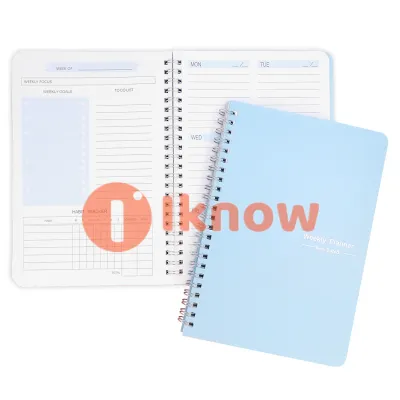
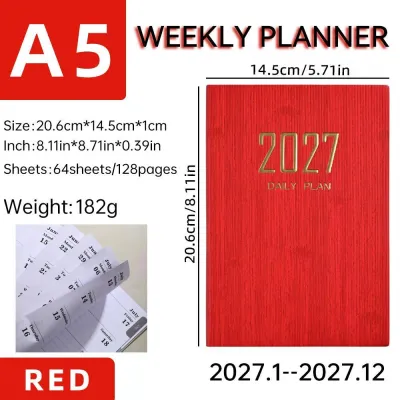
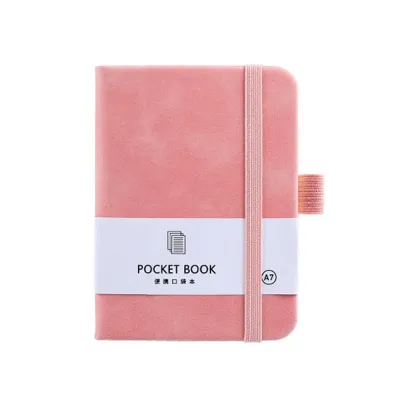
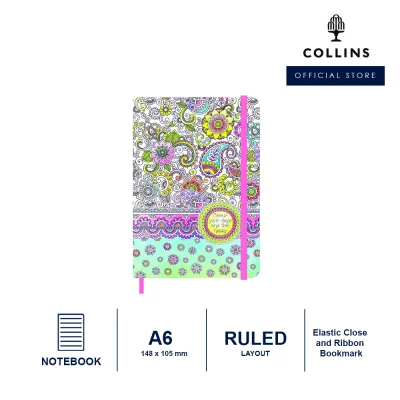
Prices are valid at publication and may change. Please refer to the product page for the latest price.
Opacity is critical for planners because daily organizing often involves writing on both sides of a page. If the paper has low opacity, you will experience “ghosting,” where the shadow of your writing on the front page is visible on the back. In worse cases, the ink may “bleed through” entirely, ruining the subsequent page and making your planner look messy. You can visually check opacity by holding a page up to the light or performing a quick spot test with a medium-weight pen in an inconspicuous area.
The finish or texture of the paper, often referred to as its “tooth,” determines how your pen glides across the surface. Ultra-smooth paper reduces friction, which is ideal for fountain pens and fine-liner gel pens as it prevents the nib or tip from catching. However, this smoothness can sometimes cause slower ink absorption, leading to smudges if you close your notebook too quickly. Conversely, paper with a slight tooth provides a tactile grip that is excellent for pencils, ballpoint pens, and erasable gel inks, though it may cause wet inks to feather.
Binding is another crucial factor that directly impacts your planning experience. A true notebook organizer should feature lay-flat binding, allowing you to write comfortably across two-page monthly or weekly spreads. Thread-bound or section-sewn bindings are highly reliable for this purpose, as they allow the notebook to open flat without requiring you to apply constant pressure. Avoid tightly glued bindings for planners, as they tend to snap shut or crack along the spine when forced open.
Comparing Paper Characteristics Across Popular Brand Tiers
The Singapore stationery market offers a diverse range of notebook organizers, which can generally be grouped into three distinct categories based on their paper characteristics. Understanding these tiers allows you to narrow down your choices based on your budget and performance expectations. Whether you shop at boutique stationery stores in the city center or browse online marketplaces, recognizing these paper profiles will guide your purchase.

Premium Japanese Paper Brands
Premium Japanese planners are highly regarded by stationery enthusiasts for their innovative approach to paper engineering. These brands often utilize exceptionally thin paper, sometimes ranging from 52 to 68 GSM, which allows a 365-day planner to remain remarkably compact and lightweight. Despite this thinness, the paper is treated with specialized sizing agents that prevent wet inks from bleeding through to the other side.
The surface of this paper is typically ultra-smooth, offering almost zero resistance when writing with fountain pens, gel pens, or liquid ink rollers. This smoothness allows inks to dry slowly on the surface, which preserves the vibrant colors, shading, and metallic sheen of specialized inks. However, this slow drying time means you may need to use blotting paper in Singapore’s humid climate to avoid accidental smudging when closing the organizer.
In terms of construction, these notebooks almost always feature advanced lay-flat binding techniques. Many use exposed thread stitching or flexible spine designs that lie completely flat from the very first page to the last. The sizing formats are highly standardized, typically adhering to precise A5, B6, or A6 dimensions, making it easy to find protective covers or leather organizers to house the paper refills.
European Heritage Brands
European heritage brands focus on a more traditional, substantial feel, typically utilizing paper weights between 80 and 120 GSM. This thicker paper provides a sturdy, opaque writing surface that feels robust under hand pressure. The paper color often leans toward a warm ivory or cream shade, which reduces eye strain during long planning sessions under office lighting.
This paper category is highly versatile and performs exceptionally well with standard gel pens, ballpoints, and light creative media such as highlighters or colored pencils. The paper surface has a subtle tooth, providing a satisfying feedback that helps control your handwriting. While some exceptionally wet fountain pens may experience minor feathering on certain European stocks, the paper generally absorbs ink quickly, making it highly practical for fast-paced note-taking.
The binding of these notebooks is traditionally robust, often featuring hard covers or durable soft covers with integrated elastic closures and ribbon markers. While they are bound securely to endure daily travel in a commuter bag, some hardbound editions may require a brief “breaking in” period—gently pressing down the pages from the center outward—to lie completely flat on your desk.
Everyday Accessible Brands
For those who require a highly practical, budget-friendly solution for rapid task tracking, everyday accessible brands are widely available across Singapore. These notebooks typically feature standard wood-free paper ranging from 70 to 80 GSM. While they may not offer the specialized coatings of premium tiers, they provide a reliable and economical canvas for daily lists and quick reminders.
Because the paper is highly absorbent, it is best suited for dry writing instruments such as standard ballpoint pens, pencils, and dry highlighters. Wet inks or heavy markers are likely to ghost or bleed through, so writing is generally kept to one side of the page if using these tools. However, the rapid absorption rate is a major advantage for left-handed writers or those who need to jot down notes quickly without worrying about smudging.
A key advantage of this tier is the widespread availability of modular and refillable systems. Many accessible brands offer disc-bound or multi-ring organizers, allowing you to easily insert, remove, or rearrange pages as your planning needs change. This flexibility makes them an excellent choice for project-based organizing where page order must remain fluid.
Matching Your Paper Choice to Pens and Planning Styles
To achieve the best writing experience, you must match your specific writing tools to the physical properties of the paper. If you prefer fountain pens or liquid ink rollers, your primary concern should be feathering and bleed-through. Look for highly sized, smooth papers that keep the ink on the surface rather than letting it soak into the fibers. Keep in mind that Singapore’s humidity can extend dry times, so pairing smooth paper with a sheet of blotting paper is a practical habit for daily planning.
If your planning style relies heavily on gel pens, fine-liners, or colorful markers, you should prioritize paper opacity and weight. A minimum of 80 GSM is recommended to prevent the vibrant pigments from ghosting onto the reverse side of your weekly spreads. If you enjoy color-coding your schedule with highlighters, look for paper that specifies bleed resistance to ensure your highlights do not seep through and obscure the notes on the next page.
For those who prefer pencils, mechanical pencils, or erasable gel pens, the paper’s surface durability and texture are paramount. Erasable pens rely on frictional heat to make the ink invisible, which can wear down weak paper fibers quickly. You need a paper with a slight tooth to catch the graphite or erasable ink, combined with a high surface strength that will not pill, tear, or warp when subjected to repeated erasing.
Decision Framework: Choosing the Right Notebook Organizer
To finalize your choice, consider this practical decision framework based on your daily writing habits and planning environment:
- Choose Premium Japanese Tiers if you write primarily with fountain pens or fine gel pens, appreciate lightweight and compact planners, and require pages that lie perfectly flat for detailed, two-page monthly layouts.
- Choose European Heritage Tiers if you prefer a substantial, thick paper feel, use standard gel pens or ballpoints, appreciate a warm cream page color that reduces eye strain, and want a classic, professional aesthetic for business meetings.
- Choose Everyday Accessible Tiers if you rely on pencils or ballpoints, need a highly customizable or refillable system where pages can be rearranged, or require a budget-friendly option for high-volume note-taking.
Before making a purchase, always verify the specific product label or manufacturer specifications for the exact GSM and paper origin. Brands frequently use different paper stocks across their various product lines, meaning a brand’s pocket notebook may feature different paper quality than its flagship desk planner. If you are shopping in person at a Singapore stationery boutique, do not hesitate to ask if a tester notebook is available so you can perform a quick pen test on the back pages.

Community discussion
Share your experience or ask a question. Comments are reviewed before publication.