
When setting up an interactive literacy corner, choosing the right magnetic wall surface is the foundation of a successful teaching environment. The ideal surface must hold magnetic letters securely without letting them slide down, while still allowing small hands to move and reposition them easily. While traditional steel-backed whiteboards provide a highly reliable magnetic hold, alternative options like magnetic paint and magnetic wallpaper offer unique layout possibilities for classrooms and home study areas. Selecting the right option depends on your space, installation flexibility, and the specific type of magnetic letters you plan to use.
Key Factors for Evaluating Magnetic Surfaces
To find a surface that supports daily teaching activities, you must evaluate how different materials interact with educational toys. The primary consideration is the magnetic pull strength relative to the weight of your letter pieces. Standard plastic letters often contain small, heavy ceramic or ferrite magnets embedded in their backs. If the wall surface does not contain enough ferrous material, these letters will slowly slide downward or spin out of alignment, disrupting spelling exercises and frustrating young learners.
Surface smoothness is equally critical for fluid, hands-on lessons. During phonics activities, children need to slide letters across the wall to blend sounds or build words. A rough or highly textured wall surface creates friction, making it difficult to move the letters smoothly and potentially scratching the paint or the letters themselves.
Products mentioned in this guide
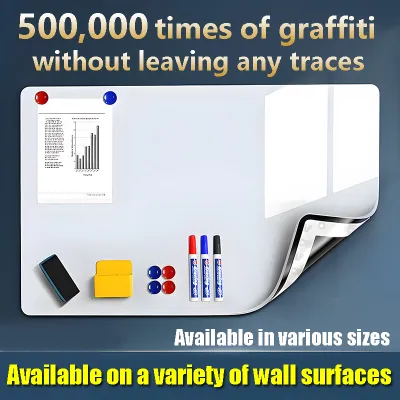
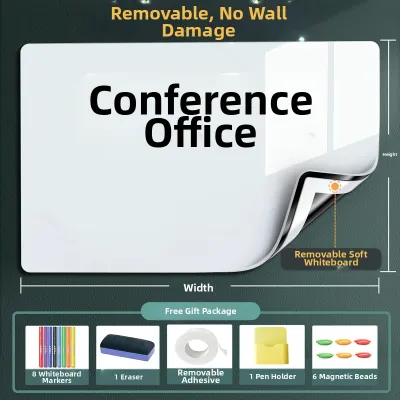
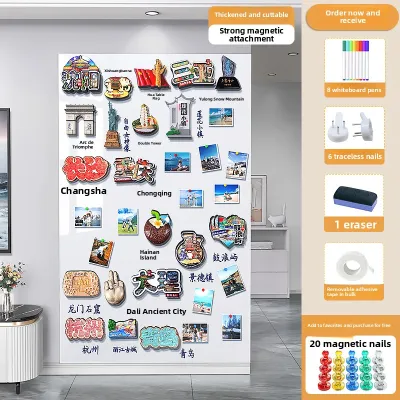
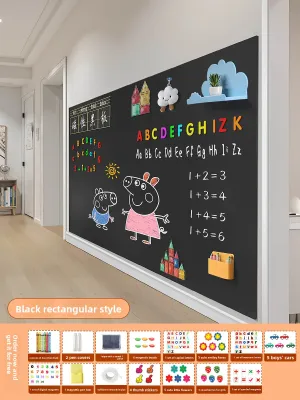
![[120*200cm] magnetic board for wall sticker thickness1.5mm magnetic whiteboard sheet wall paste on wall white board magnetic sticker magnetic wall board whiteboard wall sticker magnetic blackboard static whiteboard](https://img.lazcdn.com/g/p/214f6973963b859209661a571c927c0e.png_400x400q80.png_.webp)
Prices are valid at publication and may change. Please refer to the product page for the latest price.
Installation constraints and long-term durability must also guide your decision. In rented classrooms, preschools, or homes, permanent wall modifications may not be permitted. You must weigh the effort of mounting heavy boards against the multi-step application of paints or the adhesive requirements of wallpapers.
Finally, consider whether you need dual-functionality. Combining a magnetic surface with dry-erase capabilities allows you to write guide lines, draw pictures, or add punctuation marks directly alongside the magnetic letters. This integration creates a much richer, multi-sensory learning station.
Comparing Common Magnetic Wall Solutions
Different magnetic wall products use distinct methods to attract magnets, resulting in varying levels of hold, durability, and ease of installation. Understanding how these materials perform under classroom conditions helps you select a solution that matches your teaching style and space limitations.

Steel and Magnetic Whiteboards
Traditional steel-backed whiteboards represent a highly reliable option for magnetic strength and durability. These boards feature a solid sheet of steel behind a porcelain or painted dry-erase surface, providing a highly receptive plane that easily holds even heavy or thick magnetic letters. Because the metal layer is continuous and thick, letters snap firmly into place without sliding, spinning, or falling off when the board is bumped.
The built-in dry-erase surface is a major advantage for structured lessons. Teachers can draw handwriting lines, write sentence starters, or sketch illustrations that interact directly with the physical letters. This dual-use capability makes whiteboards highly versatile tools for daily phonics and spelling instruction.
However, rigid whiteboards come with physical limitations. They are heavy and require secure wall mounting, often involving anchors, brackets, or frames that leave permanent holes in the wall. They also come in fixed, rectangular sizes, which may not fit irregular wall spaces or wrap around corners. If you choose this option, ensure the mounting hardware is rated for the board’s weight to maintain classroom safety.
Magnetic Paint and Primer
Magnetic paint and primer allow you to transform any flat wall, column, or cabinet door into a custom magnetic display. These liquid coatings contain extremely fine iron dust suspended in a latex or acrylic base. Once applied to a wall, the iron particles create a surface that attracts magnets, allowing you to paint over the primer with any standard wall color to match your room’s decor.
While highly customizable, magnetic paint has a much weaker magnetic pull than solid steel sheets. To achieve a functional hold, you must apply multiple thick, even coats—often three to six layers—and sand the surface lightly between coats to keep it smooth. If the paint is applied too thinly or covered with a thick topcoat of standard paint, the magnetic attraction will drop significantly, causing standard plastic letters to slide down the wall.
This solution is best suited for large, irregular, or curved spaces where rigid boards cannot fit. To ensure success, you will likely need to pair a painted wall with lightweight letters or upgrade to letters equipped with stronger neodymium magnets. Additionally, applying magnetic paint is a labor-intensive process that requires proper ventilation during application and a long curing time before use.
Magnetic Wallpaper and Vinyl
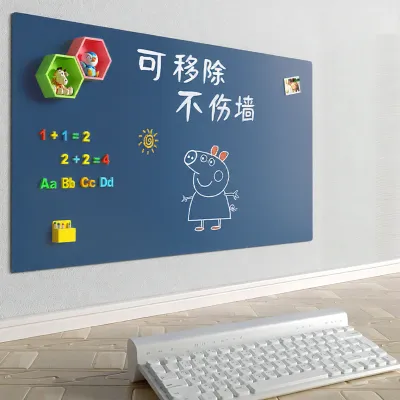
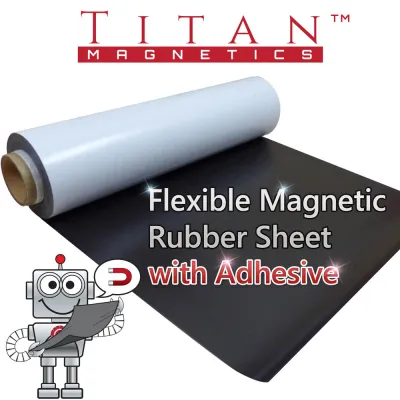
Magnetic wallpaper and peel-and-stick vinyl sheets offer a middle ground, combining the flexibility of a wall covering with a stronger magnetic hold than paint. These products are manufactured with a high density of iron powder embedded directly into a flexible vinyl or paper backing. They can be applied to walls using heavy-duty wallpaper paste or built-in self-adhesive backings.
The magnetic receptivity of wallpaper is generally moderate to high, depending on the thickness and iron density of the specific product. High-quality magnetic wallpapers can hold standard plastic letters reliably, though very heavy wooden or thick foam letters might still experience minor slippage. The surface is typically smoother than painted walls, allowing for easier letter sliding during spelling games.
Environmental factors can affect the longevity of magnetic wallpaper. In humid climates or poorly ventilated classrooms, the edges of peel-and-stick vinyl may begin to lift, bubble, or peel away from the wall over time. Proper wall preparation—including cleaning, drying, and smoothing the plaster beforehand—is essential to prevent these issues. For temporary setups or rented spaces, look for low-tack, removable options that can be peeled off without tearing the underlying drywall.
How to Verify Magnetic Hold and Surface Quality
Before committing to a full installation or purchasing a large set of educational letters, it is wise to perform a few simple, observable tests to verify that your chosen surface and letters are compatible.
The most reliable test is the slide and drop test. Take a representative sample of the magnetic letters you plan to use—including the heaviest or largest pieces—and place them on a vertical sample of your intended surface. Observe whether the letters hold their position immediately, slide slowly downward, or spin upside down. If a letter slides even slightly, the magnetic attraction is insufficient for active classroom use.
Next, run your hand firmly across the surface to check for bumps, texture, or unevenness. A textured wall will prevent the flat backing of a letter magnet from making full contact with the metal or iron particles, drastically reducing the holding power. If you are using magnetic paint, light sanding between coats is the best way to eliminate these performance-robbing bumps.
Finally, inspect the magnets on the back of your letters. Standard educational letters typically use dark grey, flexible strip magnets or small ceramic disc magnets. If your testing reveals a weak hold on a painted or wallpapered surface, you can often resolve the issue by sticking small, high-strength neodymium magnet discs over the existing magnets, or by switching to lightweight foam letters with full-coverage magnetic backings.
Decision Framework for Your Classroom
To choose the best magnetic wall solution for your specific teaching environment, consider your primary instructional goals, budget, and installation limits.
Select a steel-backed magnetic whiteboard if your lessons rely heavily on combining writing with letter manipulation, and if you require the absolute strongest, most reliable magnetic hold. This option is ideal for permanent classrooms where you can securely mount heavy frames and where daily, high-traffic use demands a durable, easily cleaned surface.
Opt for magnetic paint if you want to create a large, seamless, or custom-shaped learning zone that blends invisibly into your room when not in use. This approach works best if you have the time to apply multiple coats, can ensure a perfectly smooth finish, and are willing to use lightweight letters or upgraded magnets to compensate for the milder magnetic pull.
Choose magnetic wallpaper or vinyl sheets if you need a modern, clean look with a reliable hold but want to avoid the labor of painting or the permanent mounting of heavy boards. This is a highly practical choice for temporary teaching spaces, rented rooms, or classrooms where you want to cover an entire wall from floor to ceiling quickly.
Always verify the compatibility of your existing letter sets before finalizing your wall. If your current letters feature small, weak magnets, upgrading to lightweight foam letters or adding stronger magnetic backings is often more cost-effective than trying to increase the magnetic pull of a finished wall.
Frequently Asked Questions (FAQ)
Can I use standard magnetic letters on magnetic paint?
Standard plastic magnetic letters, which often feature small, heavy ceramic magnets, can struggle to stay in place on magnetic paint. Because painted surfaces have a lower concentration of iron than solid steel, the magnetic pull is weaker. To use standard letters successfully, you must apply at least four to six coats of magnetic primer to build up a thick iron layer. If the letters still slide or spin during testing, consider switching to lightweight foam letters with full-coverage magnetic backings, or attach small, strong neodymium magnets to the back of your existing letters to increase their grip.
How do I clean a magnetic wall without damaging the surface?
The cleaning method depends entirely on the type of magnetic surface you install. Solid steel whiteboards can be wiped down daily with a microfiber cloth and standard dry-erase board cleaners or isopropyl alcohol to remove ink residue. For magnetic paint, avoid harsh chemical cleaners or abrasive scrubbing pads, which can wear down the topcoat and expose the iron primer; instead, use a damp, soft cloth with mild soapy water for occasional cleaning. Magnetic wallpaper should be dusted regularly with a dry microfiber cloth, and any smudges should be gently wiped with a slightly damp sponge, taking care not to let water seep into the seams or edges where it could cause peeling.

Community discussion
Share your experience or ask a question. Comments are reviewed before publication.