
Finding the right magnets strip for office document organization in Singapore requires looking beyond generic brand names. While many products claim to offer the strongest hold, the actual performance of a magnetic strip on a whiteboard, filing cabinet, or metal partition depends on physical properties rather than marketing labels. Because there is no universal third-party testing standard that ranks these brands, selecting the right option involves understanding material specifications, adhesive types, and surface conditions.
In a typical Singapore office environment, magnetic strips are used to display project timelines, organize invoices, or mount notices on steel surfaces. The effectiveness of these strips relies on a balance between magnetic pull force and adhesive shear strength. By evaluating these technical aspects, you can avoid the frustration of sliding documents, peeling adhesives, and damaged surfaces, ensuring a reliable and organized workspace.
Understanding the Specifications That Determine Hold Strength
To choose a magnetic strip that performs reliably, you must first understand the materials used in its construction. Most flexible magnetic strips are made from a mixture of strontium or barium ferrite powder and a synthetic rubber binder. This composition allows the strip to remain flexible and easily cut to size, but it inherently possesses lower magnetic strength compared to rigid, solid magnets. For heavy-duty applications, some specialized strips feature embedded neodymium magnetic discs, which offer significantly higher holding power but lack the flexibility of standard rubber-based options.
Products mentioned in this guide
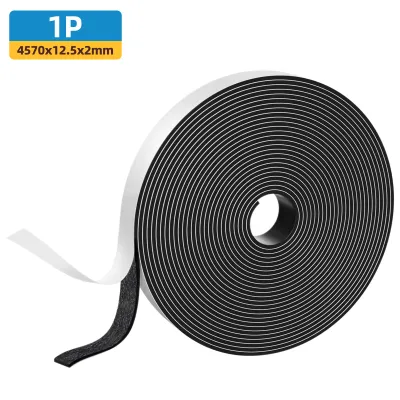
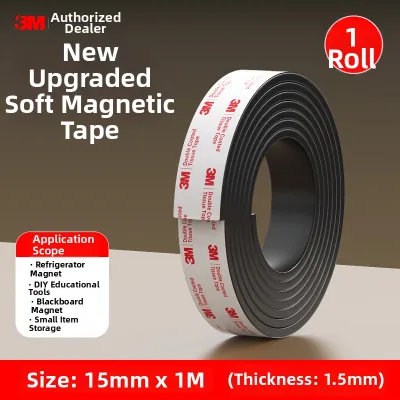
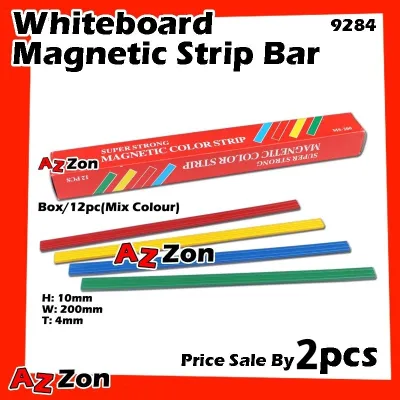
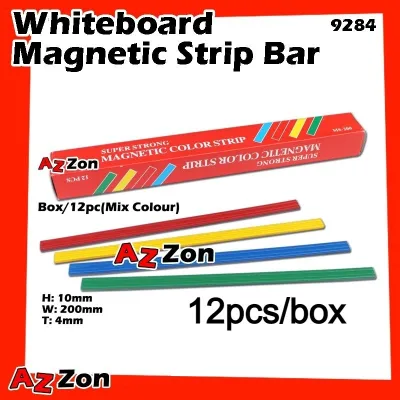
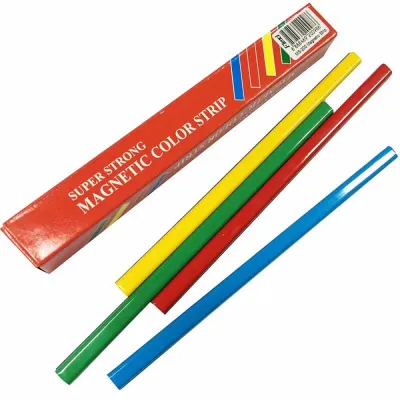
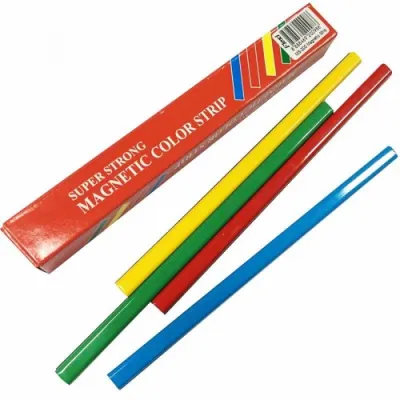
Prices are valid at publication and may change. Please refer to the product page for the latest price.
Physical dimensions play a critical role in determining the overall pull force of a magnetic strip. Thickness is particularly important; a strip that is 2.0mm thick will generally have a much stronger magnetic field and greater holding power than a strip that is 1.0mm or 1.5mm thick. Width also matters, as a wider strip provides a larger surface area to distribute weight and resist sliding. When mounting items vertically on a filing cabinet, shear strength—the resistance to sliding downward—is the primary force to consider. Thicker and wider strips provide the necessary friction and magnetic mass to prevent heavy documents from sliding down the surface.
Equally important is the adhesive backing that secures the magnetic strip to your document or cardstock. Manufacturers typically use either acrylic-based or foam-based adhesives. Acrylic adhesives are thin, clear, and offer excellent resistance to temperature fluctuations and humidity, making them ideal for standard paper and plastic backings in air-conditioned offices. Foam adhesives are thicker and more conformable, allowing them to bond well to slightly textured or uneven surfaces, though they may leave more residue upon removal. Understanding these material differences helps you select a product that matches both your document type and your mounting surface.
Evaluating Brand Reliability Without Independent Test Data
When shopping for magnetic strips in Singapore, you will find a wide variety of brands in local stationery stores and online marketplaces. Because independent, standardized test data is rarely available for these consumer-grade products, you must rely on verifiable manufacturer specifications to assess quality. Reliable brands will clearly state the physical dimensions, material thickness, and estimated weight capacity per unit length on their packaging. Avoid products that rely solely on vague marketing terms like “super strong” or “industrial grade” without providing these concrete measurements.

Brand transparency regarding adhesive performance is another key indicator of reliability. Reputable manufacturers provide clear instructions regarding adhesive curing times, recommended application temperatures, and compatible surface materials. They may also specify the brand of adhesive tape used on the backing, such as genuine 3M adhesive, which is a strong indicator of long-term bond reliability. If a brand does not disclose the type of adhesive used or fails to provide application guidelines, the adhesive is more likely to fail prematurely under the weight of your documents.
User reviews on local ecommerce platforms can provide valuable clues about real-world performance, provided you know what warning signs to look for. Search reviews for recurring complaints about edge peeling, where the magnetic strip curls away from the adhesive backing over time. Another common issue is demagnetization, where the strip loses its holding power after a few months of use. While occasional negative reviews are normal, a pattern of complaints regarding adhesive failure or weak magnetic hold across multiple buyers suggests poor quality control and a lack of product durability.
Matching Strip Profiles to Your Document Types
Selecting the right magnetic strip profile depends entirely on the weight, thickness, and handling frequency of the documents you need to organize. For lightweight items such as single-sheet memos, receipts, photos, or standard sticky notes, a thin and highly flexible magnetic strip is usually sufficient. These strips can be easily cut into small squares or short segments, allowing you to create custom magnetic backings that do not add unnecessary bulk or weight to your documents.
For heavier or more rigid items, such as laminated charts, multi-page reports, cardboard folders, or reference manuals, you will need a thicker and wider magnetic strip profile. These applications benefit from multi-pole magnetic configurations, where alternating north and south poles are closely spaced across the width of the strip. This design concentrates the magnetic field close to the surface, maximizing the holding power on thin steel sheets like those found on office whiteboards and metal partitions. Using a thin, single-pole strip for these heavier items will likely result in the documents sliding down the wall.
Before purchasing, you must also evaluate the specific metal surface in your office, as this greatly affects magnetic performance. Standard steel filing cabinets and magnetic whiteboards provide an excellent surface for flexible magnets. However, if your whiteboard has a thick powder coating, a textured finish, or a glass overlay, the effective magnetic hold will be significantly reduced. Glass magnetic boards, in particular, require specialized, high-strength neodymium magnets to bridge the gap created by the glass layer; standard flexible rubber magnetic strips will not hold through glass, regardless of the brand.
Surface Preparation and Installation for Maximum Hold
To ensure that your chosen magnetic strip performs to its full potential, proper surface preparation and installation are essential. Before applying the adhesive backing to any document, cardstock, or office surface, you must clean the area thoroughly. Use isopropyl alcohol or a mild soapy water solution to remove dust, finger oils, whiteboard marker residue, and manufacturing oils. Allow the surface to dry completely before proceeding, as any remaining moisture or residue will severely compromise the adhesive bond.
When applying the strip, peel away the protective backing and press the adhesive firmly against the surface, working from one end to the other to avoid trapping air bubbles. Apply even, firm pressure along the entire length of the strip for at least thirty seconds to activate the pressure-sensitive adhesive. Most high-quality adhesives require a curing period to reach their maximum bond strength. It is highly recommended to let the adhesive cure for at least 24 hours before subjecting the magnetic strip to any weight or hanging documents.
There are certain conditions where you should avoid using adhesive-backed magnetic strips to prevent damage or failure. Do not apply strong adhesives to freshly painted walls, delicate wood veneers, or highly textured surfaces, as removing the strip later may tear the paint or damage the finish. Additionally, ensure that any cutting tools used to size the strips are handled safely, and keep solvents used for cleaning out of reach of children. If you are unsure about surface compatibility, perform a small spot test in an inconspicuous area before completing the installation.
Frequently Asked Questions (FAQ)
Can I cut magnetic strips to custom lengths for small notes?
Yes, flexible rubber magnetic strips can be easily cut to custom lengths using standard heavy-duty office scissors or a utility knife. To ensure a clean and safe cut, place the strip on a flat, stable surface and use a metal ruler as a straight edge if using a utility knife. Always handle cutting blades with care to prevent injury. Cutting flexible rubber strips does not alter or weaken their magnetic polarity, but you should ensure the cut edges are smooth to prevent them from catching on documents or scratching delicate whiteboard surfaces. Rigid magnetic strips containing metal backings or neodymium inserts should not be cut with standard office tools.
Will adhesive magnetic strips damage metal cabinets or whiteboards?
Whether an adhesive magnetic strip damages a surface depends largely on the type of adhesive backing used and how it is removed. Permanent acrylic adhesives provide a highly secure bond but can leave a stubborn, sticky residue when peeled away. Foam-backed adhesives may tear during removal, leaving unsightly foam fragments stuck to the metal. To remove a strip safely without scratching the paint or whiteboard coating, slide a piece of dental floss or a thin plastic scraper underneath the strip to gently break the adhesive bond. Any remaining residue can be cleaned using a mild adhesive remover or isopropyl alcohol, but you should always test a small, hidden area first to ensure the solvent does not dull or damage the surface finish.

Community discussion
Share your experience or ask a question. Comments are reviewed before publication.