
Selecting a 2026 planner is a highly personal decision that directly impacts your daily productivity and organization. To find the ideal option, you must evaluate how a brand’s specific layout, paper weight, and binding style align with your writing tools and scheduling habits. Because manufacturers frequently update paper sourcing, cover materials, and page configurations for each annual release, relying on past experiences or general brand reputation is often insufficient.
A successful comparison requires looking past aesthetic appeal to analyze technical specifications. By examining page layouts, paper thickness, binding durability, and extra features, you can select a tool that integrates seamlessly into your workflow. This guide provides a structured framework to evaluate these critical dimensions, helping you make an informed choice for the upcoming year.
Choosing the Right Page Layout for Your Routine
The foundation of any planner is its page layout, which dictates how you visualize your time and organize your tasks. Choosing the wrong format can lead to unused pages or, conversely, a lack of space that forces you to cram notes into tiny margins. To avoid this, start by analyzing your daily scheduling density and task volume.
Products mentioned in this guide
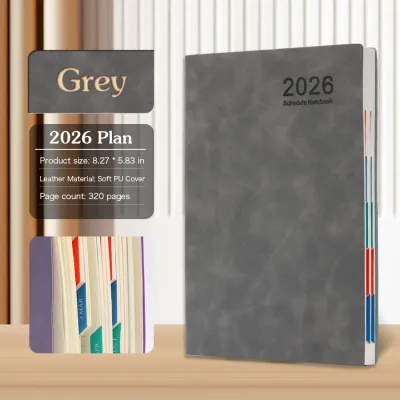
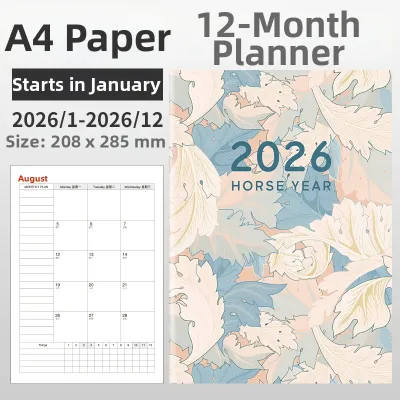
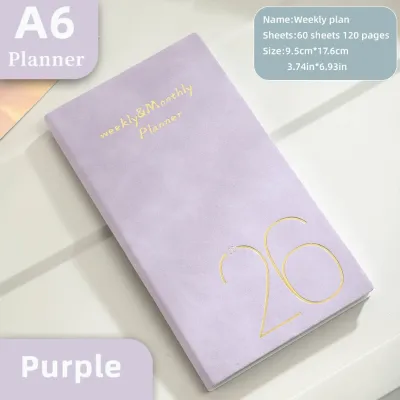
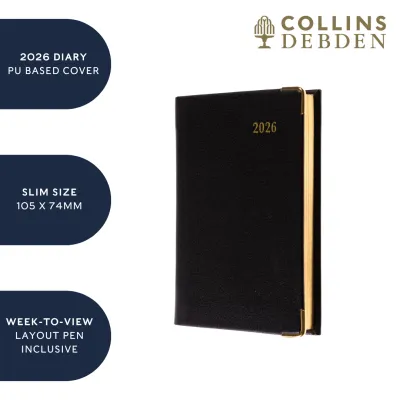
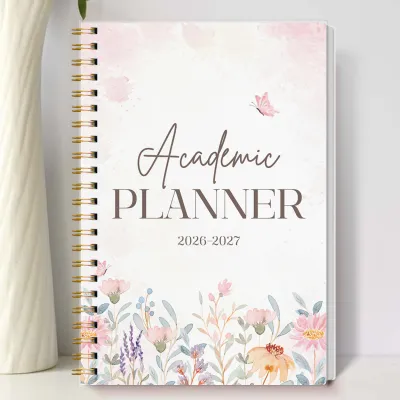
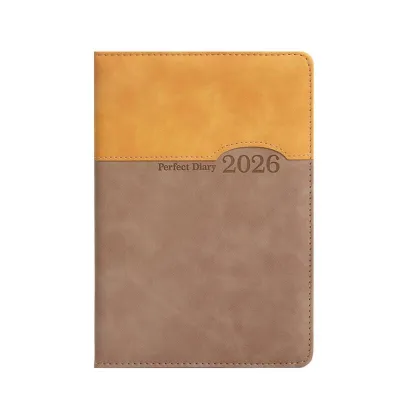
Prices are valid at publication and may change. Please refer to the product page for the latest price.
Daily layouts allocate a full page, or sometimes two, to a single day. This format is ideal if you have a high volume of meetings, detailed daily to-do lists, or use your planner for reflective journaling. However, daily planners are naturally thicker and heavier, making them less suitable for constant travel.
Weekly layouts are the most common and versatile option, typically split into vertical or horizontal formats. Vertical weekly layouts present days as columns, which is excellent for hourly time-blocking and visualizing your schedule chronologically. Horizontal weekly layouts offer wider rows for each day, making them better suited for task-oriented planning, bulleted lists, and general note-taking.
Monthly spreads provide a high-level overview of your year, making them perfect for tracking long-term deadlines, travel plans, and major milestones. Many planners combine monthly spreads with weekly or daily pages, but minimalist monthly-only planners exist for those who prefer a lightweight overview.
Beyond structured calendars, consider the underlying page style. Grid and dotted formats offer subtle guidance for straight writing and drawing, making them highly popular for integrating bullet journaling techniques. Blank pages offer complete freedom but require more effort to keep organized, while lined pages are best for straightforward text entry.
Before purchasing, always check the manufacturer’s official layout previews. Pay close attention to the start and end times of hourly schedules, the inclusion of weekend space, and the width of the margins. Some brands compress Saturday and Sunday into a single slot, which can be a major drawback if your weekends are as busy as your weekdays.
Assessing Paper Quality and Pen Compatibility
Paper quality is the most critical factor for writing comfort, yet it is often the hardest to evaluate online. The interaction between your pen’s ink and the paper surface determines whether your writing remains crisp or turns into a blurry, bleeding mess. Understanding paper specifications allows you to predict this performance before you write your first entry.

The primary metric for paper thickness is grams per square meter (GSM). Standard office paper typically ranges from 70 to 80 GSM, which is functional but prone to ghosting—where writing is visible on the reverse side of the page. Planners featuring 52 to 68 GSM paper are incredibly thin and lightweight, allowing for high page counts in a portable format, but they require specific inks to prevent bleed-through.
For heavy ink users, planners with 100 to 120 GSM paper offer a sturdier writing surface that resists ghosting from most pens. If you plan to use wet mediums like fountain pens, heavy gel pens, or water-based markers, look for paper specifically rated for ink resistance. High-GSM paper adds weight and thickness, resulting in a bulkier planner that may be less convenient to carry daily.
The paper’s finish and coating also play a vital role in pen compatibility. Coated papers have a smooth, almost slick surface that prevents ink from absorbing too quickly. This resistance keeps fountain pen inks sharp and vibrant, preventing feathering—where ink spreads along the paper fibers. However, this coating significantly increases drying times, making it prone to smudging for left-handed writers or those using fast-flowing gel pens.
Uncoated papers absorb ink rapidly, leading to fast drying times that are highly convenient for quick notes. The trade-off is a higher likelihood of feathering and bleed-through when using wet inks. If you prefer fine-tip gel pens or standard ballpoints, uncoated paper provides a pleasant, slightly textured feedback that many writers enjoy.
Because paper performance depends on the exact combination of ink, pen tip size, and paper batch, always verify the manufacturer’s paper source for the 2026 edition. If you are unsure of compatibility, use the back index or notes pages of your new planner to conduct a small ink test. Apply your favorite pens and highlighters in a discreet area to observe drying speed, ghosting, and bleed-through before committing to your main planning pages.
Selecting Binding Types for Durability and Portability
The binding of your planner determines how easily it opens, how flat it lies on your desk, and how well it survives daily wear inside a bag. A planner that resists staying open can be incredibly frustrating to use, while a fragile binding can lead to loose pages halfway through the year.
Thread-sewn bindings, often referred to as lay-flat bindings, are the gold standard for writing comfort. These planners use bundles of folded pages sewn together with thread, allowing the book to open completely flat at any page without damaging the spine. This design ensures you can write comfortably near the center gutter without fighting the curve of the pages.
Spiral and wire-bound systems offer a different kind of flexibility. These planners can be folded back 360 degrees, taking up half the desk space of a traditional book. This makes them excellent for writing on your lap or on cramped coffee shop tables. The main drawback is that the metal or plastic coils can interfere with your hand placement when writing near the margins, and the rings can snag on items inside your bag.
Disc-bound and modular ring systems allow you to add, remove, and rearrange pages at will. This level of customization is perfect for dynamic workflows, but it requires a dedicated punch if you want to insert your own paper. Additionally, pages in disc-bound systems can occasionally tear free if handled roughly, and the overall structure tends to be bulkier than sewn alternatives.
Cover materials directly impact both durability and weight. Hardcovers provide a built-in writing surface and maximum protection for the page edges, but they add noticeable weight to your daily carry. Softcovers, made from flexible cardstock, plastic, or synthetic leather, are lighter and conform easily to tight spaces, though their corners are more susceptible to bending and fraying over time.
When comparing options, always verify the physical dimensions (such as standard A5, B6, or A6 sizes) and the total page count. A thick A5 planner with daily pages and a heavy hardcover might be perfect for a permanent desk setup, but a slim B6 weekly planner with a flexible cover is far more practical if you commute regularly.
Weighing Extra Features and Customization Options
Beyond the core calendar pages, modern planners often include a variety of supplementary features designed to enhance organization. While these additions can provide excellent value, they can also add unnecessary bulk and cost if they do not align with your actual planning habits.
Common structural features include yearly overview calendars, index pages, project trackers, and perforated notes pages. Built-in storage pockets on the inside covers are highly practical for holding loose receipts, business cards, or sticker sheets. Ribbon markers—ideally two or three—allow you to jump instantly to your current monthly, weekly, and daily spreads without flipping through pages.
Some planners offer modular or refillable systems, where the outer cover is a long-term investment and the inner paper booklet is replaced annually. This approach is highly sustainable and allows you to mix and match different inserts, such as combining a weekly planner with a blank sketchbook or a specialized habit tracker.
Many brands bundle their planners with accessories like stickers, stencils, specialized rulers, or decorative clips. While these can be fun for creative planning, they often increase the retail price. If your primary goal is straightforward time management, prioritize the quality of the paper and the layout over decorative extras that you may not use.
Decision Framework: Which 2026 Planner Fits Your Workflow?
To synthesize these comparison factors, use the following condition-based rules to match a 2026 planner to your specific workflow.
Choose a high-GSM, daily lay-flat planner if:
- You use fountain pens, heavy gel pens, or markers and require maximum bleed resistance.
- Your daily schedule is highly detailed, requiring hourly time-blocking and extensive task lists.
- You primarily keep your planner on your desk and do not mind a heavier, thicker book.
Choose a lightweight, weekly-grid or horizontal planner if:
- You prefer standard ballpoint pens or fine-tip gel pens that dry quickly on uncoated paper.
- You need a high-level overview of your week rather than hour-by-hour scheduling.
- Portability is a priority, and you need a slim planner that fits easily into a daily commute bag.
Verify first if you are switching brands or upgrading to a new 2026 edition:
- Check the official specifications to confirm if the paper manufacturer or GSM has changed from previous years.
- Ensure the binding style (such as sewn vs. glued) matches your expectation for lay-flat usability.
- Review the exact dimensions and page count, as even minor layout adjustments can alter the physical footprint of the planner.

Community discussion
Share your experience or ask a question. Comments are reviewed before publication.