
Finding the ideal 100gsm notebook in Singapore involves looking beyond the weight of the paper to examine how the sheets are manufactured, treated, and bound. While a paper density of 100 grams per square meter (gsm) generally offers a substantial feel and reduced transparency compared to standard office paper, it does not guarantee a universal standard of performance. The ultimate writing experience depends on how the paper interacts with your specific writing instruments, whether you prefer a smooth glide or a tactile bite, and how the notebook holds up under local environmental conditions.
Rather than relying on a single brand recommendation, finding the right notebook requires a structured framework to compare paper properties, evaluate cost-effectiveness, and verify quality before purchasing. By understanding the technical aspects of paper production and matching them to your daily writing tools, you can confidently navigate the diverse stationery options available in Singapore’s retail stores and online marketplaces.
Understanding Paper Quality Metrics in 100gsm Notebooks
To objectively compare different 100gsm notebooks, you must look at several key physical properties that dictate how the paper behaves under a pen. The first of these is opacity, which refers to the paper’s ability to block light and prevent ink on one side of a page from being visible on the reverse. High opacity is essential if you plan to write on both sides of each sheet, as it prevents distracting ghosting or show-through.
Products mentioned in this guide
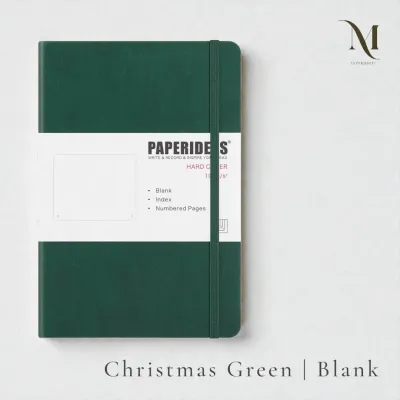
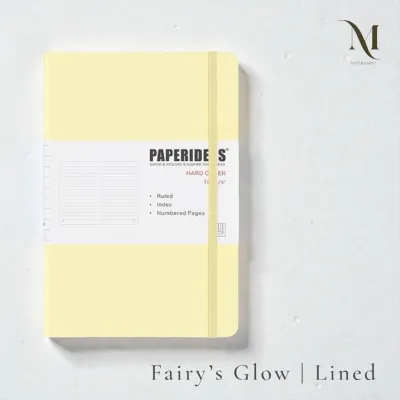
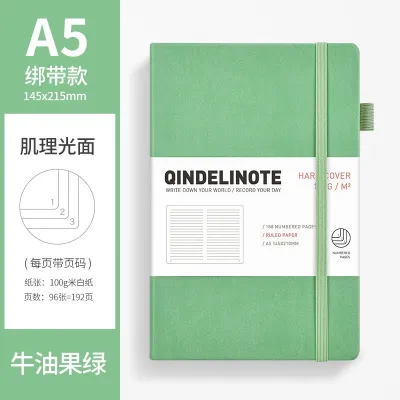
Prices are valid at publication and may change. Please refer to the product page for the latest price.
Another critical factor is surface sizing, which is a chemical treatment applied during manufacturing to control the paper’s absorbency. Internal sizing is mixed directly into the paper pulp, while surface sizing is applied to the finished sheet to create a protective barrier. Heavily sized paper resists ink penetration, keeping the ink crisp on the surface, whereas lightly sized paper absorbs ink quickly, which speeds up drying but increases the risk of feathering.
The texture of the paper, often referred to as its “tooth,” also plays a major role in your writing comfort. Smooth paper has very little tooth, allowing gel pens and fountain pens to glide effortlessly across the surface, which is ideal for fast, fluid writing. Conversely, paper with a noticeable tooth provides a slight resistance that gives pencils, fine-liners, and ballpoint pens a satisfying grip and better control.
Finally, consider the brightness and tint of the paper, which can range from a stark, bright white to a warm cream or ivory. Bright white paper offers high contrast, making vibrant ink colors stand out, but it can cause eye strain under bright office or study lights. Cream and off-white tints soften this contrast, providing a more comfortable reading and writing experience during long journaling or note-taking sessions.
Matching 100gsm Paper Properties to Your Writing Tools
Different writing instruments require specific paper characteristics to perform at their best, making it crucial to match your preferred pens with the right 100gsm paper. Fountain pens and other water-based ink tools deposit a relatively large volume of liquid onto the page. To prevent feathering—where the ink spreads along the paper fibers—and bleed-through, you should look for 100gsm paper with high-quality surface sizing and a hard, smooth finish.

Gel, rollerball, and ballpoint pens have different requirements due to the viscosity of their inks. Gel and rollerball inks dry through a combination of absorption and evaporation, meaning they can pool and smudge easily on highly sized, non-porous paper. A moderately absorbent 100gsm paper balances quick drying times with clean, sharp lines, which is particularly important for left-handed writers. Ballpoint pens, which use thick, oil-based inks, perform reliably on almost any 100gsm surface, though a slight tooth helps the ball bearing roll smoothly without skipping.
Pencils and fine-liners rely heavily on the surface texture of the page. Graphite requires a certain amount of friction to shave off and adhere to the paper, meaning extremely smooth, coated papers can make pencil marks look faint and cause the lead to slip. A 100gsm paper with a subtle tooth captures graphite beautifully and prevents smudging, while also protecting the delicate plastic tips of fine-liners from premature wear.
Evaluating Price and Build Quality Across Formats
To determine the true value of a 100gsm notebook, you should look beyond the initial retail price and calculate the cost-per-page. By dividing the total price in S$ by the number of usable pages, you can objectively compare different brands and formats. For example, a S$15 notebook containing 160 pages costs approximately S$0.09 per page, whereas a S$10 notebook with only 80 pages costs S$0.13 per page, making the seemingly more expensive option a better long-term value.
The binding method is another crucial aspect of build quality that directly impacts your writing comfort. Thread-sewn binding, also known as Smyth-sewn, allows the notebook to lay completely flat on your desk, making it easy to write near the center margin without fighting a curved page. Wire-o or spiral binding also offers lay-flat convenience and allows you to fold the notebook back on itself, though the metal coils can sometimes interfere with your hand placement. Glued or perfect binding is generally less durable and may resist laying flat, requiring constant pressure to keep the book open.
Additionally, evaluate the cover materials and finishing details based on your daily routine. Hardcovers provide a stable writing surface on your lap and protect the pages when carried in a bag, while softcovers are lighter and more flexible. Practical features such as rounded corners to prevent fraying, elastic closure bands, ribbon markers, and micro-perforated pages for clean tearing all contribute to the overall utility and value of the notebook.
How to Test and Verify Paper Quality Before Buying
When shopping for a 100gsm notebook, you can take several practical steps to verify the paper quality before committing to a purchase. Start by reading the manufacturer’s specifications on the packaging or product listing. Look for terms like “acid-free” or “archival-grade,” which indicate the paper will not yellow or degrade over time, and check for explicit claims regarding ink compatibility or fountain pen friendliness.
If you are shopping at a physical stationery store in Singapore that provides sample display notebooks, bring your own pens to conduct a quick swatch test. Find a blank page at the back of the sample book and write a few test lines, draw a solid block of ink, and note how long the ink takes to dry. Immediately check the reverse side of the page to evaluate the level of show-through and look closely at the edges of your writing to detect any feathering or bleeding.
When purchasing online, where physical testing is impossible, rely on verified customer reviews and detailed community discussions. Search specifically for feedback from users who write with the same pen and ink combinations you prefer. Furthermore, check the retailer’s return and exchange policies to ensure you can return the notebook if the paper performance does not match the advertised specifications upon arrival.
Decision Framework: Choosing the Right 100gsm Notebook
To finalize your choice, use a conditional decision framework that aligns the paper’s physical properties with your primary writing activities. If you write extensively with wet fountain pens or highly saturated liquid inks, prioritize heavily sized, smooth 100gsm paper to ensure clean lines and zero bleed-through.
If you write for long hours and primarily use ballpoint pens, gel pens, or pencils, opt for a lightly textured, cream-tinted paper. The subtle tooth provides excellent control and a satisfying tactile response, while the warm tint reduces eye strain under artificial lighting.
If your work involves sketching, mind-mapping, or writing across the entire width of the page, focus on the binding first. Choose a thread-sewn or wire-bound notebook that lays completely flat, ensuring you can utilize the center gutter without obstruction.
If a notebook lacks clear specifications regarding its sizing or ink compatibility, and you plan to use specialized or highly wet inks, stop and consult the manufacturer’s guidelines or seek advice from local stationery specialists before making your purchase.
Frequently Asked Questions (FAQ)
Is 100gsm paper always thick enough to prevent ink bleed-through?
No, paper weight alone does not guarantee resistance to ink bleed-through. While 100gsm paper is thicker and heavier than standard office paper, its ability to resist ink penetration depends heavily on its surface sizing and fiber density. A poorly sized 100gsm paper can still allow wet inks to bleed through to the other side, whereas a well-treated, heavily sized paper of the same weight will keep ink crisp and contained on the surface.
Why does ink take longer to dry on some 100gsm notebooks?
Extended drying times are typically a side effect of high-quality surface sizing. Sizing creates a barrier that prevents the paper fibers from immediately absorbing liquid ink, which is excellent for keeping lines sharp and preventing bleed-through. However, because the ink must dry primarily through evaporation on the surface of the page, it remains wet longer, increasing the risk of smudging for fast writers or left-handed users.
How should I store 100gsm notebooks in Singapore's humid climate?
Singapore’s high relative humidity can cause paper fibers to absorb moisture from the air, leading to page warping, limpness, or mold. To protect your notebooks, store them in dry, well-ventilated areas away from direct sunlight. For long-term storage of unused notebooks, consider placing them in sealed plastic containers or drawers equipped with silica gel packets to absorb excess moisture and keep the paper flat and crisp.

Community discussion
Share your experience or ask a question. Comments are reviewed before publication.