
Choosing the right fabric for sewing dictates how a garment fits, how it moves, and how difficult it will be to construct. Every textile behaves differently under the needle, around the body, and through the wash. Understanding how different materials behave allows you to select patterns that complement your material, set up your sewing machine correctly, and avoid common pitfalls like skipped stitches or puckered seams.
To make informed decisions, you must look beyond the fiber name on the bolt. A fabric’s performance is determined by three fundamental physical dimensions: stretch, drape, and ease of handling. By mastering these three properties, you can confidently match any fabric to your current skill level and project goals.
Choosing the Right Fabric for Sewing: Understanding Stretch, Drape, and Handling
Stretch refers to a fabric’s ability to extend under tension and return to its original shape once released. This property is divided into mechanical stretch, which comes from the physical looping of a knit weave, and elastomeric stretch, which is achieved by blending synthetic fibers like spandex or elastane into the weave. When selecting a fabric for sewing, you must match the fabric’s stretch percentage to the requirements of your pattern. If a pattern designed for a high-stretch knit is sewn with a stable woven fabric, the finished garment will be impossible to wear or highly restrictive.
Products mentioned in this guide
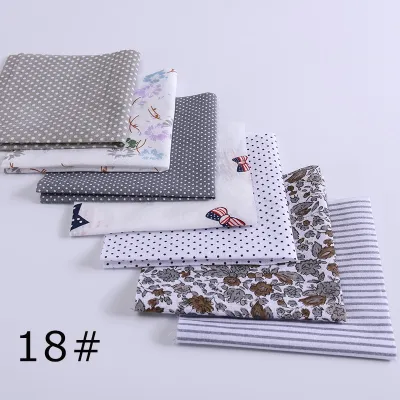
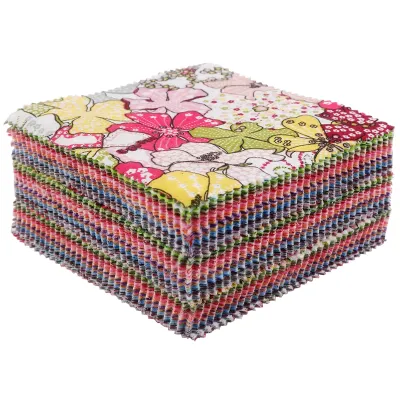
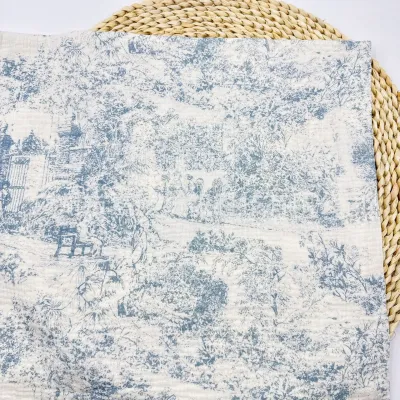
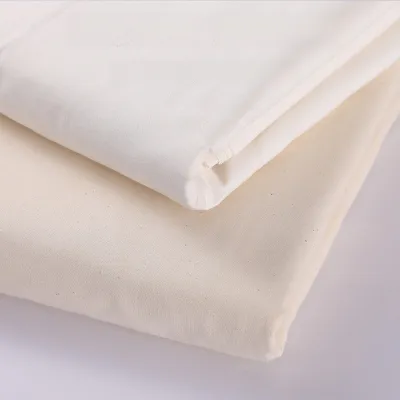
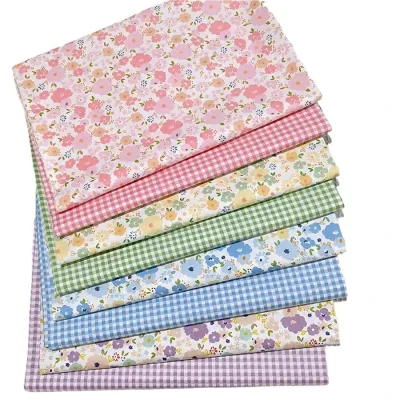
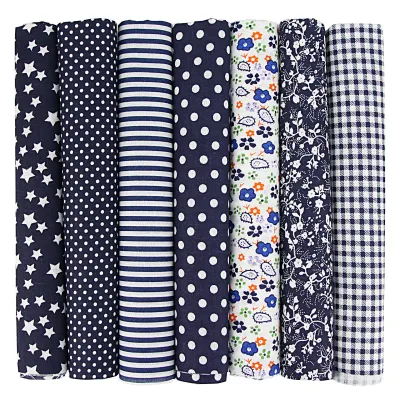
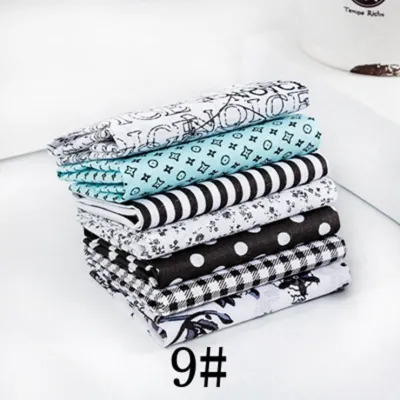
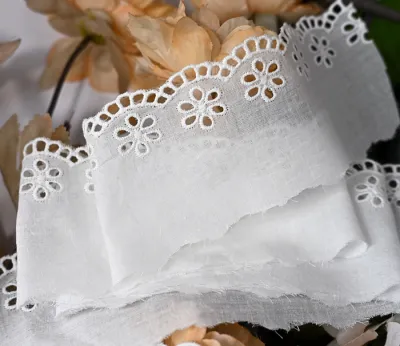
Prices are valid at publication and may change. Please refer to the product page for the latest price.
Drape describes how a fabric falls, folds, and conforms to a three-dimensional shape. A fabric with a stiff drape, such as canvas or crisp cotton poplin, tends to stand away from the body, making it ideal for structured garments, sharp collars, and boxy silhouettes. Conversely, a fabric with a fluid drape, like silk or rayon challis, clings to curves and falls in soft, undulating folds. Understanding drape ensures that your finished item matches the designer’s intended silhouette, preventing a fluid cowl neck from looking stiff or a structured jacket from looking limp.
Ease of handling dictates how cooperative a fabric remains during the cutting, pinning, and stitching phases. Highly stable fabrics do not slip, stretch out of shape, or fray excessively, allowing you to feed them smoothly through the machine. Difficult-to-handle fabrics may slide off the cutting table, unravel rapidly along raw edges, or stretch unevenly under the presser foot. Beginner sewists should prioritize stable, high-handling fabrics to build muscle memory and machine control before moving on to more temperamental materials.
It is important to remember that a fiber’s name alone does not guarantee its physical properties. While cotton is generally known for stability, a heavy cotton denim behaves entirely differently from a sheer cotton voile or a stretchy cotton jersey knit. The final behavior of any fabric for sewing is always a combined result of its fiber content, weave structure, and weight.
Natural Fibers: Sewing with Cotton, Linen, and Silk
Natural fibers are derived from plant or animal sources and are highly prized for their breathability, comfort, and unique textures. In warm, humid environments like Singapore, natural fibers are particularly popular for their moisture-wicking properties. However, each natural fiber presents distinct handling characteristics that require specific sewing techniques.

Cotton: The Versatile Standard
Woven cotton is the undisputed standard for skill-building due to its exceptional stability and ease of handling. It has virtually no mechanical stretch along the grain, and its drape ranges from moderate to stiff depending on the weave. For example, a crisp cotton poplin provides excellent structure for button-up shirts, while a lightweight cotton voile offers a softer, more delicate drape suitable for lined summer dresses.
When it comes to handling, cotton is highly forgiving. It grips the feed dogs of your sewing machine reliably, does not slip or slide during cutting, and holds pins securely without shifting. It also responds beautifully to a hot iron, allowing you to press seams completely flat and create crisp, sharp creases for hems and pleats.
Cotton is best for structured garments, quilting, tote bags, and simple home decor items. Because natural cotton fibers are prone to shrinking during their first exposure to water, always pre-wash and dry your cotton fabric using the same temperature settings you plan to use for the finished item before cutting your pattern pieces.
Linen: Structured and Breathable
Linen is made from flax fibers and is celebrated for its distinctive textured slubs and exceptional breathability in tropical climates. It has zero mechanical stretch along the lengthwise and crosswise grains, and it features a stiff-to-moderate drape that stands away from the skin. Over time and through repeated washings, linen fibers soften significantly, transitioning from a crisp structure to a relaxed, fluid drape.
Linen offers moderate ease of handling. While it is highly stable under the presser foot and does not slip during cutting, it is prone to extreme fraying along raw edges. It also wrinkles heavily, requiring frequent pressing with high heat and steam during the construction process to ensure flat, accurate seams.
Linen is ideal for relaxed-fit trousers, structured summer dresses, utility jackets, and table linens. To prevent your project from unraveling during wear or washing, finish all raw seams promptly using a serger, a wide zig-zag stitch, or clean French seams.
Silk: Luxurious but Demanding
Silk is a natural protein fiber known for its luxurious luster, strength, and highly fluid drape. It has minimal stretch unless blended with elastane, but its liquid-like drape allows it to cling and flow beautifully over the body, making it a favorite for elegant evening wear and delicate layering.
However, silk has a very low ease of handling, making it a challenging material for beginners. It is incredibly slippery, shifts constantly during the cutting and pinning stages, and is highly sensitive to needle damage. Standard pins and thick needles can leave permanent holes or pull runs through the delicate weave, and incorrect thread tension can cause seams to pucker badly.
Silk is best reserved for advanced sewists making flowing blouses, bias-cut slip dresses, and premium garment linings. When working with silk, use fine microtex or silk needles (size 60/8 or 70/10), secure the fabric with fine dressmaker pins or pattern weights, and place a layer of tissue paper under your seams while stitching to stabilize the fabric and prevent the machine’s feed dogs from snagging it.
Synthetics and Blends: Managing Polyester, Rayon, and Stretch Fabrics
Synthetic and semi-synthetic fabrics offer high durability, wrinkle resistance, and unique performance characteristics. However, their synthetic nature means they interact differently with heat, needles, and sewing machine feed systems compared to natural fibers.
Polyester: Durable and Low-Maintenance
Polyester is a fully synthetic fiber that is highly durable, resistant to wrinkling, and easy to care for. Because polyester can be manufactured into almost any weave, its stretch and drape properties vary completely by the specific fabric type. You can find polyester in the form of a highly fluid, sheer chiffon, a heavy and structured crepe, or a stable, smooth lining fabric.
Polyester generally offers a high ease of handling because it does not shrink, resists fraying better than linen, and stays relatively stable during stitching. The primary risk when sewing polyester is its extreme sensitivity to heat. Applying a hot iron directly to polyester can permanently melt the synthetic fibers, glaze the surface with an unwanted shine, or warp the seam.
This fabric is excellent for everyday wear, travel garments, pleated skirts, and durable linings. To protect the material during construction, always lower your iron’s temperature to the synthetic setting and use a dry pressing cloth between the iron’s soleplate and the fabric.
Rayon and Viscose: Fluid Drape with Moderate Handling
Rayon and viscose are semi-synthetic fibers made from chemically processed wood pulp. They possess virtually no mechanical stretch but are famous for their heavy, exceptionally fluid drape that mimics the luxurious feel of silk at a more accessible price point. This makes them highly popular for lightweight clothing designed for warm-weather wear.
Rayon presents moderate to low ease of handling because of its slippery texture and high instability. The fabric is highly prone to stretching out of shape along the bias (the diagonal grain) simply from being handled, pinned, or fed through the machine. This can result in distorted necklines, uneven seams, and warped hemlines if not managed carefully.
Rayon is best suited for flowing skirts, drapey dresses, and soft blouses. To prevent a distorted hemline, always hang your completed rayon garment on a hanger or dress form for at least 24 hours before trimming and stitching the final hem, allowing the fibers to stretch out completely and settle into their permanent shape.
Spandex and Elastane Blends: High Stretch and Specialized Handling
Spandex, elastane, and Lycra are synthetic fibers designed to provide exceptional stretch and recovery. When blended with cotton, polyester, or rayon, they create knit or stretch-woven fabrics that can expand significantly and snap back to their original dimensions without sagging or losing shape.
These stretch fabrics have a low ease of handling for beginners. Feeding stretchy fabric through a standard sewing machine can cause the material to pull and stretch under the presser foot, resulting in wavy, distorted seams and popped threads. Sewing stretch fabrics successfully requires specialized stretch stitches, precise tension control, and the correct machine accessories.
Spandex blends are ideal for activewear, swimwear, leggings, and fitted knit tops. Before starting your project, always test your stitch length, width, and tension on a scrap piece of your fabric. Use a stretch or ballpoint needle to avoid skipped stitches, and consider using a walking foot or knit foot to ensure the upper and lower layers of fabric feed through the machine at the exact same rate.
How to Match Fabric to Your Skill Level and Project Type
Choosing a fabric that aligns with your current sewing experience ensures a satisfying process and a successful finished product. Attempting to sew a complex pattern with a difficult fabric too early can lead to frustration and abandoned projects.
- Beginner Path: Focus entirely on stable, low-stretch, and high-handling fabrics. Medium-weight woven cottons, such as quilting cotton, poplin, chambray, and lightweight canvas, are ideal. Linen-cotton blends are also excellent, offering the breathability of linen with the added stability of cotton. These fabrics stay completely flat on your cutting table, do not slip under the presser foot, and respond beautifully to pressing, allowing you to master straight seams, consistent seam allowances, and basic machine controls without fighting the material.
- Intermediate Progression: Once you have mastered basic construction and machine handling, begin introducing fabrics with moderate drape and slight slipperiness. Rayon challis, lightweight polyester crepes, cotton lawn, and stable double-knit fabrics (like Ponte Roma) are excellent intermediate choices. These materials allow you to practice handling more fluid drapes, sewing curved seams, inserting zippers into softer fabrics, and finishing delicate edges without the extreme difficulty of highly slippery or highly elastic textiles.
- Advanced Challenges: Advanced sewists can confidently tackle highly slippery, heavily fraying, or extremely stretchy materials. These include silk satin, sheer polyester chiffon, heavy velvet, and high-spandex activewear fabrics. Working with these materials requires advanced techniques, such as using tear-away stabilizers, applying spray starch, sewing French seams, and utilizing specialized machine feet like walking feet or rolled hem feet.
- Project Alignment: Always align your fabric's physical properties with the design requirements of your pattern. If your project features a structured collar, a button-up front, or sharp pleats, select a fabric with a stiff drape, such as a crisp poplin or structured linen, to maintain those clean, architectural lines. If your project features a cowl neck, a gathered waist, or a flowing skirt, choose a fabric with a fluid drape, such as rayon, silk, or a lightweight knit, to ensure the fabric falls softly and moves naturally with the body.
Pre-Sewing Preparation and Fabric Handling Tests
Proper preparation before you cut your pattern pieces is essential to prevent post-sewing failures, shrinkage, and fit issues. Taking the time to prepare and test your fabric ensures that your finished project looks professional and lasts through repeated wear and washing.
Pre-washing
Many fabrics, especially natural fibers like cotton and linen, shrink significantly during their first wash. Always wash and dry your fabric using the exact same cycle, water temperature, and drying method you plan to use for the finished garment. This pre-shrinks the fibers and washes away any manufacturing starches, sizing, or chemical finishes that could affect how the fabric feeds through your sewing machine. For delicate fabrics like silk, hand-washing or dry-cleaning preparation is recommended if that is how you intend to care for the finished item.
Physical Handling Test
Before cutting into your main fabric, cut a small square scrap to perform an observable trial. This simple test helps you evaluate how the fabric behaves and allows you to adjust your machine settings before sewing the actual garment:
- Fray Test: Rub the cut edges of the scrap firmly several times to see how quickly the threads unravel. This tells you how quickly you need to finish your seams during construction.
- Pressing Test: Fold the scrap and press it with your iron, starting at a low temperature. Check if it holds a crisp crease and ensure the heat does not glaze, melt, or discolor the fibers.
- Needle and Stitch Test: Fold the scrap in half and sew a test seam using your chosen needle and thread. Inspect the stitches for skipped loops, puckering along the seam line, or visible holes left by the needle. Adjust your tension, stitch length, or needle type accordingly.
Stabilization Techniques
If you are working with a slippery, sheer, or highly stretchy fabric, temporary stabilization can make cutting and sewing much easier. Spray starch is a highly effective, temporary stabilizer that adds crispness and stability to slippery rayons or lightweight cottons, and it washes out completely after your project is finished. For extremely slippery silks or sheer polyesters, placing a sheet of tissue paper or a tear-away stabilizer underneath the fabric while stitching prevents the feed dogs from pulling the delicate fabric down into the needle plate.
Frequently Asked Questions (FAQ)
What is the easiest fabric for beginners to sew?
Medium-weight woven cotton, such as quilting cotton, poplin, or chambray, is the easiest fabric for beginners to sew. It does not slip or stretch out of shape, stays highly stable under the presser foot, holds pins securely, and presses easily into crisp, clean creases. This stability allows beginner sewists to focus entirely on learning consistent seam allowances, guiding the fabric smoothly, and mastering machine speed control without having to fight a shifting material.
How do I stop slippery fabrics like silk from shifting while cutting?
To prevent slippery fabrics from shifting during cutting, avoid using pins, which can distort the fabric and leave permanent holes. Instead, lay your fabric out in a single layer rather than folded, and use heavy pattern weights or clean household items to hold your paper pattern pieces flat against the material. Placing a large sheet of tissue paper or a non-slip cutting mat underneath the fabric can also provide extra grip and prevent the silk from sliding off your cutting table.
Do I need a special needle for stretchy fabrics?
Yes, you must use a specialized ballpoint or stretch needle when sewing stretchy knit fabrics. Unlike standard universal needles that have sharp points designed to pierce woven threads, ballpoint and stretch needles feature a slightly rounded tip. This rounded tip slides gently between the loops of the knit fabric rather than piercing and cutting the fibers, which prevents skipped stitches, thread breakage, and fabric runs when the seams stretch during wear.

Community discussion
Share your experience or ask a question. Comments are reviewed before publication.