
Selecting the right fabric cloth is the foundation of any successful sewing project. The most common fabric materials—including cotton, linen, silk, polyester, and rayon—each possess distinct characteristics derived from their fiber source and construction method. Understanding how these material properties influence drape, durability, and handling allows you to make informed decisions, ensuring your finished creation looks, feels, and performs exactly as intended.
Understanding Fabric Cloth Basics: Fibers and Weaves
To evaluate any fabric cloth, you must first distinguish between its fiber content and its weave structure. Fiber refers to the raw material used to create the yarns, which generally falls into two categories: natural and synthetic. Natural fibers, such as cotton and wool, are harvested from plants or animals and are prized for their breathability, comfort, and moisture absorption. Synthetic fibers, such as polyester and nylon, are chemically engineered to offer high tensile strength, wrinkle resistance, and quick-drying capabilities.
Weave structure refers to how those fibers are interlaced to form the actual fabric. The three fundamental woven structures are plain, twill, and satin weaves. A plain weave, found in fabrics like muslin and canvas, offers a simple over-under pattern that provides uniform strength and stability. A twill weave, characterized by diagonal ribs as seen in denim, increases flexibility and durability. A satin weave exposes longer lengths of yarn on the surface, creating a lustrous sheen and a highly fluid drape.
Products mentioned in this guide
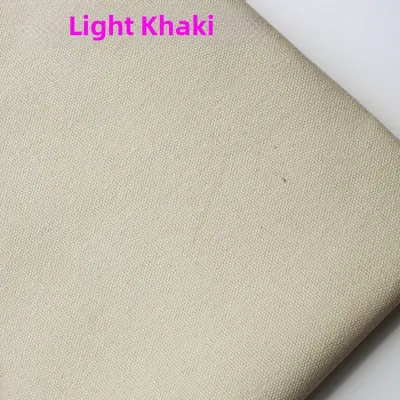
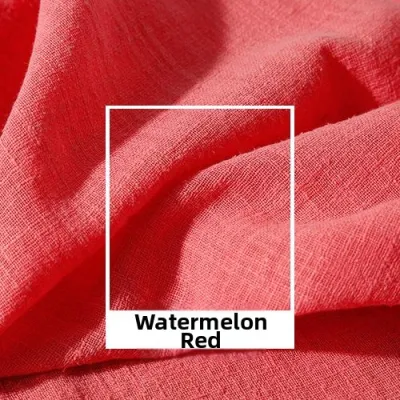

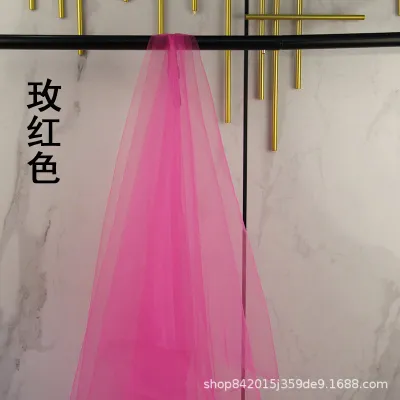
Prices are valid at publication and may change. Please refer to the product page for the latest price.
Before purchasing fabric for a project, always verify its physical dimensions and weight. Fabric is typically sold by the meter or yard, with standard widths of 110 centimeters (44 inches) or 140 centimeters (54 inches). Weight is measured in grams per square meter (GSM); lightweight fabrics (under 120 GSM) are ideal for sheer garments, while heavyweight fabrics (over 270 GSM) are suited for structured upholstery or outerwear. Checking both the fiber content and the weave structure is essential, as a 100% cotton fiber can behave as a stiff canvas or a soft, stretchy knit depending on how it is constructed.
Natural Fabric Cloth Materials and Their Characteristics
Cotton remains the most popular natural fiber for sewing due to its exceptional breathability, softness, and ease of handling. It absorbs moisture readily and is highly comfortable against the skin, making it excellent for everyday apparel. For sewing construction, cotton is highly stable and does not slip under the presser foot, making it compatible with standard universal sewing machine needles (sizes 70/10 to 80/12) and all-purpose polyester or cotton thread. However, cotton fibers swell when wet, which causes the fabric to shrink significantly during its first wash, and its lack of natural elasticity makes it highly prone to wrinkling.

Linen, made from the cellulose fibers of the flax plant, is celebrated for its high durability and superior cooling properties in warm climates. It features a distinctively textured, slightly irregular weave that gives it a rustic appearance. Linen has a stiff initial drape that softens gradually with subsequent washes. While it wrinkles easily, this characteristic is widely accepted as part of the fabric’s natural, relaxed aesthetic. When sewing linen, using a slightly larger needle (size 80/12 or 90/14) helps accommodate the thicker, uneven yarns without causing thread breakage.
Silk is a luxurious natural protein fiber renowned for its fluid drape, natural luster, and temperature-regulating properties. It is incredibly strong for its weight but requires highly delicate handling during both preparation and sewing. Silk slips easily during cutting and stitching, which requires the use of fine silk pins, sharp fabric shears, and specialized microtex or sharp needles (sizes 60/8 to 70/10) to prevent snagging. Pressing must be executed at low temperatures using a dry iron and a protective pressing cloth to avoid permanently scorching or water-spotting the delicate fibers.
Synthetic and Blended Fabric Cloth Materials
Polyester is a synthetic polymer that offers outstanding wrinkle resistance, structural stability, and color retention. It does not shrink or stretch easily, making it highly durable over long periods of use. However, polyester has low breathability, which can trap heat and moisture against the body. It is also highly sensitive to heat; ironing at high temperatures can glaze, melt, or permanently warp the synthetic fibers. When sewing polyester, use a synthetic polyester thread to match the fabric’s strength and elasticity, and pair it with a ballpoint or stretch needle if working with a polyester knit.
Blended fabrics combine natural and synthetic fibers to balance comfort with easy care. A common example is a cotton-polyester blend, which retains the soft, breathable feel of cotton while gaining the wrinkle resistance and dimensional stability of polyester. These blends shrink far less than pure cotton and require minimal ironing, making them highly practical for everyday uniforms and home textiles. When working with blends, select your sewing machine needle and thread based on the dominant fiber in the mix.
Rayon and viscose are semi-synthetic fibers made from regenerated wood pulp. They are designed to mimic the luxurious drape, smooth texture, and vibrant color absorption of silk at a more accessible price point. However, rayon loses a significant portion of its strength when wet, making it highly susceptible to stretching, distortion, and severe shrinkage if laundered aggressively. Gentle hand-washing or dry cleaning is typically required, and the fabric must be handled carefully while wet to prevent the seams from pulling apart.
Matching Fabric Properties to Your Project Needs
Selecting the correct fabric requires matching its drape and structure to the design of your project. Drape refers to how a fabric hangs and conforms to a shape under its own weight. Stiff fabrics, such as heavy denim, canvas, or crisp linen, hold their own shape and are ideal for structured garments like tailored jackets, collars, and utility bags. Fluid fabrics, such as silk, rayon, or lightweight crepe, cling and flow easily, making them essential for gathered skirts, blouses, and soft, cascading drapery.
Durability and wear resistance are critical factors for items subjected to frequent friction or heavy loads. For projects like tote bags, cushions, or children’s playwear, prioritize high-abrasion-resistant materials with tight weave structures. Heavyweight cotton duck, synthetic canvas, and dense twill weaves provide the necessary structural integrity to withstand daily wear without tearing or pilling. Conversely, delicate fabrics like chiffon or organza should be reserved for low-wear decorative accents or formal wear.
Climate and comfort requirements dictate the fiber choice for wearable items. For warm-weather apparel, prioritize highly breathable, moisture-absorbing natural fibers like linen and lightweight cotton to facilitate airflow. For activewear or outdoor gear, synthetic fibers engineered for moisture-wicking are preferable, as they pull sweat away from the skin and dry rapidly. Before marking your pattern lines on any fabric, perform an observable trial with your marking tool on a scrap piece to ensure the ink does not bleed, spread, or leave a permanent stain on the material.
Verifying Fabric Labels and Care Requirements
Always inspect the fabric bolt end, manufacturer label, or online product specifications for care instructions before purchasing. Standard care symbols indicate the maximum safe washing temperature, bleaching restrictions, drying methods, and ironing limits. Ignoring these specifications can lead to ruined projects during the very first laundering cycle due to excessive shrinkage, color bleeding, or fiber degradation.
Pre-washing or pre-treating your fabric is a critical step that must be completed before cutting out your pattern pieces. Laundering the raw fabric using the exact method you plan to use for the finished item ensures that any inherent shrinkage occurs beforehand. This step also washes away temporary manufacturing starches and chemical finishes, revealing the true drape and texture of the material. Skip pre-washing only if you are working with non-washable materials like leather or specialized dry-clean-only wools.
If you encounter conflicting care instructions or are unsure how a specific finish will react to heat or moisture, stop and consult the manufacturer’s technical guidelines. When working with specialized materials like waterproof laminates, outdoor utility fabrics, or heavy upholstery, using the wrong needle size, thread type, or pressing temperature can permanently damage the material. Conducting small, observable tests on fabric scraps is the safest way to verify compatibility before committing to your main project.
Frequently Asked Questions (FAQ)
How do I test a fabric's fiber content if the label is missing?
If a fabric label is missing, you can perform visual and tactile checks to gather initial clues. Natural fibers often have slight organic irregularities and feel warm to the touch, whereas synthetic fibers tend to feel highly uniform, smooth, and cool. To confirm the fiber content, you can perform a burn test with extreme caution. Hold a small scrap of the fabric with metal tweezers over a fire-safe ceramic or glass dish and ignite the edge with a match.
Natural plant fibers like cotton and linen burn with a steady yellow flame, smell like burning paper, and leave a soft, crumbly gray ash. Synthetic fibers like polyester melt rapidly, produce dark chemical smoke, and shrink into a hard, uncrushable black bead. Protein fibers like silk or wool burn slowly, smell like burning hair, and leave a dark, crushable ash. Never perform a burn test indoors without excellent ventilation, and avoid it entirely if you are uncomfortable handling open flames.
What is the best fabric cloth for beginners to sew?
Beginners should start with stable, medium-weight woven fabrics that do not slip, stretch, or fray excessively during handling. 100% cotton calico, quilting cotton, and medium-weight linen blends are excellent choices because they hold creases well when pressed and feed smoothly through the sewing machine without distorting. Avoid slippery silks, sheer chiffons, heavy denim, and highly elastic knits until you have mastered basic machine tension, seam allowances, and fabric guiding techniques.
Does a higher thread count always mean better fabric quality?
No, a higher thread count is not a universal indicator of fabric quality. Thread count refers specifically to the number of horizontal and vertical threads woven into one square inch of fabric, a metric primarily used for bedding. For general sewing projects, the quality of the raw fiber, the thickness of the individual yarns, and the finishing processes applied to the textile are far more critical. A fabric made from high-quality, long-staple fibers with a lower thread count will often be more durable and have a better hand-feel than a high-thread-count fabric made from short, weak fibers.

Community discussion
Share your experience or ask a question. Comments are reviewed before publication.