
Choosing your first watercolour tube set in Singapore is an exciting step, but the sheer variety of options can feel overwhelming. While many brands claim to offer the ultimate beginner kit, the right choice depends on your specific learning goals, budget, and how you prefer to paint. By focusing on student-grade formulations, essential colour selections, and the physical characteristics of the paint, you can find a set that supports your skill development without unnecessary expense. This guide outlines the core criteria to evaluate when shopping locally or online, helping you make a confident first purchase.
Watercolour tubes offer a creamy, fresh consistency that makes it easy to mix large washes of colour and experiment with different techniques. Unlike dry pans, tubes allow you to quickly squeeze out the exact amount of paint you need, ensuring your brush picks up rich, concentrated pigment. For beginners in Singapore, navigating the local art supply landscape requires understanding what makes a paint set suitable for learning, how to read product labels, and how to protect your investment from the tropical climate.
Understanding Student-Grade Watercolour Tubes
When starting your watercolour journey, the first major decision is choosing between student-grade and professional-grade paints. Professional-grade watercolours are formulated with high concentrations of pure, single pigments and minimal binders, resulting in exceptional vibrancy and longevity. However, these premium paints come with a significant price tag that can make beginners hesitant to experiment freely.
Products mentioned in this guide
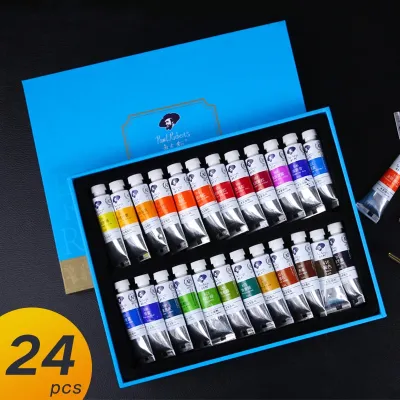
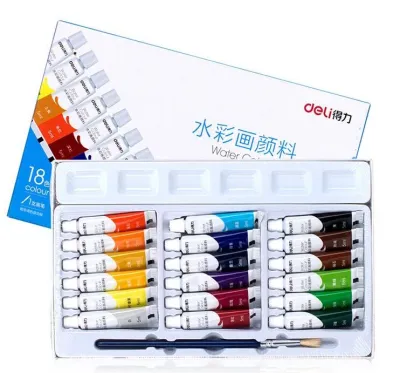
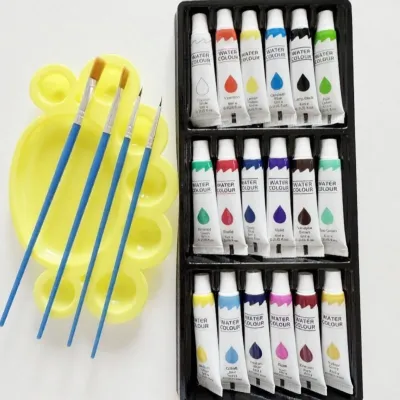
Prices are valid at publication and may change. Please refer to the product page for the latest price.
Student-grade watercolour tubes are specifically designed to offer a practical, cost-effective entry point for those learning the medium. To keep manufacturing costs low, art supply brands adjust the ratio of pigment to binder. Student-grade paints contain a higher proportion of binders, fillers, and extenders, such as dextrin or gum arabic, which makes the paint more affordable while maintaining a workable consistency.
Another key characteristic of student-grade lines is the use of “hue” substitutes. Rare, toxic, or expensive natural pigments—such as genuine cobalt, cadmium, or cerulean—are replaced with synthetic organic pigments that mimic the original colours. These are clearly labeled on the tube with the word “Hue” after the colour name, such as “Cadmium Red Hue.” While these substitutes may not behave exactly like the genuine minerals, they provide a safe and highly accessible way to learn colour theory.
Using student-grade tubes allows you to focus on mastering water control, brushwork, and colour mixing without the pressure of wasting expensive materials. You can paint large, sweeping washes and practice complex layering techniques with peace of mind. This freedom to make mistakes is essential for building confidence as a beginner.
However, it is important to be aware of the trade-offs involved with student-grade paints. Because of the higher filler content, these paints may appear slightly chalkier or less transparent when heavily diluted with water. They may also exhibit less granulation—the beautiful, textured settling of pigment particles in the paper’s valleys—and can be more difficult to “lift” or erase from the paper once dry. Understanding these limitations helps you set realistic expectations for your artwork as you develop your skills.
Key Criteria for Evaluating Beginner Tube Sets
To find a high-quality watercolour tube set that offers genuine value, you need to look beyond the packaging and evaluate specific technical criteria. The first detail to check on any watercolour tube is the pigment information and lightfastness rating. Lightfastness refers to a paint’s resistance to fading or changing colour when exposed to light over time.

Most reputable manufacturers print this information directly on the tube label using standardized rating systems, such as the ASTM (American Society for Testing and Materials) scale. An ASTM rating of I indicates excellent lightfastness, while II represents very good lightfastness. Alternatively, some brands use a star system, where three or four stars denote high resistance to fading. Even as a beginner, choosing paints with good lightfastness ensures that your practice pieces and early masterpieces will retain their colour for years to come.
Budget is another major consideration for beginners in Singapore. A reliable, high-quality student-grade watercolour tube set typically ranges from S$20 to S$60, depending on the brand and the number of tubes included. To determine the true value of a set, calculate the cost-per-millilitre by dividing the total price of the set by the total volume of paint. This calculation helps you compare different brands objectively, preventing you from overpaying for fancy packaging or excessively small tubes.
The material of the tubes themselves also plays a role in usability and paint preservation. Watercolour tubes are generally made of either aluminum (metal) or plastic. Metal tubes are highly favored by artists because they do not allow air to enter when squeezed, which keeps the paint fresh and prevents it from drying out inside the tube. However, metal tubes can crimp, split, or leak at the seams if they are folded or squeezed too aggressively. Plastic tubes are more resilient to rough handling and do not crease, but they can sometimes suck air back into the tube when released, which may dry out the paint over time.
Finally, evaluate the consistency and rewetting capability of the paint. High-quality student-grade paint should squeeze out of the tube as a smooth, buttery paste without any gritty texture. It should also rewet easily with a damp brush after it has dried on your mixing palette. If a paint becomes rock-hard and refuses to dissolve when water is applied, it will lead to significant waste, as you will not be able to reuse the leftover paint on your palette.
Essential Colours and Set Configurations
When browsing watercolour tube sets, it is easy to be enticed by large boxes containing dozens of different colours. However, starting with a massive colour range can actually hinder your learning progress. A smaller, well-curated set of 6 to 12 colours is far more beneficial for beginners because it forces you to learn how to mix your own hues and understand how pigments interact.
A highly recommended configuration for beginners is the split primary system, which consists of six essential colours. This system includes a warm and a cool version of each primary colour: a warm red (yellow-toned) and a cool red (blue-toned), a warm blue (red-toned) and a cool blue (green-toned), and a warm yellow (orange-toned) and a cool yellow (green-toned). By mixing these split primaries, you can create incredibly clean, vibrant secondary and tertiary colours without ending up with muddy, dull mixtures.
In addition to the primary colours, a practical beginner set should include a few essential earth tones and convenience colours. Earth pigments like Burnt Sienna and Yellow Ochre are invaluable for painting landscapes, skin tones, and natural textures. These colours are difficult to mix from scratch using only primaries, making them highly useful additions to your basic palette.
Many beginner sets also include a tube of Chinese White or Titanium White. In traditional watercolour painting, the white of the paper is used to represent highlights and bright areas, and water is used to dilute colours to make them lighter. While you should generally avoid mixing white paint into your washes—as it can make the colours look chalky and opaque—a tube of white paint can be useful for adding tiny highlights, creating pastel tints, or experimenting with gouache-like techniques.
Where to Buy and What to Verify Before Checkout
In Singapore, art supplies can be purchased from dedicated physical art stores, general stationery shops, or various online marketplaces. Purchasing from established local art supply retailers is highly recommended for beginners. These specialized stores store their inventory in climate-controlled environments, reducing the risk of the paint degrading before it even reaches your hands. Additionally, physical stores allow you to inspect the packaging and feel the weight of the tubes before making a purchase.
If you choose to buy from an online marketplace or ecommerce platform, you must take extra precautions to ensure you are receiving authentic, high-quality products. Always check the seller’s ratings, read customer reviews, and verify that they are an authorized distributor of the brand. Be wary of prices that seem too good to be true, as counterfeit art supplies are common on unregulated online platforms.
Before finalizing your purchase or immediately upon receiving your delivery, perform a quick physical inspection of the tubes. Ensure that the caps are tightly screwed on and that there are no signs of paint leaking from the nozzle or the crimped bottom seam. Gently squeeze each tube; the paint inside should feel soft and yielding. If a tube feels completely solid or hollow, the paint may have dried out or leaked during storage.
Singapore’s tropical climate, characterized by high humidity and warm temperatures, presents unique challenges for storing art supplies. High humidity can cause the paper packaging of paint sets to degrade and can encourage the growth of mold on damp palettes. When buying paint, consider how you will store it at home. It is best to keep your watercolour tubes in a cool, dry place away from direct sunlight, such as a closed drawer or an airtight plastic container equipped with a small silica gel packet to absorb excess moisture.
Practical Tips for Testing and Maintaining Your Tubes
Once you have purchased your watercolour tube set, the first step should always be to create a swatch card. Swatching helps you understand how the paint behaves on paper, which can look very different from how it appears in the tube. Use a sheet of high-quality, cold-pressed watercolour paper for your swatches, as the texture and absorbency of the paper significantly affect the final look of the paint.
To create a comprehensive swatch, draw a thick line across the paper using a black waterproof ink marker. Paint a solid, concentrated block of colour over the line, then gradually add more water to create a smooth gradient that fades to near-transparency. This test allows you to evaluate the paint’s transparency, staining properties, and granulation. If the black ink line remains highly visible through the paint, the colour is transparent; if the line is obscured, the paint is opaque.
Proper maintenance is key to extending the shelf life of your watercolour tubes, especially in Singapore’s humid environment. Always wipe the nozzle of the tube with a clean, damp cloth before screwing the cap back on. Leftover paint on the threads can dry out, making the cap incredibly difficult to remove next time and preventing a tight seal, which allows air to enter and dry out the remaining paint inside the tube.
If you encounter a tube where the paint has slightly hardened or dried out near the nozzle, do not throw it away. You can often revive the paint by adding a single drop of distilled water or a tiny drop of gum arabic binder directly into the tube’s opening. Use a clean toothpick or paperclip to gently stir the mixture inside the nozzle, then screw the cap back on and massage the tube to distribute the moisture. This simple step can salvage a seemingly ruined tube and save you money.
Frequently Asked Questions (FAQ)
Can I mix student-grade and professional-grade watercolour tubes? (FAQ)
Yes, you can safely mix student-grade and professional-grade watercolour paints on the same palette and within the same painting. Because both grades typically use gum arabic as their primary binder, they are physically and chemically compatible. Mixing them will not cause any adverse chemical reactions or damage your paper.
However, you should be aware of how mixing different grades affects the final result. Combining a highly concentrated professional paint with a student-grade paint will dilute the overall pigment load and vibrancy of the professional colour. The mixture may also inherit some of the chalkiness or lower lightfastness of the student-grade paint. For best results, use professional paints for your focal points and key washes, and use student-grade paints for background areas or initial practice layers.
How do I fix a watercolour tube that has separated into oil and pigment? (FAQ)
Separation is a common occurrence in watercolour tubes, especially if they have been stored unused for a long period or exposed to temperature fluctuations. This happens when the liquid binder, usually gum arabic, separates from the heavier pigment particles, resulting in a clear, sticky liquid squeezing out of the tube instead of coloured paint.
To fix this issue, ensure the cap is tightly screwed on and gently knead the tube between your fingers for a minute or two. This massaging action helps to re-emulsify the binder and pigment inside the tube. If the paint still comes out separated, you can squeeze a small amount onto your palette and use a clean toothpick or palette knife to mix the binder and pigment back together before adding water. If the binder has completely dried up or turned into a hard, glassy substance that cannot be mixed, the paint has degraded and the tube should be replaced.
Are watercolour tubes better than pans for beginners? (FAQ)
Neither format is universally superior, as both tubes and pans have distinct advantages depending on your painting style and workspace. Watercolour tubes are ideal for beginners who want to paint large-scale artworks, create bold washes, or mix large quantities of paint quickly. Squeezing fresh paint from a tube provides a creamy consistency that is easy on your brushes and allows for immediate, intense colour application.
Watercolour pans, which are dry cakes of extruded paint, are highly valued for their portability and convenience. They are excellent for travel sketching, outdoor painting, and working in small spaces, as they dry quickly and do not require a separate palette setup. However, pans require more effort to rewet and can be abrasive on delicate brush hairs over time. For most beginners starting in a home studio or dedicated desk space, a tube set offers a more versatile and user-friendly introduction to the medium.

Community discussion
Share your experience or ask a question. Comments are reviewed before publication.