
Choosing your first watercolor set is an exciting milestone, but the sheer variety of options can quickly feel overwhelming. To find the right set, you must evaluate your immediate painting environment, decide between dry pans and liquid tubes, verify pigment quality, and select a focused color range that encourages mixing rather than confusion. By matching these technical specifications to your physical space and learning goals, you can avoid common beginner pitfalls and invest in a setup that grows with your skills.
While it is tempting to buy the largest, most colorful box available on an online marketplace, watercolor is a highly sensitive medium where quality matters far more than quantity. A smaller, well-formulated set of paints will teach you how colors interact, helping you build a solid foundation without the frustration of muddy mixtures or chalky finishes.
Quick Diagnostic: Identifying Your Painting Style and Needs
Before browsing art supply stores, take a moment to evaluate your physical setup and creative habits. Your primary painting environment plays a massive role in determining which format will serve you best. If you live in a compact apartment with shared tables, a compact, self-contained set that can be packed away in seconds is highly practical. Conversely, if you have a dedicated desk where supplies can remain undisturbed, you have the luxury of choosing larger, more permanent setups.
Products mentioned in this guide
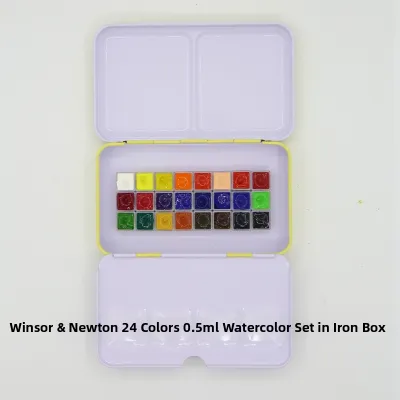
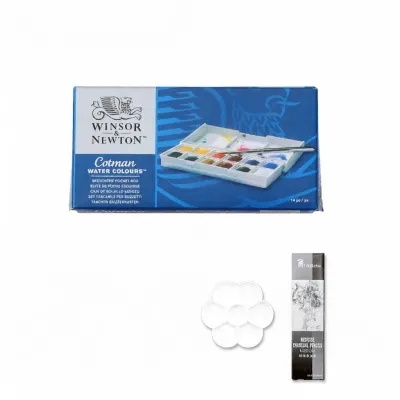
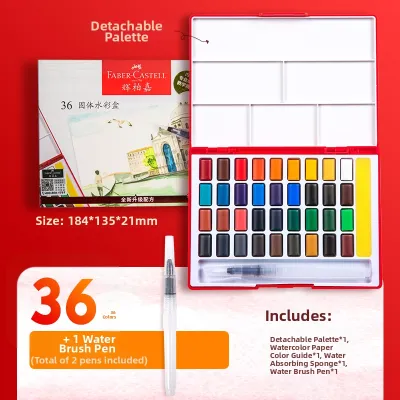
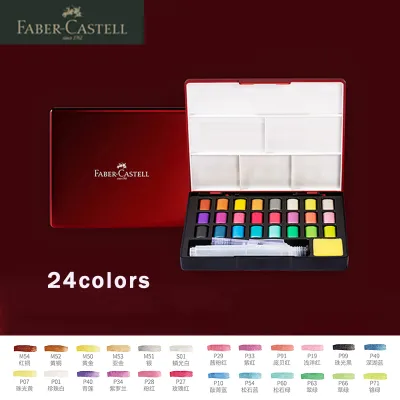
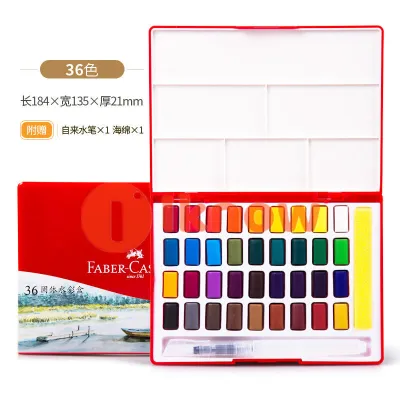
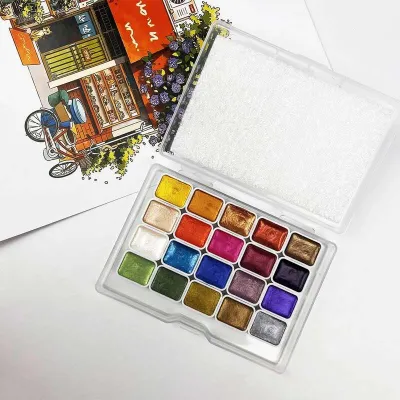
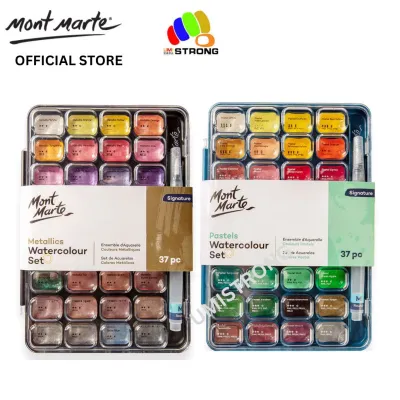
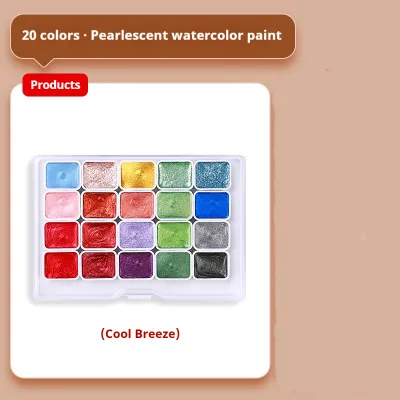
Prices are valid at publication and may change. Please refer to the product page for the latest price.
Next, consider the physical scale of the artwork you want to create. If your goal is to fill small travel journals, paint postcard-sized illustrations, or practice detailed botanical sketches, you will require very little paint volume per session. If you plan to work on large sheets of paper with sweeping, expressive washes of color, you will need a format that allows you to mix generous pools of wet paint quickly.
Finally, establish a realistic budget that aligns with your commitment level. For absolute beginners, spending between S$20 and S$60 is generally the sweet spot. This range allows you to purchase a reliable, student-grade set from an established manufacturer without a massive financial commitment. If you are already certain of your long-term dedication to the medium, starting with a smaller, professional-grade starter set of six essential colors is a highly efficient way to invest in archival quality from day one.
Pan vs. Tube Format: Which Setup Matches Your Environment?
Watercolor paint is primarily sold in two formats: solid pans or liquid tubes. Pans are small, dry cakes of pigment poured into plastic cups that sit inside a carrying case. They are highly favored for their portability, rapid setup speed, and minimal cleanup. To paint, you simply wet your brush, touch the dry cake to activate the pigment, and begin. This makes pans the ideal choice for outdoor sketching, cafe painting, or working at a small, cluttered desk. Furthermore, because pans dry down naturally after use, they are incredibly stable and easy to store in humid climates.

Liquid tubes offer a completely different painting experience. Squeezed directly onto a palette, tube paint has a creamy, toothpaste-like consistency that dissolves instantly in water. This format is unmatched when it comes to mixing large volumes of paint for broad washes, as you do not have to scrub a dry pan repeatedly to release enough pigment. This also preserves the delicate bristles of your brushes, which can wear down over time from constant friction against solid cakes. Tubes are highly versatile; you can squeeze them into empty plastic pans, let them dry, and use them exactly like a traditional pan set.
When evaluating long-term costs, both formats have distinct advantages. Individual pans are easy to replace when a single color runs out, preventing you from having to buy an entirely new set. Tubes, however, generally offer more paint volume per dollar, making them highly cost-effective for artists who paint frequently or work on a larger scale. For most beginners, starting with a pan set is highly recommended due to its ease of use, while tubes are excellent for those who prioritize rich, immediate color saturation.
Pigment Quality Check: Do You Need Student or Professional Grade?
Art manufacturers divide their watercolor lines into two main categories: student grade and professional (or artist) grade. The primary difference lies in the ratio of pigment to binder. Student-grade paints contain more synthetic binders, fillers, and chalk, which makes them more affordable but can result in less vibrant washes and a slightly gritty texture when dry. Professional-grade paints feature a much higher concentration of pure pigment bound with high-quality natural gum arabic, offering exceptional color clarity, smooth blending, and superior transparency.
To verify the quality of a watercolor set, look closely at the packaging or the manufacturer’s color chart. Reliable brands print the Pigment Index number directly on the tube or pan wrapper (for example, PB29 represents Ultramarine Blue, while PY150 represents Nickel Azo Yellow). If a set lists these codes clearly, it indicates a high level of manufacturing transparency. Additionally, check the lightfastness rating, which measures how resistant the paint is to fading when exposed to light over time. Professional paints use standardized ratings (such as ASTM I or II) to guarantee archival longevity.
As a beginner, you do not need to rush into buying expensive professional paints immediately. Student-grade sets from reputable stationery and art brands are highly capable tools for learning color theory and brush control. You will know it is time to upgrade when you find your current paints muddying during basic three-color mixes, or when you begin creating finished pieces that you wish to frame, display, or sell.
Color Range Assessment: How Many Colors Fit Your Learning Stage?
It is incredibly common for beginners to be drawn to massive watercolor sets featuring 36, 48, or even 72 different colors. However, an oversized palette can actually hinder your artistic growth. When you have access to every pre-mixed shade imaginable, you miss out on learning how colors interact. A limited palette of 6 to 12 carefully selected colors forces you to practice color mixing, which quickly builds your confidence and helps you understand how to create cohesive, harmonious color schemes.
An ideal beginner set should center around a split-primary system. This consists of a warm and a cool version of each primary color: a warm red (leaning orange) and a cool red (leaning violet), a warm blue (leaning green) and a cool blue (leaning red), and a warm yellow (leaning orange) and a cool yellow (leaning green). With these six essential colors, you can mix almost any shade in the spectrum without creating dull, muddy results.
To round out your starter set, look for a few essential earth tones and convenience colors that save time during painting sessions. Burnt Sienna, Yellow Ochre, and Raw Umber are incredibly useful for mixing natural landscapes, skin tones, and deep shadows. Be cautious of sets that contain too many highly opaque, pastel, or “convenitive” shades mixed with white pigment, as these will quickly make your paintings look chalky and obscure the natural luminosity of the watercolor paper.
Compatibility Check: Paper and Tool Requirements for Your Set
Watercolor is a cohesive system where your paint, paper, and brushes must work in harmony. Even the highest-grade professional watercolor set will perform poorly on thin, wood-pulp paper. Because watercolor relies on heavy water application, you must pair your set with paper that can handle moisture without warping or pilling. Look for paper with a minimum weight of 300 gsm (grams per square meter). For the best blending, lifting, and water absorption, 100% cotton paper is highly recommended, while cellulose (wood pulp) paper is acceptable for quick, dry-brush exercises and color swatching.
Your choice of brushes should also complement your paint format. You do not need a massive collection of brushes to start; a single, high-quality round brush in size 6 or 8 is incredibly versatile. A good round brush should have a sharp point for fine details, a generous belly to hold water, and enough spring to snap back into shape. Synthetic blend brushes are excellent for beginners, as they mimic the water-holding capacity of natural hair while offering greater durability and affordability.
Finally, evaluate the built-in accessories of any pre-packaged watercolor set. Many pan sets feature integrated mixing wells in the lid, travel brushes, or small cleaning sponges. Ensure that the mixing areas are spacious and made of a material that does not cause water to bead up excessively. A functional, easy-to-clean mixing surface is far more valuable than a dozen low-quality plastic accessories that simply take up space in your kit.
Frequently Asked Questions (FAQ)
Can I mix student-grade and professional-grade watercolors in the same palette?
Yes, you can safely mix student-grade and professional-grade watercolors in the same palette and even within the same painting. Because both grades typically use compatible binders like gum arabic, they blend together smoothly. Mixing them is a highly cost-effective strategy for beginners; you can use affordable student-grade paints for large background washes and invest in a few professional-grade tubes for highly vibrant focal points. Keep in mind, however, that the overall transparency, mixing clarity, and archival lightfastness of any blended wash will be limited by the student-grade paint in the mix.
How do I prevent pan watercolors from drying out or cracking?
Pan watercolors are designed to be dry, so minor surface cracking is completely normal and does not affect the quality or usability of the paint. To maintain your pan set, always allow the palette to air-dry completely with the lid slightly open before closing it for long-term storage. This is especially important in humid climates, where trapping moisture inside a sealed plastic case can encourage mold growth. If your pans become dusty or contaminated with other colors, simply wipe the surface gently with a damp paper towel. To make dry pans easier to work with, mist them with clean water from a spray bottle a few minutes before you begin painting to soften the binder.
Community discussion
Share your experience or ask a question. Comments are reviewed before publication.