
Selecting the right whiteboard sticker for your primary school child in Singapore involves matching the product’s specifications to their developmental stage and your home study environment. In Singapore, where study spaces in HDB flats or condominiums are often carefully optimized, a whiteboard sticker offers a space-saving alternative to bulky traditional whiteboards. By choosing the correct size, surface texture, and adhesive type, you can create an interactive learning tool that supports everything from early handwriting practice to complex upper primary mathematics.
The ideal whiteboard sticker varies significantly between lower primary and upper primary students. Younger children benefit from structured layouts and low-mounted, easily accessible writing surfaces, while older students require larger, highly durable blank canvases for multi-step problem-solving and exam preparation. Evaluating these needs before purchasing ensures the sticker remains a functional, long-term addition to your child’s study room.
Understanding Whiteboard Sticker Specifications for School Use
Before purchasing a whiteboard sticker, you must evaluate several key technical specifications to ensure compatibility with your home environment. The first consideration is the physical dimensions of the sticker relative to the available wall or desk space. In typical Singaporean apartments, study corners are often integrated into bedrooms or living areas, making it essential to measure your intended surface precisely before buying. Many stickers are sold in pre-cut sheets, while others come in customizable rolls that you can trim to fit specific desk tops or cabinet doors.
Products mentioned in this guide
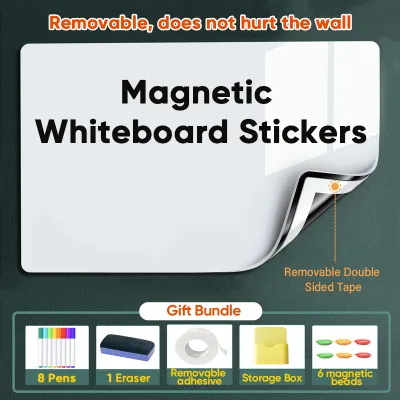
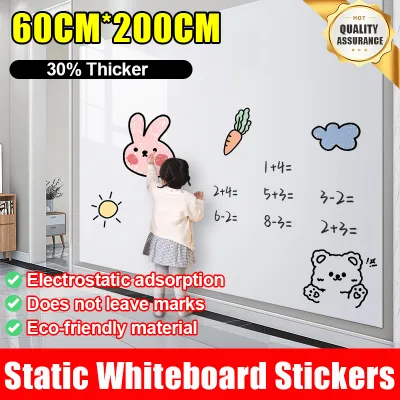
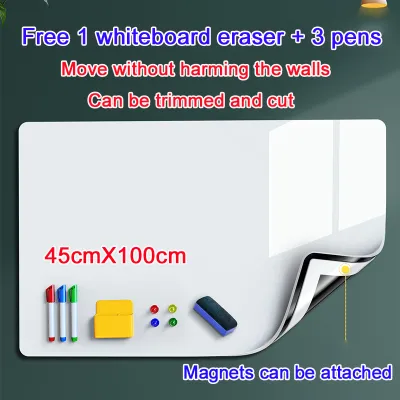
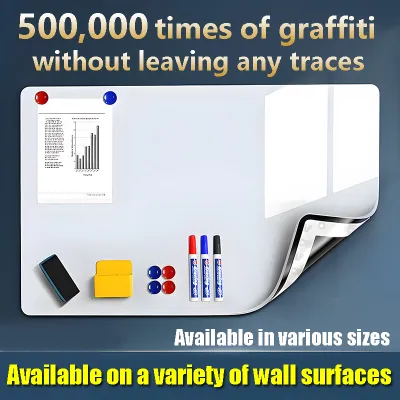
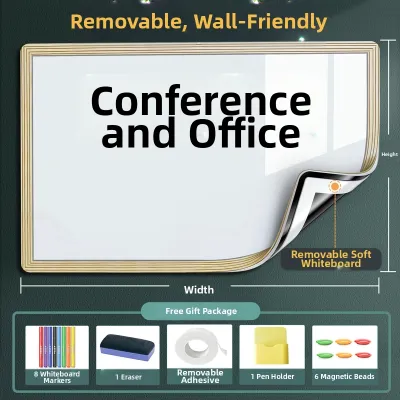
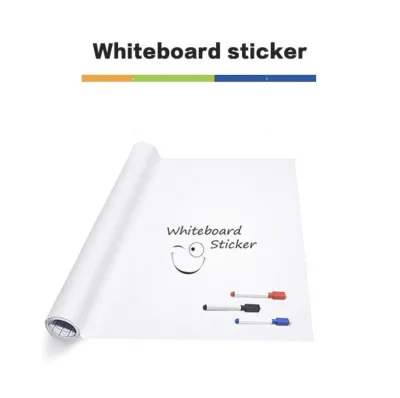
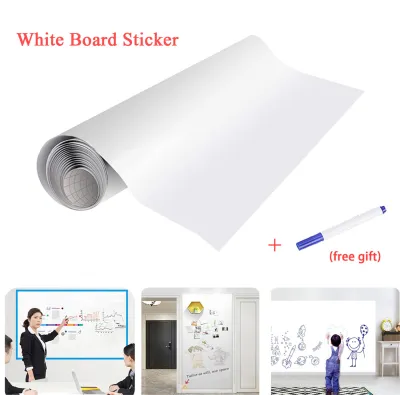

Prices are valid at publication and may change. Please refer to the product page for the latest price.
The surface finish of the sticker plays a critical role in readability and eye comfort. Glossy finishes are highly reflective and offer excellent contrast for standard dry-erase markers, but they can catch glare from overhead LED lights or nearby windows, which may cause eye strain during long study sessions. Matte finishes reduce glare significantly and provide a writing experience that feels closer to paper, though they may require more frequent cleaning to prevent ink residue from settling into the micro-texture. You should observe the lighting conditions in the study area at different times of day to decide which finish is more suitable.
Adhesive properties are equally important, especially if you live in a rental property or are concerned about damaging wall paint. Whiteboard stickers generally use either pressure-sensitive adhesive backing or static cling technology. Static cling options are easily repositionable and leave no residue, but they require extremely smooth, non-porous surfaces like glass or metal to stay secure. Adhesive-backed stickers offer a stronger hold on painted drywall or concrete walls, but you should check the manufacturer’s guidelines regarding paint compatibility to avoid peeling off paint during eventual removal.
Lower Primary (Primary 1 to 3): Building Foundational Habits
For students in Primary 1 to Primary 3, the primary focus of academic work is building foundational literacy and numeracy skills. At this stage, your child is developing fine motor skills and learning the precise strokes required for English handwriting, Chinese character stroke order, and basic number formation. Whiteboard stickers designed with pre-printed grids, dotted lines, or educational templates are highly beneficial for these learners, as they provide visual boundaries that guide letter height and alignment.

The physical placement and size of the sticker should accommodate your child’s height and reach. Mounting a smaller, manageable sheet (such as an A3 or A4 equivalent size) directly onto the study desk surface allows your child to write from a comfortable seated position, mimicking a traditional workbook. Alternatively, if mounting on a wall, you should position the sticker at a low height where your child can easily write from top to bottom without stretching or standing on a chair, which helps maintain a natural writing posture.
Younger children often apply varying pressure when writing and may leave drawings or spelling practice on the board for days. This makes easy-erase properties critical to prevent “ghosting”—the faint, permanent staining left behind by dry-erase markers. You should look for stickers with a high-quality polyethylene terephthalate (PET) surface layer, which resists staining better than cheaper polyvinyl chloride (PVC) alternatives. A surface that wipes clean effortlessly with a simple dry cloth prevents frustration and encourages young learners to use the board independently.
Upper Primary (Primary 4 to 6): Supporting Advanced Learning and Organization
As your child transitions to Upper Primary, their academic demands increase with the preparation for school assessments and the Primary School Leaving Examination (PSLE). Students at this level regularly tackle complex, multi-step math problem sums, draft science concept maps, and organize weekly revision schedules. To support these tasks, a large-format whiteboard sticker or a customizable roll is highly recommended, providing ample space for extensive calculations without the need to erase mid-thought.
For older students, blank or subtle dot-grid designs are generally superior to heavily lined templates. A blank canvas offers the flexibility needed to draw free-form mind maps, sketch science diagrams, or lay out structured study timetables without visual clutter. Dot-grid patterns provide a faint guide that helps keep writing straight and diagrams aligned, without interfering with the visual organization of complex information.
Durability becomes a primary factor for upper primary use, as the sticker will undergo heavy writing and frequent erasing cycles daily. You should verify the product specifications for scratch resistance and wear durability. High-density PET stickers with a glossy, hard-coated surface are well-suited for this level of use, as they can withstand the friction of rapid erasing and rewriting during intense study sessions. Checking product labels for chemical resistance is also wise, as it ensures the sticker can tolerate occasional deep cleaning with mild whiteboard sprays without degrading the protective dry-erase layer.
Installation and Maintenance Guidelines for Home Study Areas
Proper installation is essential to ensure a smooth, bubble-free writing surface and to prevent the edges of your whiteboard sticker from peeling over time. Before applying the sticker, you must thoroughly clean the target surface to remove dust, grease, and fingerprints. Use a damp cloth with a mild detergent if necessary, and allow the wall or desk to dry completely for several hours; any trapped moisture can weaken the adhesive or cause unsightly bubbling beneath the film.
During application, it is best to work slowly from one side to the other rather than attempting to stick the entire sheet down at once. Peel back a small section of the backing paper, align the edge of the sticker with your guidelines, and press it down firmly. Using a plastic squeegee, a felt-edged scraper, or a folded soft cloth, smooth the sticker outward from the center to the edges as you gradually peel away the remaining backing. This technique pushes out trapped air and ensures a flat, professional finish that is comfortable to write on.
Maintaining the dry-erase surface involves using compatible writing instruments and proper cleaning habits. Only use high-quality dry-erase markers, and avoid permanent markers, ballpoint pens, or low-grade ink that can permanently scratch or stain the surface. To clean the board, use a microfiber cloth or a dedicated whiteboard eraser; avoid abrasive scrubbing pads, harsh chemical solvents, or household bleach, which will strip away the specialized silicone or PET coating. For routine maintenance, wiping the board clean at the end of each study session prevents ink pigments from bonding permanently with the surface.
Frequently Asked Questions (FAQ)
Can whiteboard stickers be applied to textured or uneven walls?
Whiteboard stickers require a smooth, flat, and non-porous surface to adhere properly and provide a functional writing experience. Applying them to textured walls, such as those with heavy plaster patterns, brickwork, or textured wallpaper, is not recommended. The uneven surface prevents the adhesive from making full contact, leading to peeling edges and air pockets, and the bumps will transfer through the thin sticker, making writing difficult and uneven. If your home walls are textured, consider mounting the whiteboard sticker onto a smooth piece of plywood, acrylic sheet, or lightweight foam board first, and then hanging that board on the wall using removable mounting strips.
How do I remove stubborn marker stains without damaging the sticker?
If marker ink has been left on your whiteboard sticker for an extended period and refuses to wipe clean, a simple and safe method is to draw directly over the stubborn stains with a fresh, dark-colored dry-erase marker. The solvents in the fresh ink will temporarily reactivate the dried pigments, allowing you to wipe both layers away immediately with a soft cloth. If stains persist, consult the manufacturer’s instructions to see if a mild isopropyl alcohol solution or a specialized whiteboard cleaning spray is safe for your specific sticker material. Avoid using abrasive sponges, acetone, or heavy household cleaners, as these will permanently destroy the protective dry-erase topcoat.

Community discussion
Share your experience or ask a question. Comments are reviewed before publication.