
Starting your fabric painting journey in Singapore is an exciting way to customise clothing, tote bags, and home textiles. To choose the best Tulip fabric paint starter set, you must first identify your primary project type, the specific fabric material you plan to paint, and the final texture or finish you want to achieve. Because Tulip offers several distinct paint formulations—ranging from ultra-flexible flat paints to raised dimensional squeeze bottles—there is no single “perfect” set for every beginner. Instead, the ideal starter kit is one that matches your immediate creative goals, fits your fabric’s weight, and includes the specific applicator tips or tools required for your design. By evaluating these factors before purchasing, you can avoid common beginner pitfalls like stiff, cracking designs or paint bleeding through thin fabrics.
Understanding the Main Tulip Fabric Paint Lines
To make an informed decision, you must first understand the differences between the core paint formulations Tulip offers. The most common option for wearable apparel is Tulip Soft Fabric Paint. This formulation is designed to sink into the fabric fibers rather than sitting on top of them. Once dry and cured, it maintains a highly flexible, soft “hand-feel,” meaning the painted area moves naturally with the fabric and does not feel stiff or plastic-like. This makes it highly suitable for lightweight cotton T-shirts, baby onesies, and delicate linens where comfort and drape are essential.
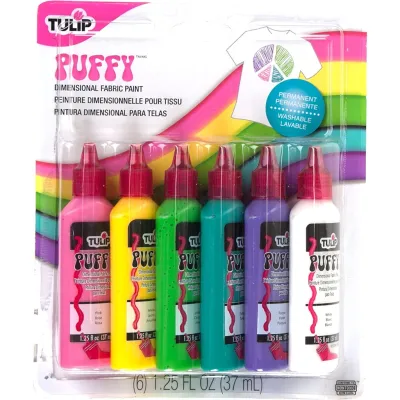
In contrast, Tulip Dimensional Fabric Paint (often referred to as 3D paint) is formulated to stand out from the fabric surface. It is typically packaged in squeeze bottles with fine-point writer tips, allowing you to draw raised lines, dots, and detailed outlines. Within the dimensional category, you will also find “Puffy” paint, which expands slightly when heat is applied (such as with a handheld steamer or hairdryer) to create a soft, foam-like raised texture. While dimensional paints are excellent for adding tactile details, lettering, or decorative borders, they are less suitable for large, solid-color fills because they dry to a thicker, more rigid finish that can feel heavy on lightweight garments.
Products mentioned in this guide
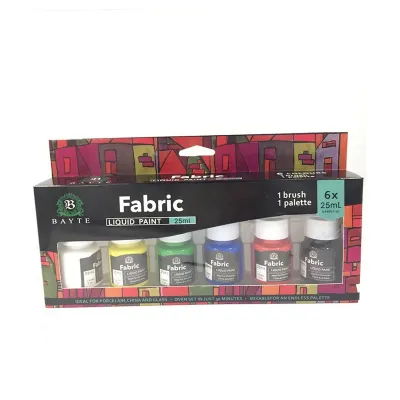
Prices are valid at publication and may change. Please refer to the product page for the latest price.
Beyond texture, you must also consider the visual finish of the paint. Tulip sets are available in Matte, Gloss, and Metallic finishes. Matte paints dry without shine, offering a clean, classic look that blends seamlessly into casual wear. Gloss finishes provide a shiny, vinyl-like appearance that catches the light, making them popular for playful designs or children’s crafts. Metallic and glitter finishes contain reflective particles that add shimmer and sparkle, which are ideal for accentuating specific parts of a design or creating festive holiday items. However, metallic and glitter formulations often have a slightly rougher texture and may require extra care during washing to prevent the reflective flakes from dulling.
Because product names, packaging designs, and set configurations can vary across different retailers and regions, always verify the exact product label and formulation details printed on the box. Do not assume a set contains soft paint just because it is labeled for fabric; look for specific terms like “Soft,” “Dimensional,” “3D,” or “Puffy” to ensure you are getting the exact texture and performance your project demands.
Key Dimensions for Evaluating a Starter Set
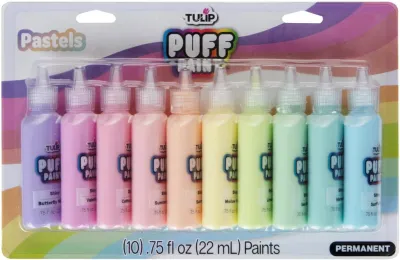
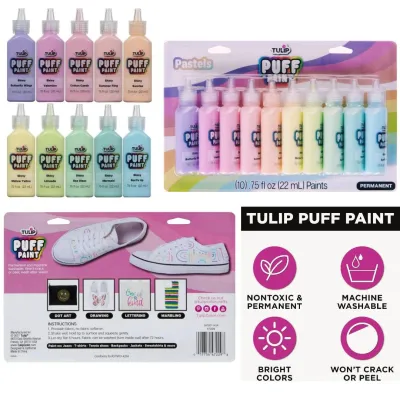
When comparing different Tulip starter kits, it is easy to get distracted by the sheer number of colors included in a box. However, a successful beginner experience depends on several practical dimensions beyond color count. First, evaluate the color palette variety versus specialized shades. A well-rounded starter set should offer essential primary colors (red, blue, yellow) along with black and white, allowing you to mix almost any shade you need. Some specialized sets focus entirely on neon, pastel, or glitter shades. While these are visually appealing, they can limit your ability to paint realistic designs or achieve high contrast on dark fabrics. For your very first set, prioritizing a classic rainbow palette with strong primary colors is generally more versatile.

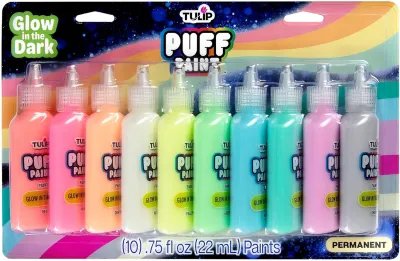
Second, examine the bottle size and nozzle type. Tulip paints are packaged in various sizes, commonly ranging from small 0.75-ounce (approx. 22 ml) bottles in multi-packs to larger individual bottles. For a beginner, smaller multi-packs are highly cost-effective because they let you experiment with a wide range of colors without committing to large volumes. However, pay close attention to the applicator. Squeeze bottles with fine-tip nozzles are perfect for writing, outlining, and detailed line work directly from the bottle. If you plan to paint larger areas using traditional paintbrushes, look for sets with wider openings or plan to squeeze the paint onto a separate palette first.
Third, assess the actual utility of any supplementary tools included in bundled sets. Some starter kits come packaged with basic paintbrushes, plastic stencils, or even small practice fabric swatches. While these bundles can offer great convenience, inspect the quality of the included items. Cheap, stiff-bristled brushes can leave visible streak marks and shed hairs into your wet paint, while flimsy stencils may allow paint to bleed underneath the edges. If a bundle costs significantly more than a paint-only set, it is often more economical to buy a basic paint-only kit and purchase a few high-quality synthetic brushes separately.
Finally, always check the manufacturer specifications printed on the packaging regarding fabric compatibility, opacity, and washability. Some fabric paints are formulated specifically for light-colored fabrics and will appear translucent or invisible on dark denim or black T-shirts. If you plan to paint on dark materials, look for sets explicitly labeled as “opaque” or “for dark fabrics.” Additionally, verify whether the paint requires heat-setting with an iron to become washable, as this step is crucial for ensuring your hard work does not wash away in the laundry.
Matching the Paint Finish to Your First Project
Selecting the right paint set is highly dependent on the specific item you intend to decorate. For standard cotton T-shirts, lightweight tote bags, and pillowcases, your primary goal is to maintain the fabric’s natural flexibility and comfort. For these items, prioritize soft-hand fabric paints. Because these paints penetrate the fibers, they allow the fabric to breathe and stretch naturally. Using a thick, dimensional paint over a large area of a T-shirt can make the garment feel stiff, heavy, and uncomfortable to wear, and the design is highly likely to crack or peel when the fabric stretches.
If you are working with heavier, more rigid materials like canvas shoes, thick denim jackets, or backpacks, your requirements change. These fabrics do not stretch as much, but they are subjected to higher wear, friction, and outdoor elements. For these projects, you need a paint with excellent adhesion and high opacity. Dimensional paints and thicker metallic formulations work exceptionally well on canvas and denim because the sturdy fabric backing easily supports the weight of the raised paint. The high density of these paints also ensures vibrant color payoff, even on dark or textured surfaces, without requiring multiple base coats of white paint.
For items that will require frequent washing, such as everyday apparel or kitchen towels, durability is the most critical factor. Before purchasing a set, verify the specific curing and washing instructions. Some Tulip formulations are “dry-and-wear” and do not require heat-setting, while others must be ironed on the reverse side or cured for several days before they can safely survive a washing machine cycle. If you do not have access to an iron or prefer a low-maintenance process, look for sets that specify air-curing.
Avoiding mismatched combinations is the key to a long-lasting project. A common beginner mistake is using stiff, dimensional 3D paint on highly elastic fabrics like ribbed tank tops or athletic wear. As soon as the garment is stretched to be worn, the rigid paint lines will snap and separate from the fabric. For stretchy synthetic blends, always choose a highly flexible, thin fabric paint and apply it in thin, even layers to allow the paint to stretch along with the synthetic fibers.
Purchasing and Verifying Sets in Singapore
When shopping for Tulip fabric paint sets in Singapore, whether through local art supply shops in areas like Bras Basah or via online marketplaces, taking a few minutes to inspect your purchase can save you from frustration. First, check for expiration dates, manufacturing batch codes, or signs of age. Fabric paint has a limited shelf life; older stock that has sat on shelves or in warm warehouses for years can dry out, thicken into an unusable paste, or separate into a watery liquid and a hard pigment clump. If you are buying in a physical store, gently shake the bottles if possible—you should hear a smooth, fluid movement rather than a solid thud or complete silence.
Second, inspect the physical packaging thoroughly. Look for broken safety seals, leaking caps, or cracked plastic bottles. Even a tiny crack or a slightly loose cap can allow air to enter the bottle, slowly curing the paint inside before you even open it. Pay close attention to the nozzle tips of squeeze bottles; if they are bent, crushed, or clogged with dried paint residue, you will struggle to achieve clean, consistent lines during your project.
If you are navigating online craft marketplaces, rely heavily on recent buyer reviews rather than just the product descriptions. Look for reviews that specifically mention the paint’s consistency upon arrival, whether any bottles were dried out, or if the set arrived with missing colors. In Singapore’s warm and humid climate, improper storage by third-party sellers can accelerate the degradation of water-based acrylic paints. Buying from reputable local distributors or highly-rated art specialty sellers reduces the risk of receiving compromised stock.
Additionally, compare the cost-effectiveness of bundled starter deals against buying individual bottles. A typical beginner set containing six basic colors might cost around S$15 to S$25, whereas individual specialty bottles can cost S$4 to S$6 each. If you only plan to use two or three specific colors for a targeted project, buying individual bottles is often more economical and reduces waste. However, if you want to experiment with color mixing and try different techniques, a multi-color starter set offers far better value per milliliter and provides a broader creative canvas.
Preparation and Care for Your First Painting Session
To ensure your first fabric painting project is a success and lasts for years, proper preparation and post-paint care are just as important as the painting process itself. Always begin by pre-washing your fabric. New garments and tote bags are treated with chemical starches called “sizing” during manufacturing to keep them looking crisp on store shelves. This sizing creates a barrier that prevents fabric paint from adhering properly to the underlying fibers. Wash the fabric in a standard cycle without fabric softener, as softeners leave a silicone residue that can also interfere with paint adhesion. Let the fabric dry completely and iron out any wrinkles before you begin painting.
During the painting session, always place a physical barrier inside the garment or bag. Fabric paint is designed to penetrate fibers, which means it will easily bleed through the front layer of a T-shirt or tote bag and permanently stain the back layer. A piece of thick cardboard, wax paper, or a plastic shirt board placed directly underneath the painting surface will catch any bleed-through and keep your layers clean. Keep the fabric flat and taut, but do not stretch it excessively while painting, as this can distort the design once the fabric relaxes.
Once your design is complete, patience is required. Allow the paint to dry completely in a dust-free, well-ventilated area. While some paints dry to the touch in a few hours, most fabric paints require a full 72 hours to cure completely before they can be washed. Refer to the specific instructions on your Tulip packaging to determine if heat-setting is required. If heat-setting is recommended, place a clean pressing cloth or parchment paper over the dry design and iron on a medium-dry setting for several minutes, moving the iron constantly to avoid scorching the paint or fabric.
Finally, wash and dry your finished item with care to preserve the design’s vibrancy. Always turn the garment inside out before washing to protect the painted surface from friction against other clothes or the washing machine drum. Use a gentle cycle with cold water and a mild detergent. Avoid bleach, fabric softeners, and harsh stain removers, which can break down the paint binders. For drying, air-drying on a hanger or flat surface is highly recommended; if you must use a dryer, select a low-heat or tumble-dry setting to prevent the paint from overheating and cracking.
Frequently Asked Questions (FAQ)
Can I mix different Tulip fabric paint finishes together?
Yes, you can generally mix different water-based Tulip fabric paints from the same brand family to create custom colors. However, mixing different finishes—such as blending a Soft fabric paint with a Dimensional or Metallic paint—will alter the physical characteristics of both. For example, mixing Soft paint into Dimensional paint will dilute the thickness, reducing its ability to hold a raised 3D shape. It may also change the drying time, flexibility, and overall sheen of the final design. To avoid unexpected results, always mix a small test batch and apply it to a scrap piece of the same fabric, allowing it to dry and cure completely so you can observe the final texture and washability before committing to your main project.
How should I store leftover Tulip fabric paint to prevent it from drying out?
Proper storage is essential for extending the shelf life of your leftover fabric paint. Before closing the bottle, thoroughly clean the nozzle tip and the threads of the cap with a damp cloth or a toothpick to remove any wet paint residue. If left uncleaned, the paint will dry inside the cap, sealing it shut or clogging the nozzle for future use. Store your paint bottles upright in a cool, dry place away from direct sunlight, extreme heat, and humidity, which are common in Singapore. Avoid storing them in outdoor utility areas or balconies. If you notice the paint has thickened slightly over time, check the manufacturer’s packaging instructions; some water-based formulations can be restored with a few drops of clean water, but heavily clumped or sour-smelling paint has expired and should be discarded.

Community discussion
Share your experience or ask a question. Comments are reviewed before publication.