
Selecting the right fabric paint and beginner sets in Singapore requires balancing your creative goals with the practical realities of textile science and local environmental conditions. Whether you want to customize a canvas tote bag, design a personalized t-shirt, or breathe new life into an old denim jacket, the paint you choose determines how long your design remains vibrant and intact. Using the wrong formulation can lead to stiff, uncomfortable garments, or designs that crack and wash away after a single cycle in the washing machine.
In Singapore’s warm and highly humid climate, understanding how fabric paints dry, cure, and bond with fibers is essential for achieving professional-looking, long-lasting results. This guide provides a comprehensive framework to help you evaluate different fabric paint types, assess starter kits, navigate local retail and online sourcing options, and master the basic application steps to ensure your first textile art project is a success.
Understanding Fabric Paint Types and Fabric Compatibility
Fabric paints are formulated differently from standard art paints to ensure they remain flexible and adhere to moving textile fibers. The most common type is acrylic-based fabric paint, which consists of pigment suspended in an acrylic polymer blended with a specialized textile medium. This medium allows the paint to bend, stretch, and withstand washing without peeling. These paints are highly versatile, mixable, and available in various opacities, making them the standard choice for most brush-on and stenciling projects.
Products mentioned in this guide
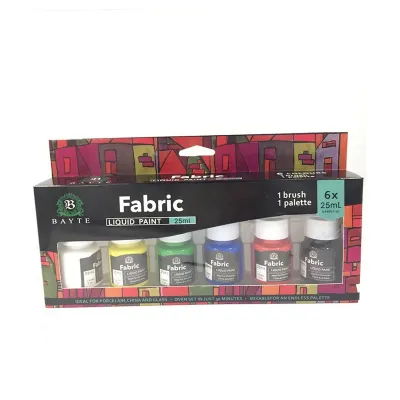
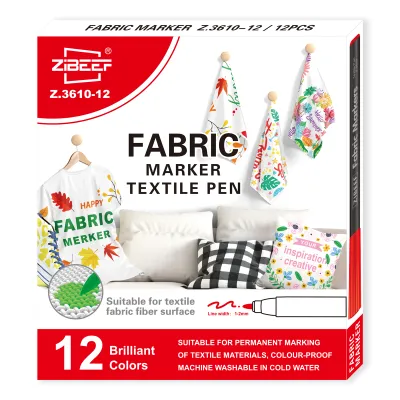
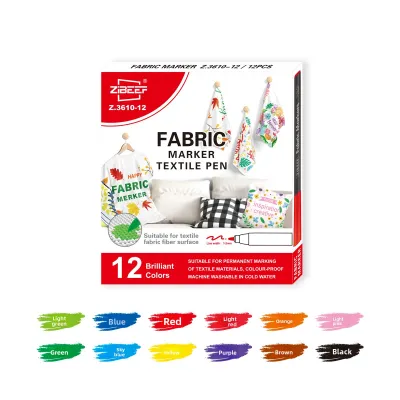
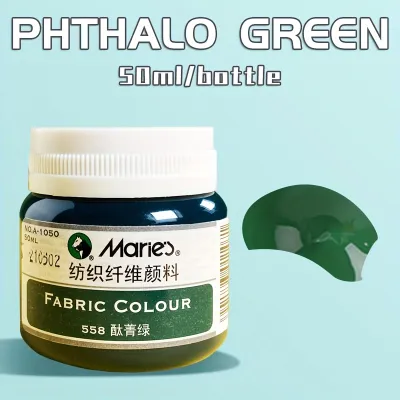
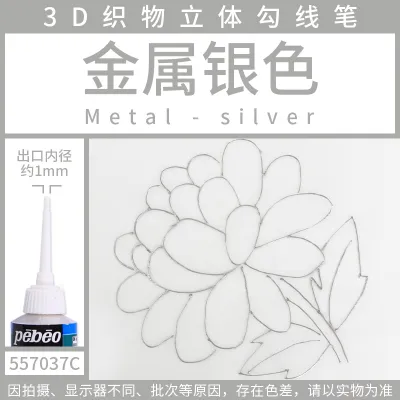
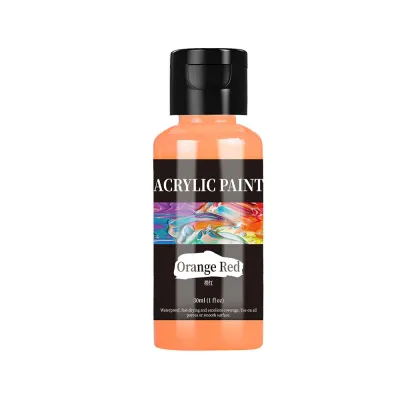
Prices are valid at publication and may change. Please refer to the product page for the latest price.
For beginners who find handling brushes intimidating, fabric markers offer an excellent alternative. These markers contain specialized fabric ink or highly fluid paint delivered through a fiber tip, allowing for precise control, fine lines, and detailed writing. They are particularly convenient for quick projects, outlining designs, or working with children, as they minimize mess and require no clean-up tools. However, they are less suited for filling in large areas of color.
Fabric spray paints are another option, designed for broad coverage, stenciling, and creating gradient or airbrushed effects. They are highly fluid and must be applied in fine mists to prevent the fabric from becoming oversaturated and stiff. When using spray formulations, working in a well-ventilated space is crucial to ensure safety and proper drying.
Your choice of paint must align with the fiber composition of your fabric. Natural fibers like cotton, linen, and canvas are highly absorbent, allowing fabric paint to penetrate deep into the weave for an exceptionally strong bond. Synthetic fibers like polyester, nylon, and acrylic are hydrophobic and tightly woven, meaning standard fabric paints may sit on the surface and peel over time. If you are working with synthetic fabrics or poly-cotton blends, you must verify that the paint label explicitly states compatibility with synthetics.
Heavy fabrics like denim and canvas require highly opaque paints to ensure the design remains visible against the dark or textured background. Conversely, lightweight stretch fabrics, such as jersey or spandex blends, require paints formulated with high elasticity. Always check the manufacturer’s packaging for stretch limits and compatibility ratings to prevent your design from cracking when the garment is worn.
Key Criteria for Evaluating Fabric Paint Brands
When comparing different fabric paint brands, washability and durability should be your primary considerations. Most high-quality fabric paints rely on a heat-setting process to chemically cross-link the paint polymers with the textile fibers. This process, typically done with a household iron, makes the design wash-fast. You should check the manufacturer’s instructions for specific curing times; many brands require the paint to air-dry for 24 to 72 hours before heat-setting, and Singapore’s high humidity can sometimes extend these drying times.

Opacity and color vibrancy vary significantly between brands and product lines. Transparent or semi-opaque fabric paints are designed for light-colored fabrics, allowing the natural texture and color of the cloth to show through. If you plan to paint on dark blue denim or black cotton, you must look for paints specifically labeled as “opaque” or “for dark fabrics.” These formulations contain higher pigment concentrations and opacifying agents, such as titanium dioxide, to ensure the colors pop without requiring dozens of layers.
Safety is another critical factor, especially if you are crafting with children or creating wearable items that will have direct, prolonged contact with skin. Look for brands that carry recognized safety certifications, such as the AP (Approved Product) non-toxic seal from the Art and Creative Materials Institute (ACMI). This certification ensures the product has been toxicologically evaluated and contains no materials in sufficient quantities to be toxic or injurious to humans.
The finish of the paint alters both the visual appearance and the physical feel, or “hand,” of the fabric. A standard matte finish blends seamlessly with the fabric’s natural texture, keeping it relatively soft. Glossy or satin finishes offer a slight sheen but can feel slightly stiffer. Specialty finishes like metallic, glitter, and neon add eye-catching visual effects, while puff or 3D paints expand when heat is applied to create a raised, tactile surface. Keep in mind that heavy applications of specialty finishes will inevitably increase the stiffness of the fabric, altering how the garment drapes.
What to Look for in a Beginner Fabric Paint Set
For those new to the craft, purchasing a curated starter set is often more practical and cost-effective than buying individual jars. A well-designed beginner set should feature an essential color palette that allows for maximum mixing potential. Look for kits that include the primary colors (cyan/blue, magenta/red, and yellow) along with black and white. With these five basic shades, you can mix almost any color on the spectrum, helping you learn color theory while keeping your initial investment low. While pre-mixed pastel or neon sets are convenient, they offer less versatility for general projects.
In addition to the paint itself, many beginner kits include essential tools and accessories to help you start painting immediately. Useful inclusions to look for are synthetic-bristle brushes, which hold their shape well when used with thick acrylic mediums, and foam stipplers or sponges, which are excellent for applying paint evenly through stencils. Some sets also bundle basic plastic stencils and a mixing palette, saving you the trouble of sourcing these items separately.
Packaging size is another factor to consider. Beginner sets typically come in small, trial-sized pots ranging from 15ml to 30ml per color. These smaller volumes are ideal for testing different brands, practicing your technique, and completing small-scale projects like a single tote bag or a few custom patches. If you plan to tackle larger projects, such as a full-sized jacket or a set of throw pillows, look for starter sets that offer larger 60ml squeeze bottles, which are easier to dispense and less prone to drying out during extended crafting sessions.
Finally, evaluate the clarity of the instructions included with the set. A beginner-friendly kit should provide explicit, step-by-step guidance on how to prepare the fabric, apply the paint, manage drying times, and execute the heat-setting process. Clear instructions reduce the risk of common mistakes, such as applying the paint too thickly or washing the garment before the paint has fully cured.
Where to Source Fabric Paint and Starter Sets in Singapore
Finding quality fabric paint and starter sets in Singapore is straightforward if you know where to look. Visiting physical art supply stores and specialized stationery shops in central retail districts or dedicated arts complexes is highly recommended for beginners. Shopping in person allows you to inspect the physical packaging, read the compatibility labels directly, and view physical color swatches under natural light. Store staff in these specialized shops can also offer valuable advice on which paint lines are best suited for your specific fabric type.
If you prefer the convenience of online shopping, major e-commerce platforms and online marketplaces host official flagship stores and authorized distributors for reputable art supply brands. Buying from official stores ensures product authenticity and reduces the risk of purchasing expired or improperly stored paint that may have dried out or separated in transit. When browsing online marketplaces, always verify the seller’s ratings and read customer reviews to assess their packaging quality and delivery reliability.
To avoid long shipping delays and potential exposure to extreme temperatures during international transit, prioritize sellers with local stock in Singapore. Extreme heat during shipping can compromise the chemical stability of acrylic binders, affecting how well the paint adheres to your fabric. Local shipping also ensures your supplies arrive quickly, allowing you to start your project without unnecessary waiting.
When comparing prices, which are typically listed in S$, look at the overall value rather than just the upfront cost. Factor in local delivery fees, and check if the seller offers bundle deals that include essential tools like brushes or stencils. Sometimes, purchasing a slightly more expensive starter set that includes free shipping and a complete tool kit is more economical than buying a cheap paint set and paying separate shipping fees for brushes and palettes.
Essential Preparation and Application Steps for Beginners
To ensure your fabric painting project is successful and durable, you must follow a systematic preparation and application process. Never skip the pre-washing stage. New fabrics and garments are treated with chemical starches known as “sizing” during manufacturing to keep them looking crisp on retail shelves. This sizing creates a barrier on the fibers that prevents fabric paint from adhering properly, leading to premature peeling and fading. Wash your fabric in warm water with a standard detergent, and avoid using fabric softeners, which leave a silicone residue that also interferes with paint bonding. Allow the fabric to dry completely and iron out any wrinkles before you begin painting.
Before applying any paint, place a protective barrier inside the garment or beneath your fabric workspace. A thick piece of corrugated cardboard, a plastic sheet, or wax paper inserted inside a t-shirt or tote bag prevents the wet paint from bleeding through the front layer and staining the back. Secure the fabric to the barrier using binder clips or masking tape to keep the surface taut and wrinkle-free, which makes painting clean lines much easier.
When applying the paint, remember that thin, even layers are always superior to a single thick coat. Applying fabric paint too thickly creates a heavy, plastic-like patch on the garment that is highly prone to cracking as the fabric moves and stretches. If you are using stencils, load a foam stippler with a small amount of paint, dab off the excess on a paper towel, and apply the paint using a gentle tapping motion. This dry-brush technique prevents the paint from seeping under the edges of the stencil, ensuring sharp, clean lines.
Once your design is complete, let the paint air-dry completely in a dust-free area for at least 24 hours. To make the design permanent, you must heat-set it using a household iron. Turn off the steam setting on your iron, as moisture will interfere with the curing process. Place a clean pressing cloth, parchment paper, or a thin cotton towel over the painted design to protect your iron, and press the area using a medium-to-high heat setting (appropriate for the fabric type) for three to five minutes, keeping the iron moving constantly to avoid scorching. Wait at least 72 hours before washing the finished item for the first time, always washing it inside out on a gentle cycle with mild detergent.
Frequently Asked Questions (FAQ)
Can I use regular acrylic paint instead of specific fabric paint?
While you can physically apply regular acrylic paint to fabric, it is not recommended for wearable items or projects that require washing. Regular acrylic paint dries into a rigid, non-porous plastic film that lacks flexibility. As a result, the design will quickly crack, peel, and feel uncomfortably stiff against the skin. If you must use regular acrylics, you should mix them with a dedicated textile medium in a one-to-one ratio. This medium dilutes the acrylic binder and adds the necessary flexibility and wash-fastness, essentially converting your standard acrylic paint into functional fabric paint.
How do I fix fabric paint mistakes before heat setting?
Fabric paint is designed to be permanent once cured and heat-set, so you must act quickly to correct any mistakes while the paint is still wet. If you smudge a line, immediately use a clean, damp cotton swab or a soft cloth dipped in warm water and mild soap to gently lift the wet pigment from the fibers. Avoid rubbing the area aggressively, as this will spread the pigment and stain the surrounding fabric. For paint that has dried but has not yet been heat-set, you can sometimes loosen the binder by gently dabbing the spot with rubbing alcohol, but this carries a risk of color bleeding and should be tested on an inconspicuous area first.
Community discussion
Share your experience or ask a question. Comments are reviewed before publication.