
Selecting the right thank you paper bag requires aligning the dimensions and weight of your items with the formality of the occasion. A bag that is too small causes unsightly bulging, while an oversized bag makes the contents look sparse. By matching the bag’s size, material thickness, and handle style to your specific event or product, you ensure that the packaging remains structurally reliable while leaving a positive impression on the recipient.
Understanding Paper Bag Sizes and Dimensions
To choose the correct bag size, measure the items you plan to place inside. Use a ruler to determine the maximum length, width, and height of the gift or product. Always account for any external packaging, such as gift boxes, protective wrap, or decorative tissue paper, as these additions increase the overall volume.
Compare these measurements against standard paper bag dimensions, which manufacturers typically list as width by depth (or gusset) by height. Select a bag that is at least one to two centimeters larger than your item in every direction to allow the contents to slide in and out smoothly without tearing the paper.
Products mentioned in this guide
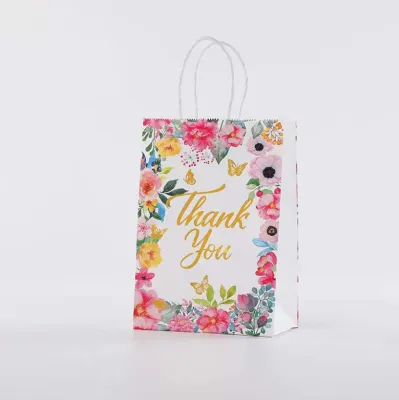
![[SG READY STOCK] Birthday Gift Bag Goodie Bags Kraft Paper Bag Thank you Bags Happy Everyday Wrapping Gift Bag Thank you Paper Bags](https://img.lazcdn.com/g/ff/kf/Sb2b79d065b9e4efeaa97df0eddd08956t.jpg_400x400q80.jpg_.webp)
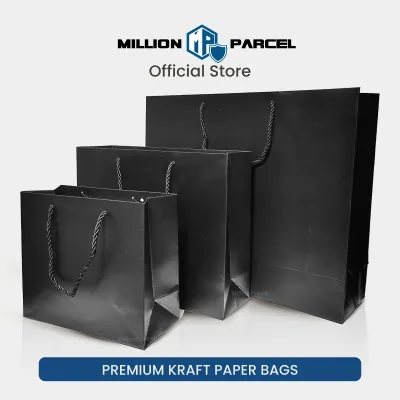
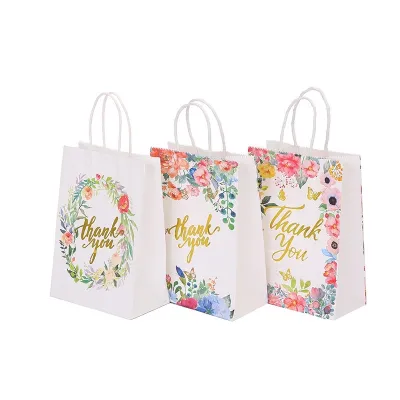

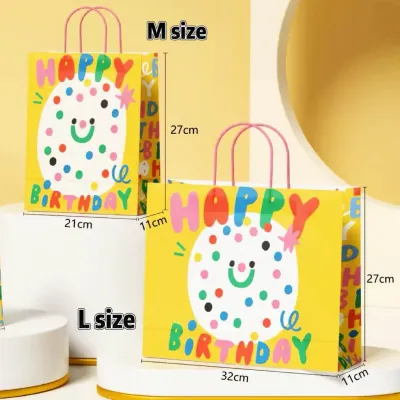
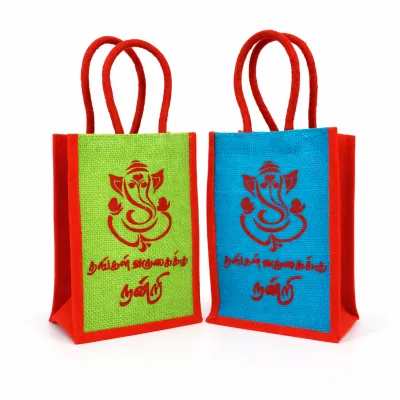
![[*Pre-Order*] Hand-held Gift Bag | Thank You Tag | For Souvenirs Packaging in Any Occasions Weddings/ Birthday Gifts](https://img.lazcdn.com/g/p/532d3a8786ef89537ca37eff0c55b220.jpg_400x400q80.jpg_.webp)
Prices are valid at publication and may change. Please refer to the product page for the latest price.
The gusset, which refers to the folded side and bottom panels, is critical for determining capacity. A wide gusset allows the bag to stand upright independently, making the packing process much easier. Flat items like cards or prints require only a narrow gusset, whereas bulky, square, or round items need a generous bottom gusset to prevent the paper from splitting.
Standard paper bag sizes generally fall into three categories. Small bags (around 11 cm by 15 cm) are ideal for jewelry, single cosmetics, or small favors. Medium bags (around 20 cm by 25 cm) accommodate books, standard gift boxes, or apparel. Large boutique bags (30 cm by 40 cm or more) are designed for multiple retail items, bulky winter wear, or large corporate gift sets.
Matching Bag Sizes and Styles to Specific Occasions
The context of your event or business determines both the physical scale and the visual tone of your packaging. A bag that works well for a casual community gathering may feel out of place at a high-end corporate gala or a formal wedding. Aligning the aesthetic details of the paper bag with the expectations of your guests or customers creates a cohesive experience.

Different occasions demand distinct combinations of materials, colors, and structural designs. While some events benefit from lightweight, highly decorated paper pouches, others require heavy-duty, understated carriers that can withstand transit. Understanding these specific requirements helps you narrow down your options and make an efficient purchase.
Wedding Favors and Personal Celebrations
For weddings, baby showers, and milestone birthday parties, the thank you paper bag is often a keepsake in itself. These events typically involve lightweight favors such as scented candles, custom cookies, or small jars of honey. Because the contents are generally small and light, you can prioritize delicate aesthetics over heavy-duty structural reinforcement.
Visual appeal is paramount for personal celebrations, where bags are often color-coordinated with the event’s theme. Popular choices include pastel shades, clean white kraft paper, or bags featuring elegant metallic foil accents. Handles made from soft satin ribbon, organza, or fine cotton rope add a tactile, premium feel that elevates the presentation of even the simplest favor.
While these bags do not need to support significant weight, they must still maintain their shape when displayed on a reception table. Choosing a bag with a reinforced cardboard base ensures that small, heavy items like glass jars do not cause the bottom to sag. This simple structural detail keeps the display looking neat and organized throughout the celebration.
Corporate Events and Client Gifts
Corporate gifting, conferences, and client appreciation events require a highly professional and polished presentation. The items distributed in these settings often include branded notebooks, tech accessories, insulated water bottles, or heavy document folders. Consequently, the packaging must be robust enough to carry these items securely while reflecting the company’s professional standards.
For corporate settings, neutral and sophisticated colors such as matte black, navy blue, forest green, or classic brown kraft paper are highly effective. The design should remain clean and uncluttered, often featuring a simple, high-contrast thank you message or a subtle company logo. Avoid overly bright or busy patterns, which can detract from the professional tone of the event.
Durability is a key consideration, as recipients often carry these bags through long networking sessions, trade show floors, or commutes. Opt for bags made from thick, high-density paper with reinforced handles, such as twisted paper or woven nylon rope. Ensuring the handles are securely glued or threaded through metal eyelets prevents embarrassing breakages during transit.
Retail Packaging and Small Business Orders
For e-commerce brands and brick-and-mortar boutiques in Singapore, thank you paper bags serve as a mobile advertisement and a key touchpoint in the customer journey. Retail packaging must accommodate a wide variety of product combinations, from single items to multiple bundled goods. Therefore, small businesses benefit most from stocking a versatile range of medium and large sizes.
Efficiency and durability are the primary operational requirements for retail packaging. Bags with flat bottoms and stiff, self-standing structures allow staff to pack orders quickly at the checkout counter or packing station. Choosing cost-effective materials, such as recycled brown or white kraft paper, helps keep packaging expenses manageable when purchasing in high volumes.
Integrating your brand identity into the bag design can be achieved without excessive costs. Simple pre-printed “thank you” messages in clean typography offer a professional look, which can be further customized with branded stickers, custom ink stamps, or colorful tissue paper inserts. This approach allows you to maintain a consistent brand image while keeping your packaging inventory flexible and functional.
Evaluating Material Thickness and Handle Types
The durability and overall feel of a paper bag are directly determined by its paper weight, which is measured in grams per square meter (gsm). Standard utility paper bags typically range from 70 gsm to 100 gsm, offering a lightweight and flexible option suitable for light retail items or small pastries. For general gifting and standard retail use, a paper weight of 120 gsm to 150 gsm provides a sturdy, tear-resistant structure that holds its shape well.
Premium gift bags and high-end boutique packaging often utilize paper weights ranging from 180 gsm to 250 gsm or higher. These thick papers, often referred to as art card or heavy kraft, offer excellent stiffness and a luxurious feel. They are highly resistant to creasing and can safely support heavier items like ceramic mugs, books, or bottled liquids without risk of tearing.
The style of handle you select affects both the carrying comfort and the overall aesthetic of the bag. Twisted paper handles are a popular, eco-friendly choice that offers surprising strength and a clean, modern look. Flat paper handles are highly cost-effective and fold down easily, making them ideal for high-volume takeaway and retail environments where storage space is limited.
For a more premium presentation, rope, cotton cord, or satin ribbon handles are excellent options. These materials are soft on the hands, making them comfortable to carry for extended periods, and they drape elegantly over the sides of the bag. Die-cut handles, which are cut directly into the paper body, offer a sleek, minimalist appearance but are most suitable for lightweight items, as they can tear under heavy loads.
Before purchasing thank you paper bags in bulk, always verify the manufacturer’s specified maximum load capacity. Even thick paper can fail if the handles are poorly attached or if the bottom glue is weak. Testing a sample bag with your heaviest product combination is a practical way to ensure the packaging can handle real-world use safely.
Customization and Design Tips for a Professional Finish
Customizing your thank you paper bags is an effective way to add a personal touch, but it must be done carefully to maintain a professional appearance. For small events or low-volume businesses, buying blank, high-quality paper bags and customizing them manually is often the most flexible and cost-effective route. You can use custom rubber stamps with archival ink, high-quality adhesive stickers, or elegant hanging gift tags tied to the handles.
If you choose to stamp or write directly on the bags, consider the texture of the paper. Smooth, uncoated kraft paper absorbs ink quickly and cleanly, whereas glossy or laminated paper surfaces can cause ink to smudge or run. For textured or dark-colored papers, using high-contrast metallic inks or pre-printed adhesive labels ensures that your thank you message remains sharp and legible.
For larger events or established businesses, pre-printed custom bags offer a highly polished and uniform look. When designing printed bags, keep the layout clean and focused on the thank you message. Ensure there is sufficient contrast between the background paper color and the printed text; for example, dark charcoal or white ink stands out beautifully on natural brown kraft paper, while gold foil adds a sophisticated touch to matte black or deep navy.
Avoid overcomplicating the design with too many colors or complex graphics, which can look cluttered and distract from the message of appreciation. A simple, well-placed “Thank You” in an elegant font, paired with a small logo or a decorative border, is often far more impactful than a busy, full-bleed print. This minimalist approach also reduces printing costs and ensures a timeless, professional finish.
Frequently Asked Questions (FAQ)
How do I store flat paper bags to prevent creasing before an event?
To keep your paper bags in pristine condition, store them flat in a cool, dry environment away from direct sunlight and high humidity. Excess moisture in the air can weaken the paper fibers, soften the adhesive on the seams, or cause the colors to bleed and warp. Keep the bags in their original packaging or a sealed plastic bin to protect them from dust and accidental spills.
When stacking flat bags, avoid placing heavy, uneven objects on top of them, as this can create permanent creases or crush the handles into the paper. Lay the bundles flat on a shelf or in a drawer, and place a flat piece of cardboard on top of the stack to distribute any weight evenly. This simple precaution ensures that every bag remains crisp, smooth, and ready for assembly when your event begins.
Can I use the same paper bag style for both heavy retail products and light wedding favors?
Using a single bag style for vastly different purposes is generally not recommended due to aesthetic and structural mismatches. A heavy-duty, large boutique bag looks empty and awkward when holding a single, delicate wedding favor, which can diminish the perceived value of the gift. Conversely, a lightweight, decorative favor bag is highly likely to tear or drop its handles if loaded with heavy retail items.
If you want to maintain a unified brand or event theme, you can select bags from the same product line that share identical colors and paper textures but differ in size and weight capacity. This allows you to achieve visual consistency across different uses while ensuring that each bag is structurally suited to its specific contents.

Community discussion
Share your experience or ask a question. Comments are reviewed before publication.