
A student’s organizational and motivational needs evolve significantly from lower primary to pre-university, making different types of sticker sheets practical at each educational stage. Choosing the right sticker sheet depends on matching the student’s daily tasks—whether that is identifying personal belongings in a busy primary school classroom, organizing subject files in secondary school, or managing tight study schedules for national examinations. By selecting stickers with the appropriate material, adhesive strength, and design, parents and students can streamline daily routines and keep school supplies neat and functional.
Lower Primary: Name Labels and Reward Stickers for Foundation Years
In the early years of primary school, students are learning to manage their personal belongings and build positive classroom habits. For parents, the primary challenge is ensuring that easily misplaced items like water bottles, food containers, and stationery sets make their way back home. This is where specialized name label sticker sheets become indispensable.
When selecting name label sticker sheets for lower primary students, durability is a critical factor. Look for waterproof vinyl or synthetic labels that can withstand daily washing, high temperatures, and the general wear and tear of a school bag. These sheets often feature pre-cut shapes in various sizes to fit everything from slim pencils to wide lunchboxes. It is helpful to choose designs with clear, high-contrast lettering so young children who may not yet read fluently can easily recognize their own name or a distinct personal icon.
Products mentioned in this guide
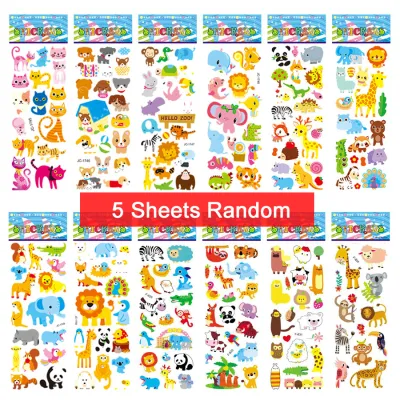
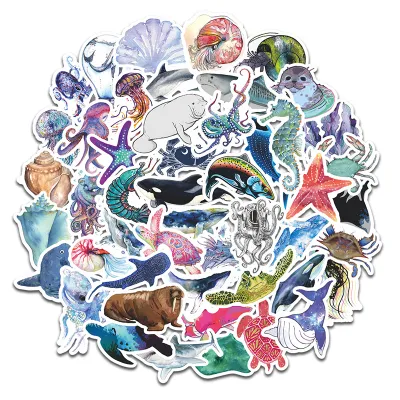
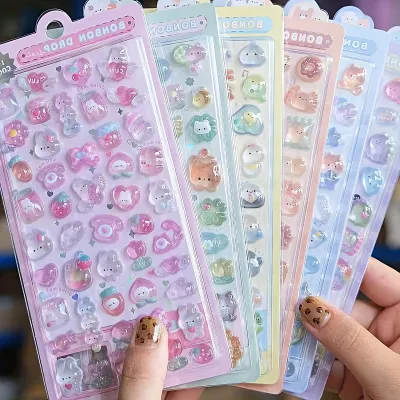
![[SG seller] 10 sheets $1.99 Cheapest 3D Kids Stickers Cartoon Puffy Children Goodie Birthday Party Reward Paw Patrol Frozen Princess Unicorn Pokemon Pony Spiderman McQueen Mickey Dinosaurs Sofia Melody Peppa Stiker Minions Hello Kitty Thomas Animal](https://img.lazcdn.com/g/p/d44708804ff807ce6f6a3ef8aa416395.jpg_400x400q80.jpg_.webp)
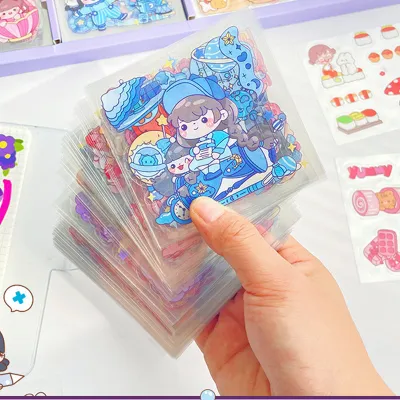
Prices are valid at publication and may change. Please refer to the product page for the latest price.
Reward and motivational sticker sheets serve a different but equally important purpose during these foundation years. Parents and educators frequently use these bright, visually appealing stickers on behavior charts, spelling books, and homework sheets to provide immediate positive reinforcement. When purchasing reward stickers, look for sheets containing a high volume of small, encouraging designs, such as stars, smiley faces, or simple praise words.
Adhesive selection requires careful attention in this age group. For name labels on personal items, permanent, high-tack adhesives are necessary to prevent peeling during washing. However, for reward stickers that might end up on bedroom walls, shared desks, or library books, opt for gentle, removable adhesives. This prevents permanent damage to surfaces and makes cleanup much easier for parents and teachers.
Upper Primary: Project Decorations and Basic Organization Stickers
As students progress to upper primary, their academic responsibilities expand to include group projects, science practicals, and more structured homework routines. The focus shifts from simple identification and rewards to early organizational habits and creative presentation.

Project decoration sticker sheets become highly useful during this stage. These sheets often feature thematic designs, such as historical timelines, scientific diagrams, or geographical maps, which students can use to enhance poster presentations, science journals, and art portfolios. Using high-quality paper-based stickers instead of printing and gluing individual pictures saves time and results in a much neater final presentation.
This stage also marks the beginning of independent subject management. Simple organization sticker sheets, such as color-coded dots or small icon labels, help students categorize their subjects. For example, assigning blue dot stickers to science materials and red dots to mathematics books allows students to quickly identify the correct folders and exercise books when packing their school bags each morning.
When using stickers on standard school exercise books, it is important to perform a material compatibility check. Standard school books often use thin, uncoated paper covers that tear easily. To prevent damage, choose sticker sheets with medium-strength adhesives that can be repositioned if placed incorrectly, rather than aggressive permanent glues that will rip the paper fibers upon removal.
Lower Secondary: Subject Dividers and Study Tracking Stickers
Entering secondary school introduces a significant increase in academic complexity, with students managing up to eight or nine distinct subjects. The volume of loose worksheets, notes, and reference materials grows exponentially, making robust organizational systems essential.
Subject divider and index sticker sheets are highly effective tools for managing this transition. These stickers are designed to adhere to the edges of plastic dividers, ring files, and lever arch folders, creating visible tabs that allow students to flip directly to the required section. Look for index stickers made from durable, laminated plastic or thick cardstock that will not bend or fray with repeated daily use.
Study tracking sticker sheets offer a functional way to manage homework planners and assignment logs. These sheets typically include functional designs such as progress bars, priority flags, and checkmark boxes. By placing these stickers in their student planners, lower secondary students can visually map out project deadlines, track revision progress for topical tests, and prioritize daily tasks.
Because secondary school students frequently use rented textbooks, library books, or shared school resources, adhesive removal is a critical consideration. Always verify that any stickers applied to these items are labeled as removable or residue-free. Applying permanent stickers to school-owned property can result in damage fees or difficult cleanup sessions at the end of the academic year.
Upper Secondary and Pre-University: Aesthetic Planner Stickers for Advanced Scheduling
For students preparing for major national examinations like the O-Levels, N-Levels, or A-Levels, time management becomes a highly disciplined practice. At this pre-university stage, students often adopt detailed academic journaling and planner systems to balance intensive study schedules, co-curricular activities, and personal time.
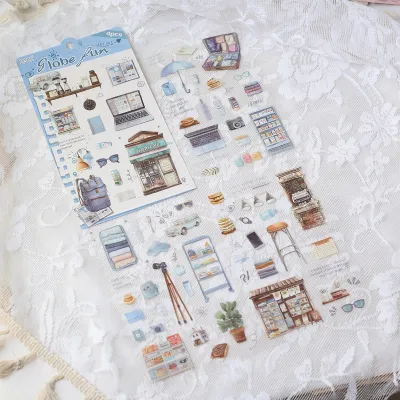
Aesthetic and functional planner sticker sheets are highly popular among older students. Unlike the bright, cartoonish stickers of primary school, these sheets feature minimalist color palettes, elegant typography, and highly specific functional layouts. Common designs include weekly calendar grids, habit trackers, exam countdowns, and study-hour logs. These stickers help students break down massive exam syllabi into manageable daily targets while maintaining a clean, visually calming planner layout.
Annotation and correction sticker sheets are also incredibly useful for advanced note-taking. Opaque cover-up stickers allow students to neatly correct errors in their study notes without messy correction fluid or unsightly scribbles. Additionally, thin, semi-transparent washi-style sticker strips can be used to highlight key formulas, definitions, or historical dates in textbooks without permanently marking the pages.
When selecting sticker sheets for intensive study notes, ink compatibility is a key performance check. Many aesthetic stickers have a glossy or plastic-coated finish that repels standard gel pens and highlighters, leading to smudging and illegible notes. For academic use, prioritize matte paper sticker sheets that readily accept ink from ballpoint pens, gel pens, and water-based highlighters. Before writing extensive notes, test your preferred pen on a small corner of the sticker sheet to verify the drying speed and prevent smudging, ensuring that written annotations remain sharp and readable over long-term archival storage.
Practical Checks for Buying and Using School Sticker Sheets
Before purchasing sticker sheets for the upcoming school term, conducting a few practical checks can save time and prevent wasted supplies. Understanding the relationship between materials, adhesives, and surfaces ensures that each sticker performs as intended.
First, consider the material and finish based on where the sticker will be placed. Matte paper stickers are ideal for writing on, making them perfect for planners, notebooks, and index tabs. Glossy paper stickers offer vibrant colors but are difficult to write on with standard pens. Vinyl and synthetic sticker sheets are highly durable, water-resistant, and tear-proof, making them the most suitable choice for water bottles, lunchboxes, and outdoor gear.
Second, match the adhesive type to the expected lifespan of the application. Permanent adhesives form a strong bond over time and are difficult to remove without leaving residue or damaging the surface. Use these only on personal items intended for long-term labeling. Repositionable or low-tack adhesives are designed to peel off cleanly, making them ideal for planners, textbooks, and temporary wall charts.
Finally, if you plan to print custom labels or organization systems at home, verify the printer compatibility of blank sticker sheets. Laser printers use heat to fuse toner onto the sheet, requiring heat-resistant materials, while inkjet printers require porous surfaces that can absorb liquid ink. Using the wrong type of sticker sheet in a home printer can result in smeared ink, poor print quality, or even damage to the printer hardware.
Frequently Asked Questions (FAQ)
Are waterproof name label sticker sheets necessary for all school items?
No, waterproof name label sticker sheets are not necessary for every school item. They are essential for items that undergo regular washing or exposure to moisture, such as water bottles, lunchboxes, and food containers. For dry items like textbooks, exercise books, files, and pencil cases, standard paper-based name labels are highly suitable and are often easier to write on with standard ballpoint pens.
How can I remove sticky residue from school books without damaging the covers?
To remove sticky residue from hard plastic or laminated book covers, apply a tiny drop of mild household oil, such as olive oil or baby oil, to a soft cloth and gently rub the sticky area until the residue lifts. Wipe the area clean with a damp, soapy cloth afterward. For paper covers, avoid oils and liquids entirely; instead, use a clean pencil eraser to gently roll the adhesive residue away, or use a piece of sticky tape pressed repeatedly over the residue to lift it off.

Community discussion
Share your experience or ask a question. Comments are reviewed before publication.