
Squishy stickers are a delightful way for primary school students to personalize their learning materials, but choosing the right ones requires matching their physical properties with a child’s developmental stage. For younger students in Primary 1 to 3 (lower primary), the focus must be on safety, ease of handling, and durability against curious fingers. For older students in Primary 4 to 6 (upper primary), these tactile items transition from simple playthings into functional tools for organization, indexing, and mature self-expression. By understanding the materials, adhesives, and physical profiles of these three-dimensional embellishments, parents can select options that enhance school supplies without causing classroom distractions or damaging school property.
Selecting the perfect sticker involves more than just picking an appealing design. The physical interaction between the sticker, the adhesive, and the stationery surface determines how long the decoration will last and whether it will interfere with daily schoolwork. A well-chosen squishy sticker should remain firmly attached throughout the school term, resist wear from frequent handling, and peel away cleanly when it is time to refresh or return school gear.
What to Look for in Squishy Stickers for School Use
Squishy stickers are multi-layered adhesive designs that incorporate a soft, compressible middle layer to create a raised, tactile surface. Unlike flat paper or vinyl stickers, these 3D embellishments offer sensory feedback that children find highly engaging. However, this three-dimensional nature introduces unique physical characteristics that parents must evaluate before allowing them in a classroom setting.
Products mentioned in this guide
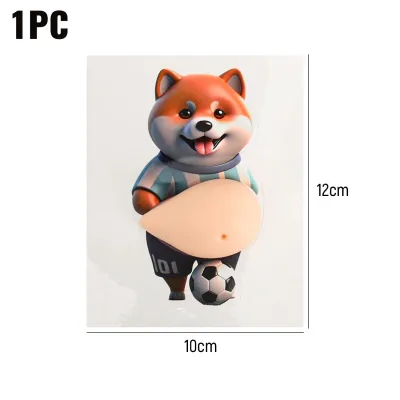
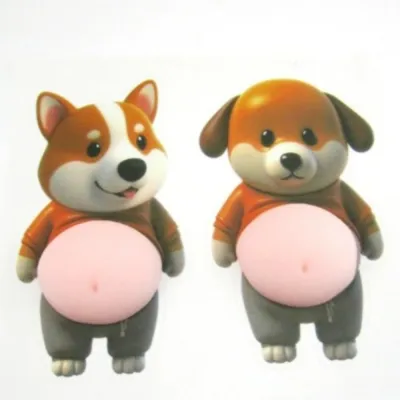
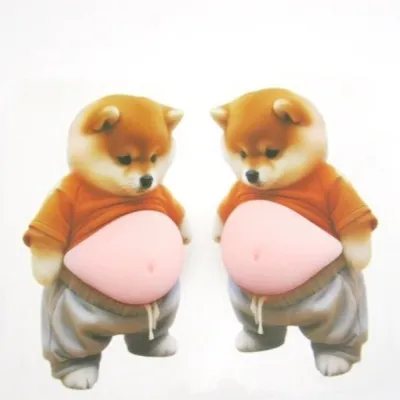
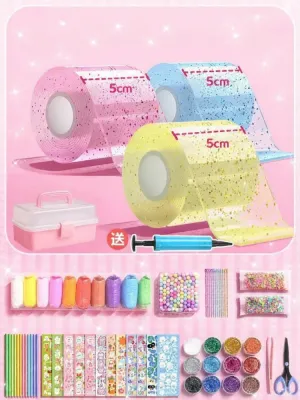
Prices are valid at publication and may change. Please refer to the product page for the latest price.
The material composition of the squishy layer significantly affects both texture and durability. Most squishy stickers are made from either ethylene-vinyl acetate (EVA) foam or polyurethane (PU). EVA foam stickers are lightweight, slightly firm, and hold their shape exceptionally well under moderate pressure. They are highly durable and resist tearing, making them excellent for everyday school items. In contrast, PU stickers offer a much softer, gel-like, or “slow-rise” texture that is highly compressible. While PU stickers are incredibly satisfying to touch, they can be more susceptible to tearing or absorbing dirt if the outer protective layer is punctured.
Adhesive compatibility is another critical factor to consider. Most squishy stickers utilize acrylic-based pressure-sensitive adhesives. These adhesives must bond effectively with a variety of common school supply surfaces, including smooth plastic pencil cases, metallic water bottles, and paper notebook covers. Because squishy stickers are thicker and heavier than flat stickers, they require a more robust adhesive backing to prevent the edges from lifting over time.
The physical thickness of the sticker directly impacts the functionality of school supplies. Standard flat stickers are less than a millimeter thick, whereas squishy stickers can range from two millimeters to over five millimeters in height. A very thick sticker placed on a notebook cover can cause the book to sit unevenly on a desk, making writing on the pages difficult. On a pencil case, a bulky sticker might catch on the zipper or snag against the interior lining of a school bag, leading to premature peeling and sticky residue accumulation.
Lower Primary (Grades 1-3): Prioritizing Safety and Motor Skills
In the lower primary years, children are still refining their fine motor skills and are highly tactile learners. For these younger students, stationery items double as tools for developmental growth, meaning safety and usability must be the primary considerations when selecting squishy stickers.

Safety verification is paramount for this age group. Parents should carefully inspect product labels for clear non-toxic material declarations and age-appropriate ratings. Because squishy stickers are soft and compressible, they can pose a choking hazard if small parts detach. It is best to choose stickers that are molded as a single, cohesive piece rather than designs with tiny, glued-on plastic gems, googly eyes, or multi-layered parts that a young child might pick off. The adhesive backing must be secure and uniform across the entire underside of the sticker to prevent edges from lifting, which can tempt curious fingers to peel and chew on the material.
Design and usability should align with the child’s physical capabilities. Opt for larger, simplified shapes—such as broad stars, animals, or basic geometric figures. These shapes are much easier for small hands to peel off the backing sheet independently, supporting the development of the pincer grasp without causing frustration. Intricate designs with thin, spindly limbs or sharp corners tend to tear during removal from the sheet, which can discourage young children.
Durability is essential because lower primary school bags and stationery undergo significant wear and tear. Stickers in this category must withstand frequent touching, scratching, and dropping. EVA foam stickers generally perform better for younger students, as they resist fingernail indentations and do not lose their shape as easily as ultra-soft PU gel stickers. They provide a sturdy, tactile experience that remains intact despite rough handling.
Upper Primary (Grades 4-6): Focusing on Organization and Aesthetics
As students progress to upper primary, their relationship with school supplies shifts. They manage more subjects, carry thicker binders, and seek to express their personal style in a more mature manner. For these older students, squishy stickers transition from simple decorations to functional organizational tools.
Functional applications are highly beneficial for managing multiple school subjects. Students can use thicker, textured stickers as tactile index tabs on the edges of notebooks, subject dividers, or folders. The raised profile allows them to flip to a specific section quickly by touch alone, which is incredibly useful during fast-paced lessons. They can also be used on planners or calendars to highlight important exam dates, project deadlines, or co-curricular activities.
Design maturity is a key preference for older students, who typically favor subtle patterns, motivational typography, or minimalist 3D elements over cartoonish characters. Pastel color palettes, geometric patterns, or metallic-accented PU stickers allow them to personalize their gear without feeling out of place among their peers. These designs offer a sophisticated look that complements their growing sense of identity.
Adhesive strength becomes even more critical as upper primary students carry heavier loads and use their items more intensively. Their water bottles, heavy-duty folders, and personal electronic device cases (such as tablet covers used for digital learning) require stickers with stronger, long-lasting adhesives. Look for stickers labeled as water-resistant or heavy-duty to ensure they do not slide off when exposed to condensation on a cold drink bottle or the friction of being pulled in and out of a tightly packed backpack.
How to Evaluate Quality and Suitability Before Buying
Before purchasing squishy stickers from a local stationery shop or an online marketplace, a systematic evaluation is essential to ensure they are fit for school use.
Always inspect the packaging for clear manufacturer details, age recommendations, and material safety standards. Avoid unbranded sticker sheets that lack basic labeling, as the adhesives used may contain strong solvents that emit unpleasant chemical odors or damage plastic surfaces. High-quality stickers will have a clean, solvent-free scent and clear instructions regarding surface compatibility.
Evaluate the balance between 3D puffiness and practical storage by holding the sticker sheet sideways. A sticker that is excessively thick (exceeding four millimeters) might look appealing but will create practical issues in a school bag. It can cause notebooks to wobble when stacked, or snag on the fabric of a school bag, eventually tearing the sticker or damaging the bag’s interior lining. Choose a moderate thickness that offers tactile feedback without adding unnecessary bulk.
Consider the risk of adhesive residue and damage to school property. School-issued textbooks, library books, or rented materials should never be decorated with permanent adhesives. If a sticker is applied to a personal item, check if the adhesive is described as “removable” or “repositionable.” High-tack permanent adhesives can leave a stubborn, sticky residue that attracts dirt, or worse, strip the laminate coating off notebook covers when removed. To verify adhesive behavior, perform a simple corner-peel test on an inconspicuous area of the item before fully applying the sticker.
Applying and Maintaining Stickers on School Supplies
Proper application and maintenance ensure that squishy stickers remain clean, hygienic, and firmly attached throughout the school term.
Surface preparation is the most critical step for ensuring proper adhesion. Before applying any sticker, the target surface must be thoroughly cleaned. Wipe plastic pencil cases, rulers, or notebook covers with a damp cloth to remove dust, oils, and fingerprints, then allow the surface to dry completely. Any moisture or dust trapped under the adhesive will severely compromise its bonding strength, leading to peeling edges within days.
When applying the sticker, peel it carefully from its backing to avoid tearing the foam or PU layer. Align it over the desired spot, then press down firmly starting from the center and working your way outward to the edges. This pushes out any trapped air bubbles and ensures the entire adhesive surface makes contact. Avoid placing squishy stickers near high-friction zones, such as the corners of book covers, near zippers, or on the curved edges of water bottles where the material is under constant tension.
Because squishy stickers have a raised, textured surface, they easily collect dust and grime from school desks and bags. To clean them, use a slightly damp microfiber cloth to gently wipe the surface. Avoid using harsh chemical cleaners, alcohol wipes, or abrasive sponges, as these can dissolve the adhesive, fade the printed designs, or degrade the soft foam or PU material. A gentle wipe-down once a week is sufficient to keep the stickers looking fresh and hygienic.
Frequently Asked Questions (FAQ)
Are squishy stickers safe for all types of school notebooks?
Not all notebook covers are suitable for squishy stickers. Glossy, laminated, or plastic-coated covers generally handle adhesives well and allow for easier removal. However, matte, uncoated, or recycled paper covers are highly porous. When a high-tack squishy sticker is applied to uncoated paper, the adhesive penetrates the fibers, meaning any attempt to remove or adjust the sticker will likely tear the paper. Additionally, very thick or heavy stickers can cause thin paper pages to sag or tear under the weight. Before applying a sticker to a valued notebook, test a small, less visible area—such as the inside back cover—with a tiny piece of adhesive tape to check how the paper reacts.
How do I remove squishy stickers without leaving a sticky residue?
Removing a squishy sticker requires patience to avoid damaging the underlying surface. For plastic or metal school supplies, you can use a hair dryer on a low, gentle heat setting to warm the sticker for a few seconds. This softens the adhesive, making it easier to peel away slowly. Once the main body of the sticker is removed, any remaining sticky residue can be treated with common household items. Applying a tiny drop of cooking oil or eucalyptus oil to a cloth and rubbing the residue gently will often lift the adhesive without discoloring the plastic. Always test this on an inconspicuous spot first. If the material is delicate or if you are unsure, consult the manufacturer’s care instructions for the specific stationery item before applying any heat or oils.

Community discussion
Share your experience or ask a question. Comments are reviewed before publication.