
When preparing for a household move, a storage transition, or an international shipment, sourcing the right empty boxes for packing is only the first step. The real challenge lies in matching your household belongings to the correct box sizes. Choosing the wrong carton size can lead to damaged goods, broken box bottoms, and highly inefficient stacking in a moving vehicle.
To ensure your items arrive at their destination intact, you must understand how different box dimensions function under weight. The fundamental rule of packing is simple: heavy, dense items belong in small, sturdy boxes, while light, bulky items should be reserved for larger cartons. By matching your items to the appropriate box sizes, you can protect your belongings, prevent physical strain, and make the entire moving process significantly more manageable.
Understanding Standard Carton Box Dimensions
When browsing for empty boxes for packing, you will find that carton dimensions are almost always listed as Length x Width x Height in centimetres. These measurements represent the outer dimensions of the box when fully assembled. It is important to keep in mind that corrugated cardboard boxes are shipped and sold flat to save space. Once you assemble them, the folding of the flaps and the overlap of the cardboard will slightly reduce the internal usable height by a few millimetres.
Products mentioned in this guide
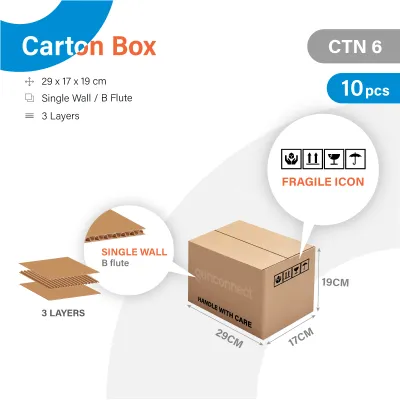
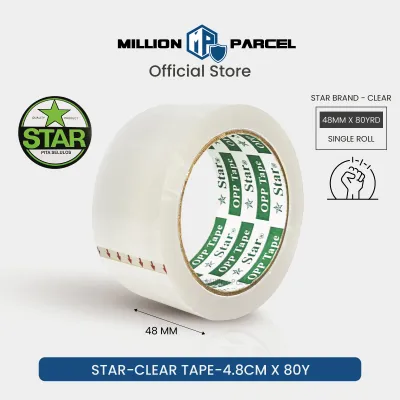
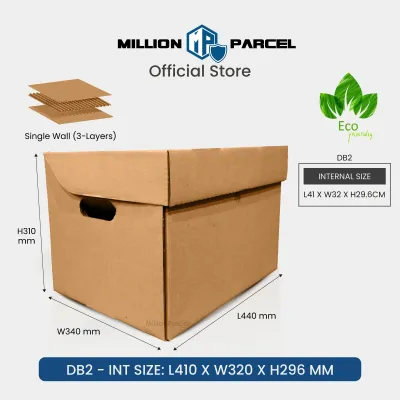
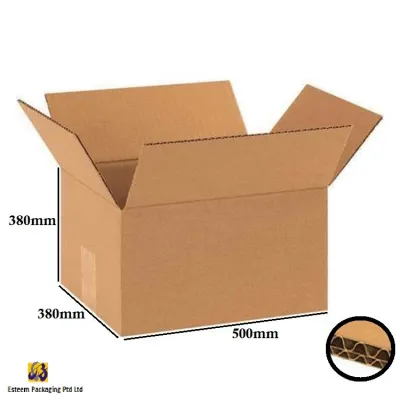
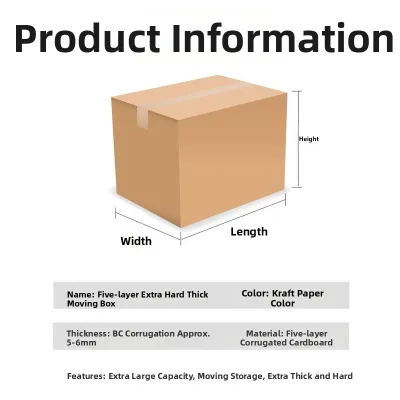
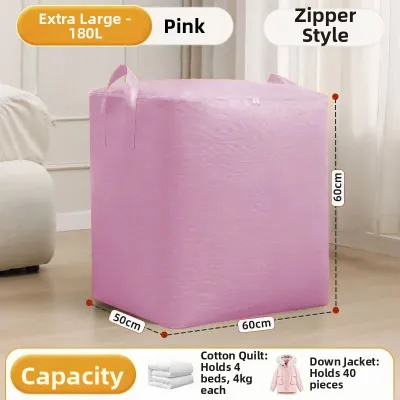
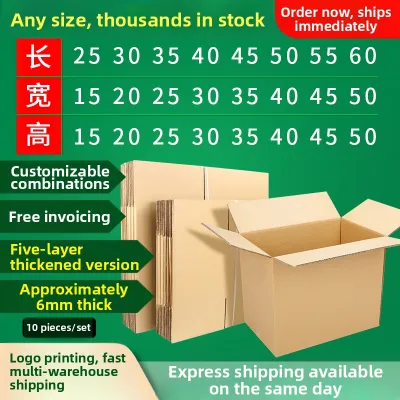
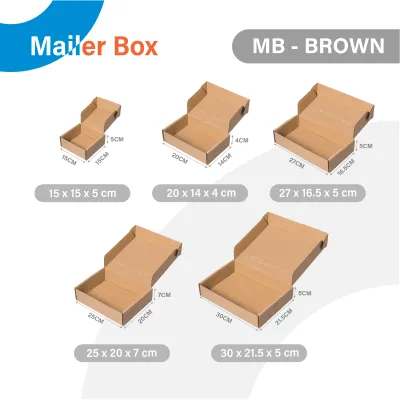
Prices are valid at publication and may change. Please refer to the product page for the latest price.
Standard packing cartons generally fall into four primary size categories:
- Small Boxes: Typically measure around 30 x 30 x 30 cm to 40 x 30 x 30 cm, offering a capacity of roughly 30 to 40 litres.
- Medium Boxes: Usually range from 40 x 40 x 40 cm to 50 x 40 x 40 cm, providing a volume of 60 to 80 litres.
- Large Boxes: Generally measure about 50 x 50 x 50 cm to 60 x 50 x 50 cm, with a capacity of 100 to 120 litres.
- Extra-Large Boxes: Exceed 60 cm on multiple sides, often reaching capacities of 150 litres or more.
While technical specifications like flute types—such as B-flute for utility boxes or C-flute for standard shipping—dictate the thickness of the corrugated wave, they are less critical for general household moves. Instead, your primary focus should be on whether a box features single-wall or double-wall construction, alongside its overall physical dimensions. Single-wall boxes consist of one layer of corrugated fluting sandwiched between two flat linerboards, whereas double-wall boxes feature two layers of fluting, offering double the structural support.
Matching Box Sizes to Household Items
To pack efficiently, you must resist the temptation to throw random items into whatever box is closest. A structured approach to matching items to specific box sizes is the best way to prevent damage and keep boxes light enough to carry.

Small Boxes for Heavy Items
Small cartons are the unsung heroes of any household move. Because they have a limited volume, they naturally prevent you from overpacking heavy items. You should reserve small boxes for dense, heavy belongings such as books, vinyl records, printed documents, tools, canned food, and heavy kitchen spices.
Packing these items in small boxes ensures that the overall weight remains manageable for a single person to lift. If you were to pack a large box full of books, the box would easily exceed 40 kg, making it a hazard to carry and highly susceptible to a bottom blowout where the tape splits under pressure.
Medium Boxes for Everyday Goods
Medium boxes are the most versatile and frequently used cartons during a move. They provide the perfect balance of volume and weight capacity, making them ideal for moderately heavy, semi-bulky everyday household items.
Use medium boxes to pack kitchenware, pots and pans, small home appliances like blenders, coffee makers, or kettles, as well as shoes, toys, and games. When packing kitchen items, ensure fragile plates and bowls are wrapped individually before being placed vertically into the medium carton, which keeps the weight distributed safely without overloading the cardboard walls.
Large and Extra-Large Boxes for Bulky Items
Large and extra-large boxes are designed exclusively for lightweight, high-volume items that take up a lot of physical space but do not weigh very much.
Large boxes are perfect for bedding, pillows, towels, winter coats, and folded clothing. Extra-large boxes should be saved for exceptionally bulky but light items, such as thick winter comforters, large plush toys, cushions, and fabric lampshades.
Never use large or extra-large boxes for heavy items. A large box packed with heavy items is not only incredibly difficult to carry, but the lack of structural support will cause the cardboard to flex, bow, and eventually fail when stacked under other boxes.
Weight Limits and Structural Considerations
To prevent accidents and damaged goods, you must pay attention to the structural limits of your empty boxes for packing. Single-wall corrugated boxes are excellent for lightweight items up to 10 to 12 kg. However, for fragile items, glassware, electronics, or heavier loads, you should always opt for double-wall corrugated boxes, which can safely support up to 25 to 30 kg of static weight.
Many high-quality shipping and moving boxes feature a circular stamp printed on the bottom flap known as the Box Maker’s Certificate (BMC). This certificate provides crucial technical details, including the Edge Crush Test (ECT) rating or the bursting test rating. For standard residential moves, look for single-wall boxes with an ECT rating of at least 32, and double-wall boxes with an ECT rating of 48 or higher to ensure adequate stacking strength.
Regardless of what the technical specifications say a box can hold, you must prioritize human safety. As a practical guideline, keep the total weight of any packed box under 15 to 20 kg. This ensures that you, your family, or professional movers can lift and carry the boxes safely without risking back injuries or dropping the load.
To reinforce the structural integrity of your boxes, always use high-quality packing tape and apply the H-tape method. Avoid simply running a single strip of tape down the middle seam. Instead, seal the center seam of the box, and then seal the two perpendicular side edge seams. This forms a capital letter “H” on both the top and bottom of the box, sealing all open edges and distributing the weight load evenly across the flaps to prevent the bottom from splitting open.
Practical Packing Tips for Optimising Space and Protection
Once you have selected the appropriate box sizes, utilizing proper packing techniques will ensure your items remain secure during transit:
- Use Void Fill Generously: Never leave empty pockets of air inside a box. Use bubble wrap, packing paper, or clean crumpled newsprint to fill gaps. If you gently shake a packed box and hear items shifting, add more void fill until everything remains firmly in place.
- Distribute Weight Evenly: Place the heaviest items at the bottom of the box to establish a low center of gravity. Place lighter items on top to prevent crushing and to keep the box balanced when carried.
- Avoid Empty Space at the Top: When stacking boxes in a moving truck or shipping container, the boxes on the bottom must support the weight of those on top. If a box has empty space at the top, the cardboard will collapse under the weight of the stack, crushing the contents inside. Always pack your boxes flush to the top edge, using crumpled paper to fill any remaining headspace.
- Label Multiple Sides: Write the destination room and a brief summary of the contents on at least two sides of the box. Avoid labeling only the top flap, as you will not be able to read it once the boxes are stacked on top of one another.
Frequently Asked Questions (FAQ)
Can I reuse old delivery boxes for moving?
While reusing old e-commerce delivery boxes is an eco-friendly option, it comes with structural risks. Delivery boxes are typically made of thin, single-wall cardboard designed for a single transit journey. They often suffer from hidden structural fatigue, softened corners, creases, or moisture exposure from sitting on doorsteps.
Before reusing a delivery box, inspect it closely for any tears, soft spots, or bowing. If the box shows signs of wear, relegate it to carrying lightweight, non-fragile items like plush toys, clothing, or linens. Always reinforce the bottom and side seams with fresh, heavy-duty packing tape to compensate for any structural degradation.
How do I estimate the total number of boxes needed?
Estimating the exact number of empty boxes for packing depends heavily on your household size, lifestyle, and how thoroughly you declutter before packing. Rather than relying on a rigid universal formula, a practical baseline for Singapore apartments is to budget approximately 10 to 15 boxes per standard room, excluding large furniture.
For example, a typical 3-room HDB flat might require 30 to 45 boxes, while a 4-room flat could require 40 to 60 boxes. This estimation will fluctuate based on how many books, kitchen gadgets, and decorative items you own. It is always wise to purchase roughly 10% to 15% more boxes than your initial estimate to account for last-minute packing needs.

Community discussion
Share your experience or ask a question. Comments are reviewed before publication.