
Selecting your first watercolor set is a pivotal step in your creative journey, directly influencing how easily you learn to control water, mix clean shades, and develop your painting style. For beginners exploring the Semiart range, the ideal set balances portability, pigment usability, and essential tools without overwhelming you with redundant colors. Finding this balance requires looking closely at how you plan to paint—whether at a dedicated desk in a compact apartment, outdoors during a weekend sketch walk, or during quick evening study sessions.
By focusing on the physical format of the paint, the utility of the bundled accessories, and the actual pigment selection, you can avoid common beginner pitfalls like muddy color mixes or purchasing tools you will quickly outgrow. A thoughtful choice ensures that your initial investment supports your skill development rather than causing frustration. This guide breaks down the essential factors to evaluate when choosing a Semiart watercolor set, helping you select a configuration that fits your space, budget, and artistic goals.
Understanding Semiart Watercolor Formats: Pans vs. Tubes
Watercolor paints generally come in two primary configurations: solid dry pans or moist liquid tubes. For a beginner, this physical format dictates not only how you set up your workspace but also how you interact with the paint itself. Solid pans are small, molded blocks of dry pigment that reactivate when touched with a wet brush, making them highly favored for their compact footprint and immediate readiness. If you are working on a small desk or enjoy painting on the go in urban environments, a pan-based set offers unmatched convenience because it eliminates the risk of messy spills and requires minimal setup time.
Products mentioned in this guide
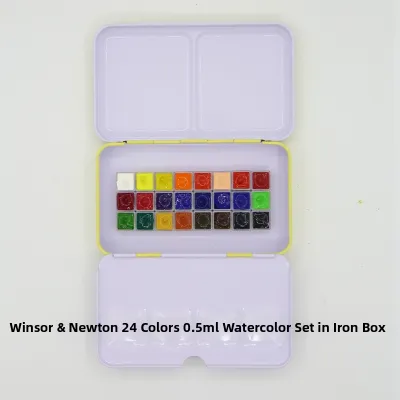
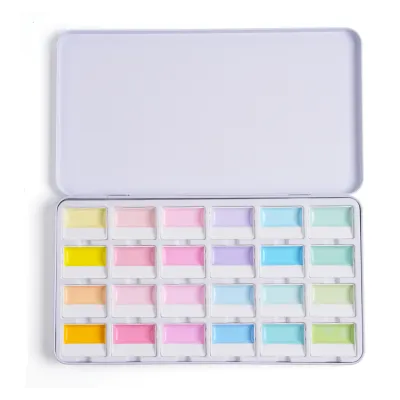
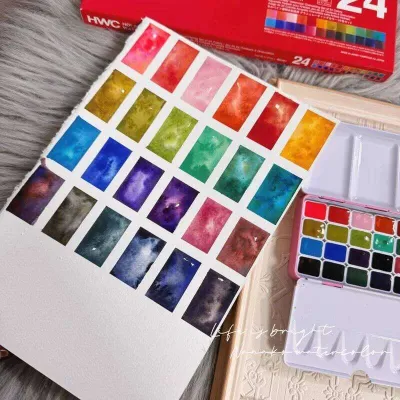
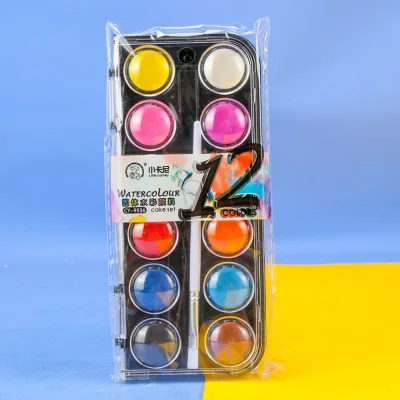

Prices are valid at publication and may change. Please refer to the product page for the latest price.
Liquid tubes, on the other hand, contain moist watercolor paint that you squeeze out onto a separate palette. This format is particularly advantageous when you need to mix large washes of color for background work or when working on larger paper sizes, as you can easily access a high volume of wet paint without wearing down your brush tips. Squeezing paint from a tube also gives you immediate access to fully saturated pigment, bypassing the reactivation time that dry pans sometimes require. However, tubes demand more discipline in portion control, as unused paint left on an open palette can dry out or collect dust if not stored properly.
Your choice between these formats also influences how you learn to control pigment concentration. Pans encourage a gradual building of color layers, as you must consciously lift pigment from the solid block, which naturally prevents beginners from applying overly thick, opaque layers. Tubes allow for rapid, intense color application but require a more delicate touch to avoid wasting paint or accidentally overpowering your water-to-pigment ratio. For most novices starting in a home environment with limited space, a pan set provides a structured, low-mess introduction, while those aiming for large-scale, expressive washes may find the fluid nature of tubes more accommodating.
Evaluating Included Tools and Accessories
Many beginner watercolor sets are sold as complete kits, bundling the paints with brushes, palettes, and other accessories to provide an all-in-one starting point. While these bundles offer excellent convenience, it is essential to evaluate the quality and utility of these included items to ensure they actually support your learning. A common inclusion is the water brush pen, which features a refillable plastic water reservoir in the handle. These pens are excellent for quick sketching and outdoor use because they eliminate the need for a separate water cup, but they offer less control over water flow compared to traditional wooden-handled brushes.

Traditional brushes included in beginner sets should ideally feature synthetic bristles, such as nylon or taklon, which offer a reliable balance of springiness and water retention. Look for sets that include at least one medium round brush (typically size 6 or 8), as this shape is versatile enough to handle both broad washes and fine detail work. If a set only includes very small detail brushes, you may find it difficult to paint larger areas without creating streaky, uneven patches. Checking the brush construction—specifically ensuring the metal ferrule is tightly crimped to the handle—helps prevent loose hairs from shedding onto your wet artwork.
The mixing palette is another critical component of any beginner kit. Integrated plastic lids often double as mixing wells, but you should verify that the mixing areas are large enough to blend multiple colors without them bleeding into one another. Smooth plastic surfaces can sometimes cause wet paint to bead up, making it difficult to judge the exact shade you have mixed; look for matte-finished mixing areas or consider scuffing a shiny plastic palette slightly with a gentle abrasive sponge to help the paint pool evenly. Additionally, check if the set includes useful extras like a small sponge for dabbing excess water from your brush, or a swatch card that lets you paint and reference the actual dried colors on paper.
Assessing Color Selection and Pigment Basics
When browsing watercolor sets, it is easy to be enticed by large color counts, with some beginner sets offering 36, 48, or even more individual shades. However, a higher color count does not automatically translate to a better learning experience, and can often hinder your progress in understanding color theory. A smaller, well-curated set of 12 to 18 colors forces you to learn how to mix your own shades, which is a fundamental skill for achieving harmony in your paintings. Sets filled with pre-mixed secondary and tertiary colors can lead to lazy mixing habits and often result in muddy, dull paintings when mixed haphazardly.
To evaluate a set’s color utility, look for a balanced selection of primary colors—specifically a warm and a cool variant of red, yellow, and blue. This “split-primary” system allows you to mix almost any color in the spectrum with high clarity and vibrancy. For example, mixing a cool blue with a cool yellow yields a bright, clean green, whereas mixing warm variants can produce more muted, earthy tones. A good beginner set should also include essential earth tones like burnt sienna and yellow ochre, which are difficult to mix from scratch and serve as excellent bases for landscapes and skin tones.
Beyond the color names, pay attention to the manufacturer’s labels and product specifications regarding pigment properties. Even in student-grade sets, reliable brands often provide basic indicators for opacity, transparency, and lightfastness. Watercolor is inherently a transparent medium, so a high-quality beginner set should feature mostly transparent or semi-transparent pigments, allowing the white of the paper to shine through the layers. Avoid sets that rely heavily on opaque fillers, as these can make your paintings look chalky and dry. While high lightfastness (resistance to fading over time) is more critical for professional work, choosing a set with decent lightfastness ratings ensures your practice pieces retain their color when displayed.
Comparing Value: Price, Refills, and Longevity
Calculating the true value of a watercolor set involves looking beyond the initial purchase price in S$ on your screen. To understand what you are actually paying for, consider the cost per unit of paint, which can be calculated by dividing the total price by the total volume (in milliliters for tubes) or weight (in grams for pans). A set that appears slightly more expensive upfront may actually offer significantly more paint per color, making it more economical over months of regular practice. Conversely, extremely cheap sets often contain very shallow pans with minimal pigment, requiring rapid replacement.
Another crucial factor in long-term value is the availability of individual replacements, often referred to as open-stock pans or tubes. As you paint, you will inevitably run out of certain popular colors—such as blues, yellows, or mixing whites—much faster than others like black or deep violet. If the brand does not offer individual replacements, you may be forced to buy an entirely new multi-color set just to replace a few empty wells, which is both expensive and wasteful. Verify whether the set’s design allows you to easily pop out empty pans and slide in standard-sized replacements from the same or compatible brands.
The durability of the packaging itself also plays a major role in the set’s longevity, especially if you plan to carry it in a backpack or art bag. Metal tins with sturdy hinges and secure clasps generally withstand travel much better than thin plastic cases, which can crack or lose their latching ability over time. A well-designed metal tin also allows you to bend the metal mixing flaps to your preferred angle and often features a thumb ring on the bottom for secure holding while painting standing up. Investing a few extra dollars in a set with durable, reusable packaging can save you money in the long run, as you can continue to use the tin even if you eventually transition to different paint brands.
Pre-Purchase Checklist for Online Shoppers
Purchasing art supplies online requires a bit of diligence to ensure you receive genuine, undamaged products that are ready for use. Because watercolors are sensitive to environmental conditions, start by verifying the credentials of the seller on your chosen ecommerce platform. Look for official brand storefronts or established local art supply retailers with high positive feedback ratings and active customer service channels. This reduces the risk of receiving counterfeit goods or old stock that may have degraded in storage.
Before finalizing your order, carefully review the product descriptions and customer reviews to check for common shipping issues. Watercolor pans can sometimes shake loose from their slots during transit, and while this is easily fixed by popping them back in, you want to ensure the packaging is secure enough to prevent the dry blocks from shattering. For liquid tubes, check if reviewers mention issues with separated binder or leaking caps, which can occur if the tubes are subjected to extreme pressure or temperature fluctuations during shipping. A reputable seller should offer clear return or replacement policies for items that arrive damaged or defective.
Finally, consider the delivery timeline and shipping conditions, particularly during hot or humid seasons. While dry pans are relatively resilient to temperature changes, liquid tubes can experience binder separation if left in hot delivery vehicles or outdoor mailboxes for extended periods. If possible, opt for shipping methods that offer tracking and prompt delivery, and try to retrieve your package shortly after arrival. Once your set arrives, perform a quick inspection by opening the case, checking that all colors are present and correctly labeled, and conducting a simple swatch test on watercolor paper to verify the paint’s consistency and reactivation quality.
Frequently Asked Questions (FAQ)
Can I mix Semiart watercolors with other brands?
Yes, you can generally mix Semiart watercolors with paints from other brands, as most modern watercolors utilize gum arabic or a similar water-soluble binder. This compatibility allows you to gradually expand your palette with individual tubes or pans from different manufacturers as your skills grow. However, keep in mind that mixing student-grade paints with professional-grade paints may result in variations in granulation, drying time, and pigment load. It is always a good practice to test your mixed colors on a piece of scrap watercolor paper first to observe how they blend, dry, and react before applying them to your main artwork.
How do I prevent solid pan watercolors from cracking or drying out?
Solid pan watercolors are designed to be dry, but extreme cracking can sometimes cause the paint blocks to crumble or fall out of their wells. To preserve their physical integrity, store your watercolor set in a cool, dry environment away from direct sunlight, air conditioning drafts, or extreme heat. After a painting session, avoid closing the palette lid immediately if the pans are still highly saturated with water; instead, let the set air-dry in a dust-free space until the surface moisture has evaporated. Note that minor hairline cracks on the surface of dry pans are completely normal and do not affect the pigment’s performance or reactivation quality.
Is it better to buy a larger set or start with primary colors only?
For absolute beginners, starting with a smaller set focused on primary colors is highly recommended because it builds a strong foundation in color theory and mixing techniques. Learning to mix your own greens, oranges, and purples from a limited palette prevents your paintings from looking flat and teaches you how to control color temperature. However, if your primary goal is quick sketching, journaling, or painting on the go, a larger set with pre-mixed colors offers excellent convenience and saves valuable mixing time. A practical approach is to start with a versatile 12-to-18-color set, which offers a balance of essential mixing primaries and a few convenient pre-mixed shades.

Community discussion
Share your experience or ask a question. Comments are reviewed before publication.