
Selecting a suitable red cloth for a sewing project involves balancing aesthetic appeal with physical performance. Red fabrics are available in a vast array of fibers, including natural cotton, linen, silk, synthetic polyester, and various blends. Because red dyes can behave differently depending on the fiber type and manufacturing process, understanding how these materials handle during cutting, stitching, and washing is essential for a successful project. By evaluating the weave, weight, and care requirements of each material, you can ensure your finished creation maintains its structural integrity and vibrant color over time.
Common Red Fabric Materials and Their Sewing Characteristics
When working with natural fibers like cotton and linen, observing the physical structure of the weave is the first step to a successful project. Red cotton cloth is popular among beginners and experienced sewists alike due to its stability and ease of handling. When selecting red cotton, observe the weave tightness; a tight, even weave minimizes fraying and provides a stable surface for stitching. Always check the manufacturer’s label for pre-shrunk indicators, as natural cotton is prone to shrinking during its first wash. Cut edges of cotton can fray, so planning for finished seams like pinked, zigzagged, or serged edges is highly recommended.
Red linen offers a distinct, textured aesthetic with excellent breathability, making it a common choice for warm-weather apparel. However, linen has a loose weave structure that makes it highly susceptible to fraying at cut edges. To manage this, handle cut pieces gently and finish the raw edges immediately after cutting. Look for pre-washed or pre-shrunk labels, or perform a pre-treatment wash to stabilize the fibers before cutting your pattern pieces.
Products mentioned in this guide
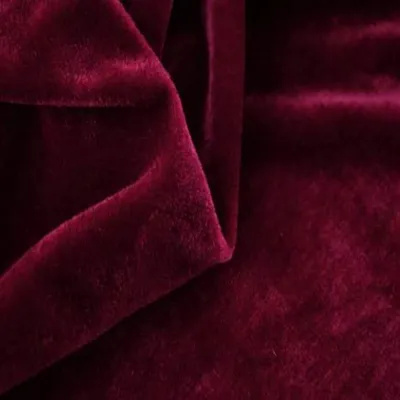
Prices are valid at publication and may change. Please refer to the product page for the latest price.
Synthetic fibers, such as polyester, offer excellent durability and color retention, but they require different handling techniques. Red polyester fabric is highly durable, wrinkle-resistant, and retains its bright color exceptionally well over multiple washes. When sewing polyester, evaluate its slip resistance; smooth, slippery polyester weaves can shift easily during cutting and stitching, requiring the use of fine pins or fabric weights. Always check the heat tolerance limits on the care labels before ironing, as excessive heat can melt or glaze synthetic fibers. Assess the structural drape of the specific polyester weave, as lightweight polyesters drape softly, while heavier polyester canvas or upholstery fabrics offer rigid structure.
Blends and delicate fabrics, such as silk and rayon, provide luxurious drape and a beautiful sheen, but they present unique handling challenges. These delicate materials are highly slippery and prone to shifting, which can lead to uneven seams. Assess the handling difficulty before starting; using tissue paper or a wash-away stabilizer underneath the fabric can help feed it smoothly through the sewing machine. Verify specific needle and thread compatibility on the material tag or packaging. Delicate red fabrics typically require very fine, sharp needles and lightweight thread to prevent snagging, visible needle holes, or puckered seams.
How to Choose the Right Red Fabric for Your Project
Matching the fabric’s physical properties to your garment pattern is essential for achieving the desired fit and silhouette. For structured garments like tailored trousers, structured dresses, or jackets, choose medium-to-heavyweight fabrics with minimal stretch, such as red cotton twill, wool, or heavy linen. For flowing garments like maxi dresses, blouses, or soft skirts, opt for lightweight fabrics with excellent drape, such as red rayon, silk, or lightweight polyester crepe. If your pattern requires stretch, verify the stretch recovery of red knit fabrics, such as cotton jersey or spandex blends, to ensure the garment retains its shape after wear and washing.

For items subjected to frequent use, tension, or washing, such as cushions, table runners, curtains, or quilts, prioritize structural stability and durability. Verify the fabric weight and weave density; medium-weight cotton is the standard for quilting due to its ease of handling and stability. For home decor items like cushion covers or table linens, heavier cotton duck, canvas, or linen blends offer the necessary resistance to wear. Additionally, check for colorfastness indicators or manufacturer notes regarding dye stability, as red home decor items are often exposed to sunlight and frequent laundering, which can accelerate fading if the dye is not properly set.
Small-scale craft projects, bags, and accessories require fabrics that are easy to manipulate and finish. Check the fray resistance and stiffness of the red cloth before purchasing. For structured accessories like tote bags, pouches, or fabric bins, stiff materials like red canvas, denim, or reinforced cotton are suitable because they hold their shape and resist fraying during assembly. For intricate crafts, applique, or small ornaments, felted wool or tightly woven cotton fabrics are preferred because they allow for clean, precise cuts without excessive unraveling at the edges.
Essential Sewing and Care Tips for Red Cloth
Red dyes are historically more prone to bleeding and transferring than other colors due to the molecular structure of red dye pigments. Before cutting into your red cloth, conduct a colorfastness test on a small, hidden swatch or scrap piece. Submerge the scrap in warm water or press a damp white cloth against the red fabric to see if any dye transfers. If the dye bleeds, pre-wash the fabric separately according to the manufacturer’s care label to remove excess dye and manage potential shrinkage before you begin sewing.
Successful sewing depends on matching your tools to the physical properties of the fabric rather than its color. Select your needle size, needle point type, and thread fiber content based on the specific fabric weight and surface texture. For instance, use a ballpoint needle for red knit fabrics to avoid cutting the yarns, and a sharp, fine needle for tightly woven red cotton or silk. Adjust your sewing machine’s presser foot pressure and tension on a scrap piece of the same red fabric to ensure smooth feeding and prevent seam puckering.
To preserve the vibrant hue of your red fabric and prevent dye transfer to other garments, always follow the attached care instructions. Wash red items with similar dark colors or separately during the first few laundering cycles. Pay close attention to recommended water temperatures, as hot water can release loose dye molecules and cause significant shrinkage in natural fibers. Use mild, dye-safe detergents and avoid harsh bleaching agents that can cause spot-fading or weaken the fabric fibers over time.
Frequently Asked Questions (FAQ)
How to Prevent Red Fabric Dye From Bleeding
To manage dye stability and protect other garments, perform a preliminary colorfastness test by soaking a small scrap of the red cloth in water or pressing it with a damp white cloth. If dye transfer is observed, follow the manufacturer’s care label instructions for water temperature, and consider using color-catching sheets in the wash if recommended. If severe, continuous dye release occurs during your initial test, stop washing the material and consult the manufacturer or a professional dry cleaner to determine the appropriate stabilization method.
Selecting the Right Needle and Thread for Delicate Red Fabrics
To prevent snagging, skipped stitches, or seam failure on delicate red fabrics like silk or rayon, check the fabric manufacturer’s recommendations for needle type and size. Typically, a very fine, sharp needle such as a Microtex or sharp needle in size 60/8 or 70/10 is suitable. Match the thread weight and fiber content to the fabric’s tensile strength; lightweight polyester or silk thread works well for delicate materials. Always test your stitch tension and needle performance on a fabric scrap before sewing the final project pieces to ensure clean, puckering-free seams.

Community discussion
Share your experience or ask a question. Comments are reviewed before publication.