
Selecting the perfect red envelope—commonly known as an angbao—is a thoughtful process that goes far beyond simply choosing a decorative paper sleeve. In Singapore’s diverse cultural landscape, the design, size, and material of the envelope you present carry deep symbolic meaning. Matching the right envelope to the specific occasion ensures your blessings are conveyed with respect, elegance, and cultural accuracy.
Whether you are preparing for the festive rush of Chinese New Year, attending a formal wedding banquet, or celebrating a milestone birthday, the physical characteristics of the envelope matter. From paper weight and dimensions to the specific gold-foiled motifs on the cover, every detail contributes to the overall presentation. Understanding these nuances helps you navigate social expectations with confidence and grace.
Core Principles for Matching Envelopes to Occasions
The fundamental purpose of a red envelope is to deliver blessings of prosperity, health, and happiness. While red remains the traditional base color due to its association with good fortune and energy, modern stationery trends have introduced elegant variations, including pink, gold, and deep burgundy. The key is to ensure the color and accompanying motifs align with the specific event, as a design meant for a wedding may look out of place at a lunar new year gathering.
Products mentioned in this guide
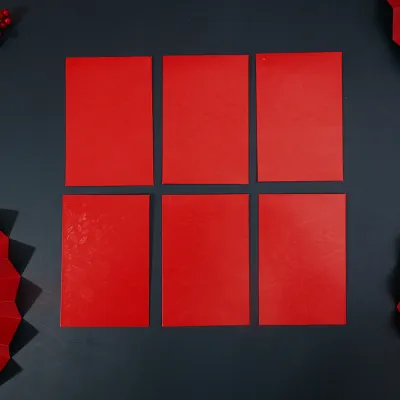
![[Local SG] Ultra Big Red Packet/ Chinese new year red packet](https://img.lazcdn.com/g/ff/kf/Sea35ef6013e04e71b75212c57febbbcex.jpg_400x400q80.jpg_.webp)
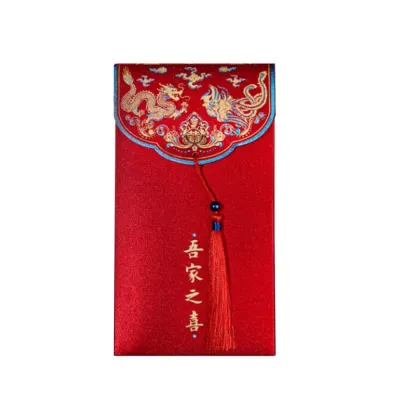
![[SG SELLER] Embroidered Chinese Envelope Plush Red Packets CNY 2026 Lucky Horse Birthday New Year Surprise Money Angpao](https://img.lazcdn.com/g/p/054165fea90f63bd0df5959e485bd201.jpg_400x400q80.jpg_.webp)
Prices are valid at publication and may change. Please refer to the product page for the latest price.
Sizing is another critical factor that dictates both presentation and practicality. Red envelopes generally fall into two categories: long envelopes that allow banknotes to lie flat, and short or square envelopes that require notes to be folded. In professional and formal settings, keeping banknotes crisp and unfolded is highly preferred, making long envelopes the standard choice for major life events.
Cultural etiquette also governs how these envelopes are handled and presented. In a multicultural society, being mindful of the symbols and text printed on the paper prevents awkward misunderstandings. Observing basic rules—such as using clean, unwrinkled envelopes and selecting appropriate greetings—demonstrates respect for the recipient and the tradition itself.
Chinese New Year: Selecting Designs and Sizes for Prosperity
Chinese New Year is the most prominent occasion for exchanging red envelopes, symbolizing the passing of blessings from elders to the younger generation. When selecting envelopes for the spring festival, look for traditional motifs such as gold ingots, spring couplets, and the character “Fu” (prosperity). If you prefer modern designs, envelopes featuring the specific zodiac animal of the year add a personalized and timely touch to your gifting.

For formal Chinese New Year gifting, long envelopes measuring approximately 165mm by 90mm are highly recommended. This size easily accommodates standard Singapore banknotes, such as S$2, S$10, or S$50 notes, without the need for folding. Presenting flat, crisp notes symbolizes smooth transitions and uninterrupted luck for the year ahead. Short envelopes are acceptable for casual exchanges among peers or when gifting smaller denominations to children, but they should be avoided when presenting tokens of appreciation to elders.
Color play during the lunar new year allows for creative expression while staying within festive boundaries. While classic bright crimson remains a favorite, matte red paper with textured gold foil accents offers a sophisticated, modern aesthetic. Avoid overly dark shades of purple or maroon for this festival, as bright, vibrant tones are essential for welcoming the auspicious energy of the new season.
Weddings: Choosing Elegant Designs and Accommodating Larger Gifts
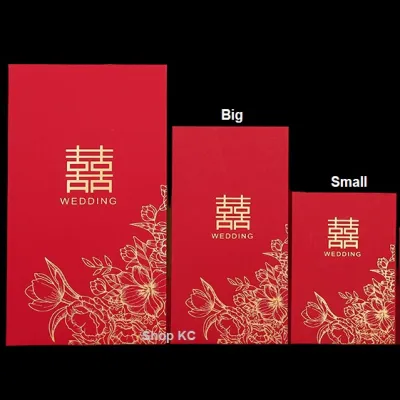
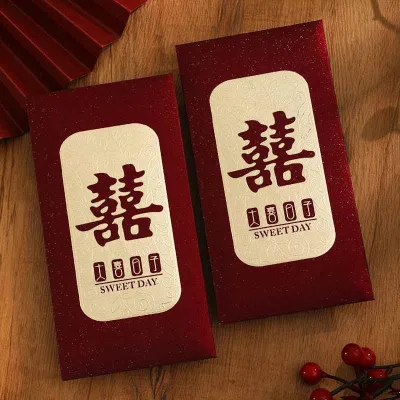
Wedding red envelopes require a high level of formality and elegance, reflecting the solemnity and joy of marriage. The most appropriate designs feature the iconic Double Happiness character (囍), often paired with traditional matrimonial symbols like peonies, dragons, and phoenixes. These motifs represent harmony, wealth, and a long-lasting union between the couple.
Because wedding gifts in Singapore often involve larger monetary amounts, envelope capacity is a vital consideration. You will likely need to insert multiple high-denomination notes, such as S$50 or S$100 bills. Standard, flimsy envelopes can easily bulge, tear, or fail to seal under the weight of several notes. Opt for extra-wide, heavy-duty wedding envelopes made from thick cardstock or brocade fabric to ensure the packet remains flat and secure throughout the banquet.
To match the grandeur of a wedding banquet, prioritize premium material finishes. Envelopes featuring deep embossing, intricate laser-cut patterns, or hot-stamped gold foil elevate the presentation significantly. Textured papers, such as linen or metallic-flecked sheets, feel substantial in the hand and convey a sense of prestige that matches the celebratory atmosphere of the venue.
Birthdays: Matching Motifs and Greetings to the Recipient's Age
Birthday red envelopes must be tailored carefully to the age and life stage of the recipient. For elders celebrating milestone birthdays—such as the 60th, 70th, or 80th—the design should focus on longevity and respect. Look for symbols like longevity peaches, cranes, pine trees, or the stylized “Shou” (longevity) character, which express wishes for a long, healthy life.
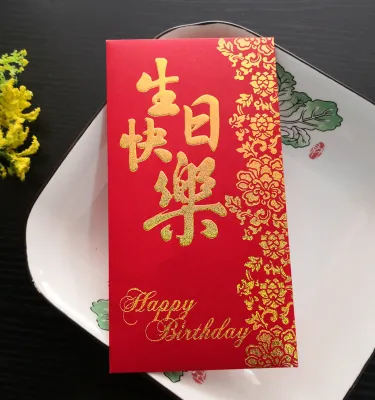
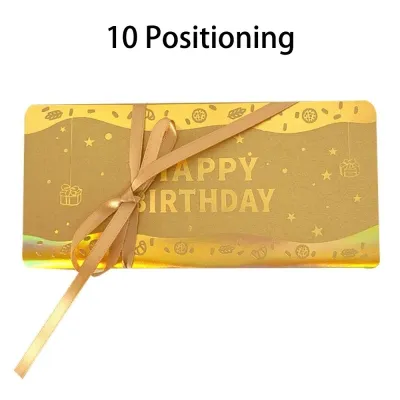
When gifting to children or younger adults, the design language shifts toward growth, academic success, and general happiness. Playful illustrations, modern minimalist patterns, or simple “Happy Birthday” text in gold lettering are highly appropriate. Avoid using solemn longevity motifs for younger recipients, as these symbols are culturally reserved for senior family members.
Sizing for birthday envelopes is generally flexible, but it should match the scale of the gift. A standard long envelope is ideal for formal family gatherings where a significant blessing is presented to a parent or grandparent. For casual children’s birthday parties, a compact, square envelope is perfectly acceptable and easy for small hands to hold.
Pre-Purchase Checks: Verifying Size, Paper Quality, and Finishes
Before purchasing a pack of red envelopes, performing a few quick physical checks will save you from practical frustrations later. First, verify the internal dimensions of the envelope against the specific banknotes you plan to use. For reference, a Singapore S$50 note measures 156mm by 74mm, while a S$100 note measures 162mm by 77mm. To ensure these notes slide in smoothly without catching or bending at the corners, the envelope’s internal space should be at least 165mm by 80mm.
Next, evaluate the paper weight and opacity of the envelope. Flimsy paper under 100gsm (grams per square meter) is often semi-transparent, allowing the denomination of the banknote inside to be visible from the outside, which is considered poor etiquette. Opt for envelopes crafted from paper that is at least 120gsm to 150gsm. This thickness ensures complete opacity, keeps the envelope rigid, and provides a satisfying, premium feel when held.
Finally, inspect the construction quality, focusing on the seals, flaps, and decorative finishes. Check whether the envelope uses a convenient slot-in flap or requires adhesive to close; slot-in designs are highly reusable and look cleaner. Run a finger over any gold foil or embossed areas to ensure the metallic finish does not smudge, flake, or leave glitter residue on your hands, which indicates low-quality printing that could ruin the presentation.
Frequently Asked Questions (FAQ)
Can I reuse a red envelope from a previous occasion?
Reusing a red envelope is acceptable only under specific conditions. The envelope must be in pristine, uncreased condition, free of any writing, adhesive residue, or bent corners. Additionally, the design must be generic enough to suit the new occasion.
Do not reuse envelopes that feature zodiac animals from previous years, specific wedding dates, or personalized family names. Using an outdated zodiac envelope during Chinese New Year is a noticeable etiquette mistake that detracts from the freshness and renewal associated with the festival.
Are there colors or designs I should strictly avoid?
Yes, certain colors and designs carry strong negative associations and must be avoided entirely. Envelopes that are predominantly white, black, or dark blue are traditionally associated with funerals, mourning, and inauspicious events. Presenting cash in these colors can cause deep offense.
Similarly, avoid designs that feature somber text or motifs associated with condolences. When in doubt, stick to classic warm tones like red, gold, pink, and orange, which universally signal celebration, joy, and good fortune across all festive occasions.
Do I need to write my name on the back of the envelope?
Writing your name on the back of the envelope is highly recommended, especially for large events like weddings, corporate functions, or major birthday banquets. At these busy events, hosts often receive dozens of envelopes at the reception desk, making it difficult to track gifts without clear labeling.
Use a neat, legible script on the lower back portion of the envelope. Because many premium red envelopes feature glossy, metallic, or UV-coated surfaces, standard water-based gel pens may smudge easily. Opt for a quick-drying permanent marker or an oil-based ballpoint pen to ensure your name remains clear and legible during handling.

Community discussion
Share your experience or ask a question. Comments are reviewed before publication.