
Selecting the right paint palette material depends entirely on the chemical properties of your chosen medium, as no single surface performs perfectly for acrylics, watercolours, and oils simultaneously. To avoid ruined paint, poor colour mixing, or damaged tools, you must match the surface porosity and chemical resistance of the palette to the moisture levels and solvents of your paint. For instance, watercolours require non-absorbent surfaces that prevent pooling, acrylics demand easy-to-clean or moisture-retaining materials to combat rapid drying, and oils require solvent-resistant surfaces that will not leach essential binders. By understanding how these materials interact with different pigments and binders, you can establish a reliable studio setup that preserves your paints and simplifies your cleanup process.
How Different Paint Mediums Interact with Palette Surfaces
Acrylic paints consist of pigment suspended in an acrylic polymer emulsion. Because they dry rapidly through water evaporation, they form a permanent, water-resistant plastic film once cured. On a highly porous or textured surface, dried acrylic paint bonds aggressively, making cleanup difficult and often requiring harsh scrubbing that can ruin the palette. To manage this fast-drying nature, artists require non-porous surfaces that allow the paint to stay wet longer, or specialized moisture-retaining systems that feed water back into the paint from below.
Watercolour paints rely on gum arabic as a binder and require significant amounts of water to activate and flow. When mixed on a surface that is too absorbent, the pigment and water sink into the material, causing staining and preventing you from lifting the paint cleanly. Conversely, on highly hydrophobic surfaces, water beads up into tight droplets rather than spreading smoothly, making it difficult to judge colour values and mix precise washes. The ideal surface must be completely non-absorbent yet smooth enough to let water pool and blend without bead-like separation.
Products mentioned in this guide
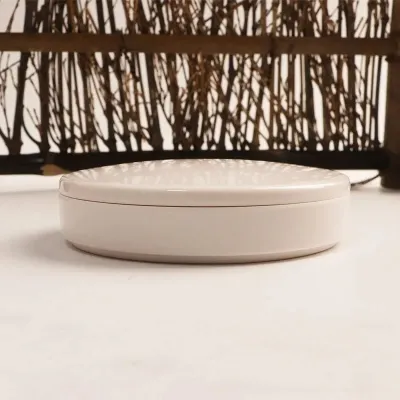
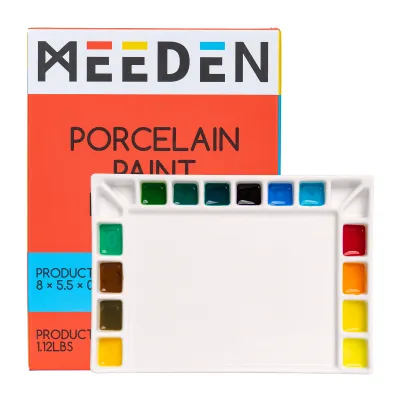
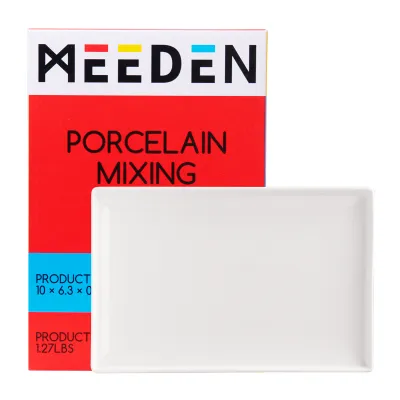
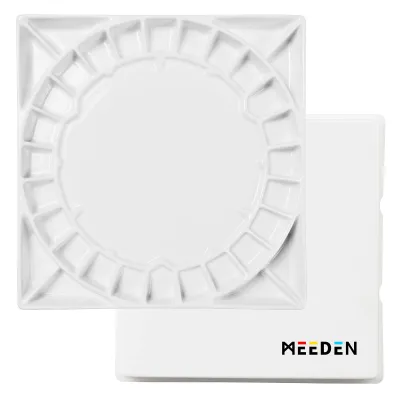
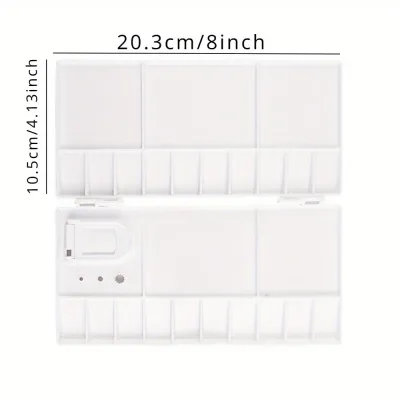
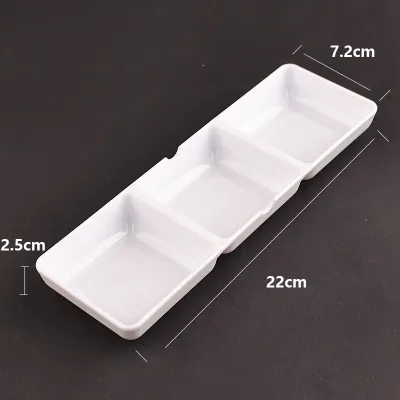
Prices are valid at publication and may change. Please refer to the product page for the latest price.
Oil paints use slow-drying drying oils, such as linseed or safflower oil, as their binder. Because they dry through oxidation rather than evaporation, they remain workable for days, but they also require solvents like mineral spirits or turpentine for thinning and cleanup. If you place oil paint on an untreated, porous surface, the material will leach the oil binder out of the paint, leaving it dry, crumbly, and difficult to apply. Furthermore, the palette material must withstand exposure to strong solvents without dissolving, warping, or degrading over long painting sessions.
Evaluating Common Paint Palette Materials
Choosing a palette involves weighing the physical properties, durability, and maintenance needs of several common materials. Each option presents distinct trade-offs in terms of weight, portability, and how it handles different paint chemistries.

Plastic and Acrylic Palettes
Plastic and acrylic palettes are widely popular due to their lightweight construction and shatterproof nature, making them excellent choices for travel, outdoor painting, or classroom settings. These synthetic surfaces are highly affordable and come in a vast array of shapes, from simple flat sheets to complex layouts with deep wells and mixing areas. However, standard plastics are inherently porous at a microscopic level, which makes them highly susceptible to permanent staining, especially when used with staining pigments like phthalo blue or quinacridone magenta.
Over time, the smooth surface of a plastic palette can become scratched by metal palette knives, creating tiny grooves where dried paint can lodge and resist cleaning. Additionally, you must check the manufacturer’s specifications regarding solvent resistance before using plastic with oil paints. Many common plastics, such as polystyrene, can soften, warp, or dissolve when exposed to mineral spirits, turpentine, or other oil mediums. If you prefer synthetic materials for oil painting, look for high-density plastics specifically rated for solvent exposure.
Ceramic and Glass Palettes
Ceramic and glass palettes represent the gold standard for studio artists who prioritize clean colour mixing and effortless cleanup. Glazed ceramic surfaces are completely non-porous and highly resistant to staining, allowing you to mix watercolours or fluid acrylics without the paint beading up or leaving permanent discolouration behind. The smooth, hard surface of tempered glass offers a similar benefit, providing an exceptionally flat area where you can glide a palette knife smoothly to blend heavy-body acrylics or oils.
The primary trade-offs for both ceramic and glass are weight and fragility. These materials are heavy and prone to breaking if dropped, making them less suitable for handheld use or travel. However, for a stationary studio desk, their weight is an advantage, as it prevents the palette from sliding around while you mix paint. Cleanup is remarkably simple: dried acrylic or oil paint can be easily scraped off a glass surface with a safety razor blade without scratching the material, while glazed ceramic can be wiped clean with a damp cloth or washed under running water.
Wood and Disposable Paper Palettes
Wooden palettes carry a rich artistic tradition, particularly within oil painting, offering a warm, neutral background that helps artists judge values and colour temperatures accurately. However, untreated wood is highly porous and absorbent; if used without preparation, it will quickly suck the oil binder out of your paint, leaving it unusable and causing the wood itself to warp or crack. To prevent this, wooden palettes must be thoroughly seasoned and sealed with multiple coats of linseed oil or lacquer before their first use, followed by regular re-application to maintain the protective barrier.
Disposable paper palettes offer a modern, highly convenient alternative, consisting of pads of wax-coated or specially treated paper sheets. Once a painting session is complete, you simply tear off the top sheet and discard it, eliminating the need for scraping or washing. While highly convenient for quick sessions with acrylics or oils, disposable paper is not suitable for high-water mediums like watercolours. The water will eventually saturate the paper, causing it to buckle, tear, and degrade structurally, which ruins your mixing area and can damage the surface underneath.
Building Your Shortlist: Matching Materials to Your Medium
To select the right palette, you must align the material’s physical properties with the specific demands of your painting medium. Using the wrong surface can lead to wasted paint, damaged brushes, and frustrating mixing experiences.
When working with acrylics, your primary challenge is managing the rapid drying time. If you prefer traditional mixing, a flat glass or heavy-duty acrylic sheet is ideal because you can easily scrape away dried paint. However, if you paint over long sessions, a specialized wet palette is highly recommended. These systems use a plastic container housing a damp sponge and a semi-permeable paper membrane, keeping the acrylic paint hydrated for days. Avoid highly textured or unsealed wooden surfaces, as the acrylic polymer will bond permanently to the fibers.
Watercolour artists require a palette that keeps wet washes contained and prevents staining. Glazed ceramic plates, porcelain wells, or high-quality, stain-resistant plastic palettes with deep wells are the best choices. The sloped edges of watercolour wells allow you to control the water-to-pigment ratio easily. Avoid absorbent wooden palettes entirely, as they will ruin the paint and degrade quickly under high water volume.
For oil painting, a tempered glass palette or a properly seasoned wooden palette is the ideal choice. Glass provides a perfectly smooth surface for mixing thick paint with a palette knife and resists all common solvents. If you prefer a handheld option, a balanced, lightweight wooden palette that has been sealed with oil is comfortable for long sessions. Avoid cheap plastic palettes that are not rated for solvents, as they can degrade and contaminate your paint film.
The following comparison matrix summarizes the compatibility of each material across the three primary mediums:
| Palette Material | Best Suited For | Key Advantages | Materials/Features to Avoid |
|---|---|---|---|
| Glazed Ceramic | Watercolours, Gouache, Fluid Acrylics | Non-porous, stain-resistant, paint spreads smoothly without beading | Heavy and fragile; avoid for travel or handheld use |
| Tempered Glass | Oils, Heavy-Body Acrylics | Extremely smooth, easy to scrape clean with a razor, solvent-resistant | Heavy and breakable; avoid un-tempered glass due to safety risks |
| Sealed Wood | Oils | Lightweight, traditional feel, neutral tone for value mixing | Avoid untreated wood; do not use for watercolours or acrylics |
| Disposable Paper | Oils, Acrylics (quick sessions) | Zero cleanup, convenient, lightweight | Avoid for high-water media; generates ongoing waste and cost |
| Plastic / Acrylic | Watercolours, Travel Acrylics | Lightweight, shatterproof, affordable, highly portable | Avoid cheap plastics for oils; prone to staining and scratching |
Essential Design Features to Check Before Buying
Beyond the base material, several design features dictate how comfortable and functional a palette will be during your creative process. Evaluating these physical attributes ensures the tool fits your specific working style.
Consider the scale of your artwork and the complexity of your colour palette. If you paint large canvases with broad brushes, you will need a spacious, flat mixing area to blend generous amounts of paint without overcrowding. Conversely, if you work on detailed, multi-coloured illustrations, a palette with numerous small, isolated wells is preferable to keep your pure pigments from contaminating one another. Ensure the physical dimensions of the palette fit comfortably on your desk or easel setup without restricting your movement.
If you prefer to paint standing up or away from a table, ergonomics become critical. Look for handheld palettes with a well-balanced thumb hole and smooth, rounded edges that do not pinch your hand. The weight distribution should feel centered over your forearm rather than pulling down on your wrist. For tabletop use, look for palettes with non-slip rubber feet or a weighted base to prevent the surface from sliding around when you apply pressure with a palette knife.
For artists who paint in short, frequent sessions, a palette with a secure lid is invaluable. Airtight lids equipped with silicone gaskets and locking clips can preserve wet acrylics and watercolours for several days, reducing paint waste and setup time. When evaluating these designs, check the quality of the seal to ensure it prevents air exchange, and verify that the lid has enough clearance so it does not touch and smear your mixed paint piles when closed.
Cleaning and Maintenance Guidelines by Material
Proper maintenance not only extends the lifespan of your paint palette but also ensures that your colour mixes remain pure and uncontaminated by old residue. Each material requires a specific approach to cleaning to avoid damaging the surface.
These hard surfaces are highly durable but still require care. To clean dried acrylic or oil paint from glass, mist the surface with water or solvent, then use a safety razor scraper held at a shallow angle (about 30 degrees) to peel the paint away smoothly. Avoid using highly abrasive metal scouring pads or coarse steel wool, as these can create micro-scratches over time. These tiny scratches will trap pigment particles, making future cleanups increasingly difficult and causing paint to bead up unevenly.
Plastic palettes should be cleaned while the paint is still wet whenever possible. Use a soft sponge, warm water, and mild dish soap to wipe away watercolours or acrylics. If acrylic paint has dried, soak the palette in warm, soapy water to loosen the bond before gently peeling it off. Never use harsh chemical solvents, acetone, or abrasive scrubbing brushes on plastic, as they can cause the surface to cloud, melt, or develop deep scratches that permanently hold stains.
Wooden palettes require the most specialized care. Never submerge a wooden palette in water or leave it soaking, as this will cause the wood fibers to swell, warp, and eventually crack. After an oil painting session, scrape away excess paint with a flexible plastic scraper, then wipe the surface down with a cloth dampened with a small amount of solvent. Follow the manufacturer’s instructions for re-oiling, typically applying a thin coat of linseed oil every few months to keep the wood conditioned and sealed.
Knowing when to replace your palette is essential for maintaining paint quality. You should discard or repurpose a palette if the surface becomes deeply gouged, warped so that paint runs off the edges, or chemically degraded to the point where it leaves a sticky residue or flakes off into your fresh paint mixes. For wooden palettes, deep cracks that harbor mold or dried paint are clear indicators that the tool has reached the end of its useful life.
Frequently Asked Questions (FAQ)
Can I use the same palette for both acrylics and oils?
While it is physically possible to use a highly non-porous material like tempered glass or glazed ceramic for both mediums, doing so requires meticulous cleaning between sessions. Any dried acrylic residue left on the palette can prevent oil paint from adhering properly, leading to flaking. Conversely, any trace of oil binder or solvent residue left on the surface can contaminate water-based acrylic mixes, causing the paint to bead up, separate, or fail to cure correctly. For most artists, maintaining separate, dedicated palettes for acrylics and oils is the safest way to prevent cross-contamination and ensure optimal paint performance.
How do I keep acrylic paint from drying out on the palette?
To extend the working time of fast-drying acrylics, you can use a specialized wet palette system, which utilizes a damp sponge layer beneath a semi-permeable paper membrane to constantly hydrate the paint from below. If you are using a standard plastic or glass palette, you can periodically mist the paint piles with a fine spray of distilled water using a hand-held atomizer. Additionally, storing your palette inside an airtight container with a damp paper towel when taking breaks will help preserve the paint. Always check the manufacturer’s guidelines for your specific palette model to ensure that airtight seals or wet systems are compatible with the materials used.

Community discussion
Share your experience or ask a question. Comments are reviewed before publication.