
Selecting the right paint brush cleaner is the single most important decision you can make to preserve your artistic tools. The ideal cleaner is determined by a simple rule of chemistry: the cleaning agent must match the binder of your paint medium while remaining gentle enough not to degrade your brush bristles. For oil paints, you will need specialized oil soaps or solvents to break down tough linseed oil binders. Acrylic paints require fast-acting removers or conditioning soaps that prevent plastic polymers from curing. Watercolor paints, which use water-soluble binders, only require mild, conditioning cleansers. Matching these formulations correctly ensures your brushes retain their shape, spring, and paint-loading capacity for years.
Quick Guide to Matching Cleaners with Paint Types
To establish your baseline needs, it helps to view brush cleaners as specialized tools designed for specific chemical tasks. Oil-based mediums rely on drying oils that do not dissolve in water alone, meaning you must use solvent-based options or specialized oil soaps to lift the pigment from the core of the brush. Acrylic paints present a different challenge because they dry into a flexible plastic film; here, you need fast-acting acrylic removers or conditioning soaps that can disrupt the polymer bonds before they fully cure. Watercolor paints are the most forgiving, requiring only mild, water-soluble cleansers to wash away the gum arabic binder without stripping the delicate hairs of high-quality brushes.
Choosing the wrong combination can quickly ruin an expensive brush. Using a harsh solvent on a delicate watercolor brush can strip its natural oils, leaving the hairs brittle and prone to snapping. Conversely, attempting to clean heavy oil paint with a mild watercolor wash will leave sticky residue near the ferrule, causing the bristles to splay permanently. By matching the cleaner to your specific paint medium from the very start, you protect your investment and ensure a smooth painting experience.
Products mentioned in this guide

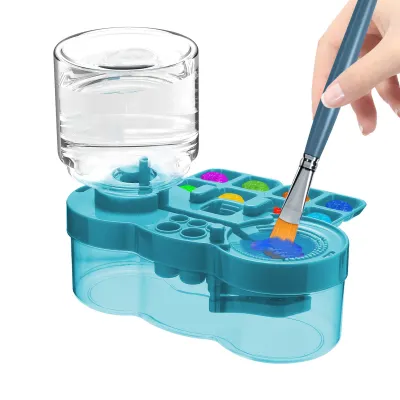
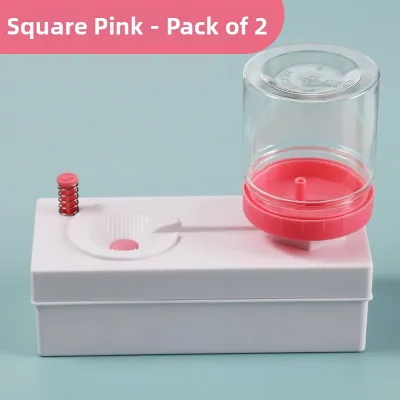
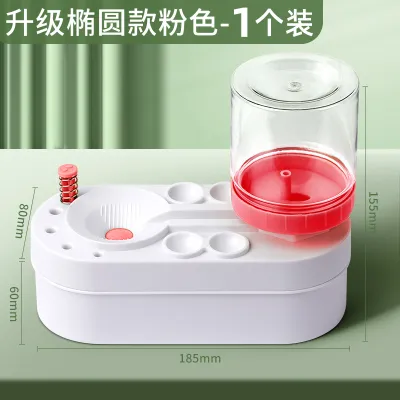
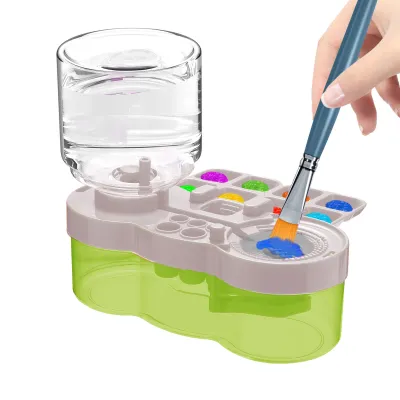
Prices are valid at publication and may change. Please refer to the product page for the latest price.
Cleaner Formulations by Paint Medium
Every paint medium relies on a specific binder that holds the pigment particles together and adheres them to your painting surface. These binders—whether they are linseed oil, acrylic polymer, or gum arabic—dictate the exact chemical properties required in a paint brush cleaner to break down the residue safely. Understanding these binders allows you to look past marketing buzzwords and select products based on their active ingredients.

Before purchasing any cleaning product, it is essential to read the manufacturer’s label to verify that the formulation matches your specific paint medium. A cleaner designed for water-based paints will rarely be effective against cured oils, while a heavy-duty solvent meant for oils can dissolve the synthetic fibers of an acrylic brush. Always cross-reference the paint binder with the cleaner’s intended use to avoid irreversible damage to your tools.
Oil Paint Cleaners
Oil paints dry through a slow process of oxidation and polymerization, typically utilizing linseed, safflower, or walnut oil as a binder. To dissolve these heavy, drying oils, artists traditionally rely on solvent-based options like odorless mineral spirits or specialized oil soaps designed to emulsify the oil. Solvent-based cleaners are highly effective at stripping away stubborn pigment, but they can also strip the natural moisture from animal-hair brushes if used excessively.
For routine maintenance and daily cleaning, citrus-based cleaners or milder vegetable-oil-based soaps offer an excellent alternative. These formulations leverage natural oils to gently lift the paint while conditioning the bristles, keeping them supple without the harsh drying effects of traditional solvents. They are particularly useful for artists who prefer to avoid strong chemical fumes in their creative spaces.
When working with solvent-based oil cleaners, safety and environmental conditions must be your primary concern. Always check the manufacturer’s safety data sheets and ensure your workspace has excellent ventilation, especially when working in enclosed indoor environments like typical Singapore apartments. Utilizing a dedicated brush washer with a sealed lid can also help minimize the evaporation of solvent fumes into your living space.
Acrylic Paint Cleaners
Acrylic paint consists of pigment suspended in an acrylic polymer emulsion, which dries rapidly as the water evaporates to form a permanent, water-resistant plastic film. Once this polymer cures, it becomes incredibly difficult to remove without damaging the brush fibers. Therefore, the primary goal of an acrylic paint brush cleaner is to disrupt this curing process or dissolve the newly formed plastic before it sets permanently.
For stubborn or partially dried acrylic paint, fast-acting acrylic removers are highly effective. These liquid formulations contain mild solvents that penetrate the hardened acrylic shell, softening the plastic so it can be combed out of the bristles. However, because these removers can be aggressive, they should be reserved for deep cleaning rather than everyday use.
For daily maintenance, conditioning brush soaps are the preferred choice. These soaps work by emulsifying the wet acrylic paint, allowing it to wash away easily with water while depositing conditioning agents that keep the bristles soft. The critical factor in acrylic brush care is immediacy; cleaning your brushes immediately after your painting session prevents the polymer from curing and ensures your brushes remain in peak condition.
Watercolor Paint Cleaners
Watercolor paints utilize gum arabic, a natural, water-soluble binder that remains soluble even after it has completely dried on the paper or brush. Because the binder does not undergo polymerization or chemical curing, cleaning watercolor brushes is a much gentler process. You do not need harsh chemical solvents or aggressive stripping agents to clean these tools; instead, the focus is on preserving the delicate hairs.
Mild bar soaps and specialized gentle liquid washes are ideal for watercolor brushes. These cleansers are formulated to lift the pigment particles from the brush belly without stripping the natural oils of high-quality natural hair, such as sable or squirrel. They rinse away cleanly with lukewarm water, leaving no residue that could affect future paint applications.
It is vital to avoid harsh degreasers or heavy-duty household detergents when cleaning watercolor brushes. These aggressive cleaners can strip the natural lipids from premium brush hairs, causing them to lose their natural spring, split at the tips, and become brittle. Stick to mild, pH-neutral artist soaps to ensure your delicate watercolor brushes maintain their fine points and excellent water retention.
Matching Cleaners to Brush Bristle Materials
The material of your brush bristles plays a decisive role in determining which paint brush cleaner is safe to use. Brushes are generally divided into natural hair and synthetic fibers, each possessing distinct chemical vulnerabilities and physical properties. Applying a cleaner without considering the bristle material can lead to melted synthetic fibers or dry, broken natural hairs.
Natural hair brushes, such as those made from red sable, squirrel, goat, or hog bristle, are highly prized for their superior paint-holding capacity and smooth release. However, because they are organic materials, they behave much like human hair. They require conditioning agents to maintain their flexibility and structural integrity. Harsh solvents, strong alkalis, and heavy degreasers will quickly strip the natural oils from these fibers, leaving them dry, frizzy, and prone to breaking. When cleaning natural hair, always opt for conditioning soaps that restore moisture to the fibers.
Synthetic bristles, typically constructed from nylon, polyester, or a blend of both, offer excellent durability and spring, making them ideal for heavy-bodied acrylics and rough surfaces. While synthetic fibers possess higher chemical resistance than natural hair, they are highly vulnerable to specific strong solvents. Solvents like acetone, strong paint thinners, or certain heavy-duty industrial removers can melt, swell, or permanently deform synthetic fibers. Once a synthetic fiber is chemically deformed, it cannot be restored to its original shape.
To prevent accidental damage, always check the brush manufacturer’s care instructions to verify chemical compatibility before applying a new cleaner. Many modern synthetic brushes are engineered to withstand mild solvents, while others are strictly water-only. Taking a moment to verify these guidelines ensures you select a cleaner that effectively removes paint without compromising the physical structure of your brush bristles.
Selection Checklist and Safety Verification
Selecting the right paint brush cleaner requires a systematic approach to ensure safety, compatibility, and performance. Before making a purchase, it is highly beneficial to run through a practical checklist that evaluates the product’s chemical makeup and your specific working environment. This proactive step prevents costly mistakes and protects your health.
First, carefully read the ingredient labels on any paint brush cleaner you consider. Look for and avoid harsh degreasers, ammonia, or unlisted industrial solvents, especially if you plan to use the cleaner on delicate natural hair brushes. Ammonia, for instance, can weaken the adhesive holding the bristles inside the metal ferrule, leading to excessive shedding. If a product label does not clearly list its ingredients or its compatibility with specific brush types, treat it with caution.
Second, assess your workspace ventilation needs, particularly if you are selecting solvent-based oil cleaners. In regions like Singapore, where high humidity can sometimes limit continuous outdoor work, indoor ventilation is critical. If you must use solvent-based cleaners indoors, ensure you have active airflow from open windows or exhaust fans. If adequate ventilation is difficult to achieve, prioritize non-toxic, citrus-based, or water-soluble oil cleaning soaps that do not emit harmful volatile organic compounds (VOCs).
Finally, always plan a spot test before committing a new cleaner to your most expensive brushes. Take an older, worn-out, or less expensive brush made of the same bristle material and apply the cleaner according to the instructions. Observe how the bristles react during and after the cleaning process. Check for any signs of fiber softening, melting, excessive shedding, or loss of spring. This simple verification step provides peace of mind and protects your premium tools from unexpected chemical reactions.
Effective Cleaning and Maintenance Routines
Even the best paint brush cleaner cannot save your brushes if your cleaning technique is flawed. Establishing a gentle, consistent maintenance routine is essential for maximizing the lifespan and performance of your artistic tools. By treating your brushes with care during the cleaning process, you preserve their shape and structural integrity for hundreds of painting sessions.
When cleaning, always work the cleaner gently into the bristles using your fingers or a textured cleaning pad. Avoid the common mistake of mashing, grinding, or bending the brush tip forcefully against the bottom of your cleaning container. This aggressive action bends the fibers at extreme angles, breaking the delicate hairs near the ferrule and permanently splaying the brush tip. Instead, use gentle, sweeping motions to massage the soap from the heel of the brush near the ferrule down to the tip.
Rinsing is another critical step that requires careful attention. Always rinse your brushes thoroughly under lukewarm water, avoiding hot water which can melt the glue inside the ferrule. Perform visual checks to ensure all paint residue is gone; the water running through the bristles should be completely clear, and no cloudy residue should appear when you gently squeeze the brush head. Residual pigment left near the ferrule will dry and expand, forcing the outer bristles outward and ruining the brush’s shape.
Once the brush is completely clean, gently reshape the bristles back to their original profile while they are still damp. This is the perfect time to apply a tiny amount of conditioning soap or brush preserver to hold the shape as it dries. Finally, pay close attention to your drying orientation. Never dry your brushes standing upright in a cup; gravity will pull water down into the ferrule, dissolving the adhesive and rotting the wooden handle. Instead, lay your brushes flat on a clean towel or hang them upside down using a brush drying rack to ensure moisture drains away from the ferrule.
Frequently Asked Questions (FAQ)
Can I use regular dish soap for all types of paint brushes?
Regular household dish soap is formulated to strip grease and oils from cookware, which makes it highly aggressive. While it can be used occasionally on synthetic bristles to remove stubborn acrylic paint, it is generally too harsh for regular use on artist brushes. The strong degreasing agents in dish soap will quickly strip the natural lipids from natural hair brushes, such as sable or hog bristle, leaving them dry, brittle, and prone to snapping. For long-term brush preservation, it is highly recommended to switch to specialized, conditioning artist soaps that clean while restoring essential moisture to the fibers.
How do I remove dried acrylic paint from a brush?
Removing dried acrylic paint requires a careful, controlled process using a dedicated acrylic remover or isopropyl alcohol. Begin by soaking only the bristles in the remover, keeping the liquid level below the metal ferrule to avoid dissolving the internal glue. Adhere strictly to the manufacturer’s soaking time limits, which typically range from a few minutes to an hour, as prolonged exposure can degrade synthetic fibers. Gently comb out the softened paint using a brush comb or your fingers. If the paint does not budge after the recommended time, the polymer curing may be irreversible; stop the process immediately to avoid completely destroying the brush fibers.
Community discussion
Share your experience or ask a question. Comments are reviewed before publication.