
Selecting the right paint brush washer is a foundational decision that directly impacts the lifespan of your brushes, the clarity of your paint mixtures, and the safety of your creative workspace. For hobbyists working primarily with water-based media in residential settings, a simple, lightweight rinse cup with multiple compartments is often the most practical choice. Conversely, professional artists handling high volumes of work or utilizing volatile solvents require heavy-duty, airtight stainless steel systems designed to isolate toxic sediment and prevent hazardous fumes from escaping into the environment. Identifying your specific operational needs allows you to invest in a tool that maintains brush integrity without cluttering your workspace.
Assessing Your Painting Frequency and Skill Level
Your painting frequency is the primary indicator of the durability and capacity you require in a paint brush washer. Occasional painters who pick up a brush once or twice a week for short sessions generally do not generate enough pigment waste to justify complex filtration systems. For these hobbyists, a basic washing container that holds enough water for a single session is sufficient. Daily studio artists, however, require high-capacity washers that can handle continuous use without needing hourly water or solvent changes, as frequent interruptions disrupt the creative flow and lower overall productivity.
Evaluating the volume of brushes and the specific paint media you use further refines your requirements. Water-based media like watercolor and gouache release fine, easily suspended pigments that require frequent water changes to prevent muddying subsequent washes. Acrylic paints dry rapidly into a water-resistant plastic film, meaning brushes must remain submerged or be thoroughly cleaned immediately to prevent permanent bristle damage. Oil painting introduces heavy pigments and sticky binders that cannot be cleaned with water alone, necessitating dedicated washers compatible with mineral spirits, turpentine, or specialized oil-cleaning solvents.
Products mentioned in this guide
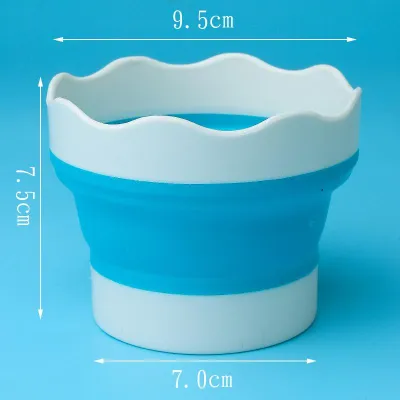
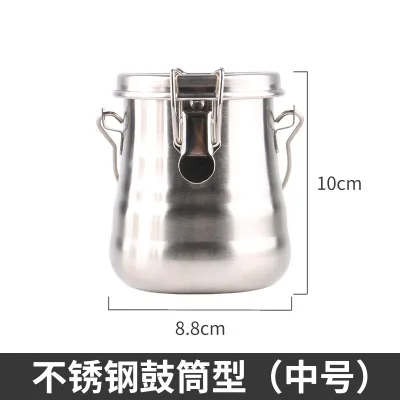

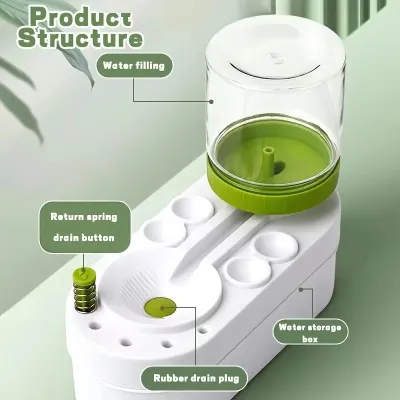
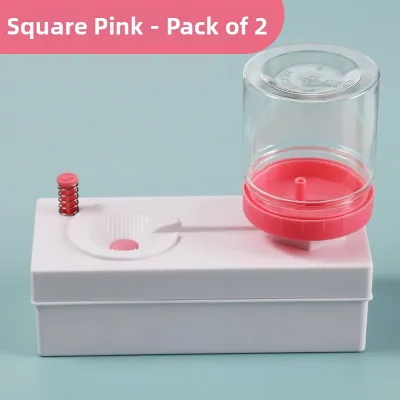
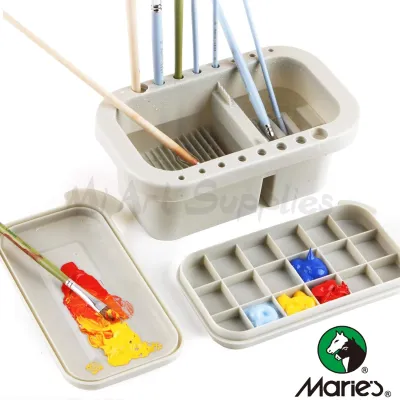
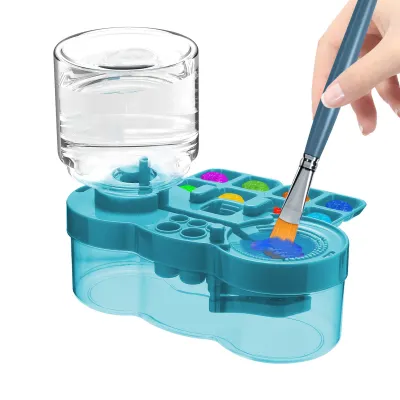
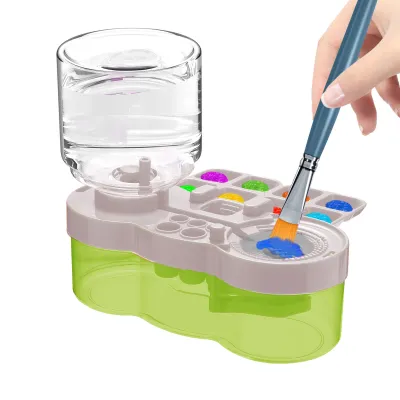
Prices are valid at publication and may change. Please refer to the product page for the latest price.
Workspace constraints are a critical consideration, particularly in urban environments like Singapore where dedicated studio space is often limited. Painting in a compact residential apartment or a shared creative space requires a washing station with a small physical footprint and reliable spill-prevention features. A large, open-top solvent container is highly impractical and hazardous in a small room, whereas a compact, sealable washer can be easily stored away when not in use. Assessing your physical workspace ensures you select a unit that fits comfortably on your desk or easel tray without risking accidental tips or exposure to concentrated fumes.
Core Features to Evaluate in a Paint Brush Washer
When evaluating a paint brush washer, basin capacity and depth must be matched to the physical dimensions of your brushes. Long-handled easel brushes require a deeper basin or an external support structure to prevent them from tipping the container over. If a washer is too shallow, the weight of the brush handles will cause the unit to capsize, spilling contaminated liquid across your workspace. Before purchasing, verify the height and diameter of the washer against your longest and heaviest brushes to ensure stable upright storage during active painting sessions.

Filtration systems, sediment traps, and coil inserts are essential for separating heavy paint pigments from the clean washing medium. A quality washer typically features a removable inner chamber with a perforated bottom or a raised metal coil. As you rub the brush bristles against the coil or screen, paint particles loosen and fall through the perforations to the bottom of the outer container. This isolation prevents the settled pigment from being stirred back up when you rinse the brush again, allowing you to clean your brushes in relatively clear liquid for a much longer period.
Material durability and chemical resistance determine which cleaning agents can be safely used in the washer. Standard plastics, such as low-density polyethylene or polystyrene, will rapidly degrade, soften, or melt when exposed to harsh solvents like turpentine or traditional mineral spirits. For solvent-based painting, look for washers constructed from high-grade stainless steel, glass, or specialized solvent-resistant plastics. Stainless steel is highly favored for its resistance to rust, chemical corrosion, and physical impact, making it a highly durable choice for professional environments.
Portability and sealing mechanisms are vital for artists who travel, attend workshops, or paint outdoors. An airtight seal, typically achieved through a thick rubber or silicone gasket secured by heavy-duty metal latches, prevents liquid from leaking during transport. This seal also prevents volatile solvents from evaporating into the air when the washer is stored. To verify the integrity of a washer’s seal before using it with expensive or hazardous solvents, fill the unit with water, secure the lid, and gently tilt it over a sink to check for any signs of moisture escape.
Matching Washer Types to Hobbyist and Professional Needs
Hobbyist setups are generally optimized for water-based media, ease of cleaning, and low initial cost. Compact, multi-compartment plastic rinse cups are highly suitable for watercolor and acrylic painters. These units often feature three separate wells: one for dirty water to remove the bulk of the pigment, a second for clean water to rinse the brush thoroughly, and a third with molded ridges along the bottom to help reshape the bristles. These lightweight plastic washers are inexpensive, typically costing under S$20, and can be easily cleaned in a standard household sink without the risk of shattering.
Professional setups demand heavy-duty, multi-stage filtration units capable of handling high-volume cleaning and harsh chemicals. Professional stainless steel solvent tanks feature deep sediment wells and removable inner sieves that allow artists to clean dozens of brushes daily without constantly replacing the cleaning medium. These units are designed to withstand years of exposure to corrosive solvents and physical wear. While a professional stainless steel washer represents a higher initial investment, often ranging from S$40 to over S$100, it provides long-term savings by preserving expensive brushes and reducing the volume of solvent consumed.
The trade-offs between initial cost, workspace footprint, and long-term solvent savings should guide your final decision. A cheap, open plastic cup is highly economical upfront but offers no filtration, meaning you will waste significant amounts of water or cleaning solution through constant changes. A professional-grade, sealed stainless steel washer requires a larger upfront expenditure but allows you to reuse the same solvent for months as the pigment settles safely beneath the inner screen. Balance your budget against your actual paint consumption to determine which system offers the most practical value over time.
Solvent Compatibility and Safety Considerations
Verifying chemical compatibility is the most critical safety step when using any paint brush washer with non-water-based media. Always consult the manufacturer’s product manual or label to confirm that the washer is rated for the specific solvent you intend to use, such as odorless mineral spirits, turpentine, or citrus-based thinners. Using an incompatible solvent can dissolve plastic components, degrade rubber seals, and cause hazardous leaks. If the manufacturer does not explicitly state solvent compatibility, restrict the unit’s use to water-based paints and mild brush soaps.
Proper ventilation is essential when working with solvents, particularly in Singapore’s warm and humid climate where volatile organic compounds (VOCs) evaporate rapidly. Even odorless solvents emit harmful vapors that can accumulate in enclosed residential spaces. Always paint in a well-ventilated room with open windows, or utilize mechanical exhaust fans to draw fumes away from your breathing zone. When your brush washer is not actively in use, ensure the airtight lid is securely fastened to minimize evaporation and reduce the concentration of airborne chemicals in your home or studio.
Environmentally responsible disposal of paint sludge and contaminated solvents is a critical responsibility for every artist. Never pour solvent-contaminated liquids, acrylic rinse water, or heavy metal pigments down household drains, as they can contaminate local waterways and damage plumbing. Allow the dirty solvent or water in your washer to sit undisturbed until the paint particles settle completely to the bottom. Carefully decant the clean liquid into a separate container for reuse, then scrape the remaining paint sludge onto paper towels, allow it to dry completely in a well-ventilated outdoor area, and dispose of the dry solids according to local municipal waste guidelines.
Building Your Shortlist and Purchasing Channels
To finalize your selection, compile a personalized checklist of must-have features based on your painting habits. If you paint primarily with watercolors in a small study, your checklist should prioritize a compact footprint, multiple water wells, and lightweight plastic construction. If you are an oil painter working in a shared studio, your checklist must include stainless steel construction, an airtight gasket seal with secure latches, and a removable sediment screen. Having these criteria clearly defined prevents you from purchasing a unit that is either underpowered for your media or unnecessarily bulky for your desk.
Before making a purchase, verify the exact product specifications, dimensions, and included accessories by reading the official user manuals or product sheets. Pay close attention to the diameter of the opening to ensure your largest wash brushes can submerge fully without bending the bristles against the sides. Check if replacement parts, such as silicone gaskets or inner sediment screens, are sold separately, as the ability to replace worn seals can significantly extend the operational life of a high-end professional washer.
When you are ready to buy, navigate local art supply stores and online marketplaces in Singapore to compare availability and customer support. Visiting a physical art store in areas like Bras Basah allows you to handle the washers directly, inspect the thickness of the metal, and test the tension of the lid latches. If purchasing through online marketplaces, read customer reviews carefully to verify that the product matches the advertised specifications and check the seller’s return policy to ensure you can exchange the unit if it arrives with a compromised seal or manufacturing defect.
Frequently Asked Questions (FAQ)
Can I use the same brush washer for both acrylic and oil paints?
It is highly recommended to use separate brush washers for acrylic and oil paints to prevent cross-contamination and protect your brushes. Acrylic paints are water-based and dry into a permanent plastic film, while oil paints require solvents for cleaning. If you attempt to use the same washer, residual oil or solvent can contaminate your acrylic rinse water, preventing the acrylic paint from adhering properly to your canvas. Furthermore, water-based acrylic residue left in a solvent washer can clump and stick to your oil brushes, ruining their delicate bristles. Maintaining dedicated washers for each medium ensures clean mixtures and preserves brush performance.
How often should I change the solvent or water in my brush washer?
Rather than relying on a fixed schedule, use visual and sensory cues to determine when to change your cleaning medium. For water-based paints, change the water as soon as it becomes cloudy or dark enough to tint your brush, as dirty water will muddy your paint mixtures. For solvent-based washers, you do not need to change the solvent frequently if the unit has a sediment trap. Allow the pigment to settle to the bottom of the container over several days; once the upper liquid is clear, you can continue using it. However, if the solvent remains cloudy after settling, develops a strong, sour odor, or if the sludge buildup reaches the level of the cleaning screen, it is time to decant the clean solvent and clean out the accumulated sediment.

Community discussion
Share your experience or ask a question. Comments are reviewed before publication.