
Selecting the right name stamp for your child depends on their current school stage and the specific items they need to label. For younger children in preschool or kindergarten, the priority is a fabric-safe, wash-resistant stamp that can handle uniforms, nap mats, and towels. As children transition to primary school, the focus shifts to compact, quick-drying stamps designed for stationery, textbooks, and plastic folders. Matching the stamp format, ink type, and size to these specific school supplies ensures that your child’s belongings remain clearly marked throughout the busy school year.
By understanding the physical demands of each grade level, you can avoid common issues like smudged ink, faded names, or damaged school gear. A well-chosen stamp saves time during the hectic back-to-school season and helps teachers return misplaced items quickly. Evaluating the materials your child uses daily is the first step toward finding a labeling solution that lasts.
Identifying the Right Stamp Format for School Items
When exploring name stamps, you will generally encounter three primary mechanical formats: self-inking stamps, pre-inked stamps, and traditional rubber stamps. Self-inking stamps feature a built-in ink pad that automatically re-inks the rubber die after each press, making them highly efficient for rapid, repetitive labeling. Pre-inked stamps hold oil-based ink directly within the stamp pattern itself, delivering a crisp, sharp impression but requiring a brief pause between presses to allow the ink to flow back down. Traditional rubber stamps require a separate ink pad, offering excellent flexibility if you want to switch between different ink colors or specialized ink types, though they are less portable and more prone to accidental messes in a child’s hands.
Products mentioned in this guide
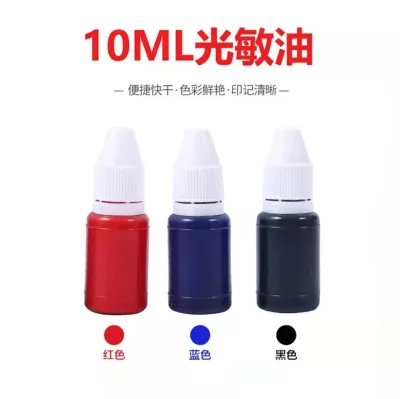
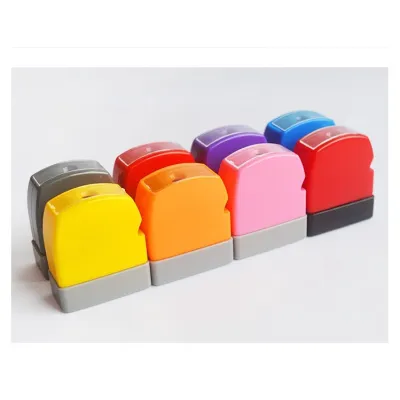
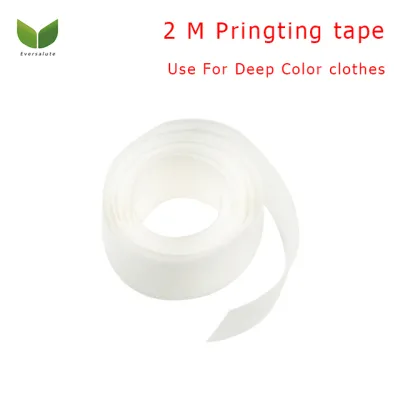
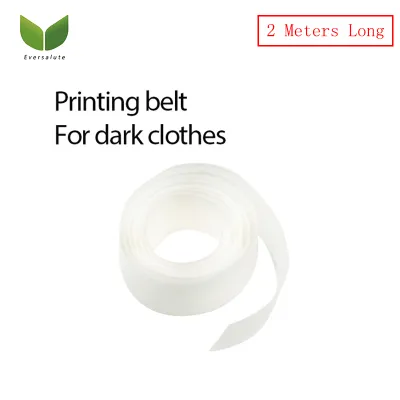
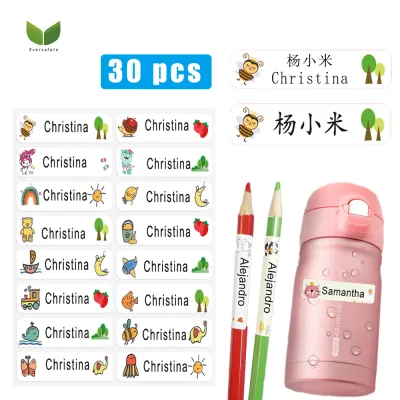
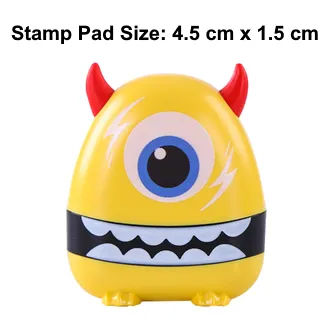
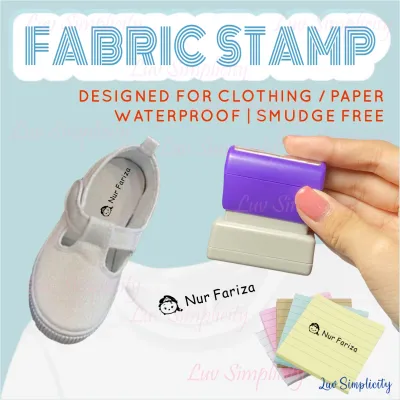
Prices are valid at publication and may change. Please refer to the product page for the latest price.
The shape and size of the stamp should match the physical dimensions of the items you plan to label. Rectangular stamps are the standard choice for flat, spacious surfaces such as the inside covers of textbooks, notebooks, and folders. For smaller or curved items like pencils, rulers, and glue sticks, a mini rectangular or slim strip stamp is much easier to align. Circular or square formats work exceptionally well for lunchboxes, water bottles, and circular container lids, providing a compact mark that fits neatly into tight corners.
Before making a purchase, always check the manufacturer’s specifications regarding ink compatibility. Standard water-based inks are ideal for paper and cardboard but will smudge or wash off when applied to plastics, metals, or fabrics. If you need a versatile solution, look for stamps specifically labeled as multi-surface or textile-compatible, and verify that the ink formula is designed to adhere to the specific materials in your child’s school kit.
Stamping Solutions for Kindergarten and Preschool Items
Preschool and kindergarten environments involve a high volume of fabric items, including uniforms, spare clothes, bibs, hats, and nap mats. To ensure these items do not get mixed up during daily routines, you need a stamp that utilizes fabric-compatible ink. This specialized ink is designed to penetrate textile fibers deeply, resisting fading even after multiple cycles through the washing machine. When selecting a textile stamp, review the product label to verify that the ink is formulated to be gentle on sensitive skin, especially since these stamped fabrics will be in direct, prolonged contact with your child’s body.

Visibility is key for younger children who may not yet be able to read their own names fluently. Opt for larger stamp sizes that accommodate bold, simple sans-serif fonts, which are easier for both toddlers and teachers to recognize at a glance. Adding a small, distinct icon next to the name—such as an animal, star, or vehicle—helps pre-literate children identify their personal belongings independently before they learn to read the letters.
To get optimal results on fabric, pay close attention to the manufacturer’s instructions regarding wash-resistance and curing times. Many textile inks require a specific waiting period, often 24 to 48 hours, before the stamped garment can be safely washed. Some brands may also recommend heat-setting the ink by running a warm iron over the stamped area for a few seconds to lock the pigment into the fabric fibers permanently.
Stamping Solutions for Primary School Stationery and Books
As children enter primary school, the variety of items they carry increases dramatically, shifting from bulky soft goods to a wide array of stationery, textbooks, and plastic folders. For this stage, a compact, multi-line stamp is highly beneficial. Instead of just a name, a multi-line format allows you to include essential details such as the child’s primary class level, emergency contact number, or teacher’s name. This extra information is incredibly helpful in larger school environments where items are easily misplaced in common areas.
The surfaces of primary school supplies are often non-porous, featuring glossy textbook covers, plastic files, laminated pencil cases, and metal rulers. Standard stamping ink will pool and smudge on these materials, so you must select a quick-drying ink formula designed for non-porous surfaces. These specialized inks dry within seconds of contact, preventing the name from smearing when books are stacked or handled immediately after labeling.
Stamping small, curved, or hard surfaces like pencil barrels requires a steady hand and a reliable stamp mechanism. Look for stamps with a clear alignment window or a transparent base, which allows you to see exactly where the impression will land. Applying gentle, even pressure is crucial on hard surfaces; pressing too hard can cause the stamp to slip, resulting in a distorted, unreadable mark.
Evaluating Stamp Durability and Ink Safety
A name stamp is an investment meant to last the entire school year, making durability and safety critical evaluation points. First and foremost, verify that the stamp ink carries non-toxic and child-safe certifications, which should be clearly printed on the product packaging or detailed in the manufacturer’s official documentation. This is particularly important for younger children who might handle the stamped items and then put their hands near their mouths.
Another practical consideration is the long-term maintenance of the stamp. Check whether the manufacturer offers compatible ink refill pads or replacement ink bottles. A stamp that cannot be refilled becomes useless plastic waste once the initial ink supply runs dry, whereas a refillable model can be topped up repeatedly, extending its lifespan for several school terms. Ensure you only use the specific ink type recommended by the brand, as mixing different ink formulas can clog the stamp mechanism or ruin the rubber die.
Finally, assess the physical construction of the stamp casing. A sturdy plastic housing is essential to withstand being dropped on hard school floors or tossed into a heavy backpack. The stamp must also feature a secure, tight-fitting cap or cover. A reliable seal prevents air from entering the stamp chamber, ensuring the ink does not dry out prematurely during periods of non-use, such as school holidays.
Application Techniques for Different School Materials
Achieving a clean, long-lasting impression requires adjusting your stamping technique based on the material surface. For porous fabrics, press the stamp down firmly and hold it in place for two to three seconds to allow the ink to absorb into the fibers. For non-porous plastics and metals, use a quick, light touch; holding the stamp down too long on these surfaces can cause the ink to bleed outward, blurring the letters.
Direct ink application is not always effective, particularly on dark-colored uniforms, highly textured knits, or ribbed socks where the ink will not show clearly. In these cases, use specialized stamping tape or iron-on name labels. You stamp the child’s name onto the white tape first, let it dry completely, and then iron or sew the tape onto the dark fabric. This method ensures high contrast and excellent readability regardless of the garment’s original color.
Regardless of the material, always allow adequate drying and curing time before packing the labeled items into a school bag. Even quick-drying inks benefit from sitting undisturbed for a few minutes to fully bond with the surface. Taking this extra step prevents the fresh ink from transferring onto other school supplies, keeping your child’s gear clean and professional-looking.
Frequently Asked Questions (FAQ)
Can I use the same name stamp for both clothes and stationery?
You should generally avoid using a single stamp for both surfaces unless the manufacturer explicitly states the ink is a multi-surface formula. Standard stationery ink will wash out of clothing during the first laundry cycle, while dedicated fabric ink may smudge, pool, or take an exceptionally long time to dry on glossy paper and plastic school supplies. Always check the product guidelines to confirm surface compatibility before stamping.
How do I remove a name stamp mistake from a school book?
If you make a mistake on a paper page, the simplest approach is to cover the error with a blank adhesive label or correction tape and stamp over it again. For glossy textbook covers or plastic folders, you can perform a spot test in an inconspicuous corner with a tiny amount of rubbing alcohol on a cotton swab to see if the ink lifts without damaging the material. Avoid using harsh household solvents like acetone, as they can melt plastic surfaces and strip away the book’s original print.

Community discussion
Share your experience or ask a question. Comments are reviewed before publication.