
Selecting the ideal magnetic display board for early childhood education requires balancing surface quality, magnetic strength, and spatial constraints. Rather than looking for a single universal model, focus on matching the board’s physical properties and dimensions to your specific home environment and your child’s interactive learning needs. The right setup allows young learners to manipulate letters fluidly, helping them connect sounds to symbols without physical distractions or safety hazards.
Interactive phonics lessons rely heavily on tactile exploration, where a child constantly moves, groups, and swaps letters to build words. If a board is too small, too slippery, or poorly positioned, the flow of the lesson is interrupted. By evaluating key physical characteristics before making a purchase, you can create an inviting, highly functional learning station that supports your child’s reading journey for years to come.
Core Requirements for Interactive Phonics Boards
The primary function of a phonics display board is to serve as a reliable canvas for letter manipulation. Unlike standard office boards meant only for writing, an educational board must accommodate constant physical contact and the sliding of magnetic tiles. The ease with which a child can move letters directly impacts their engagement and frustration levels during spelling exercises.
Products mentioned in this guide
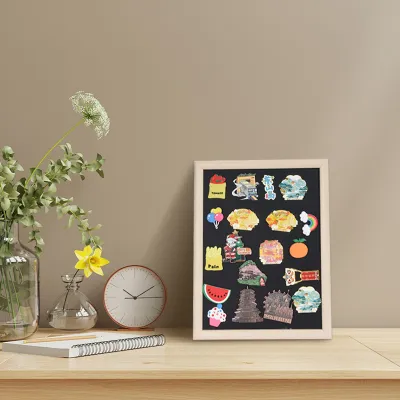
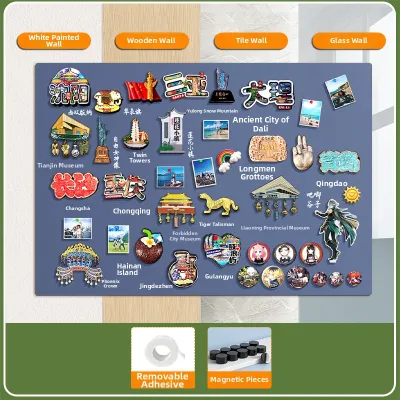
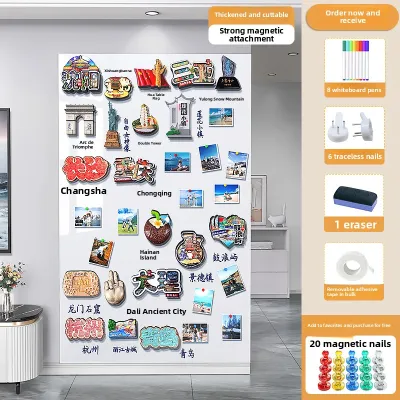
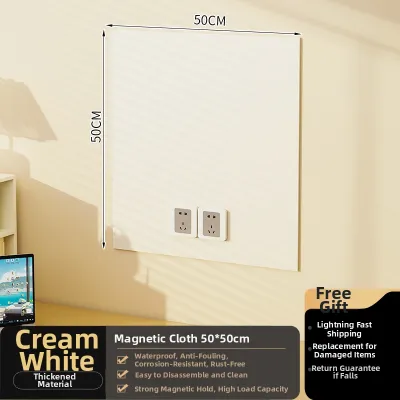
Prices are valid at publication and may change. Please refer to the product page for the latest price.
Evaluating surface smoothness is the first step in ensuring a frustration-free experience. High-quality dry-erase surfaces, such as those made from porcelain-on-steel or high-pressure laminate, offer exceptionally low surface friction. This allows magnetic letters to glide effortlessly across the board without catching, sticking, or scratching the finish. Cheaper painted steel surfaces can sometimes feel tacky or rough, which impedes quick letter movement and can cause the protective backing of educational magnets to wear down prematurely.
Checking the magnetic pull strength of the board is equally critical. Most magnetic boards are not magnets themselves; instead, they are magnetically receptive sheets of steel covered by a writing surface. The thickness and quality of this steel layer determine how securely your magnetic letters will cling. If the magnetic pull is too weak, letters will slide down the board, rotate out of alignment, or fall off entirely when touched. You can verify this by placing a standard plastic or foam magnetic letter on the surface; it should remain firmly in place without any downward drift, even when the board is lightly tapped.
Surface glare and background contrast also play a major role in maintaining a child’s focus. High-gloss whiteboards can reflect overhead lights or window glare, creating blind spots that make it difficult for a child to distinguish letter shapes from certain angles. Opting for a semi-matte or satin finish helps diffuse light evenly. Furthermore, a clean, high-contrast background—such as a bright white surface paired with vibrant, color-coded consonants and vowels—helps young learners visually isolate individual phonemes and recognize spelling patterns more quickly.
Sizing the Board for Compact Home Environments
Integrating an educational board into a residential setting requires careful spatial planning, especially in compact living spaces like modern apartments. A board that is too large can overwhelm a room and prove difficult to store, while a board that is too small will limit the complexity of the spelling words and word families you can display simultaneously.

Before purchasing, measure your available wall or easel space to ensure the board fits comfortably within your home’s layout. In compact apartments, dedicated schoolrooms are rare, meaning the learning station often shares space with the living room or a child’s bedroom. A board measuring approximately 45 cm by 60 cm or 60 cm by 90 cm generally provides the ideal balance, offering ample room for multi-syllable word construction without dominating the wall.
Balancing the overall board size with letter visibility is essential for keeping young learners engaged. A child needs to see the letters clearly from their seated or standing position without straining. If you plan to display a full alphabet line at the top of the board while leaving the center open for active word building, you will need a taller vertical layout. Ensure there is enough physical “runway” on the board so that letters do not overlap or crowd each other, which can confuse a child who is just learning to segment sounds.
For homes where wall space is highly limited, portable, dual-sided, or foldable options offer excellent flexibility. Lightweight tabletop A-frame boards can be set up on a dining table for a quick lesson and then folded completely flat for storage in a closet or behind a sofa. Similarly, small handheld magnetic lapboards allow for cozy, highly interactive one-on-one sessions on the rug, making it easy to transition from structured lesson time to relaxed play.
Safety and Durability Checks for Early Learners
Because a home phonics board is intended for hands-on use by young children, safety and physical durability must be prioritized. Standard office equipment is rarely designed with the active, sometimes unpredictable movements of early learners in mind, making a thorough pre-purchase safety check essential.
Begin by inspecting the edge finishing, corner guards, and frame materials of the board. Sharp aluminum frames or exposed metal edges pose a cutting hazard during active play. Look for boards featuring rounded plastic corner caps or smooth, well-sanded wooden frames that eliminate sharp points. If you choose a frameless magnetic board, ensure the edges are completely chamfered or wrapped in a protective vinyl border to prevent scratches.
Verifying safety certifications and material labels is another crucial step. Children frequently touch the board’s surface and then touch their faces or mouths, meaning the materials must be entirely non-toxic. Look for products that explicitly state they are free from heavy metals, volatile organic compounds, and formaldehyde. This applies not only to the dry-erase coating itself but also to any adhesives used to bond the steel sheet to the backing board.
Finally, check the structural stability of your chosen setup. If you are mounting the board to a wall, avoid relying solely on temporary adhesive strips, which can fail under the repeated pulling force of removing strong magnets. Instead, use secure wall anchors and screws. For free-standing easel boards, ensure the frame features non-slip rubber feet to prevent sliding on tiled or wooden floors, along with a secure locking hinge that keeps the easel from collapsing if a child leans on it for support.
Optimizing Your Home Learning Station
Once you have selected a safe, appropriately sized magnetic board, its placement and organization will determine how effectively it supports your daily phonics lessons. A well-optimized learning station encourages independence, comfort, and sustained focus.
Position the board so that its center sits directly at your child’s eye level when they are in their primary learning position, whether that is sitting in a child-sized chair or standing. If the board is mounted too high, the child will tire quickly from reaching upward, which can lead to poor posture and early fatigue. If it is too low, they may hunch over, restricting their comfort and focus. Adjusting the height as your child grows ensures the station remains ergonomic and inviting.
Proper lighting is equally important for preventing eye strain and maintaining visual clarity. Position the board perpendicular to natural light sources, such as windows, to minimize direct reflections. If you are conducting lessons in the evening under artificial light, adjust the angle of the board or use a small, adjustable desk lamp to cast light evenly across the surface without creating harsh hotspots or shadows that obscure the letters.
To foster independent learning and keep lessons running smoothly, organize your magnetic letters in nearby, easily accessible containers. Using a shallow tray with separate compartments for vowels and consonants allows your child to find the letters they need without sorting through a chaotic pile. Placing this storage container within arm’s reach of the board not only keeps the workspace tidy but also encourages your child to take charge of sorting and cleaning up their letters at the end of each session.
Frequently Asked Questions (FAQ)
How do I clean the magnetic surface without damaging it?
To maintain the smooth glide of your magnetic letters, clean the board regularly using a soft, dry microfiber cloth or a clean felt eraser. Avoid using abrasive scrubbing pads, paper towels, or harsh household chemical cleaners, as these can scratch or strip the delicate dry-erase coating, leading to permanent staining and increased surface friction. For stubborn marker residue or ghosting, apply a few drops of mild, manufacturer-approved whiteboard cleaner or a damp cloth with a tiny amount of mild dish soap, ensuring you wipe the surface completely dry afterward.
Can I use standard household magnets on a display board?
While standard household magnets will adhere to a magnetically receptive display board, they are generally not recommended for interactive phonics lessons. Heavy, bulky decorative magnets or those with exposed, rough ceramic backings can easily scratch, dent, or wear down the board’s protective writing surface during active movement. For educational purposes, it is best to use lightweight, fully encased plastic or foam magnetic letters designed specifically for children, which protect the board’s finish while offering the ideal level of magnetic grip.

Community discussion
Share your experience or ask a question. Comments are reviewed before publication.