
Creating an interactive learning environment at home often begins with a dedicated space where children can write, draw, and manipulate educational tools. In Singapore, where home space is carefully optimized, a magnetic board wall serves as a highly versatile, vertical learning hub. It transforms empty wall space into an active zone for spelling with magnetic letters, building with magnetic shapes, and practicing handwriting. Choosing the right board requires balancing physical space, wall construction, and safety features to ensure it supports your child’s developmental milestones.
By moving learning activities to a vertical surface, children engage different muscle groups and develop bilateral coordination. This setup also keeps educational materials organized and off the floor, which is a significant advantage in compact urban apartments. To find the most suitable option for your home, you must evaluate several key technical specifications, installation requirements, and maintenance practices.
Key Features to Evaluate Before Buying
When selecting a magnetic board wall, the first consideration is the physical size and how it fits within your child’s reach. Children grow quickly, so the board’s height and placement must accommodate their current reach while allowing room for growth. A board that is too high limits toddler access, while one that is too low causes uncomfortable bending. Measure your available wall space carefully, keeping in mind that a landscape orientation is excellent for collaborative play or long spelling words, while a portrait orientation suits vertical lists, drawing, and column-based math problems.
Products mentioned in this guide
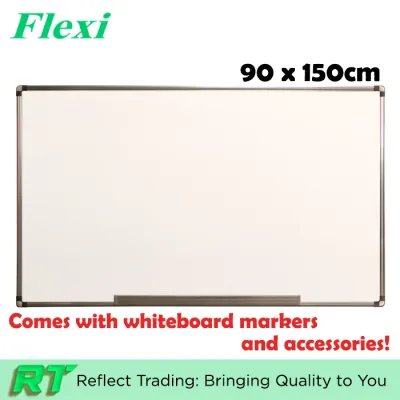
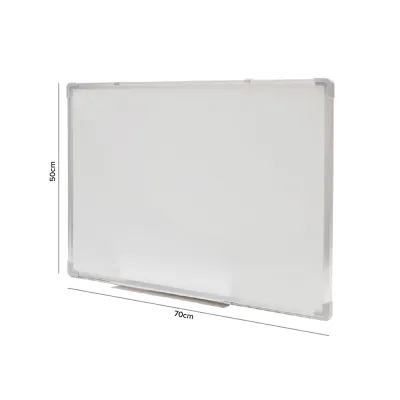
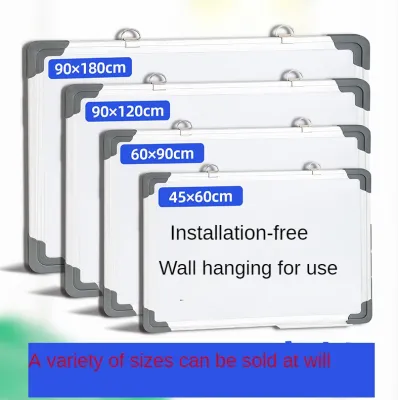
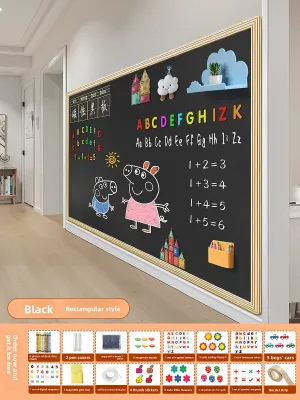
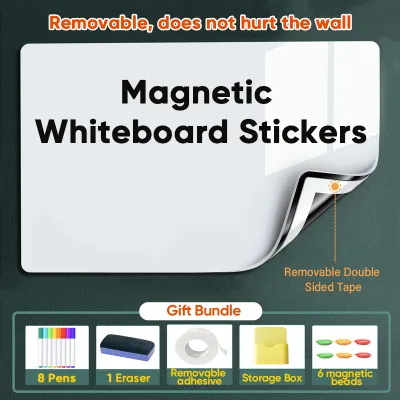
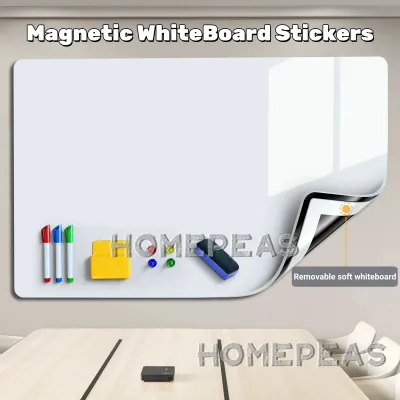
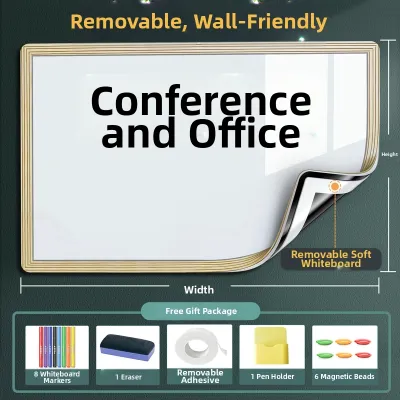
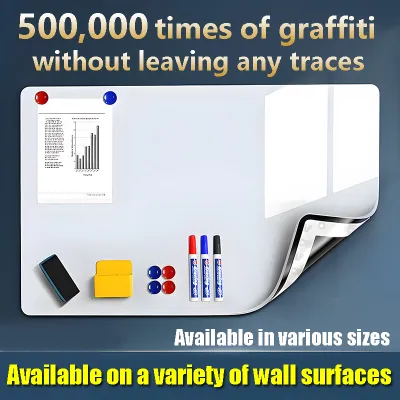
Prices are valid at publication and may change. Please refer to the product page for the latest price.
Magnetic strength is another critical factor that depends on the backing material of the board. Not all magnetic surfaces are created equal, and the backing material determines whether a board can hold heavy learning manipulatives or only lightweight plastic letters. Standard magnetic letters require minimal magnetic pull, but heavy wooden blocks, magnetic tiles, or thick flashcards with small magnetic backings need a high-density steel or iron core. Check the manufacturer’s specifications regarding the thickness of the metal layer, as thin sheets may cause heavier items to slide down.
Surface materials significantly impact both durability and marker compatibility. The three primary surface types are porcelain (ceramic steel), painted steel, and flexible magnetic sheets. Porcelain is highly durable, resists scratching, and is virtually immune to ghosting, which is the faint residue left by dry-erase markers. This makes it ideal for heavy daily use, though it is typically heavier and more expensive. Painted steel is a common, mid-range option that offers excellent magnetic pull but requires gentler cleaning to avoid wearing down the painted layer. Flexible magnetic sheets or rolls are lightweight and easy to cut to size, but their magnetic strength depends heavily on the quality of the magnetic particles embedded in the vinyl.
Safety and finishing are paramount in a child’s environment. Look for boards with rounded corners or protective frames that cover sharp metal edges. Ensure any wooden or plastic frames use non-toxic, water-based finishes. If you are choosing a flexible sheet, verify that the material is free from harmful plasticizers and heavy metals. Always check the manufacturer’s product labels for safety certifications relevant to children’s toys and furniture before making a purchase.
Matching Board Types to Learning Activities
Rigid framed boards are traditional options that excel in structured learning environments. Because they have a solid backing, they provide a flat, stable surface for writing practice and drawing. They are robust enough to withstand the pressure of children pushing heavy magnetic tiles or geometric shapes onto the surface. These boards are typically mounted using screws or brackets, making them a secure, permanent fixture in a study room or play area.

Flexible magnetic wall stickers or rolls are excellent for creating expansive, floor-to-ceiling play areas. They can be applied directly to a smooth wall, transforming an entire section of a room into a creative canvas. This format is particularly suitable for toddlers who enjoy unstructured play, as it eliminates the risk of bumping into hard frames or sharp corners. However, because they conform to the wall, any underlying wall texture will be felt through the sheet, which can affect writing smoothness.
Grid-lined and specialized surfaces can enhance specific learning tasks for older children. Boards with pre-printed grids or dotted lines are invaluable for early math, alignment practice, and handwriting. Some boards feature music staff lines or coordinate planes, which help bridge the gap between abstract concepts and physical manipulation. When selecting these, ensure the printed lines are sealed beneath a protective wear layer so they do not fade with repeated erasing.
For renters in Singapore, permanent fixtures may not be feasible due to tenancy agreements. In such cases, lightweight magnetic sheets with removable adhesives or boards designed to hang from existing picture hooks are preferable. Keep in mind that removable adhesives have weight limits; they may not support heavy boards loaded with heavy magnetic toys. Always weigh the trade-offs between a permanent, heavy-duty fixture and a temporary, renter-friendly option before installation.
Safe Installation and Wall Protection
Singapore homes predominantly feature reinforced concrete walls or brick walls covered in plaster, though some newer developments use drywall partitions. Mounting a heavy rigid board on a concrete wall requires a masonry drill bit, wall plugs, and sturdy screws to ensure it remains secure. Drywall installations require specialized hollow-wall anchors. Attempting to mount a heavy board without the correct anchors can lead to the board pulling out of the wall, posing a significant safety hazard to children playing nearby.
Weight distribution is critical when mounting large boards. Calculate the total weight, including the board itself and the maximum weight of the magnetic accessories your child will use. Distribute the mounting points evenly across the top and bottom of the frame. For large-format boards, using a French cleat system or multiple heavy-duty brackets ensures the weight is spread across a wider area, reducing stress on any single point of the wall.
If you are using adhesive strips or double-sided mounting tape for a renter-friendly setup, check the manufacturer’s weight ratings carefully. Many adhesives require a clean, dust-free surface and a specific curing time, often 24 hours, before any weight is applied. Before applying strong adhesives to painted walls, test a small, inconspicuous area. Some high-strength adhesives can tear the paint or plaster when removed, which may lead to repair costs when handing back the property.
If you are planning to install a large, heavy-duty porcelain board that spans several meters, or if you are unsure about the structural integrity of your walls, stop and consult a professional handyman or installation service. A professional can accurately locate studs in drywall, select the correct masonry anchors for concrete, and ensure the board is perfectly level and securely anchored, preventing accidental falls during active play.
Maintenance and Cleaning for Longevity
To prevent ghosting and staining, use high-quality dry-erase markers designed for children’s use. Erase the board regularly using a microfiber cloth or a dedicated felt eraser. Avoid using abrasive scrubbing pads or harsh chemical cleaners, as these can strip the protective topcoat of painted steel or vinyl boards, making them permanently prone to staining. For stubborn marks, a damp cloth with a mild soap solution or a manufacturer-approved whiteboard cleaner is usually sufficient.
Magnetic letters, numbers, and shapes should be inspected regularly. Over time, small magnets glued to the back of plastic toys can become loose or chip. Chipped or detached magnets pose a severe choking hazard for young children and can also scratch the board’s surface. Discard any damaged accessories immediately and replace them with high-quality, fully encased magnetic toys to ensure ongoing safety.
Children often lean on, pull, or push against wall boards during play, which can loosen the mounting over time. Periodically check the stability of the board. For wall-mounted boards, ensure the screws and brackets remain tight. For adhesive-mounted boards, inspect the edges for any signs of peeling or lifting. If the adhesive bond is weakening, remove the board immediately and reapply fresh adhesive to prevent it from falling.
Frequently Asked Questions (FAQ)
Can I use regular fridge magnets on a magnetic wall board?
Yes, regular fridge magnets can be used, but their performance depends on the board’s material. Rigid steel or porcelain boards offer excellent magnetic attraction, allowing standard fridge magnets to hold papers or lightweight cards easily. However, flexible magnetic sheets have a lower concentration of iron particles, meaning weak fridge magnets might slide down. For the best results on flexible surfaces, use lightweight, flat magnets with a larger surface area.
How do I remove ghosting or permanent marker stains from the board?
If a permanent marker is accidentally used on the board, do not use abrasive cleaners. An effective, non-destructive method is to draw directly over the permanent ink with a fresh dry-erase marker. The solvents in the dry-erase ink will help dissolve the permanent pigment, allowing you to wipe both away with a clean microfiber cloth. Always check the manufacturer’s care label before applying any mild cleaning solutions, as some surfaces can be damaged by solvents.
Are flexible magnetic wall stickers safe for textured walls?
Flexible magnetic wall stickers require a completely smooth, clean, and dry surface to adhere properly. Textured walls, such as those with textured plaster or wood paneling, reduce the contact area of the adhesive, which often leads to peeling and eventual failure. Additionally, applying a flexible sheet over a textured wall will result in an uneven writing surface. Ensure the wall is thoroughly cleaned and allowed to dry completely before application, following the manufacturer’s recommended curing time for the adhesive.

Community discussion
Share your experience or ask a question. Comments are reviewed before publication.