
Teaching young children the alphabet at home is a foundational step in early literacy, and a dedicated magnetic board display is one of the most effective tools for this journey. By combining visual cues with tactile play, these boards help children connect letter shapes with their corresponding sounds. In Singapore, where home space is carefully optimized and the tropical climate can affect material durability, choosing the right board requires balancing educational utility, physical safety, and household layout.
The ideal setup combines a highly receptive magnetic surface with durable, non-toxic letter accessories that fit seamlessly into your living room or child’s bedroom. Whether you are setting up a temporary play area on a dining table or dedicating an entire wall to preschool preparation, understanding the technical and practical differences between various magnetic boards will ensure your investment supports your child’s learning for years to come.
Quick Guide to Choosing a Magnetic Board Display
Selecting the right magnetic board display involves evaluating how the tool will fit into your daily routine and home environment. Parents must weigh several practical trade-offs before making a purchase.
Products mentioned in this guide
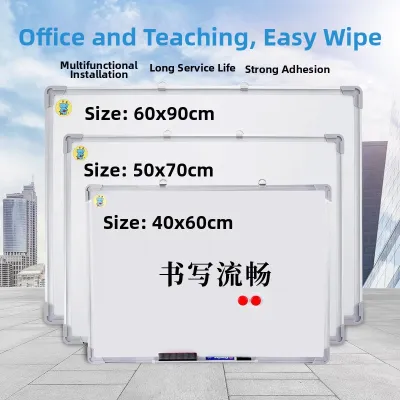
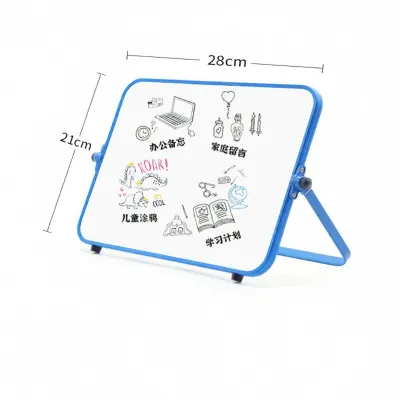
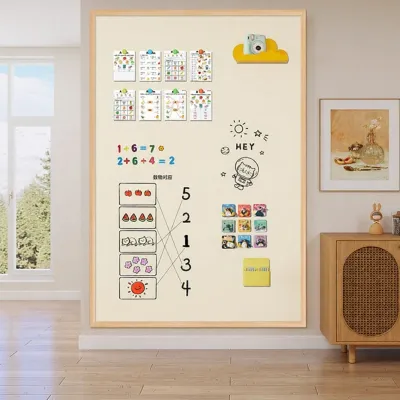

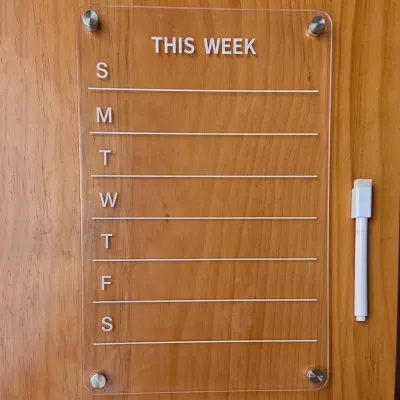
Prices are valid at publication and may change. Please refer to the product page for the latest price.
- Surface Material Trade-offs: Dry-erase whiteboards offer the highest visual contrast and double as writing surfaces, making them highly versatile. Chalkboards provide a classic, high-friction tactile experience but generate dust that may not be ideal for indoor play. Fabric or felt magnetic boards are quiet and soft to the touch, though they lack writing capabilities and require more effort to clean.
- Space and Dimensions: Wall space in Singapore apartments is often at a premium. A standard 60 cm by 90 cm board is generally the sweet spot for a child's bedroom, providing ample room for spelling full sentences without overwhelming the wall. For smaller study corners, a compact tabletop board is easier to integrate.
- Magnetic Receptivity: Not all whiteboards are magnetic. A board must have a heavy-gauge steel backing behind the writing surface to hold magnetic letters securely. Lightweight, cheap boards often use thin metal foils that cause heavier plastic letters to slide down.
- Accessory Safety: Always verify that the magnetic letters intended for the board are age-appropriate. Look for letters with fully enclosed or solid magnetic backings rather than small, exposed button magnets that could detach and pose a serious safety hazard.
Evaluating Surface Materials and Magnetic Strength
The surface material of your magnetic board directly impacts how easily your child can interact with letters and how long the board will last under daily use.

Dry-Erase Whiteboard Surfaces
Dry-erase magnetic whiteboards are the most popular choice for early literacy. They are typically available in painted steel or porcelain finishes. Painted steel is lightweight and budget-friendly, but it is more prone to scratching and ghosting—where faint outlines of marker ink remain visible after erasing. Porcelain surfaces are incredibly durable, highly resistant to staining, and offer superior magnetic pull because of their dense construction, making them an excellent long-term investment for a growing family.
Chalkboard and Fabric Alternatives
Magnetic chalkboards offer a distinct sensory experience, allowing children to practice grip strength with chalk. However, the resulting dust can accumulate on floor surfaces and may irritate children with sensitive airways. Magnetic fabric or felt boards use a specialized iron-infused fabric backing. While they prevent the clattering noise of plastic letters falling on hard surfaces, they do not support dry-erase markers, limiting your ability to draw guide lines or write matching words alongside the magnetic letters.
Verifying Magnetic Receptivity
To ensure your magnetic letters stay in place, you must verify the board’s magnetic receptivity. A simple way to test this is by placing a standard kitchen magnet on the surface; if it slides down under its own weight, the steel backing is too thin for educational use. For children who are still developing fine motor skills, letters must remain firmly anchored even when the board is bumped or tilted.
Selecting the Right Magnetic Letters
The letters themselves are just as important as the board. Look for sets made from durable, high-density foam or solid wood with a fully magnetized backing sheet. Ensure the set includes a generous distribution of vowels and common consonants so your child can spell complete words. Avoid letters with tiny, glued-on ceramic magnets, as these can easily chip or fall out during active play.
Mounting Styles and Space Planning for Home Use
How you position the magnetic board in your home determines how often your child will use it. The physical format should match your child’s mobility and your household’s spatial constraints.
Freestanding and Easel Boards
Freestanding double-sided easels are highly interactive and can be placed in the center of a room to encourage active, standing play. Many models feature a magnetic whiteboard on one side and a chalkboard or paper roll dispenser on the other. This format is excellent for toddlers who prefer to move around while learning. In Singapore homes, look for easels that fold completely flat so they can be tucked away behind a wardrobe or door when not in use.
Wall-Mounted Boards
Wall-mounted boards create a permanent, dedicated learning zone that keeps floor space entirely clear. Mounting the board at your child’s eye level encourages independent play. When installing a wall-mounted board on concrete walls, proper wall plugs and screws are necessary to support the weight of a steel-backed board. If you are renting or prefer not to drill, lightweight magnetic sheets with self-adhesive backings can be applied directly to smooth doors or cabinets, though you should verify that the adhesive is safe for the underlying surface.
Tabletop and Lap Boards
For homes with limited wall and floor space, tabletop or portable lap boards are an excellent alternative. These compact boards are perfect for focused, one-on-one learning sessions at a study desk or dining table. They are lightweight enough for a child to carry and can be easily stored in a drawer or bookshelf when the lesson is finished. They also serve as a quiet travel companion for long car rides or visits to relatives.
Safety Checks and Child-Friendly Design Features
Safety is the most critical factor when introducing any educational toy into the home. A thorough physical inspection of the board and its accessories will prevent accidents.
Frame and Edge Construction
Inspect the frame of the magnetic board before installation. Avoid sharp, exposed aluminum edges which are common on office-grade whiteboards. Instead, opt for boards designed specifically for children, featuring rounded plastic corner caps or smooth, well-sanded wooden frames. Ensure there are no exposed screws, staples, or splinters that could scratch small hands.
Choking Hazard Prevention
Magnetic letters are typically rated for children aged three and older due to the risk of swallowing small parts. If you are teaching a younger toddler, look for oversized letters that measure at least five centimeters in height. Ensure the magnetic backing is a single, continuous sheet of flexible magnet laminated to the back of the letter, rather than a small, embedded disc that could be pried loose and swallowed.
Material Certifications
Check the product packaging for safety certifications such as EN71 or ASTM D-4236. These standards indicate that the plastics, paints, and dry-erase coatings used on the board and letters have been tested for toxicity and are safe for prolonged skin contact. Avoid products that emit a strong, chemical plastic odor, as this can indicate the presence of volatile organic compounds.
Matching the Board to Your Child's Learning Stage
An effective magnetic board setup should evolve alongside your child’s cognitive and motor skills. Tailoring the accessories and layout to their developmental stage keeps learning engaging.
Toddlers (Ages 1 to 3)
For toddlers, the primary goals are sensory exploration, color recognition, and basic shape identification. Use large, brightly colored uppercase letters. At this stage, keep the board uncluttered; displaying only three or four letters at a time prevents cognitive overload. Encourage your child to simply pull the letters off the board and stick them back on, which builds hand-eye coordination and finger strength.
Preschoolers (Ages 4 to 6)
As children transition to phonics, spelling, and word building, introduce lowercase letters, as these make up the vast majority of written text. A magnetic board with pre-printed writing lines is incredibly helpful at this stage, as it teaches children how to align letters properly. You can write a word with a dry-erase marker and ask your child to match the magnetic letters directly underneath, bridging the gap between reading and writing.
Expanding the Educational Scope
To extend the useful life of your magnetic board display into primary school prep, look for systems that offer compatible accessory sets. Adding magnetic numbers, mathematical symbols, and punctuation marks allows you to transition from simple spelling lessons to basic arithmetic and sentence structure. This ensures your magnetic board remains a valuable educational tool for several years.
Frequently Asked Questions (FAQ)
How do I clean ghosting or stains from a magnetic whiteboard?
Ghosting occurs when dry-erase marker ink penetrates the microscopic pores of a whiteboard surface. To clean these stubborn stains without damaging the magnetic board, avoid using abrasive scrubbers or harsh household chemicals like bleach, which can permanently strip the protective dry-erase coating. Instead, wipe the surface with a microfiber cloth dampened with isopropyl alcohol or a specialized whiteboard cleaning spray. For a gentle, natural alternative, create a paste using baking soda and a small amount of water, rub it softly over the stained areas, then wipe clean with a damp cloth and dry the surface thoroughly to prevent moisture from affecting the frame.
What should I do if the magnetic letters lose their stickiness?
If your magnetic letters are sliding down the board, the issue is often caused by a buildup of dust, oils, or sticky finger marks on either the back of the letters or the board surface itself. Clean the magnetic backing of each letter using a soft cloth dampened with mild soapy water, then dry them completely. If your letters use flexible rubber magnets, prolonged exposure to high humidity can sometimes cause the material to degrade or lose its flat shape. Ensure the board is kept away from direct sunlight and damp areas. If the magnetic backing has warped or begun to peel away from the letter, replace the set immediately to maintain a safe and frustration-free learning environment.

Community discussion
Share your experience or ask a question. Comments are reviewed before publication.