
Choosing the right leather weight and finish requires matching the material’s thickness, pliability, and surface protection to your project’s functional needs. For garments, lightweight, breathable, and drapable leathers ensure comfort and movement. For bags, medium to heavy weights with low stretch maintain shape and support hardware. For upholstery, heavy-duty, highly protected leathers withstand constant tension and abrasion. Balancing these variables ensures your finished sewing project is durable, functional, and visually appealing.
Understanding Leather Weight, Stretch, and Finish Basics
Leather properties vary significantly depending on the animal source, tanning process, and post-tanning treatments. Understanding these core characteristics is the first step toward making an informed choice for your sewing projects.
In the leather industry, thickness is traditionally measured in ounces (oz) or millimeters (mm). One ounce of leather weight corresponds to approximately 1/64 of an inch, or roughly 0.4 mm. Therefore, a 4 oz leather is about 1.6 mm thick. This measurement directly correlates with stiffness and drape. Thicker leathers offer greater structural strength but require more force to bend, whereas thinner leathers behave more like heavy woven fabrics. For instance, a cowhide is naturally thicker and denser than a lambskin, making it the preferred choice for heavy-duty applications, while lambskin is prized for its lightweight pliability.
Products mentioned in this guide
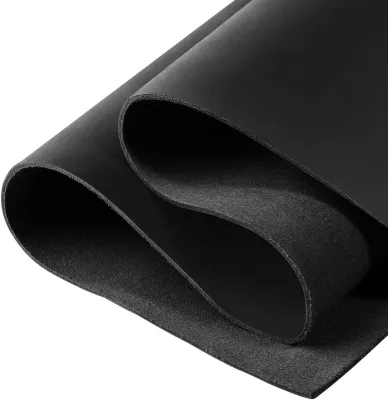
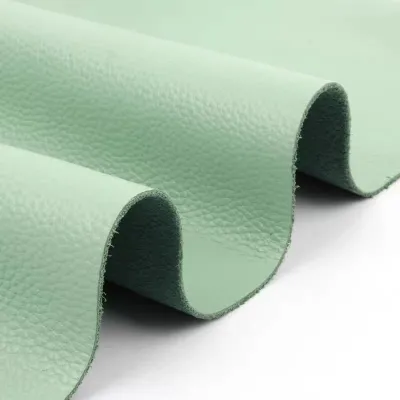
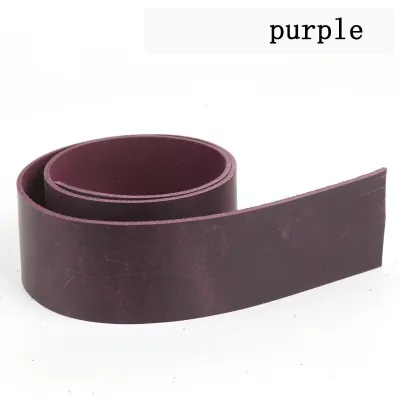
Prices are valid at publication and may change. Please refer to the product page for the latest price.
Stretch is another critical variable. Natural stretch refers to the inherent elasticity of the animal hide, which varies depending on the section of the animal (the belly stretches more than the spine). Mechanical stretch can be introduced during milling, allowing the leather to give slightly under tension and recover. Evaluating stretch is vital for pattern fitting, as high-stretch leathers can warp, while zero-stretch leathers can cause seams to fail under sudden stress. When laying out your pattern pieces, you must align them with the direction of least stretch to prevent the finished item from distorting during use.
The finish applied to the surface determines its aesthetic, tactile feel, and maintenance. Aniline leather is dyed with soluble dyes, leaving the natural grain visible; it is soft but highly susceptible to staining. Semi-aniline leather features a thin, protective topcoat with a small amount of pigment, balancing natural beauty with moderate stain resistance. Pigmented leather is coated with a thick layer of pigments and resins, making it highly durable and easy to clean, though less breathable. Suede and nubuck offer a soft, buffed texture, providing excellent pliability but requiring specialized care to prevent water damage. Choosing the correct finish is a balance between the natural beauty of the grain and the level of protection your lifestyle demands.
These properties must be evaluated together. For example, a heavy 5 oz leather with a soft, tumbled semi-aniline finish will drape in soft, heavy folds, making it suitable for a relaxed, slouchy bag. Conversely, the same 5 oz leather with a rigid, pigmented coating will remain stiff and upright, making it ideal for a structured briefcase but completely unusable for a comfortable garment. Always consider how the combination of weight and finish will interact under the needle and in the final product’s daily environment.
Garments: Prioritizing Drape, Comfort, and Flexibility
When sewing leather garments like jackets, skirts, or trousers, your primary goals are wearer comfort, natural drape, and flexibility. Unlike structured accessories, garments must conform to the body and respond dynamically to physical motion.

For most apparel, select lightweight leathers ranging from 1.5 to 2.5 oz (0.6 to 1.0 mm), such as lambskin, goatskin, or thin calfskin. These weights provide the flexibility to drape naturally without adding excessive bulk. If the leather is too thick, the garment will look rigid and boxy, restricting movement at the joints.
Mobility depends on how the leather handles tension, making mechanical stretch vital for fitted garments like trousers or tailored jackets to prevent seam strain. When you sit or reach forward, a slight mechanical stretch allows the material to yield and recover. Without this give, stress transfers directly to the stitching, leading to seam separation.
The finish also impacts thermal comfort, which is crucial in warm, humid climates like Singapore. Aniline and soft semi-aniline finishes are ideal for apparel because they allow the hide to breathe naturally, preventing heat and moisture from trapping against the skin. These finishes also retain the hide’s natural softness, offering a luxurious feel. In tropical climates, a non-breathable leather jacket can quickly become unwearable, making these open-pore finishes highly valuable for comfort.
Conversely, avoid using stiff, heavily pigmented, or thick upholstery-grade finishes for garments. These rigid materials restrict movement, create uncomfortable friction, and fail to conform to the body. Their lack of breathability can cause rapid overheating, turning a custom jacket into an uncomfortable, sweat-trapping barrier.
Finally, check the flesh side (reverse side) of the hide for loose fibers or shedding, which can transfer onto clothing worn underneath. To prevent this, select hides with a tight, well-pasted flesh side, or fully line your garment with a smooth fabric like silk or rayon. A high-quality lining also makes the garment easier to slip on and off, reducing friction and wear on both the leather and your clothing.
Bags: Ensuring Structure, Durability, and Hardware Support
Bags and leather goods demand structure, durability, and weight-bearing capacity rather than drape. When constructing handbags, backpacks, or wallets, you must select materials that maintain their shape and support heavy hardware.
To ensure your bag holds its shape when empty, opt for medium to heavy leather weights, typically 3 to 5 oz (1.2 to 2.0 mm). This thickness provides the structural integrity required for self-supporting panels, yet remains pliable enough to sew on heavy-duty domestic or industrial machines.
Low stretch is crucial for bag construction to prevent sagging under load. Bags carry heavy items that exert constant downward force on straps and bottoms; high-stretch leather will quickly distort. Low stretch is also essential for supporting hardware like zippers, clasps, and D-rings, preventing them from pulling through the material.
Because bags face frequent handling and friction, select durable pigmented or semi-aniline finishes. These finishes resist scuffs, moisture, and daily wear. In rainy climates, a water-resistant finish prevents permanent water spotting, allowing you to easily wipe the bag clean with a damp cloth. This is especially important for everyday bags that may be set down on various surfaces or exposed to sudden tropical downpours.
To reduce overall bag weight and bulk at the seams, use lining fabrics or split/skive the leather. Skiving shaves down the edges of the panels, allowing your machine to sew through multiple layers easily. You can also pair a lighter exterior leather with stiff structural linings like heavy canvas or leatherboard. This approach gives you the exterior beauty and durability of leather without the extreme weight that makes a bag tiring to carry.
Finally, match the leather stiffness to the bag style. Structured handbags and briefcases require stiffer, heavier leathers (4 to 5 oz) to maintain clean architectural lines. Conversely, unstructured pouches, slouchy totes, or clutches accommodate lighter, more pliable options (2.5 to 3 oz) that fold and gather naturally.
Upholstery: Maximizing Abrasion Resistance and Long-Term Wear
Upholstery projects, such as sofa cushions, dining chairs, and automotive interiors, require heavy-duty specifications. The leather must withstand continuous tension, friction, and daily wear over many years without tearing, stretching, or fading.
Specify heavy weights, typically 4 to 6+ oz (1.6 to 2.4+ mm), to withstand the high tension of stretching over wooden or metal frames. Heavy leather resists the stress of stapling, tacking, and stitching at anchor points, ensuring that the material does not tear when subjected to the weight of seating.
High abrasion resistance and minimal stretch are critical to prevent the leather from wrinkling, pooling, or tearing over time. When a person sits down, the leather stretches; low-stretch hides with tight fiber density recover their shape quickly, preventing loose, saggy folds that accelerate wear and friction damage.
For high-traffic seating, choose highly durable, protected finishes like heavily pigmented or polyurethane-coated leathers. These coatings resist spills, UV fading, and frequent cleaning. Liquids pool on the surface instead of soaking in, allowing you to wipe away stains easily and protect the leather from dry-cracking.
Delicate finishes like suede, nubuck, or pure aniline are generally unsuitable for high-traffic seating because they lack a protective topcoat. They rapidly absorb body oils, sweat, and liquids, leading to permanent stains. Reserve these delicate textures for low-use accent pieces like decorative cushions or formal library chairs.
Always verify the manufacturer’s rub test ratings, such as Martindale or Wyzenbeek, if available. For heavy residential or commercial use, look for ratings of 20,000 to 30,000 double rubs or higher. This provides objective proof that the material meets the durability standards required for long-term upholstery wear.
Cross-Scenario Compatibility: Can One Leather Bridge Multiple Projects?
Buying leather in bulk is cost-effective, leading many home sewists to wonder if a single hide can bridge multiple projects. While some overlap is possible, it requires balancing structural trade-offs.
Medium-weight leathers around 2.5 to 3.5 oz (1.0 to 1.4 mm) offer the best potential for crossover use. This weight is supple enough for structured garments, like heavy outerwear or utility vests, yet thick enough for smaller, unstructured bags, such as simple tote bags, zippered clutches, or wallets.
However, crossover selections involve clear compromises. Using a 3 oz leather for a garment sacrifices delicate drape and lightweight comfort, resulting in stiffer clothing. Conversely, using it for a bag means sacrificing self-supporting structure, requiring you to accept a slouchier shape or use internal stiffeners.
Note that true upholstery leather rarely works for garments or standard bags. Its extreme stiffness and heavy weight make it highly uncomfortable to wear, and its density prevents it from passing through standard domestic sewing machine feed dogs, leading to skipped stitches or broken needles.
When a perfect crossover material cannot be found, prioritize the primary function of your project. If you are sewing a high-quality jacket, buy the lightweight lambskin it requires, and source a separate, heavier scrap for your bags. Prioritizing the primary function ensures a professional finish.
Practical Testing and Handling Tips Before You Sew
Working with leather is highly rewarding, but the material is unforgiving. Because needle holes are permanent and cutting errors cannot be undone, physical testing and careful handling are essential before you begin cutting.
Perform simple physical tests on your hide to verify its behavior. The “drape test”—folding the leather over your hand or a table edge—reveals how it falls and creases. The “stretch test”—gently pulling along the grain and bias—helps you check recovery and determine pattern placement.
Inspect the reverse side of the hide for excessive shedding, which may require a lining or leather paste to smooth. If your project involves folded hems or bound seams, test skiving on a scrap piece to ensure you can shave down the edges without cracking or peeling the finish. When using sharp skiving knives, always use a cutting mat and safety guard to prevent injury.
Equip your sewing machine with a dedicated leather needle (wedge point) and heavy-duty bonded polyester or nylon thread. Standard needles struggle to pierce leather, causing skipped stitches or friction heat. A wedge-point needle cuts a clean slit, preventing perforation tearing and seam failure under tension.
Avoid pinning through visible areas of the leather, as needle holes are permanent. Use plastic binder clips, wonder clips, or pattern weights to secure your panels. For precise alignments, double-sided sewing tape holds the layers securely without sliding or damaging the material.
Finally, test any irreversible cutting, chemical treatments, or heavy skiving on a scrap piece first. Apply your chosen leather conditioners, adhesives, or edge paints to a small scrap and let it dry completely to ensure the finish does not crack, peel, or discolor. Always follow the manufacturer’s safety and care instructions when applying chemical solvents or finishes, and work in a well-ventilated space.

Community discussion
Share your experience or ask a question. Comments are reviewed before publication.