
Working with chunky yarn is one of the fastest ways to bring cozy, textured projects to life, but achieving the proper balance of drape and structure depends entirely on your tool selection. For standard chunky yarn (often classified as Category 5 or Bulky weight), the general baseline is to use knitting needles sized between 6.0 mm and 9.0 mm (US 10 to 13) or crochet hooks ranging from 6.5 mm to 9.0 mm (US K-10.5 to M-13). Choosing the wrong size can result in a fabric that is either as stiff as cardboard or so loose that it loses its shape entirely.
To find the right match for your specific project, you must look beyond generic size ranges. The process involves checking the manufacturer’s recommendations on the yarn band, selecting the right tool material to manage the weight of the fibers, and creating a physical gauge swatch to verify how your personal tension interacts with the yarn. By understanding how to adjust your needle or hook size based on your desired fabric characteristics, you can confidently tackle everything from structured winter hats to flowing, oversized blankets.
Reading the Yarn Label for Manufacturer Recommendations
Every skein of chunky yarn comes wrapped in a paper band that serves as an essential instruction manual for your project. Before reaching for any tools, locate the small informational grid printed on this label. This section typically features a ball of yarn icon with a number in the center, which indicates the standard yarn weight category. For chunky yarn, you will usually see the number 5, which represents the “Bulky” classification, though some lighter chunky yarns might border on number 4 (Medium/Worsted) and heavier ones may sit in the number 6 (Super Bulky) category.
Products mentioned in this guide
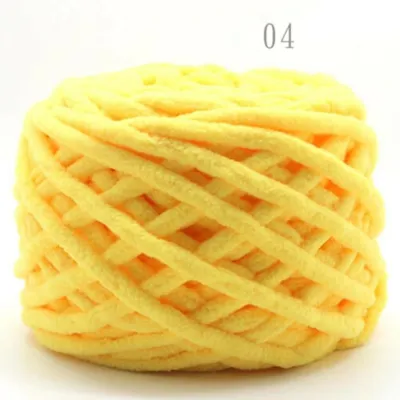
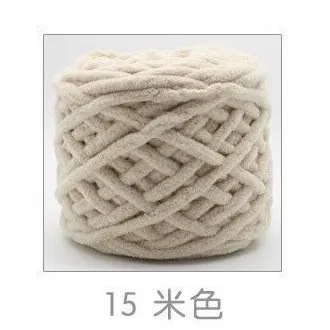
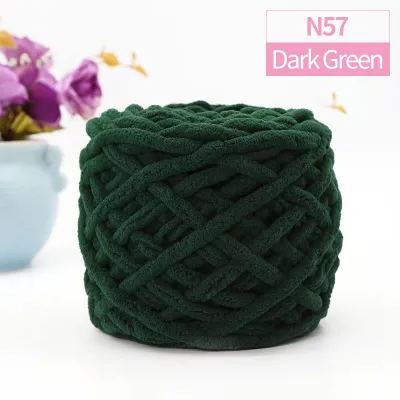
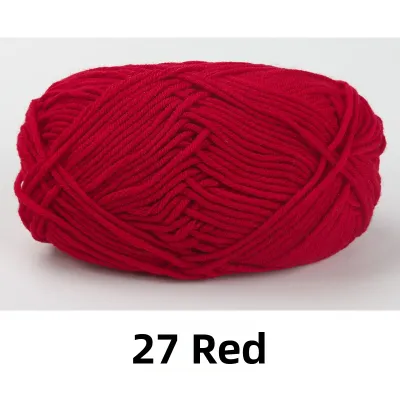
![[SG Ship] Ice Stripe Thick Roving Yarn Soft Crochet Knitting Milk Cotton 冰条粗毛线 钩针针织围巾牛奶棉线](https://img.lazcdn.com/g/p/2e37640a37eb732cefea8f1b46fa68be.jpg_400x400q80.jpg_.webp)
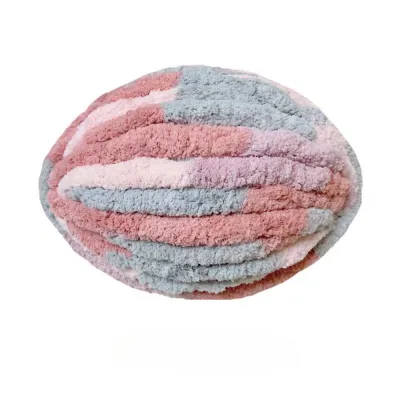
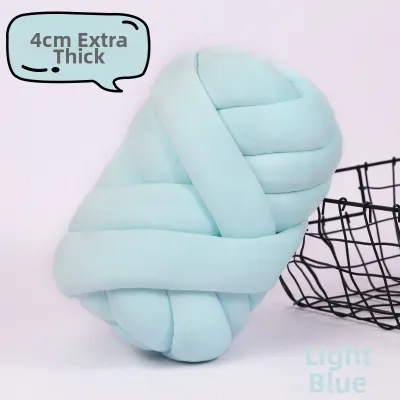
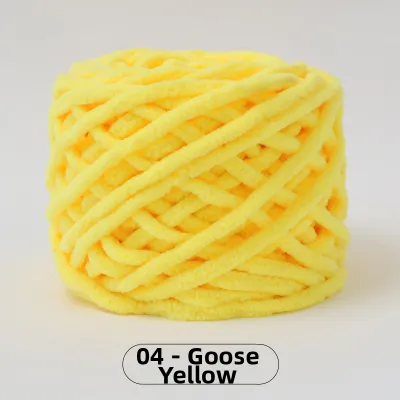
Prices are valid at publication and may change. Please refer to the product page for the latest price.
Adjacent to the weight symbol, the manufacturer provides recommended tool sizes for both knitting and crocheting. These recommendations are presented in metric measurements (millimeters) alongside regional sizing systems, such as US or UK numbers. For example, a typical chunky yarn label might suggest an 8.0 mm needle (US 11) and an 8.0 mm hook (US L-11). These suggested sizes are calculated by the manufacturer’s design team to produce a balanced, standard fabric that is neither too stiff nor too loose.
The label also displays a suggested gauge range, which is represented by a small square diagram, usually indicating a 10 cm by 10 cm (4 inch by 4 inch) area. This diagram tells you how many stitches and rows you should expect to achieve when using the recommended tool size. While this information is incredibly helpful as a starting point, it is important to remember that these numbers are guidelines rather than strict rules. Your individual physical tension, the material of your tools, and the specific requirements of your pattern will often require you to deviate from these baseline suggestions.
Selecting Knitting Needles for Chunky Projects
When working with chunky yarn, the material of your knitting needles plays a significant role in how smoothly your stitches glide and how much physical strain your hands experience. Chunky yarns are inherently heavier and thicker than standard yarns, meaning they create more friction and weight on your needles. Wooden and bamboo needles offer a textured surface that provides natural grip, making them excellent choices for slippery synthetic fibers like acrylic or smooth wool blends. This extra friction prevents heavy stitches from sliding off the tips accidentally, which is particularly helpful for beginners.

Conversely, metal needles, such as those made from aluminum or brass, feature a highly polished, slick surface. Metal is ideal for grabby, rustic wools or textured yarns that tend to stick to wooden surfaces, allowing you to knit faster with less resistance. However, because metal needles have very little grip, they can make heavy chunky projects feel slippery, requiring more hand control to keep the stitches secure. If you find your hands tensing up to keep the yarn on the needles, switching to a wooden or bamboo option can immediately reduce physical fatigue.
The physical format of your needles is another critical consideration for chunky projects. While straight needles are suitable for small, flat items like scarves, they place the entire weight of the growing fabric onto your wrists, which can quickly lead to strain. For larger chunky projects, such as sweaters or blankets, circular needles are highly recommended, even when knitting flat. Circular needles feature two needle tips connected by a flexible plastic cable, allowing the heavy bulk of the project to rest comfortably in your lap rather than hanging off the ends of your wrists.
Selecting Crochet Hooks for Chunky Projects
Crocheting with chunky yarn requires tools that can handle thick loops without snagging or causing hand fatigue. The design of a crochet hook’s head is divided into two primary styles: inline and tapered. Inline hooks feature a deep, flat-bottomed throat and a thumb rest that aligns directly with the hook head, providing excellent control over thick, multi-ply chunky yarns. This design helps you grab the entire strand of yarn securely, reducing the likelihood of splitting the fibers. Tapered hooks, on the other hand, have a rounded head and a shallower throat, which allows for smoother, faster movements but may require more precision to avoid dropping thick loops.
The material of your crochet hook also affects your stitching experience. Plastic and resin hooks are lightweight and smooth, making them popular for larger sizes where metal hooks would feel too heavy. However, some plastic hooks can create a slight squeaking sound or drag when paired with certain synthetic acrylic yarns. Metal hooks, usually made of lightweight aluminum in larger sizes, glide effortlessly through all fiber types but can feel cold to the touch and heavy during long crafting sessions. Wooden and bamboo hooks offer a warm, organic feel and a moderate amount of grip, which is excellent for managing slippery yarns.
Because chunky crochet stitches require larger hand movements, using an ergonomic hook is highly beneficial. Standard thin-handled hooks in large sizes can force your hand into a tight, unnatural grip, leading to rapid cramping and wrist fatigue. Look for hooks with thick, soft, rubberized, or wooden ergonomic handles that fit comfortably in the palm of your hand. These handles distribute the physical pressure of your grip more evenly, allowing you to work on large-scale home decor items or winter accessories for longer periods without discomfort.
Creating and Measuring a Gauge Swatch
Before committing to a full chunky project, creating a gauge swatch is a highly reliable way to ensure your finished item will turn out the correct size. A gauge swatch is a small test square knitted or crocheted using the exact yarn, tools, and stitch pattern you plan to use for your project. Because chunky yarn has large, prominent stitches, even a tiny variation in your personal tension can cause a garment to turn out several sizes too big or too small. To begin, cast on or chain enough stitches to create a square that is at least 15 cm by 15 cm, which is slightly larger than the standard 10 cm measurement area to ensure accuracy.
Once you have completed your test square, bind off or fasten off the yarn, but do not cut the working yarn if you want to reuse it later. To get an accurate measurement, you must wash and block your swatch according to the care instructions on the yarn label. This step is crucial because fibers often relax, stretch, or shrink when wet, and measuring an unwashed swatch can lead to highly inaccurate results. Lay the damp swatch flat on a blocking mat or a clean towel, gently patting it into shape without stretching it, and let it dry completely.
To measure your gauge, place a rigid ruler or a dedicated gauge tool flat against the center of the dry swatch, avoiding the curling edges. Count the number of individual stitches across a horizontal span of 10 cm, including any fractional stitches for maximum precision. Next, turn your ruler vertically and count the number of rows within a 10 cm height. Compare these numbers to the gauge specified in your pattern; if you have more stitches than required, your fabric is too tight, and you should try a larger needle or hook. If you have fewer stitches, your fabric is too loose, and you need to size down.
Adjusting Tool Size Based on Project Requirements
While the manufacturer’s recommended tool size is an excellent starting point, you can intentionally change your needle or hook size to alter the characteristics of your fabric. Sizing up—using a larger tool than recommended—creates a looser, more open stitch pattern with a softer drape. This technique is ideal for items like oversized shawls, lightweight cowls, and flowing blankets, where you want the fabric to move fluidly rather than feel stiff. Sizing up also allows you to stretch your yarn further, as looser stitches consume less yardage per square centimeter.
Conversely, sizing down—using a smaller tool than recommended—creates a dense, compact fabric with minimal space between the stitches. This approach is essential for structured items that need to hold their shape under weight or pressure, such as tote bags, storage baskets, and winter hats. Sizing down is also highly recommended for amigurumi (crocheted stuffed toys) made with chunky yarn, as the tight stitches prevent the polyester stuffing from peeking through the fabric. Keep in mind that a denser fabric will feel stiffer and heavier, and it will require more yarn to complete the same physical dimensions.
Always review your specific pattern instructions for any intentional gauge shifts before finalizing your tool selection. Some designers deliberately specify an unusually large or small tool size to achieve a specific artistic effect, such as a highly textured lace pattern in a chunky weight. If your pattern calls for a specific needle or hook size but your test swatch does not match the pattern’s listed gauge, always prioritize matching the gauge over using the suggested tool size. Your personal tension is unique, and adjusting your tools is the standard professional method to achieve the designer’s intended results.
Troubleshooting Common Tension and Handling Issues
Working with chunky yarn presents unique physical and structural challenges that can quickly frustrate crafters if not addressed. One of the most common issues is creating a fabric that feels incredibly stiff and difficult to work with. This stiffness usually occurs when your personal tension is naturally tight, or when you are using a tool that is too small for the yarn’s actual thickness. If your hands begin to ache or your stitches are difficult to slide along the needle or hook, immediately stop and switch to a tool that is 1.0 mm or 1.5 mm larger to open up the fabric and ease the physical strain.
Another frequent problem is yarn splitting, where the tip of your needle or hook pierces through the middle of the yarn strand rather than sliding cleanly under the entire loop. This is especially common with loosely spun chunky yarns or multi-ply acrylics. To resolve this, examine the shape of your tool’s tip; sharp, pointed knitting needles or highly pointed crochet hooks tend to split fibers easily. Switching to a tool with a blunter, more rounded tip will help guide the tool around the yarn strand rather than through it, resulting in cleaner stitches and a smoother crafting rhythm.
Finally, physical fatigue and joint strain are common when handling heavy chunky projects for extended periods. Because the tools are larger and the yarn is heavier, your hands and wrists must work harder to maintain control. To minimize discomfort, take regular breaks every 20 to 30 minutes to stretch your fingers, hands, and wrists. Additionally, ensure you are sitting in a supportive chair and resting the weight of your project on a table or in your lap rather than letting it hang unsupported, which reduces the physical load on your shoulders and neck.
Frequently Asked Questions (FAQ)
Can I use two strands of thinner yarn instead of one chunky yarn?
Yes, you can easily substitute multiple strands of thinner yarn to achieve a chunky weight. Generally, holding two strands of worsted weight (Category 4) yarn together will create a thickness equivalent to a single strand of chunky (Category 5) yarn. When using this technique, you should select a needle or hook size that matches the combined thickness, typically starting with an 8.0 mm (US 11 or L-11) tool. It is essential to create a dedicated gauge swatch with the combined strands, as the friction between the two strands can affect your tension differently than a single chunky strand.
What if my yarn label is missing or faded?
If your yarn label is missing, you can estimate the yarn’s weight and find a starting tool size using the wraps-per-inch (WPI) method. To do this, wrap the yarn snugly but without stretching it around a ruler or a pencil over a 1-inch (2.5 cm) span, ensuring the strands sit side-by-side without overlapping. Chunky yarn typically yields about 5 to 7 wraps per inch. Once you establish that your yarn falls into this range, start with a standard mid-range tool size, such as an 8.0 mm (US 11 or L-11), and knit or crochet a test swatch to verify if the resulting fabric has the drape and density you desire.
Do I need special tools for super chunky or jumbo yarn?
Yes, as you move beyond standard chunky yarn into super chunky (Category 6) or jumbo (Category 7) weights, standard crafting tools will no longer suffice. These extremely thick yarns require specialized, oversized needles or hooks, often ranging from 10.0 mm to 25.0 mm or even larger. These tools are typically made of lightweight hollow plastic, resin, or smooth finished wood to keep them manageable. Alternatively, many jumbo yarn projects, such as thick chenille blankets, bypass traditional tools entirely in favor of hand or arm knitting techniques, where your fingers and forearms serve as the needles.

Community discussion
Share your experience or ask a question. Comments are reviewed before publication.