
Selecting the right iron-on fabric tape depends entirely on matching the tape’s adhesive melting point and weight with the fabric’s heat tolerance, thickness, and weave density. Cotton handles high heat and pairs well with standard or heavy-duty fusible webs; polyester requires low-temperature adhesives to prevent melting; and denim demands heavy-duty, wide tapes that can penetrate its dense, textured weave. Fusible bonding tapes offer a convenient, sew-free alternative for hemming, repairs, and crafting, but achieving a durable bond requires understanding how different fibers react to heat, pressure, and moisture.
Understanding Adhesive Types and Fabric Heat Limits
To make an informed purchase, you must first understand the different adhesive categories available on the market. Standard fusible tapes, often made from polyamide or copolyester, are designed for medium-weight fabrics and require moderate to high heat to activate. Heavy-duty tapes contain a higher concentration of adhesive mass, making them thicker and more rigid, which is ideal for structural bonds on heavy textiles. Low-temperature tapes, sometimes labeled as ultra-lightweight or sensitive-fabric webs, feature adhesives that liquefy at lower temperatures to protect delicate synthetic fibers from heat damage.
Before purchasing any tape, consult the fabric care label on your garment. The standard international ironing symbols—represented by an iron with one, two, or three dots—indicate the maximum safe temperature for the material. One dot corresponds to low heat (synthetics like polyester and nylon), two dots indicate medium heat (wool and silk), and three dots represent high heat (cotton and linen). If the care label features an iron symbol with a cross through it, or explicitly states “do not iron,” iron-on fabric tape cannot be used safely on that garment.
Products mentioned in this guide
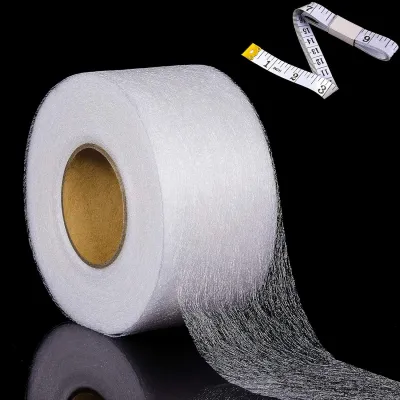
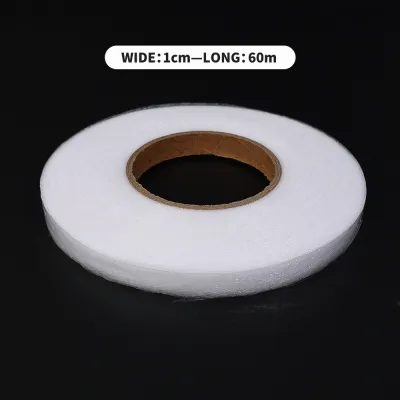
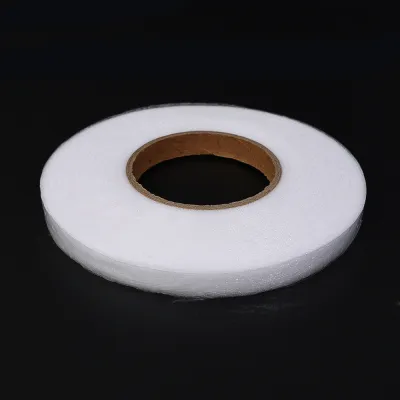
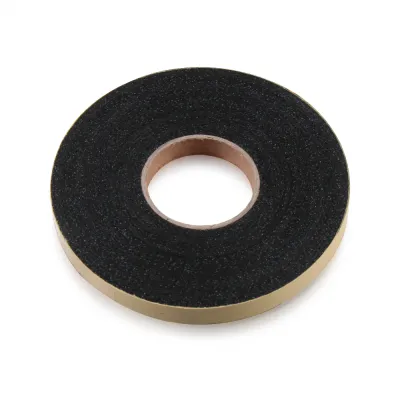
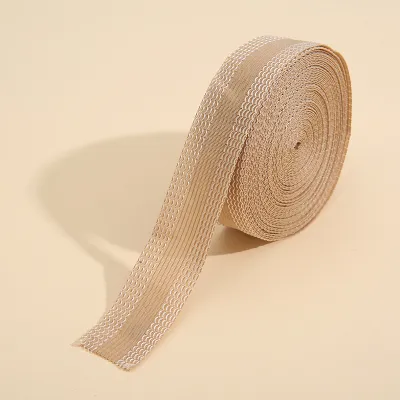
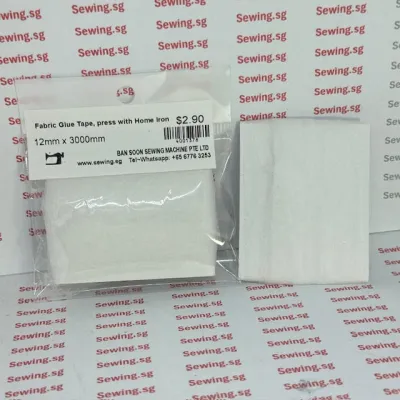
Prices are valid at publication and may change. Please refer to the product page for the latest price.
Additionally, match the physical dimensions of the tape to your project’s requirements. Tape widths typically range from narrow options of about ten millimeters to wider variations exceeding twenty-five millimeters. Using a tape that is too wide for your hem allowance will cause excess adhesive to squeeze out, sticking to your iron’s soleplate or leaving unsightly residue on the visible side of the garment. Conversely, a tape that is too narrow may not provide enough surface area to distribute physical stress, leading to premature peeling.
Finally, verify the washability specifications printed on the tape packaging. Some adhesives are formulated to withstand frequent machine washing and tumble drying, while others are dry-clean only or designed as temporary basting tapes that dissolve in water. In warm, humid environments like Singapore, where clothing is laundered frequently to maintain freshness, selecting a highly wash-resistant adhesive is essential for long-term durability.
Selecting Tape for Cotton: High Heat and Absorbent Fibers
Cotton is a natural, highly absorbent cellulose fiber that possesses excellent heat tolerance. This inherent resilience makes cotton exceptionally compatible with standard and heavy-duty iron-on fabric tapes, which require high temperatures to fully melt and activate the adhesive. The high heat setting on your iron (typically the three-dot setting) liquefies the adhesive completely, allowing it to flow deep into the porous cotton fibers and create a strong mechanical bond upon cooling.

However, the absorbent nature of cotton presents a unique challenge when working with lightweight, sheer, or loosely woven varieties, such as voile, lawn, or muslin. On these delicate fabrics, a heavy or standard-weight adhesive can easily seep through the open weave to the right side of the garment. This strike-through leaves stiff, shiny, or darkened patches that ruin the appearance and drape of the fabric. To prevent this, always opt for a lightweight or ultra-fine fusible web when working with thin cotton materials.
To protect both your iron and the cotton fabric during application, always utilize a clean pressing cloth or a sheet of parchment paper. Cotton can occasionally scorch or develop a slight glaze if subjected to direct, prolonged heat from a bare iron soleplate. Placing a barrier between the iron and the fabric distributes the heat more evenly and catches any stray adhesive that might squeeze out of the seam allowance.
Once the pressing process is complete, allow the fabric to cool completely before handling it. During this initial cooling phase, observe the bonded area for any signs of discoloration or excessive stiffness. A successful bond on cotton should hold the layers firmly together while retaining a reasonable amount of the fabric’s natural drape. If the hem feels excessively rigid or cardboard-like, it indicates that the tape used was too heavy or that too much adhesive was applied for that specific fabric weight.
Selecting Tape for Polyester: Low Heat and Synthetic Sensitivity
Polyester and polyester-blend fabrics are synthetic materials made from thermoplastic polymers. Unlike natural fibers, polyester does not absorb adhesive; instead, the bond relies on the adhesive gripping the surface of the synthetic yarns. Furthermore, polyester is highly sensitive to heat. Subjecting polyester to the high temperatures required for standard iron-on tapes can cause the fibers to soften, shrink, warp, or melt entirely, leaving permanent shiny marks or scorched patches.
To safely bond polyester, you must select specialized low-temperature or light-weight synthetic adhesives. These products are engineered to activate at lower temperatures, typically aligning with the one-dot synthetic setting on a standard household iron. They require less thermal energy to transition from a solid to a tacky state, minimizing the duration and intensity of heat exposure required to secure the bond.
Because synthetic blends vary widely in their chemical composition and heat tolerance, conducting a hidden seam test is a mandatory safety step. Cut a small strip of the iron-on tape and apply it to an inconspicuous area, such as the inside of a pocket or a wide seam allowance. Apply the iron at the recommended low setting using a pressing cloth. Allow the test area to cool completely, then inspect the face of the fabric for any changes in texture, color, or sheen, while gently pulling the layers to verify that the adhesive has successfully bonded.
When applying the tape to the final garment, adjust your iron to the synthetic setting and disable the steam function unless the tape manufacturer specifically recommends it. Steam can introduce uneven moisture and heat spikes that may damage synthetic fibers. Always use a dry pressing cloth and apply firm, static pressure. Avoid sliding the iron across the fabric, as the friction combined with heat can easily distort the delicate polyester weave and stretch the hem out of shape.
Selecting Tape for Denim: Heavy Duty and Textured Surfaces
Denim is a heavy, rugged cotton twill characterized by its dense construction and highly textured surface. The diagonal ribbing of the twill weave creates deep valleys and high peaks across the fabric surface. Standard lightweight or regular-weight iron-on tapes are insufficient for denim because they lack the adhesive volume required to bridge these textured gaps, resulting in a weak, superficial bond that quickly fails under normal wear.
To achieve a secure bond on denim, you must choose extra-wide or heavy-duty iron-on tapes specifically formulated for thick, rigid materials. These heavy-duty variants contain a much thicker layer of adhesive. When melted, the abundant adhesive flows into the deep crevices of the denim weave, wrapping around the thick cotton yarns to establish a deep, structural mechanical lock.
Unlike synthetic fabrics, denim’s high heat tolerance and dense structure benefit from the application of steam during the bonding process. Steam acts as an efficient heat conductor, carrying thermal energy deep into the thick layers of denim to ensure the adhesive melts uniformly from the top to the bottom of the seam. However, always verify the tape manufacturer’s instructions first, as some heavy-duty adhesives are designed for dry heat only and may degrade if exposed to moisture during activation.
It is important to recognize the physical limitations of iron-on fabric tape when working with denim garments. While heavy-duty tape is highly effective for raising hems on jeans or securing decorative patches, it is not a permanent substitute for structural stitching on high-stress seams. Areas subject to constant pulling, stretching, or friction—such as the crotch seam, tight waistbands, or pocket corners—will eventually cause the adhesive bond to fail. For these high-stress zones, traditional sewing remains the only reliable method for long-term durability.
Safe Application Steps and When to Stop
Achieving a professional and long-lasting bond with iron-on fabric tape requires a methodical, step-by-step approach that prioritizes fabric preparation and precise heat application. The process begins long before you plug in your iron. You must pre-wash and thoroughly dry your fabrics to remove any manufacturing sizing, starches, or chemical finishes. These chemical coatings act as a barrier, preventing the liquefied adhesive from making direct contact with the fabric fibers. Avoid using fabric softeners during this pre-wash, as they leave a silicone residue that repels adhesives.
Once the fabric is clean and dry, press the area flat to remove any wrinkles before positioning the tape. Cut the tape to the desired length, ensuring it is slightly shorter than the hem to prevent any adhesive from protruding. Place the tape between the two layers of fabric, making sure it lies completely flat without twisting or bunching. Cover the assembly with a clean, damp or dry pressing cloth, depending on the specific requirements of your fabric and adhesive type.
When applying the iron, use a press and lift technique. Lower the iron directly onto the pressing cloth and apply firm, downward pressure using your body weight. Hold the iron stationary for the exact number of seconds specified by the tape manufacturer—typically between ten and twenty seconds. Do not slide the iron back and forth; sliding can shift the tape out of alignment, stretch the fabric, or force the melted adhesive out of the sides of the seam. Lift the iron completely, move it to the adjacent unbonded section, and repeat the process until the entire seam is secured.
After pressing, resist the temptation to test the bond immediately. The adhesive is thermoplastic and remains in a semi-liquid, vulnerable state while warm. Allow the fabric to lie completely flat and undisturbed until it has cooled to room temperature. Moving, folding, or pulling the fabric while it is still warm will disrupt the chemical crystallization process, permanently weakening the bond and causing the edges to peel prematurely.
You must stop the application immediately and consult the manufacturer if you observe any warning signs during the process. If the fabric begins to discolor, scorch, emit unusual chemical odors, or if synthetic fibers show signs of glazing or melting, turn off your iron immediately. Additionally, if the tape fails to adhere after two controlled pressing attempts at the recommended temperature, do not continue applying heat. Repeated heat exposure will only bake the adhesive, rendering it brittle and making it extremely difficult to remove without causing permanent damage to the garment.
Frequently Asked Questions (FAQ)
Is iron-on fabric tape permanent after washing?
The permanent nature of iron-on fabric tape depends heavily on the specific adhesive formulation, proper application technique, and subsequent laundering habits. High-quality heavy-duty tapes can withstand numerous wash cycles if the adhesive was fully melted and bonded to clean, sizing-free fibers during application. However, frequent exposure to hot water and high-heat tumble drying can gradually reactivate or degrade the thermoplastic adhesive, leading to peeling edges. To maximize the lifespan of the bond, wash garments in cool or lukewarm water on a gentle cycle, and line dry them whenever possible.
Can you remove iron-on tape if you make a mistake?
Yes, iron-on fabric tape can generally be removed, but the process requires patience to avoid damaging the underlying fabric. Because the adhesive is heat-activated, applying controlled heat with an iron can soften the bond once again. Place a clean paper towel or a scrap piece of cotton fabric over the area and press with a warm iron; as the adhesive melts, it should transfer onto the paper or scrap fabric. For any remaining sticky residue, you can apply a specialized adhesive remover or rubbing alcohol, but always perform a spot test on an inconspicuous area first to ensure it does not discolor or dissolve the fabric fibers.
Does iron-on tape work on stretchy or knit fabrics?
Standard iron-on fabric tapes are rigid and do not stretch, making them unsuitable for knit or elastic fabrics like jersey, rib-knit, or spandex. If you apply a standard rigid tape to a stretchy garment, the tape will restrict the fabric’s natural elasticity, causing the hem to pucker, warp, or snap open as soon as the garment is stretched or worn. For stretchy materials, you must look specifically for flexible, stretch-fusible tapes or elastic web adhesives. These specialized products are designed to expand and contract in tandem with the knit fibers, maintaining a secure bond without compromising the garment’s flexibility.

Community discussion
Share your experience or ask a question. Comments are reviewed before publication.