
Finding the right greeting card in Singapore depends on matching the recipient’s relationship and the significance of the occasion with the appropriate card tier. For casual, everyday events, widely available mass-market brands offer convenience and lighthearted designs. For personal milestones, boutique and indie design studios provide unique, culturally resonant illustrations. For formal events like weddings or corporate milestones, premium artisanal brands utilizing heavy cotton paper and letterpress printing deliver the necessary sophistication. Evaluating paper weight, print finishes, and envelope quality ensures your message is presented beautifully.
Taking the time to assess these physical characteristics transforms a simple card into a lasting keepsake. Whether you are celebrating a close friend’s promotion, sending condolences, or inviting guests to a formal gala, understanding the nuances of stationery quality helps you make an impression that aligns perfectly with your intent.
How to Evaluate Greeting Card Quality and Paper Stock
The physical feel of a greeting card is the first thing a recipient notices when they pull it from the envelope. To ensure your card feels substantial and premium, pay close attention to the paper weight, which is measured in grams per square meter (gsm). Standard, budget-friendly cards typically range from 200 to 250 gsm, which can feel somewhat flimsy and may sag when displayed on a shelf. For a high-quality feel, look for cardstock that is at least 300 gsm or higher. Heavier paper not only feels sturdier in the hand but also resists warping and prevents heavy ink from bleeding through to the other side.
Products mentioned in this guide
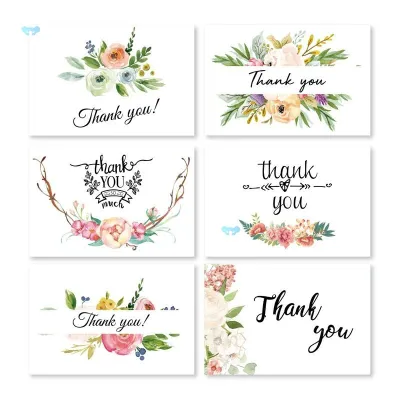
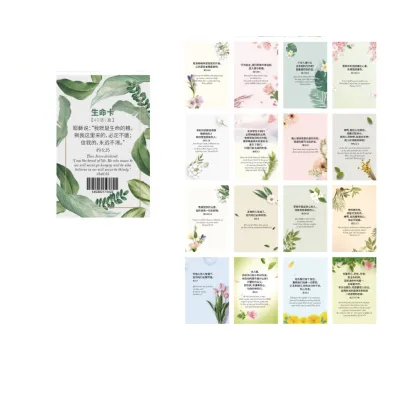
Prices are valid at publication and may change. Please refer to the product page for the latest price.
Texture is another critical element of paper quality. Uncoated, matte papers offer a classic, tactile feel and are highly receptive to all types of ink, including fountain pens and gel pens. Textured papers, such as felt-marked or linen-finish cardstock, add a sophisticated, organic dimension to the design. Conversely, coated or glossy papers make colorful illustrations and photographs pop with vibrant intensity, though they require specific writing instruments to prevent smudging.
Beyond the paper itself, inspect the print quality and finishing techniques. High-quality cards feature crisp, sharp lines without any pixelation or color bleeding. Premium finishes like hot foil stamping add a metallic luster that catches the light, while embossing and debossing create raised or recessed textures that invite touch. If you are looking for ultimate luxury, look for cards with hand-painted or gilded edges, which add a subtle shimmer when the card is viewed from the side.
Finally, do not overlook the envelope, as it sets the tone before the card is even opened. A quality envelope should be made from thick paper, ideally 100 gsm or heavier, so the card design does not show through. Check the construction of the envelope, ensuring the seams are cleanly glued and the flap features a reliable adhesive seal. Some premium brands include elegant tissue or patterned paper linings inside the envelope, which add opacity and a delightful pop of color when opened.
Mass-Market Card Brands for Casual and Everyday Occasions
Mass-market greeting card brands are the go-to choice when convenience, variety, and lightheartedness are your primary goals. These widely distributed brands are designed to appeal to a broad audience, offering an extensive range of designs that cover almost every conceivable event. From humorous puns and relatable comic illustrations to licensed pop-culture characters and interactive musical elements, these brands excel at delivering immediate, cheerful messages.

These cards are ideal for casual, everyday occasions where the tone is relaxed and friendly. They are perfect for a colleague’s birthday, a quick thank-you note to a neighbor, or a casual housewarming party. Because they are produced in large volumes, they are highly accessible and often sold in convenient multi-packs or box sets. This makes them incredibly practical for major holidays like Christmas, Deepavali, or Lunar New Year, when you need to distribute cards to a large number of acquaintances, classmates, or corporate clients.
However, choosing mass-market options comes with certain trade-offs. Because these cards are printed in massive quantities, they lack a sense of exclusivity, and there is a chance your recipient has seen the exact same design before. The paper stock used is typically standard semi-gloss or glossy cardstock, which can feel less tactile and may limit your choice of writing instruments. While they are excellent for quick, cheerful sentiments, they may not convey the depth of feeling required for highly intimate or significant life milestones.
Boutique and Indie Brands for Thoughtful Personal Milestones
For occasions that demand a more personal, intimate touch, boutique and independent design brands offer a refreshing alternative. These brands are typically driven by individual artists or small design studios who prioritize original illustrations, modern typography, and limited-edition print runs. In Singapore, many indie creators infuse their designs with localized cultural motifs, familiar landmarks, and humorous local slang, creating an instant connection and a sense of shared identity between the sender and the recipient.
Boutique cards are best suited for close personal milestones where you want to show the recipient that you put genuine thought into their card. They are perfect for a best friend’s milestone birthday, a sibling’s graduation, a baby shower, or a heartfelt note of encouragement during a challenging time. The unique artwork and thoughtful presentation of these cards often turn them into keepsakes that recipients keep framed or tucked away in memory boxes long after the occasion has passed.
When purchasing from boutique or indie brands, there are a few practical checks to keep in mind. Because these businesses operate on a smaller scale, their inventory may be limited, and popular designs can sell out quickly during peak festive seasons. If you are ordering directly from a local maker’s online store, verify the shipping lead times to ensure the card arrives well before your event. Additionally, check if they offer matching stationery sets or custom message printing if you plan to have the card mailed directly to the recipient.
Premium and Artisanal Brands for Weddings and Formal Events
When it comes to major life transitions and formal correspondence, only the highest tier of stationery will suffice. Premium and artisanal brands treat greeting cards as works of art, utilizing heritage printing techniques and exquisite materials to create a sense of luxury and gravity. These brands often eschew digital printing in favor of traditional letterpress, where inked metal or polymer plates are pressed deep into the paper, leaving a crisp, tactile impression that you can feel with your fingertips.
The material of choice for artisanal brands is heavy cotton paper, which is incredibly soft, thick, and luxurious. Cotton fibers absorb ink beautifully, resulting in rich, matte colors and a texture that feels remarkably elegant. These cards often feature deckled edges, which are hand-torn to create a soft, feathered border, or are paired with heavy, matching envelopes designed to accommodate traditional wax seals.
These premium cards are reserved for formal, high-stakes events such as wedding invitations, formal congratulations, milestone anniversaries, corporate achievements, and luxury gifting. The sheer weight and craftsmanship of the card immediately signal to the recipient the importance of the occasion and the high regard in which they are held.
Before purchasing from an artisanal brand, consider the logistics involved. If you are ordering custom invitations or personalized stationery, be prepared for longer production timelines and potential minimum order requirements. You should also inquire about the proofing process to ensure all spelling and layout details are flawless before printing begins, as traditional printing plates cannot be easily altered once cast. Many premium brands also offer coordinating services, such as professional calligraphy or envelope addressing, to ensure the entire presentation is cohesive.
Where to Buy Quality Greeting Cards in Singapore
Finding the perfect greeting card in Singapore is easy if you know where to look based on your timeline and specific needs. For immediate purchases, physical stationery stores, lifestyle boutiques, and major bookstores located in shopping malls across the island are your best option. Visiting a physical store allows you to touch the paper, inspect the print quality, and ensure the envelope matches perfectly before you buy. These retail spaces typically carry a curated mix of mass-market and popular international boutique brands.
If you are searching for unique, artistic, or locally themed designs, local craft markets, art pop-ups, and seasonal creative bazaars are excellent places to explore. These events bring together independent illustrators and local makers, allowing you to discover limited-edition cards that you won’t find in mainstream retail stores. Buying directly from these markets also gives you the opportunity to support the local creative community and learn about the inspiration behind the designs.
For the widest selection and the convenience of shopping from home, e-commerce platforms and official brand online stores are highly effective. Online shopping allows you to browse extensive collections, filter by occasion, and read user reviews regarding paper thickness and print quality. When buying online, pay close attention to the product specifications, looking for details like paper weight (gsm) and dimensions to ensure the card meets your expectations. Many online stores also offer bulk discounts, making them ideal for purchasing holiday card sets or stocking up on everyday cards for the year ahead.
Frequently Asked Questions (FAQ)
Do I need extra postage for square or oversized cards?
Yes, non-standard card shapes, square formats, or heavy cardstock with bulky embellishments often require additional postage. In Singapore, postal services categorize mail by size, thickness, and weight. Square envelopes cannot be processed by standard automated sorting machines, which may subject them to non-standard postage rates. Always check the current local postal guidelines or weigh your card at a post office before mailing to ensure it has the correct postage.
How do I prevent ink from smudging on glossy card finishes?
Glossy card finishes have a non-porous surface that prevents standard water-based inks from soaking into the paper, leading to smudges. To prevent this, use quick-drying writing instruments such as fine-tip permanent markers, oil-based ballpoint pens, or specialized quick-drying gel pens. Avoid fountain pens, traditional gel pens, or liquid ink rollerballs on glossy surfaces. After writing, leave the card open and flat for several minutes to allow the ink to cure completely before folding it or placing it in the envelope.

Community discussion
Share your experience or ask a question. Comments are reviewed before publication.