
Selecting a big fabric cover to protect outdoor furniture, vehicles, or equipment in Singapore requires a careful balance of material science and structural design. The combination of intense tropical sunlight, high humidity, and sudden monsoon downpours will quickly degrade substandard textiles. To ensure long-term protection, you must evaluate how different fabrics handle moisture barrier performance, UV exposure, and airflow.
Quick Criteria for Selecting Outdoor Fabrics
To choose the right fabric for a large outdoor cover, you must prioritize three essential performance characteristics: water repellency, UV stability, and breathability. Water repellency determines how effectively the fabric sheds heavy rain, while UV stability prevents the fibers from becoming brittle and tearing under constant sun exposure. Breathability is equally critical, as it allows trapped moisture to escape, preventing mold from forming underneath the cover.
Understanding the functional difference between water-resistant coatings and fully waterproof membranes is key to making an informed decision. Water-resistant coatings are typically hydrophobic finishes applied to woven fabrics; they allow the material to remain breathable while shedding light to moderate rain, but they can eventually saturate under prolonged downpours. Fully waterproof membranes, such as PVC or heavy polyurethane backings, create an absolute barrier against water penetration but completely block airflow, which can trap humid air underneath.
Products mentioned in this guide
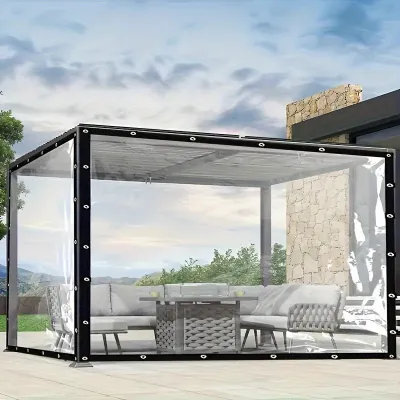
Prices are valid at publication and may change. Please refer to the product page for the latest price.
Before purchasing any outdoor fabric, use this quick checklist to evaluate the product labels:
- Fiber Dyeing Method: Look for solution-dyed fibers rather than piece-dyed or printed fabrics to ensure long-lasting color and UV resistance.
- Waterproof Rating: Check for a hydrostatic head rating, which indicates the level of water pressure the fabric can withstand before leaking.
- Breathability Indicators: Verify if the fabric construction allows air passage or if the cover design includes built-in ventilation flaps.
- Weight and Density: Note the denier or grams per square meter (GSM) to assess the physical strength and tear resistance of the material.
Climate Challenges for Outdoor Fabrics in Singapore
Singapore’s tropical climate presents a unique set of environmental challenges that accelerate the degradation of outdoor textiles. The consistently high relative humidity, which often exceeds 80 percent, creates an ideal breeding ground for mold and mildew. When organic debris like dust, pollen, or bird droppings settles on a damp fabric cover, fungal spores quickly colonize the surface, leading to unsightly stains and structural weakening of the fibers.

Intense tropical sunlight is another major factor in fabric failure. Ultraviolet (UV) radiation breaks down the chemical bonds in synthetic polymers, a process known as photo-degradation. This degradation manifests as severe color fading, loss of tensile strength, and eventual cracking or tearing of the fabric under minor stress. Without built-in UV inhibitors, standard fabrics can lose their protective qualities within a single season of exposure.
Furthermore, the frequent and heavy monsoon rains make breathability a non-negotiable feature for large covers. When a non-breathable waterproof cover is placed over outdoor items, the temperature fluctuations between hot days and cooler rainy nights cause condensation to form on the underside of the fabric. This trapped moisture cannot escape, leading to localized humidity zones that promote rust on metal parts, rot on wooden furniture, and mold on cushions.
Comparing Fabric Materials for Tropical Conditions
Evaluating different fabric materials based on their structural properties helps you select the most suitable option for your specific outdoor application.
Solution-Dyed Acrylic This material is widely considered an excellent choice for long-term outdoor use due to its exceptional UV resistance and colorfastness. Because the pigments are added to the polymer melt before the fibers are extruded, the color runs completely through the yarn rather than just coating the surface. Solution-dyed acrylic is highly breathable and naturally resistant to mold, though it may require a fluorocarbon finish to enhance its water repellency during heavy downpours.
PVC-Coated Polyester For applications requiring absolute waterproofing and high mechanical strength, PVC-coated polyester is a highly durable option. The polyester core provides excellent tear resistance, while the thick PVC coating ensures that no water can penetrate the surface. However, this material is heavy, stiff, and completely non-breathable, making it best suited for open-sided structures, vehicle covers with dedicated vents, or industrial equipment that does not have sensitive wooden or fabric components.
Treated Canvas Traditional cotton canvas treated with water-repellent and mold-resistant finishes offers a classic, heavy-duty aesthetic. While canvas is naturally breathable and tough, it requires significantly more maintenance in a humid climate. The natural fibers can absorb moisture if the protective treatment wears off, making the cover highly susceptible to rot and deep-seated mildew if it remains damp for extended periods.
Standard Polyester with PU Coating Lightweight polyester fabrics coated with polyurethane (PU) are popular, budget-friendly options for temporary or light-duty covers. These fabrics are easy to handle, fold, and store, making them convenient for daily use. However, the PU coating on the underside is vulnerable to hydrolysis—a chemical breakdown caused by constant exposure to heat and moisture—which eventually causes the coating to peel, flake, and lose its waterproof capabilities within a few years.
How to Verify Fabric Specifications and Brand Claims
When shopping for outdoor fabrics, it is important to look past marketing buzzwords and verify technical specifications on product tags or manufacturer data sheets.
- Hydrostatic Head (HH) Rating: Look for a rating measured in millimeters (mm). A rating of 1,500mm to 3,000mm indicates moderate water resistance suitable for typical rain, while ratings above 5,000mm represent heavy-duty waterproof performance capable of withstanding severe monsoon downpours.
- UV Protection Factor (UPF): Check for a UPF rating, which measures the amount of UV radiation that penetrates the fabric. A rating of UPF 50+ indicates that the fabric blocks the vast majority of UV rays, protecting both the cover itself and the items underneath from sun damage.
- Anti-Microbial and Mold-Resistant Finishes: Verify if the fabric has been factory-treated with specialized finishes that inhibit fungal growth. These treatments do not make the fabric self-cleaning, but they significantly delay the onset of mold and mildew in humid conditions.
- Warranty Terms: Carefully read the manufacturer's warranty to understand what is covered. A robust warranty that specifically covers color fading or structural loss due to UV exposure for several years is a strong indicator of a high-quality, durable fabric. Be aware of exclusions related to mold growth, as most warranties require proper maintenance to keep the coverage valid.
Sizing and Structural Needs for Big Fabric Covers
Designing and fitting a large outdoor cover involves more than just matching the basic length and width of the object being protected.
- Airflow and Ventilation: To prevent condensation, a big cover should not seal tightly to the ground. Leave a gap of several centimeters at the bottom to allow air to circulate freely. For very large covers, look for designs that incorporate covered mesh vents near the top to let warm, humid air escape.
- Water Pooling Prevention: Flat surfaces on large covers are highly susceptible to water pooling during heavy rain. The weight of accumulated water can stretch the fabric, weaken the seams, and eventually cause structural failure. To prevent this, use support poles, foam blocks, or a sloped frame underneath the cover to create a shedding angle that directs water downward.
- Reinforced Seams and Stitching: Large spans of fabric experience significant tension from wind and weight. Ensure the cover features double-stitched seams, heavy-duty UV-resistant thread (such as polytetrafluoroethylene or bonded polyester), and factory-applied seam sealing tape on the underside to prevent water from leaking through the needle holes.
- Secure Tie-Downs and Fasteners: Strong winds during monsoon seasons can easily lift and tear a large cover. Choose covers equipped with robust tie-down straps, adjustable buckles, or elasticized hems. If you are using grommets to secure the cover with bungee cords, ensure they are made of rust-proof materials like brass, stainless steel, or high-grade polycarbonate to prevent corrosion stains on the fabric.
Maintaining Outdoor Covers in Humid Weather
Proper maintenance is essential to maximize the lifespan of your outdoor cover and prevent the accumulation of mold and mildew in Singapore’s humid climate.
- Routine Cleaning: Regularly brush away loose dirt, leaves, bird droppings, and organic debris from the surface of the cover. When dirt is allowed to remain on the fabric, it combines with moisture to create a nutrient-rich environment for mold spores. Wash the cover periodically using a soft-bristled brush, mild soap, and lukewarm water, avoiding harsh detergents or high-pressure washers that can strip away protective coatings.
- Drying and Storage: Never fold or store a damp cover, as mildew can develop within 24 to 48 hours in warm, humid conditions. Allow the cover to air dry completely in a well-ventilated, shaded area before packing it away. Store the dry cover in a breathable storage bag rather than a sealed plastic container to prevent any residual moisture from becoming trapped.
- Professional Care and Re-treatment: If the fabric exhibits deep-seated mold stains, structural damage, or a complete loss of water repellency that cannot be resolved with gentle cleaning, consult the manufacturer's specific care instructions. Avoid using bleach or abrasive chemicals unless explicitly authorized by the manufacturer, as these substances can permanently degrade the UV inhibitors and waterproof membranes.
Frequently Asked Questions (FAQ)
Can I use indoor upholstery fabric for outdoor covers if I apply a waterproofing spray?
Using indoor upholstery fabric for outdoor covers is not recommended, even if you apply an aftermarket waterproofing spray. Indoor fabrics are typically made from fibers like cotton, rayon, or standard polyester that lack built-in UV stabilizers, causing them to degrade, fade, and weaken rapidly under intense tropical sunlight. Furthermore, aftermarket sprays only provide a temporary surface barrier that washes away quickly, whereas factory-applied outdoor coatings are chemically bonded to the fibers to withstand harsh environmental conditions.
How do I know when to reapply water repellent treatments to my outdoor cover?
You can determine when to reapply a water repellent treatment by performing a simple water beading test. Pour a small amount of clean water onto the surface of the cover; if the water beads up and rolls off easily, the protective coating is still functioning effectively. If the water quickly soaks into the fabric, darkens the material, or seeps through to the underside, the water-repellent finish has degraded and needs to be reapplied using a manufacturer-approved fabric protectant.

Community discussion
Share your experience or ask a question. Comments are reviewed before publication.