
Navigating Singapore’s highly efficient public transport network requires a reliable payment method. Choosing the right EZ-Link card variant depends on your residency status, age, and how frequently you plan to ride the MRT, LRT, or public buses. By matching your daily commuting habits to the correct card type, you can optimize your travel expenses and enjoy seamless transit across the island.
Identifying Your Transit Profile and Usage Needs
To determine the most cost-effective transit card, start by analyzing your daily travel frequency and typical routes. Commuters who rely heavily on public transport for multiple trips a day have vastly different needs than those who primarily use private hire cars or only travel during off-peak hours. Calculating your estimated weekly trips provides a clear baseline for comparing pay-as-you-go options against unlimited passes.
Eligibility is the next critical filter. Singapore’s transit system offers heavily subsidized fares for specific demographic groups, including local students, senior citizens, and individuals with disabilities. Your age, academic enrollment, employment pass type, and nationality dictate whether you can access these concession rates or if you must use standard adult fare structures.
Products mentioned in this guide
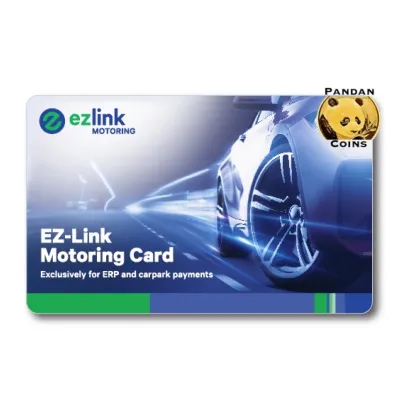
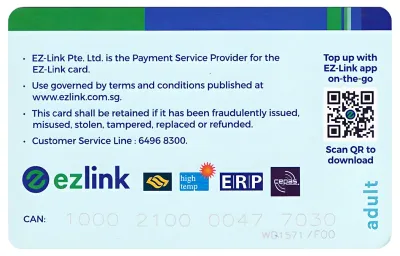


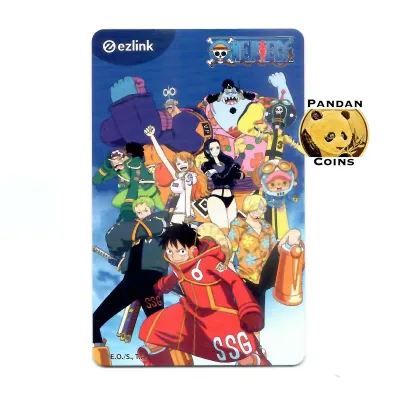
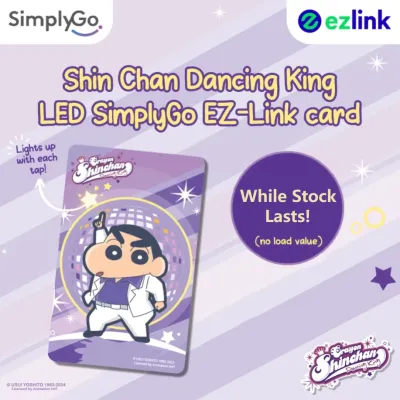
Prices are valid at publication and may change. Please refer to the product page for the latest price.
Finally, consider the duration of your stay. Long-term residents require durable, reloadable solutions that integrate with daily retail payments and offer long-term account management. Short-term visitors, on the other hand, must weigh the convenience of unlimited multi-day passes against the flexibility of standard stored-value cards that can be kept for future visits.
Standard EZ-Link Card: Evaluating Suitability for General Commuters
The standard EZ-Link card is the default choice for general adult commuters, working professionals, and long-term visitors who do not qualify for demographic-specific subsidies. It operates on a pay-as-you-go model, deducting the standard adult fare for each distance-based journey. This card is highly practical for anyone who commutes regularly but does not meet the strict criteria for concession rates.

Beyond transit, the standard card serves as a versatile payment tool. You can use its stored value at numerous retail outlets, convenience stores, hawker centers, and for motoring charges like carpark fees. The physical card typically has a lifespan of up to five years, making it a reliable companion for long-term use and repeat visits to Singapore.
However, standard cards have distinct limitations. They do not offer any fare discounts or subsidies, meaning you pay the full adult rate for every ride. Additionally, users must actively monitor their card balance to avoid getting stopped at the gantry, though this can be mitigated by linking the card to a mobile application for automatic top-ups or digital balance tracking.
Concession Cards: Navigating Eligibility and Fare Subsidies
Concession cards are designed to make public transport highly affordable for specific segments of the population. These cards offer significantly reduced fares compared to standard adult rates, making them essential for eligible individuals. The primary target groups include primary, secondary, and tertiary students, senior citizens aged 60 and above, and persons with disabilities.
To secure a concession card, you must navigate a formal verification process. Eligible residents must submit official documentation, such as student identification, proof of age, or relevant government-issued disability certifications. Applications are typically processed through official transit offices, designated concession card replacement centers, or dedicated online portals managed by the transit authority.
Using a concession card comes with strict conditions that must be observed to avoid penalties. These cards are strictly non-transferable and must only be used by the registered cardholder. Most concession cards feature photo identification printed on the physical card, and transit staff conduct regular checks to verify identity. Cardholders must also keep track of expiry dates, particularly when transitioning between educational institutions or reaching age milestones.
Singapore Tourist Pass: Assessing Unlimited Travel Value
The Singapore Tourist Pass is a specialized option tailored for short-term visitors who plan to explore the city intensively over a few consecutive days. This pass offers unlimited travel on basic bus services, MRT trains, and LRT trains, eliminating the need to calculate individual fares or worry about running out of stored value during a busy sightseeing itinerary.
To determine if the tourist pass is worth the investment, you must estimate your daily transit frequency. If your itinerary involves hopping on and off trains and buses multiple times a day to visit various attractions across different zones, the flat-rate pass can offer excellent value. However, if you plan to stay mostly in one neighborhood or rely on walking and private hire vehicles, a standard pay-as-you-go card may prove more economical.
Before purchasing, it is important to verify the operational terms of the pass. The pass is available in one-day, two-day, or three-day configurations, and the validity period is based on calendar days rather than a 24-hour clock from first use. Some variants require a refundable rental deposit that must be claimed at designated transit ticket offices before departure, so plan your return route and timing accordingly.
Making Your Final Decision and Next Steps
To finalize your choice, match your profile against the primary features of each card variant. If you are a resident adult or a frequent visitor, the standard card offers long-term utility and retail convenience. If you qualify for age-based or student subsidies, the concession card is the clear winner for daily savings. For tourists with packed itineraries, the unlimited tourist pass provides peace of mind and predictable costs.
The following decision matrix summarizes the best options based on typical user profiles:
| User Profile | Recommended Card | Primary Benefit |
|---|---|---|
| Working Adult / Long-term Resident | Standard EZ-Link Card | Pay-as-you-go flexibility, retail payments |
| Student / Senior Citizen / Eligible Resident | Concession Card | Heavily subsidized transit fares |
| Short-term Tourist (High-frequency travel) | Singapore Tourist Pass | Unlimited rides for 1 to 3 days |
| Short-term Tourist (Low-frequency travel) | Contactless Bank Card / Standard Card | Pay only for actual distance traveled |
Acquiring your chosen card is straightforward. Standard cards and tourist passes can be purchased at passenger service centers inside MRT stations, transit ticketing offices, and authorized convenience stores across Singapore. Concession cards require an application process, which can be initiated online or at designated concession centers located at major transport hubs.
As an alternative, modern commuters can bypass dedicated transit cards entirely by using open-loop contactless payment methods. If you possess a compatible contactless bank card or a mobile wallet linked to your phone, you can tap directly at the transit gantries. This option eliminates the need to purchase a physical EZ-Link card or manage a separate stored-value balance, though foreign cardholders should watch out for potential processing fees.
Frequently Asked Questions (FAQ)
Can I use my foreign contactless credit card instead of an EZ-Link card?
Yes, you can use foreign-issued contactless credit or debit cards, as well as mobile wallets, directly at Singapore’s transit gantries. This is highly convenient for short-term visitors who want to avoid buying a physical transit card. However, you should check with your issuing bank regarding foreign transaction fees and administrative charges that may be applied per day of travel. For some travelers, these cumulative fees might exceed the cost of purchasing a standard EZ-Link card.
What should I do if my EZ-Link card is lost or damaged?
If your card is physically damaged or ceases to function, you can present it at a transit ticket office to check for remaining value and arrange a replacement. For lost cards, recovery options depend on whether the card was registered. Registered cards can be blocked immediately via the official mobile application or customer service hotline to prevent unauthorized use, and any remaining balance can be transferred to a new card. Unregistered cards cannot be blocked or refunded if lost, so registering your card online is highly recommended.

Community discussion
Share your experience or ask a question. Comments are reviewed before publication.