
A complete letter writing set should ideally include three core envelope sizes to cover the vast majority of personal and formal correspondence: DL, C6, and C5 (or regional equivalents like A7 and A2). Having this specific mix ensures you can send everything from a multi-page business letter folded in thirds to a compact, handwritten thank-you note or a thick, heavy-cardstock invitation. By selecting a balanced assortment of these standard formats, you avoid the frustration of folding paper into awkward shapes or forcing delicate sheets into envelopes that are too tight.
Decoding Standard Envelope Size Names
Navigating the world of stationery requires understanding two primary sizing systems: the international ISO standard and the regional North American system. The international system relies heavily on the C-series (such as C5 and C6) alongside the DL (Dimension Lengthwise) format. In contrast, regional systems frequently use the A-series (such as A2, A6, and A7) for social stationery. Knowing how they relate to standard paper sizes will prevent purchasing errors.
The letter “A” in envelope sizing is a common point of confusion. In paper standards, an A4 sheet is large, while A5 is half its size. However, in envelope standards—particularly the North American social stationery system—the “A” designation refers to a completely different set of dimensions designed specifically for cards and folded notes. For example, an A7 envelope does not fit an A7 sheet of paper; instead, it is sized to fit an A8 card or a larger sheet folded down.
Products mentioned in this guide
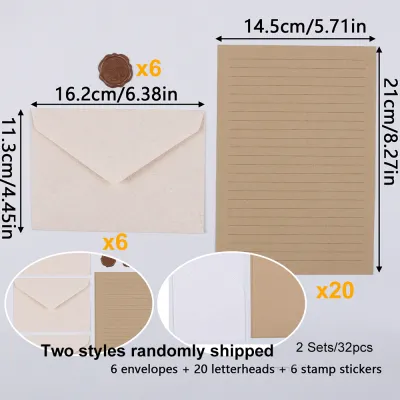
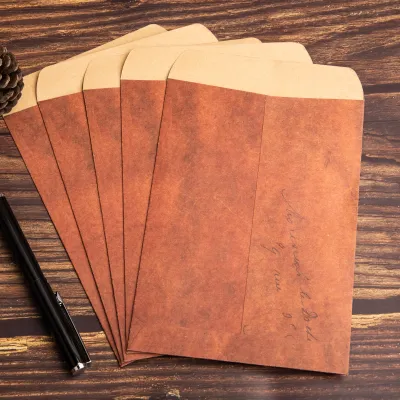
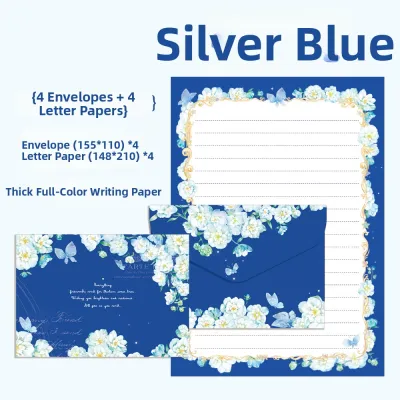
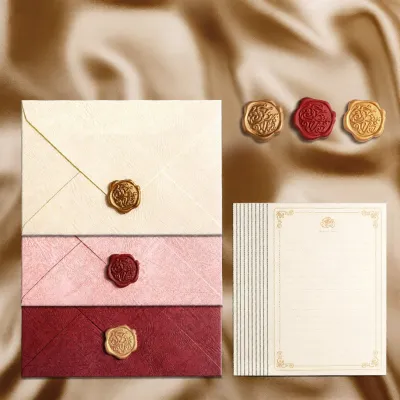
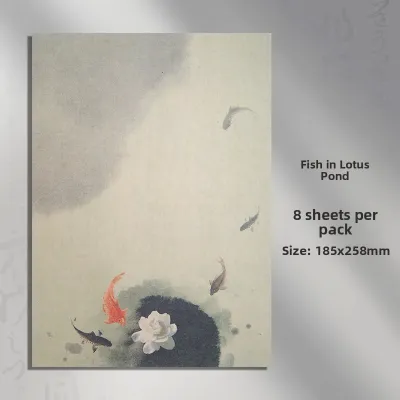
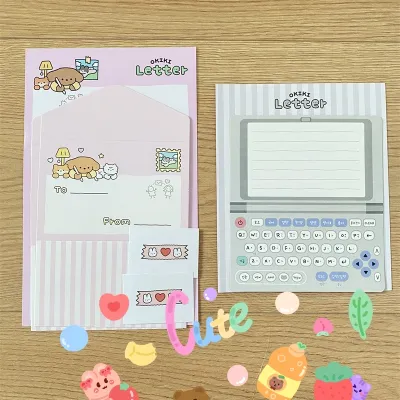
Prices are valid at publication and may change. Please refer to the product page for the latest price.
Because manufacturers sometimes use these terms loosely, never rely solely on the letter-number name. Always check the exact millimeter or inch dimensions printed on the product packaging or online listing. Verifying the physical measurements ensures that your specific writing sheets will slide in smoothly without catching on the seams.
Matching Envelope Sizes to Correspondence Types
Before assembling your letter writing set, analyze the types of mail you send most frequently. The weight of your paper, the number of sheets, and the formality of your message all dictate the envelope size and structural strength required. A heavy, multi-page document demands a different structural approach than a single-leaf note of appreciation.

Categorizing your mailing habits allows you to invest in the right formats without cluttering your desk with unused stationery. If your correspondence ranges from formal inquiries to casual holiday greetings, a multi-format set is highly practical. If you primarily write short, informal notes, your needs will lean toward smaller, more intimate envelope styles.
Formal Letters and Business Documents
For formal correspondence, administrative inquiries, or professional documents, the DL envelope is the standard choice. This long, slim format is specifically designed to hold a standard A4 sheet folded horizontally into three equal parts. It presents a clean, professional appearance and fits easily into automated sorting systems, making it highly efficient for official mailings.
When you need to send documents that should not be folded multiple times—such as certificates, resumes, or letters with thick enclosures—the C5 envelope is the ideal alternative. A C5 envelope accommodates an A4 sheet folded once in half, or an unfolded A5 sheet. Minimizing folds keeps your documents looking pristine upon arrival. Always check the interior dimensions of these envelopes, as tight tolerances can cause the folded edges of thick paper to crimp or jam during insertion.
Personal Notes and Greeting Cards
Casual letters, thank-you notes, and informal updates are best suited for smaller, more intimate envelope formats like the C6 or the A2. The C6 envelope is a classic international standard that perfectly fits an A4 sheet folded into quarters, or an A5 sheet folded in half. Its compact size feels personal and deliberate, making it a favorite for handwritten correspondence.
If you enjoy sending pre-folded commercial greeting cards or standard retail cards, the A2 and A7 sizes are highly versatile options to include in your letter writing set. Before purchasing, measure the cards you intend to send. Standard retail greeting cards vary slightly by region, and choosing an envelope that is too small will lead to tight, tearing edges, while an oversized envelope allows the card to slide excessively, potentially damaging delicate embellishments.
Invitations and Heavy Cardstock
Event invitations, announcements, and seasonal cards often utilize thick cardstock that requires special structural considerations. When paper exceeds standard writing weights, it does not fold as flatly or compress as easily. This added bulk means you must select envelopes with slightly larger interior dimensions to accommodate the fold radius and overall thickness of the card.
For these formal mailings, look for envelopes made from sturdier, high-weight paper (typically 120 GSM or higher) to prevent the contents from bending or puncturing the paper during transit. Secure closure mechanisms are also essential. Traditional gummed flaps that require moisture to seal offer excellent reliability, and these heavier envelopes are often highly compatible with wax seals, adding an elegant, traditional touch to your invitations.
Verifying Paper and Envelope Compatibility
To ensure a seamless writing experience, always verify the compatibility between your stationery paper and your envelopes before sealing your set. Start by measuring your unfolded paper, then calculate how it will be folded. Compare these final folded dimensions against the envelope’s stated interior capacity. As a general rule, leave a clearance margin of at least 3 to 5 millimeters on all sides to allow the paper to slide in and out without resistance.
Paper thickness, measured in grams per square meter (GSM), plays a significant role in how well a letter fits its envelope. Standard writing paper ranges from 80 to 100 GSM, which folds easily with minimal bulk. However, premium cotton papers or heavy cardstocks of 120 GSM to 300 GSM create thick, springy folds. This bulk reduces the effective interior space of the envelope, meaning a standard size that fits thin paper might be too tight for the same size sheet in a heavier weight.
Always review the manufacturer’s specifications for maximum enclosure thickness. If you plan to include multiple inserts, photos, or rigid items like pressed flowers or ribbons, you will need to step up to a slightly larger envelope size. Forcing a thick stack into a standard envelope can split the side seams or cause the adhesive flap to pop open in transit.
Building a Versatile Letter Writing Set
When assembling your ultimate letter writing set, start with a baseline of “must-have” sizes to cover your daily needs. A combination of DL envelopes for formal letters and C6 envelopes for personal notes will handle the vast majority of your correspondence. These two sizes represent the most practical foundation for any stationery collection.
Once your basics are covered, you can add optional specialty sizes like C5 or A7 based on your specific hobbies, such as card making, calligraphy, or frequent event planning. For budget allocation, purchasing assorted multi-size packs is highly cost-effective when starting out, often costing between S$10 and S$25 for a diverse selection. If you find yourself using one specific size constantly, transitioning to bulk single-size boxes will offer better long-term value.
In tropical climates, proper storage is critical to preserving your letter writing set. High humidity can cause the adhesive on gummed envelope flaps to activate prematurely, sticking the envelopes shut before you can use them. Store your stationery in airtight plastic containers or drawers, and include a few rechargeable silica gel packs to absorb excess moisture. This simple step keeps your envelopes crisp, clean, and ready for writing at a moment’s notice.
Frequently Asked Questions (FAQ)
Can I use standard printer paper with any envelope size?
Yes, standard printer paper (typically A4 or Letter size) can be used with almost any envelope size, provided you fold or cut the paper to match the envelope’s interior dimensions. For example, folding an A4 sheet into thirds fits a DL envelope, while folding it into quarters fits a C6 envelope. Always verify the folded dimensions against the envelope packaging to ensure a clean fit.
Do I need extra postage for square or unusually sized envelopes?
Yes, postal services often apply surcharges for square envelopes, unusually thick mail, or rigid enclosures because they cannot pass through standard automated sorting machines. If your letter writing set includes square formats or heavy cardstock, always check the current local postal guidelines for exact size, weight, and thickness thresholds to ensure you apply the correct postage before mailing.

Community discussion
Share your experience or ask a question. Comments are reviewed before publication.