
Presenting a monetary gift at a Malay wedding is a beautiful tradition that blends community support with heartfelt blessings. To honor this custom properly, the ideal envelope should be elegant, culturally respectful, and structurally sound. Opting for a dedicated money envelope—often referred to as a sampul—in celebratory colors like green, gold, or soft pastels ensures your gift is presented with the dignity the occasion deserves. The design should feature tasteful geometric patterns, floral arabesques, or minimalist layouts, avoiding symbols tied to other specific religious festivals. By selecting a high-quality, opaque paper envelope that fits local banknotes without awkward folding, you demonstrate thoughtful preparation and respect for the hosts.
Understanding the Cultural Role of the Wedding Envelope
At a Malay wedding, the act of giving a monetary gift, known as salam or hadiah, is far more than a simple transaction. It represents a collective gesture of blessing, goodwill, and practical support from the community to help the newlyweds embark on their new journey together. Historically, this practice reinforces social bonds and eases the financial transition of setting up a new household. Presenting this gift in a beautiful envelope is a fundamental aspect of the custom, emphasizing discretion and humility.
The envelope serves a vital role in maintaining the privacy of the gesture. Handing over cash openly is considered impolite, as it can draw unnecessary attention to the specific amount given. By enclosing the banknotes in a tasteful envelope, you ensure the focus remains entirely on the spirit of giving and the exchange of blessings. Furthermore, while general festive envelopes, such as those used during Hari Raya, are common in many households, a wedding calls for a higher level of formality. Using an envelope designed specifically for weddings, or one with a highly elegant and neutral aesthetic, reflects the significance of this once-in-a-lifetime milestone.
Products mentioned in this guide
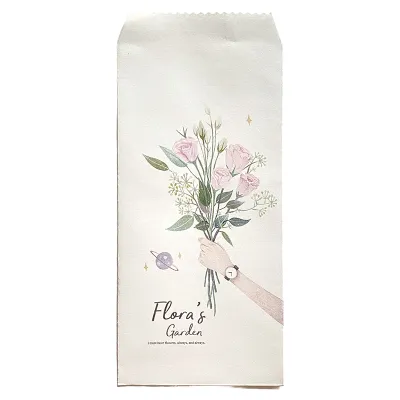
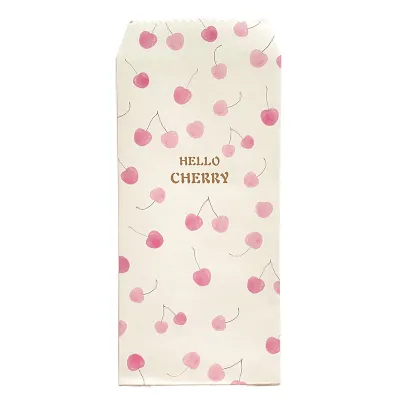
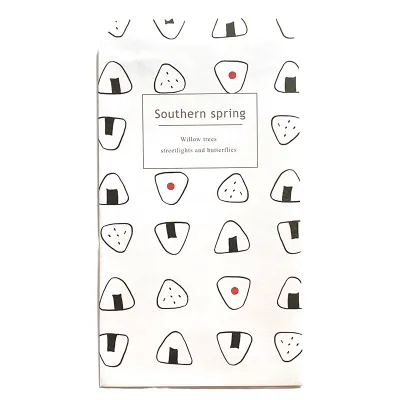
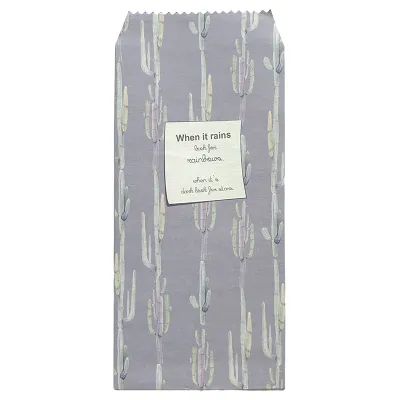
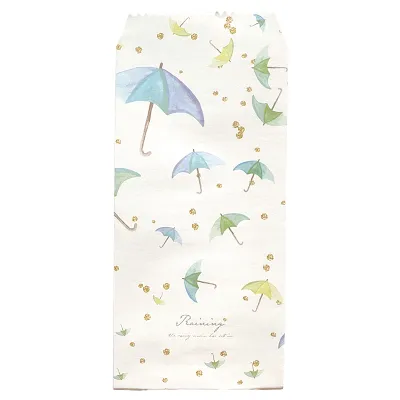
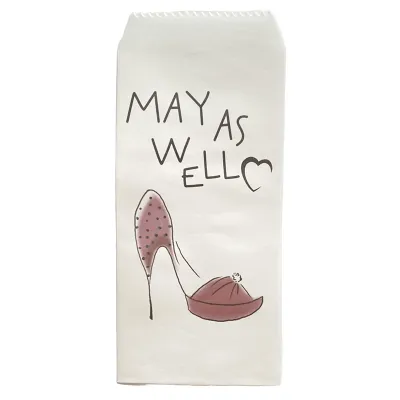
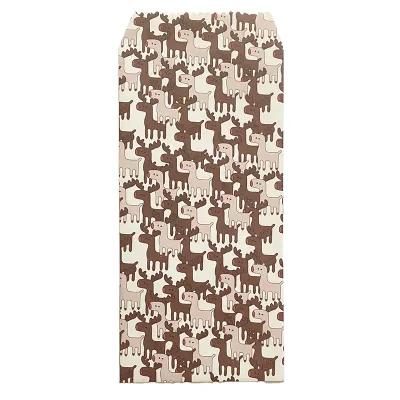
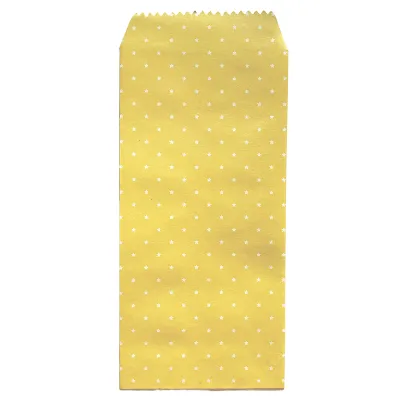
Prices are valid at publication and may change. Please refer to the product page for the latest price.
Selecting Culturally Appropriate Colors and Motifs
Color plays a significant role in conveying the mood of a celebration, and selecting the right palette for a Malay wedding envelope is key to making a positive impression. Green is a deeply respected color in Islamic culture, symbolizing life, paradise, and peace, making it an excellent and traditional choice. Gold is another highly favored option, representing prosperity, joy, and the solemnity of the marriage vows. For modern weddings, soft pastel tones like cream, blush pink, and mint green, as well as rich jewel tones like emerald, sapphire, and deep plum, have become increasingly popular and are entirely appropriate.

When examining the motifs on the envelope, look for designs that align with Islamic art and traditional Malay aesthetics. Intricate geometric patterns, which symbolize unity and order, are highly suitable. Floral arabesques and elegant botanical illustrations are also excellent choices, reflecting the beauty of nature. Some modern designs feature minimalist architectural outlines, such as the elegant curves of mosque domes or traditional Malay rooflines, which add a touch of cultural heritage.
Conversely, certain designs and symbols must be strictly avoided to maintain cultural sensitivity. Do not use envelopes featuring motifs associated with other religious festivals, such as Chinese New Year or Deepavali, unless they are completely neutral. Avoid envelopes adorned with zodiac animals, or prominent human and animal figures, as traditional Islamic art generally favors abstract, geometric, or botanical representations. When browsing local stationery stores or online marketplaces for generic wedding envelopes, take a close look at the details to ensure there are no unintended cultural symbols that might feel out of place at a Malay wedding.
Choosing the Right Size, Material, and Build
The physical quality of the envelope is just as important as its visual design. A flimsy or poorly sized envelope can detract from the presentation and risk damaging the contents. Before purchasing, check the internal dimensions of the envelope to ensure it can comfortably accommodate local banknotes, such as S$10, S$50, or S$100 notes. Ideally, the envelope should allow the bills to lie flat or require only a single, neat fold. Forcing notes into an envelope that is too small can result in crumpled edges and an untidy appearance.
You will generally find envelopes in two main formats: standard long rectangular shapes and modern square formats. Long rectangular envelopes are highly practical as they allow banknotes to remain completely flat, preserving their crispness. Square formats offer a contemporary, stylish look but will require you to fold the notes neatly inside. Whichever shape you prefer, pay close attention to the paper weight and texture. Opt for envelopes made from thicker, premium cardstock or textured paper, typically around 120gsm or higher. Thicker paper ensures the envelope remains opaque, preventing the denomination of the banknotes from being easily seen or felt from the outside.
Additionally, inspect the closure mechanism of the envelope. Self-sealing adhesive strips offer a clean, secure seal without the need for moisture, which is highly convenient. Traditional tuck-in flaps are also acceptable, provided they fit snugly and do not pop open easily. A secure closure ensures that the monetary gift remains safely inside the envelope throughout the busy wedding reception.
Preparing and Presenting the Gift with Proper Etiquette
Preparing and presenting your gift with the proper etiquette is the final, crucial step in honoring the couple’s special day. There is a strong cultural preference for using crisp, new banknotes when preparing a monetary gift. Wrinkled, torn, or heavily soiled notes can appear careless. To ensure you have fresh notes on hand, it is wise to plan ahead and exchange older bills at your local bank branch well before the wedding season begins, as demand for new notes can rise during festive periods.
Before sealing the envelope, take a moment to write a brief, heartfelt message on the back or on the inside flap. A classic congratulatory phrase such as “Selamat Pengantin Baru” is always appreciated. Be sure to clearly write your name so the couple can easily identify who the gift is from when they organize their presents after the event.
When you arrive at the wedding reception, the manner in which you present the envelope is highly significant. If you are greeting the couple or their parents directly, always hand over the envelope using your right hand, or with both hands supporting the envelope as a sign of deep respect. Avoid using your left hand alone, as this is considered impolite in Malay culture. In many modern wedding setups, especially at larger venues, a designated gift box or a reception table managed by family members will be provided. In such cases, you should place your envelope securely into the designated box or hand it to the family members hosting the reception table, rather than attempting to hand it directly to the bride or groom during their busy schedule.
Frequently Asked Questions (FAQ)
Can I use a standard red packet for a Malay wedding?
Standard red packets, particularly those featuring Chinese characters, zodiac animals, or specific cultural greetings, are generally unsuitable for a Malay wedding. These designs are deeply tied to other cultural celebrations and can feel out of place. However, if you are in an absolute pinch and have no other options, a plain, unbranded red envelope with no text or cultural illustrations may be acceptable, though it is not ideal. To show the utmost respect, it is always preferable to choose culturally neutral designs or envelopes specifically crafted for Malay weddings.
Is it acceptable to give a digital transfer instead of a physical envelope?
While digital payment methods have become incredibly convenient in daily life, there remains an enduring preference for physical envelopes at Malay weddings. Presenting a physical envelope is viewed as a tangible sign of respect, effort, and adherence to traditional etiquette. It forms a key part of the physical greeting and blessing exchange during the reception. However, if you are absolutely unable to attend the wedding in person, a digital transfer is a practical alternative. In this scenario, it is polite to send a thoughtful text message or a digital card alongside the transfer to convey your warmest congratulations.
How do I determine the appropriate monetary amount to include?
The amount you choose to give should primarily reflect your relationship with the couple and your personal financial comfort. As a general guideline, many guests aim to contribute an amount that helps cover the estimated cost of their meal at the venue, which can vary depending on whether the wedding is held at a void deck, a community center, or a hotel. There is also a subtle cultural preference for even numbers or specific denominations, such as S$50 or S$100, rather than irregular amounts. If you are unsure of the local norms for a specific venue, checking discreetly with mutual friends or family members who are also attending can provide helpful guidance.

Community discussion
Share your experience or ask a question. Comments are reviewed before publication.