
Finding the right DSPIAE beginner art set in Singapore requires matching your creative goals with the specific tools, pigments, and mediums included in each starter kit. While DSPIAE is widely recognized for its high-precision hobby and craft tools, its expansion into beginner-friendly art sets offers new creators a structured entry point into sketching, painting, and marker illustration. To make an informed choice, you must evaluate the quality of the included materials, calculate the practical value of the set in S$, and ensure the components align with your preferred artistic medium.
By focusing on observable product specifications, packaging labels, and practical testing methods, you can confidently select a starter kit that supports your skill development. This guide outlines the essential criteria for evaluating these sets, compares the key features of different medium-specific collections, and provides practical advice for sourcing authentic products in Singapore.
Understanding DSPIAE Starter Kits for New Artists
DSPIAE has established a distinct presence in the creative community by focusing on precision engineering and user-friendly designs. For entry-level creators in Singapore, the brand’s starter kits serve as an accessible gateway, bundling essential tools and consumables to eliminate the guesswork of buying individual supplies. These sets are designed to provide a cohesive introduction to a specific medium, allowing you to begin creating immediately without a significant upfront investment.
Products mentioned in this guide
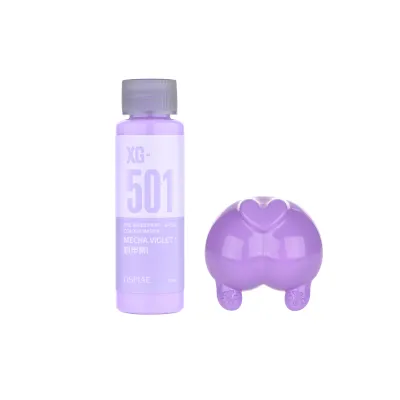
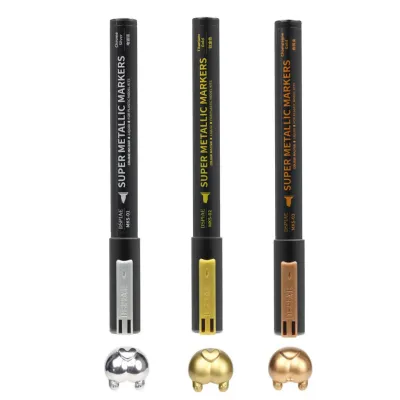
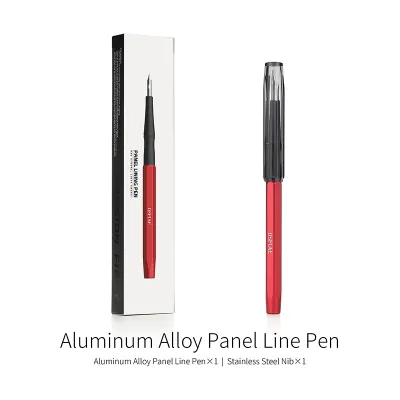
Prices are valid at publication and may change. Please refer to the product page for the latest price.
A typical DSPIAE beginner kit generally contains a curated selection of core pigments, entry-level brushes or markers, and basic mixing accessories. For dry mediums, kits often include a range of graphite pencils, erasers, and blending tools, while wet medium sets feature compact paint pans or tubes alongside water brushes and mixing palettes. This bundled approach ensures that all included components are chemically and physically compatible, reducing the frustration of mismatched papers, inks, or binders.
When exploring these introductory sets, it is important to distinguish between student-grade and professional-grade materials. Student-grade components, which are common in beginner kits, prioritize affordability and ease of use by utilizing synthetic binders and alternative pigment formulations. Professional-grade materials, by contrast, feature higher pigment concentrations, superior lightfastness, and minimal fillers, which offer greater control but require more advanced handling techniques. Understanding this distinction helps you set realistic expectations for color mixing, blending, and the overall longevity of your early artwork.
Core Criteria for Evaluating Beginner Art Sets
Before purchasing any DSPIAE art set, you should carefully examine the product packaging and specifications to assess its overall quality and suitability. The first step is to check the pigment quality, opacity, and lightfastness indicators printed directly on the box or color chart. Lightfastness ratings, often indicated by a star or letter system, tell you how well a pigment resists fading when exposed to light over time. Opacity symbols, usually represented by open, semi-filled, or solid squares, indicate whether the paint is transparent, semi-opaque, or fully opaque, which directly impacts your layering and glazing techniques.

The quality of the included brushes is another critical factor that determines the usability of a starter set. Evaluate the brush durability, handle ergonomics, and bristle material by checking whether the kit utilizes synthetic fibers or natural hair equivalents. Synthetic bristles are highly durable, easy to clean, and retain their shape well when used with acrylics or heavy-bodied paints, making them ideal for beginners. Ensure the handles are comfortable to hold for extended periods and that the metal ferrules are securely crimped to prevent loose hairs from shedding onto your artwork.
Portability and storage design are particularly important for artists working in compact Singaporean living spaces or those who enjoy sketching outdoors. Look for sets housed in sturdy, compact cases with secure closures, such as snap-locks or magnetic lids, to prevent accidental spills during transit. Well-designed internal trays keep individual pans, pencils, or markers organized, protecting delicate tips and preventing wet paints from contaminating adjacent tools.
Finally, perform a simple cost-per-item calculation in S$ to determine the actual value of the starter set compared to purchasing individual supplies. Add up the estimated retail prices of equivalent standalone items, such as a basic brush set, a small paint palette, and a pad of paper, to see if the bundled price offers a genuine saving. This calculation ensures you are paying for functional, high-quality tools rather than premium packaging or redundant accessories that you may not use as a beginner.
Matching DSPIAE Sets to Your Chosen Medium
Selecting the right DSPIAE starter kit depends heavily on the specific art medium you wish to explore, as each discipline requires a unique set of tools and consumables. A kit designed for fluid painting will not support sketching practice, and vice versa, making it essential to align your purchase with your immediate creative goals. By understanding the specific requirements of each medium, you can choose a set that provides the exact tools needed to master foundational techniques.
Watercolor and Gouache Starter Sets
When evaluating DSPIAE water-based paint sets, the first decision is choosing between pan and tube formats. Pan formats consist of dry, compressed blocks of paint that activate with water, making them highly portable, easy to clean, and ideal for small workspaces or outdoor sketching. Tube formats contain moist, pre-dispersed paint that allows you to quickly mix large washes of vibrant color, making them better suited for larger paintings and studio environments where quick coverage is required.
The quality of the included water brush or standard brush is crucial for achieving smooth washes and fine details. Check the product specifications to ensure the brush fibers offer good water retention, allowing you to carry a consistent amount of paint to the paper without constant reloading. The brush tip should also exhibit excellent resilience, snapping back to a sharp point after each stroke to facilitate precise line work and delicate details.
Paper compatibility is another vital consideration, as standard drawing paper will warp, buckle, or pill when exposed to wet mediums. Verify that the starter set includes or is paired with paper that has a minimum weight of 300 gsm (grams per square meter) to handle wet-on-wet techniques effectively. If the kit includes a dedicated watercolor sketchbook, check whether the paper is cold-pressed for a textured finish or hot-pressed for a smooth surface, depending on your preferred painting style.
Sketching and Drawing Kits
For those focusing on dry-medium practice, a comprehensive DSPIAE drawing set should offer a versatile range of graphite grades to facilitate varied shading and line work. Look for kits that include a balanced selection of hard (H) pencils for light, precise guidelines and soft (B) pencils for deep, rich shadows and expressive sketching. Lead durability is equally important; high-quality graphite cores should resist breaking under moderate pressure and during sharpening, ensuring uninterrupted creative sessions.
A functional sketching kit must also include essential blending and erasing tools to help you master form and value. Check for the inclusion of paper blending stumps (tortillons), which allow you to smooth out graphite transitions without transferring oils from your fingers to the paper. A high-quality kneaded eraser is indispensable for lifting highlights and correcting mistakes without damaging the paper fibers, while a reliable, sharp sharpener ensures your pencil tips remain crisp.
The accompanying sketchpad should be evaluated based on its paper weight, tooth, and texture to ensure it complements graphite or charcoal. A paper weight of at least 100 to 120 gsm is recommended to prevent tearing during heavy erasing or shading. The “tooth” refers to the surface texture of the paper; a moderate tooth is necessary to grab and hold the graphite particles, allowing you to build up multiple layers of shading without the surface becoming slick or oversaturated.
Acrylic and Marker Collections
If you prefer vibrant, fast-drying, and highly opaque mediums, look for DSPIAE sets that feature acrylic paints or specialized marker collections. Review the packaging labels to confirm the color vibrancy, opacity levels, and the final finish of the dried medium, which can range from a flat matte to a reflective gloss. High opacity is particularly important for acrylics and markers, as it allows you to layer light colors over dark backgrounds without the underlying layers bleeding through.
For marker collections, pay close attention to the tip configurations, such as dual-tip designs featuring a flexible brush tip on one end and a broad chisel tip on the other. Brush tips excel at creating organic, variable line widths and smooth gradients, while chisel tips are ideal for filling in large areas of flat color and drawing precise geometric shapes. Additionally, check whether the marker ink system is refillable and if replacement nibs are available, which significantly extends the lifespan of your investment.
Finally, ensure the set includes or is compatible with appropriate mixing surfaces, primers, or bleed-proof paper. Marker illustrations require specialized bleed-proof paper with a smooth barrier coating to prevent the alcohol-based or water-based inks from feathering or soaking through to the next page. For acrylic sets, verify the inclusion of a non-porous mixing palette and check if the kit recommends a primer, such as gesso, to prepare non-traditional surfaces like wood or canvas before painting.
Purchasing and Authenticity Checks in Singapore
To ensure you receive genuine DSPIAE products that perform as intended, it is essential to purchase from reputable sources in Singapore. Authorized stationery retailers, established physical art supply stores, and official brand storefronts on major ecommerce platforms are the safest options. Buying from these verified channels guarantees that the products have been stored in temperature-controlled environments, preventing paints from drying out and markers from evaporating before they reach your hands.
When navigating online marketplaces, exercise caution when encountering third-party listings with prices that are significantly lower than the average retail rate. While discounts can be tempting, suspiciously low prices often indicate counterfeit goods, parallel imports of inferior quality, or old stock that may have degraded. To protect your purchase, read customer reviews, check the seller’s rating, and verify that the storefront is recognized as an authorized distributor or preferred local seller.
Upon receiving your DSPIAE art set, perform a quick physical inspection to verify its authenticity before opening the individual components. Check for intact packaging seals, high-quality printing on the box, and the presence of holographic authenticity stickers or unique batch codes. Many manufacturers include a scratch-off verification code on the packaging that you can enter on their official website to confirm the product’s legitimacy.
Lastly, familiarize yourself with the return and exchange policies of the retailer from whom you purchased the set. In Singapore, reputable sellers typically offer a return window for defective items, such as dried-out markers, cracked paint pans, or damaged brushes. Keep your physical or digital receipt intact, and inspect all components immediately upon unboxing so you can report any manufacturing defects or shipping damage within the allowed exchange period.
Frequently Asked Questions (FAQ)
How do I clean and maintain the brushes included in DSPIAE sets?
To extend the lifespan of your brushes, rinse them thoroughly in clean water immediately after each painting session, especially when using water-based paints like watercolor or gouache. For acrylic paints, which dry into a water-resistant plastic film, it is crucial to wash the bristles with mild soap and lukewarm water before the paint has a chance to cure. Avoid using hot water, as it can melt the glue holding the bristles inside the metal ferrule, leading to premature shedding.
After washing, gently reshape the brush damp bristles into their original point or flat shape using your fingers. Dry the brushes by laying them flat on a clean towel or hanging them upside down; never dry them standing upright in a cup, as water will seep down into the ferrule, rotting the wooden handle and loosening the adhesive. Replace your brushes once the bristles become permanently frayed, splayed, or lose their spring, as damaged tips will prevent you from achieving clean lines and controlled strokes.
Can I mix DSPIAE student-grade paints with professional brands later?
Yes, you can mix DSPIAE student-grade paints with professional-grade paints from other brands, but you should expect some changes in performance and consistency. Student-grade paints generally contain higher ratios of binders and fillers relative to the actual pigment load, which can dilute the intensity of professional paints when mixed. This combination may result in slightly less vibrant color mixtures and a more matte or chalky finish compared to using pure professional-grade pigments.
Mixed paints can also affect the drying times and the overall archival quality of your finished artwork, as student-grade binders may age differently over time. Before applying a mixed paint mixture to your final canvas or illustration, always perform a quick test on a scrap piece of matching paper. Observe how the colors blend, check for any separation or curdling of the binders, and let the sample dry completely to verify that the final texture and color meet your expectations.

Community discussion
Share your experience or ask a question. Comments are reviewed before publication.